The "Taiwan Volunteer Team Archives”, part of China's sixth batch of National Archival Heritage Documents, is a record of a volunteer force from China's Taiwan Region fighting against the Japanese invaders on the front lines of the Chinese mainland.
China unveiled the documents on Monday, coinciding with International Archives Day.
On July 7, 1937, Japanese soldiers attacked Chinese forces at the Lugou Bridge, marking the beginning of Japan's full-scale invasion of China, and China's national resistance against the Japanese invaders.
The Taiwan Volunteer Team was established in Jinhua City in east China's Zhejiang Province on Feb 22, 1939. It was the largest, most influential and longest-lasting force of anti-Japanese fighters in Taiwan.
The archives contain 625 original records of the Taiwan Volunteer Team's anti-Japanese activities from 1937 to 1946, including various orders and instructions, letters of approval, statistical charts, historical photos, and newspaper and periodical materials.
"When the Taiwan Volunteer Team was established, the Taiwan Youth Group was also founded. This was because most of those who joined the Taiwan Volunteer Team were participating in the war against the Japanese invaders with their whole families. From the name list of those who went to Zhejiang Province to join the Taiwan Youth Group, we can see that their average age was around their teens, with the youngest being only eight or nine years old," said Chen Feng, director of the Editorial Research and Development Division at the Archives of Fujian Province.
The team operated mainly in east China's Fujian Province and Zhejiang Province. The archives record volunteer activities such as collecting information on the enemy, distributing anti-Japanese propaganda and providing medical treatment.
"Many of them were doctors, so after joining the Taiwan Volunteer Team, they utilized their skills and expertise. The Taiwan Volunteer Team subsequently established four hospitals in Zhejiang and Fujian. These hospitals provided free medical treatment to injured soldiers and impoverished residents nearby. The local people therefore affectionately called them the ‘Taiwan doctors’," Chen said.
The "Archives of the Taiwan Volunteer Team" are original documents directly created by the team, from its establishment, personnel management, and anti-Japanese activities to its return to Taiwan. They are precious archival and documentary heritages that bear witness to the joint resistance of the Chinese people on both sides of the Taiwan Strait against foreign enemies, Chen said.
"It provides a true, complete, and systematic record of the history of this team, consisting of compatriots in Taiwan, in the fight against Japanese aggression. It reflects the national spirit and patriotic sentiments of the compatriots in Taiwan and serves as a historical testament to our Chinese nation's unity in resisting foreign enemies,” she said.
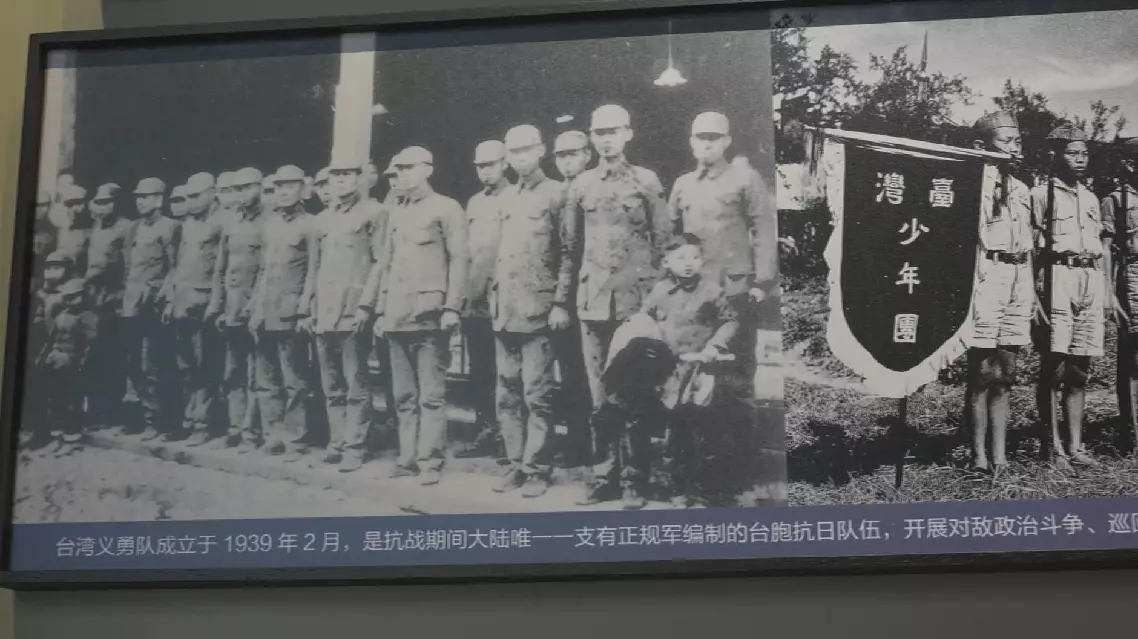
Archives reveal history of Taiwan volunteers’ fight against Japanese invaders