Multiple Chinese government agencies outlined new measures to improve childcare accessibility and affordability during a State Council Information Office press conference on Tuesday.
China on Monday issued a set of guidelines on further safeguarding and improving public well-being, and resolutely addressing the most pressing concerns of the people.
Explaining the new guidelines, officials from the National Development and Reform Commission, Ministry of Education, Ministry of Civil Affairs, Ministry of Finance, Ministry of Human Resources and Social Security, and National Health Commission (NHC) detailed policies aimed at enhancing public welfare, with one of the focuses on expanding inclusive childcare services for children under three.
The NHC emphasized efforts to build a more robust policy framework, ensuring families can access affordable, reliable, and high-quality childcare.
"We are building a '1+N' childcare service system, with comprehensive childcare service centers as the hub, and a network comprising childcare institutions, community-embedded childcare services, kindergarten-based toddler classes, employer-provided childcare, and home-based childcare points. We will support eligible kindergartens in offering toddler classes to promote the coordinated and sustainable development of preschool education and childcare services, and encourage medical institutions to support childcare service development, advancing standardized and professional childcare services," said Zhuang Ning, director of the NHC's Department of Planning and Information.
To reduce financial burdens, China has implemented tax deductions for families with children under three and encouraged local governments to subsidize childcare services. Over half of China's provinces have prioritized childcare development in their public welfare agendas, with 1,315 counties, cities, and districts introducing subsidies for childcare centers, operational support, and consumer vouchers to lower costs.
Strict standards have been established for childcare facilities, covering safety, hygiene, nutrition, and disease prevention. Medical institutions will also provide health management services, including disease control and dietary guidance, to ensure regulated and professional childcare services.
Central government funding will support the construction of comprehensive childcare service centers and public childcare facilities, encouraging private sector participation. Flexible care options -- including full-day, half-day, hourly, and temporary care -- will be expanded. A batch of national demonstration programs are encouraged to incentivize cities to develop model childcare systems, raising overall service standards.
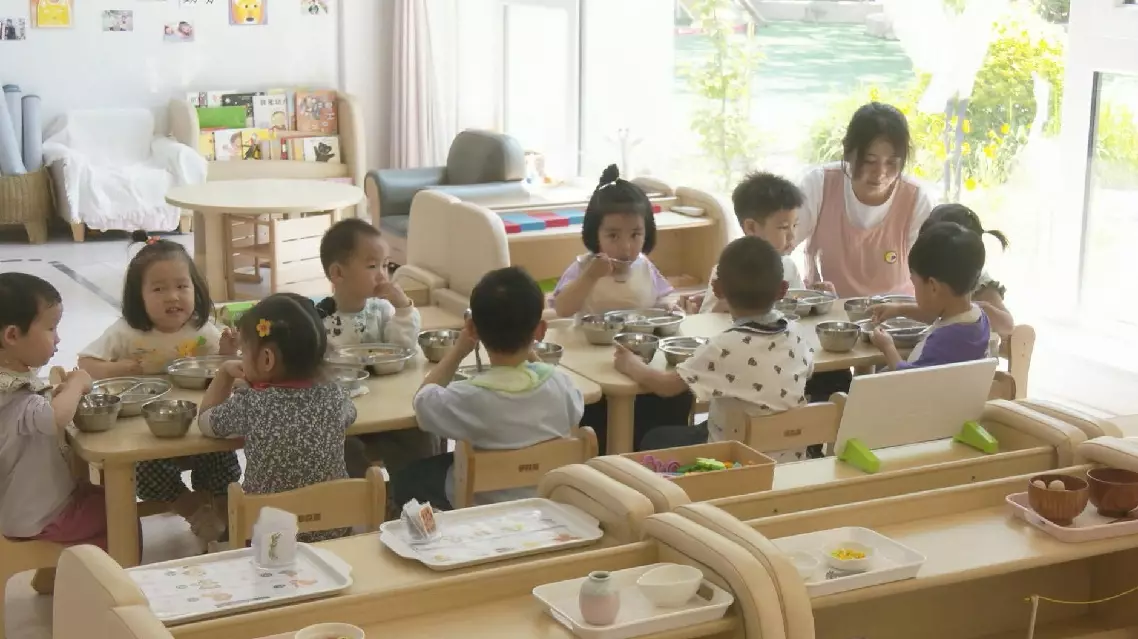
China expands affordable, high-quality childcare services to ease family burdens
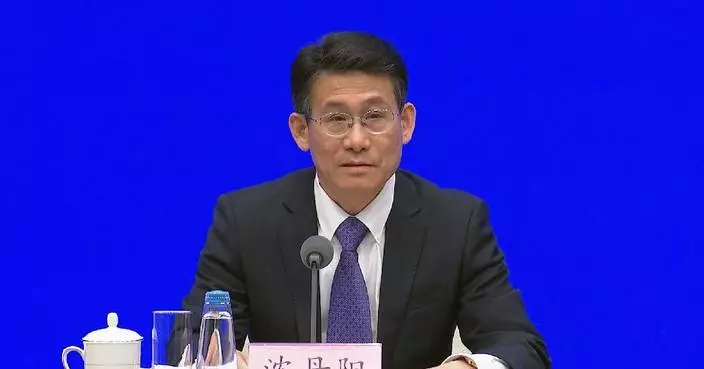
China will take more effective measures to improve people's wellbeing, especially in education, healthcare, and social security, an official said Thursday in Beijing at a press conference on the interpretation of this year's government work report, which was submitted to the national legislature for deliberation earlier in the day.
Shen Danyang, head of the government work report drafting team and director of the State Council Research Office, said centering on enhancing educational equity and quality, the report made arrangements for education at all educational stages and of all types.
"Regarding preschool education, the policy of free education in the year prior to entering primary school will continue to be implemented this year, which is commonly referred to as free admission to the senior class of kindergartens. So, how can the income reduction of kindergartens be addressed? Subsidies will be provided by both the central and local governments, with the central government taking the lion's share. This year, the funds allocated to support the development of preschool education will increase significantly by 37.8 percent to ensure the implementation of the beneficial policy," he said.
Regarding senior high school education, Shen said the report stated that the supply of regular senior high school places will be increased,
Specifically, for areas with a continuous net inflow of population, a number of regular high schools will be planned and constructed on an annual basis. For regions with a temporary shortage of school places, priority will be given to the renovation and expansion of existing teaching buildings, student dormitories and canteens, he said.
Shen said the report put forward many supportive measures in healthcare.
"For instance, it urged efforts to strengthen coordination in drug use at the grassroots level, which mean improving the list of essential drugs, and optimizing the channels for drug supply and drug use coordination between upper- and lower-level medical and health institutions to make it more convenient for the public to use drugs at their doorstep. Besides, the report has made arrangements for supporting the development of innovative drugs for the third consecutive year. This year, China will strengthen the coordination of supportive policies in an all-round way, further address issues such as the barriers facing innovative drugs entering hospitals, and better meet the diverse medical and medication needs of the people," he said.
In terms of social security, Shen said the report proposed to continue raising the minimum standard of basic pensions for urban and rural residents -- a policy will benefit over 180 million elderly people.
"The central government will allocate 1.25 trillion yuan (about 181.25 billion U.S. dollars) in subsidy funds to ensure the timely and full payment of pensions. In response to the insufficient protection of the rights and interests of people engaging in new occupations, the report proposed to steadily and orderly expand the scale of the pilot program for occupational injury insurance. This year, the policy will cover 31 provincial-level regions across the country and the Xinjiang Production and Construction Corps. Meanwhile, enterprises specializing in travel, instant delivery and intra-city freight delivery will be included in the pilot program, which will ensure the safety of more laborers, such as food delivery workers and online car-hailing drivers," he said.
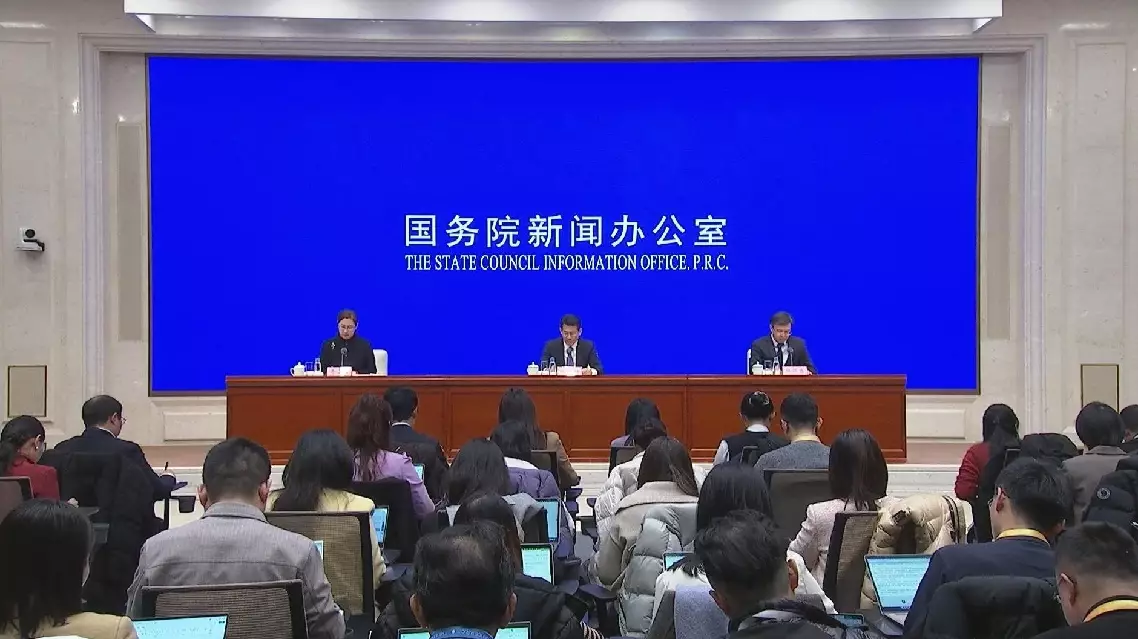
China to improve people's wellbeing in education, healthcare, social security: official