PHOENIX (AP) — Arizona Diamondbacks right-hander Justin Martinez has been placed on the 15-day injured list with a sprained ulnar collateral ligament in his pitching elbow.
He exited Monday night's win against the Seattle Mariners in the ninth inning with what the team called elbow tightness. Now Martinez will go for a second opinion, manager Torey Lovullo told reporters Tuesday.
The 23-year-old Martinez had struck out the first two batters he faced before walking Dylan Moore. After throwing a 97-mph sinker for a strike on a 1-0 count to Donovan Solano, Martinez signaled for an athletic trainer and then left the game.
He is 1-2 with a 4.11 ERA and five saves over 17 appearances and 15 1/3 innings.
Arizona also placed right-hander Christian Montes De Oca on the 15-day IL with right elbow inflammation, a move retroactive to June 9. Righty Cristian Mena was transferred to the 60-day IL with a strained pitching shoulder.
Additionally Tuesday, the D-Backs recalled right-handers Kevin Ginkel and Bryce Jarvis from Triple-A Reno and selected the contract of righty Tayler Scott from Reno. Right-hander Jeff Brigham was optioned to Reno after Monday's 8-4 win in 11 innings.
AP MLB: https://apnews.com/hub/MLB

Arizona Diamondbacks pitcher Justin Martinez, right, pauses on the pitcher's mound after an injury as Diamondbacks catcher Jose Herrera, left, and Diamondbacks shortstop Geraldo Perdomo check on Martinez during the ninth inning of a baseball game against the Seattle Mariners Monday, June 9, 2025, in Phoenix. (AP Photo/Ross D. Franklin)

Arizona Diamondbacks pitcher Justin Martinez leaves the game due to injury during the ninth inning of a baseball game against the Seattle Mariners Monday, June 9, 2025, in Phoenix. (AP Photo/Ross D. Franklin)
Russia’s nuclear-capable Oreshnik missile system has entered active service, Russia’s Ministry of Defense said Tuesday, as negotiators continue to search for a breakthrough in peace talks to end Moscow’s war in Ukraine.
Troops held a brief ceremony to mark the occasion in neighboring Belarus where the missiles have been deployed, the ministry said. It did not say how many missiles had been deployed or give any other details.
Russian President Vladimir Putin said earlier in December that the Oreshnik would enter combat duty this month. He made the statement at a meeting with top Russian military officers, where he warned that Moscow will seek to extend its gains in Ukraine if Kyiv and its Western allies reject the Kremlin’s demands in peace talks.
The announcement comes at a critical time for Russia-Ukraine peace talks. U.S. President Donald Trump hosted Zelenskyy at his Florida resort Sunday and insisted that Kyiv and Moscow were “closer than ever before” to a peace settlement.
However, negotiators are still searching for a breakthrough on key issues, including whose forces withdraw from where in Ukraine and the fate of Ukraine’s Russian-occupied Zaporizhzhia nuclear power plant, one of the 10 biggest in the world. Trump noted that the monthslong U.S.-led negotiations could still collapse.
Putin has sought to portray himself as negotiating from a position of strength as Ukrainian forces strain to keep back the bigger Russian army.
At a meeting with senior military officers Monday, Putin emphasized the need to create military buffer zones along the Russian border. He also claimed that Russian troops were advancing in the eastern Donetsk region of Ukraine and pressing their offensive in the southern Zaporizhzhia region.
Moscow first used the Oreshnik, which is Russian for “hazelnut tree,” against Ukraine in November 2024, when it fired the experimental weapon at a factory in Dnipro that built missiles when Ukraine was part of the Soviet Union.
Putin has praised the Oreshnik’s capabilities, saying that its multiple warheads, which plunge toward a target at speeds up to Mach 10, are immune to being intercepted.
He warned the West that Moscow could use it against Ukraine’s NATO allies who've allowed Kyiv to use their longer-range missiles to strike inside Russia.
Russia’s missile forces chief has also declared that the Oreshnik, which can carry conventional or nuclear warheads, has a range allowing it to reach all of Europe.
Intermediate-range missiles can fly between 500 to 5,500 kilometers (310 to 3,400 miles). Such weapons were banned under a Soviet-era treaty that Washington and Moscow abandoned in 2019.
Follow AP’s coverage of the war in Ukraine at https://apnews.com/hub/russia-ukraine
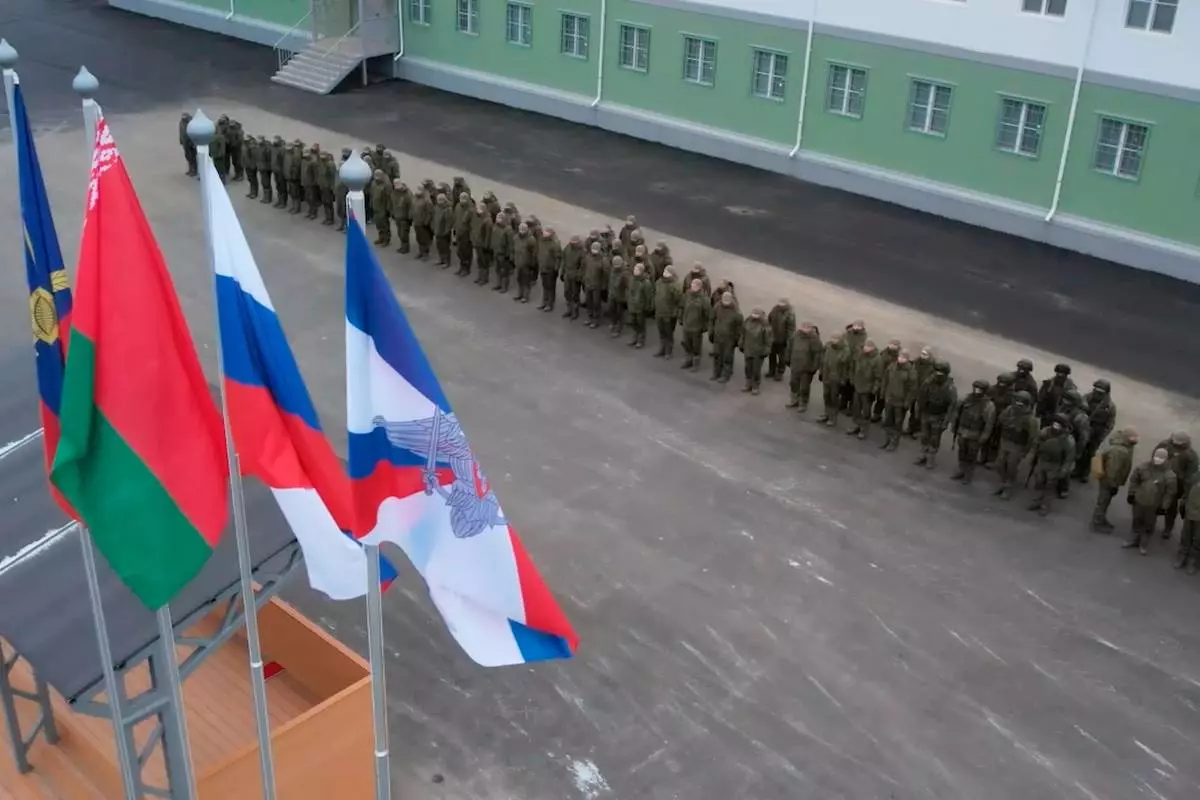
In this image made from video provided by Russian Defense Ministry Press Service on Monday, Dec. 29, 2025, Russian troops line up at a base in Belarus where the Oreshnik missile system was deployed in Belarus. (Russian Defense Ministry Press Service via AP)
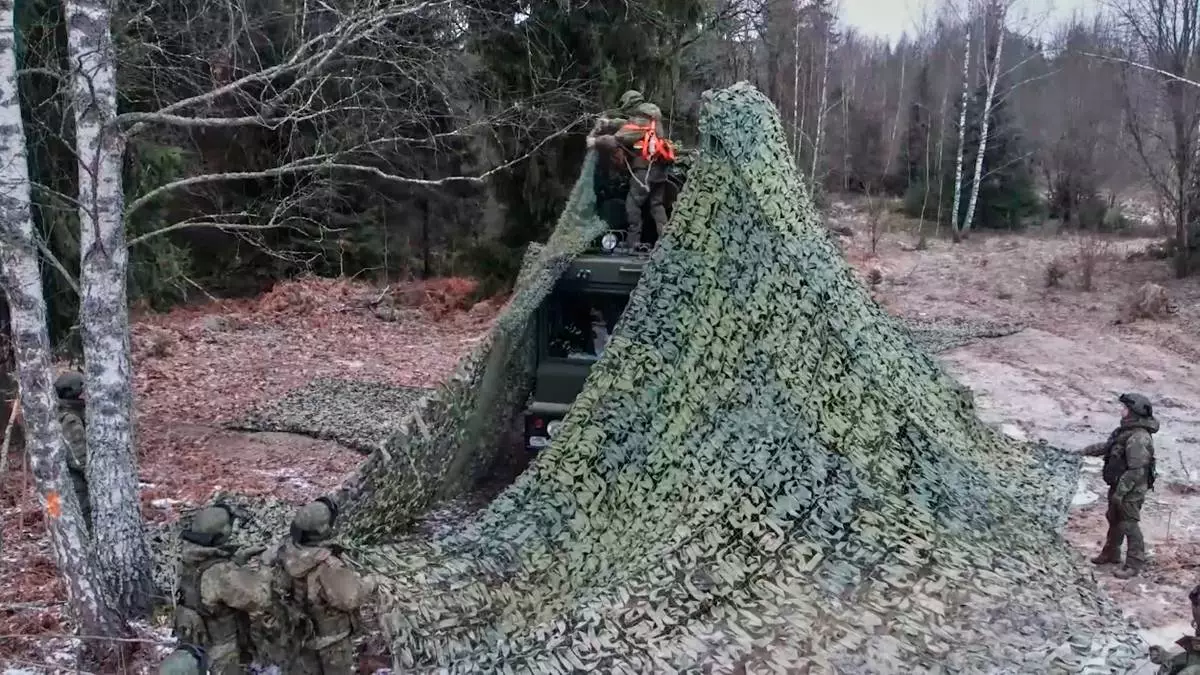
In this image made from video provided by Russian Defense Ministry Press Service on Monday, Dec. 29, 2025, Russian solders camouflage one of the trucks of the Russia's Oreshnik missile system with a net during training in an undisclosed location in Belarus. (Russian Defense Ministry Press Service via AP)
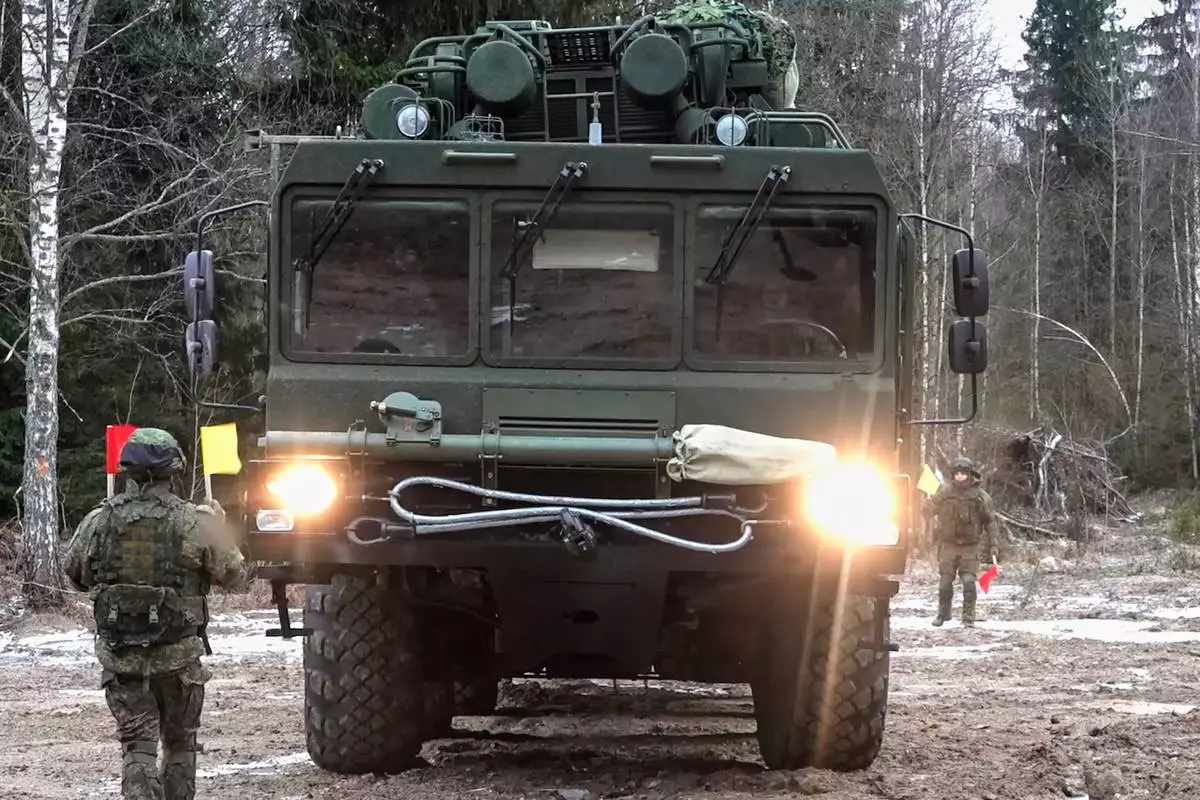
In this image made from video provided by Russian Defense Ministry Press Service on Monday, Dec. 29, 2025, A Russia's Oreshnik missile system is seen during a training in an undisclosed location in Belarus. (Russian Defense Ministry Press Service via AP)
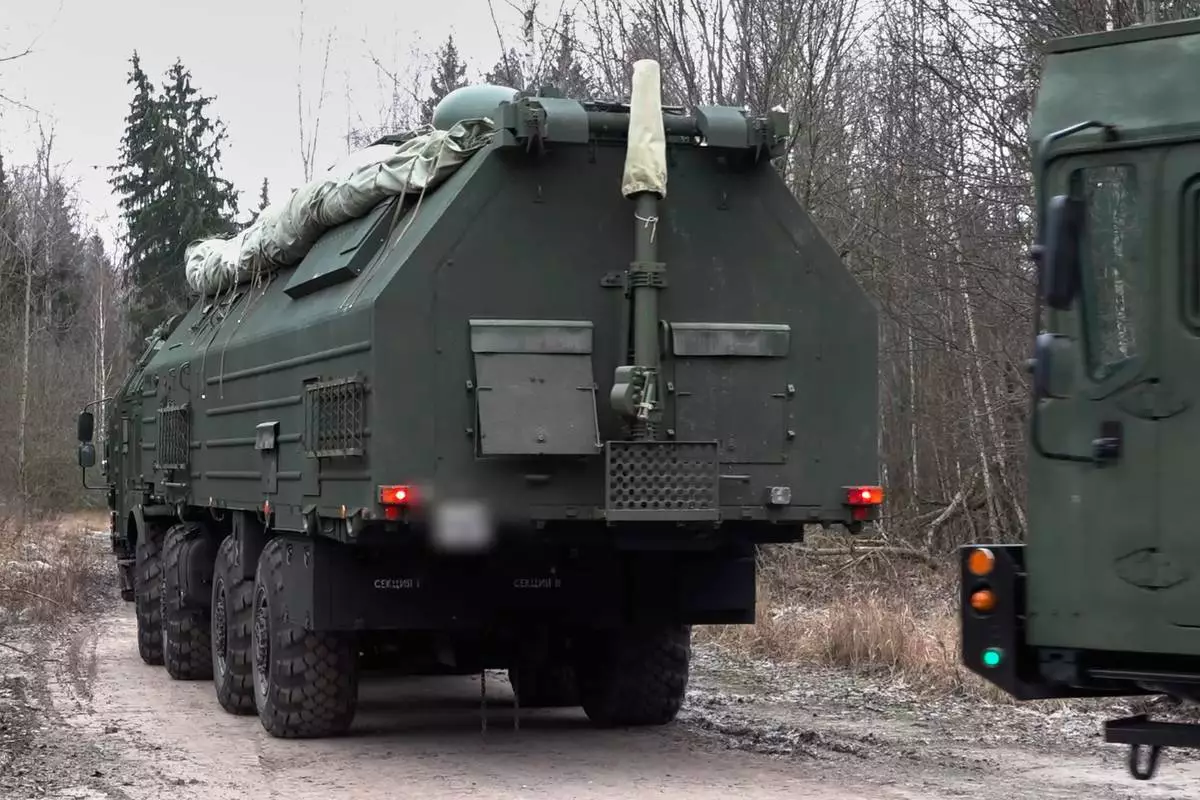
In this image made from video provided by Russian Defense Ministry Press Service on Monday, Dec. 29, 2025, A Russia's Oreshnik missile system is seen during a training in an undisclosed location in Belarus. (Russian Defense Ministry Press Service via AP)
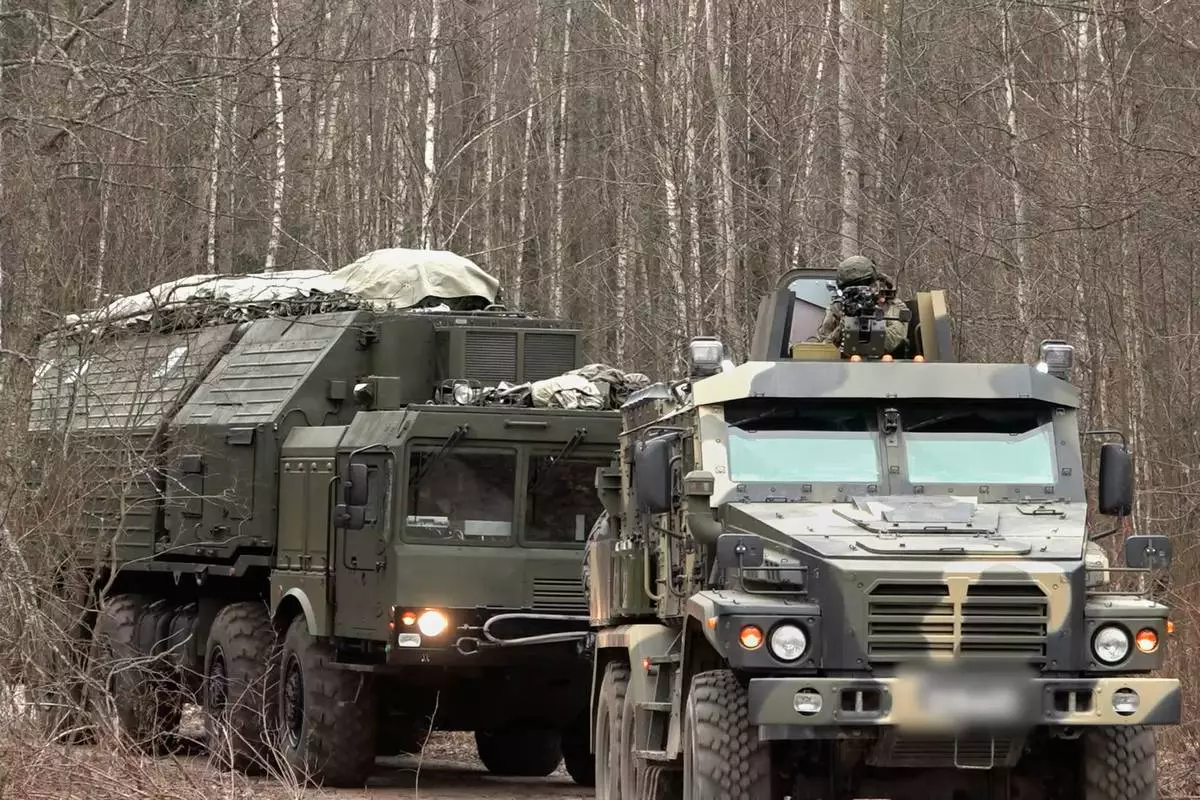
In this image made from video provided by Russian Defense Ministry Press Service on Monday, Dec. 29, 2025, A Russia's Oreshnik missile system is seen during a training in an undisclosed location in Belarus. (Russian Defense Ministry Press Service via AP)