China and the United States agreed in principle on a framework for implementing the consensus reached by the heads of state of the two countries during their phone call on June 5, as well as those reached during the talks in Geneva, a senior Chinese official on Tuesday.
Chinese Vice Minister of Commerce Li Chenggang, who is also China's international trade representative, made the statement after the first meeting of the China-U.S. economic and trade consultation mechanism held in London.
Click to Gallery
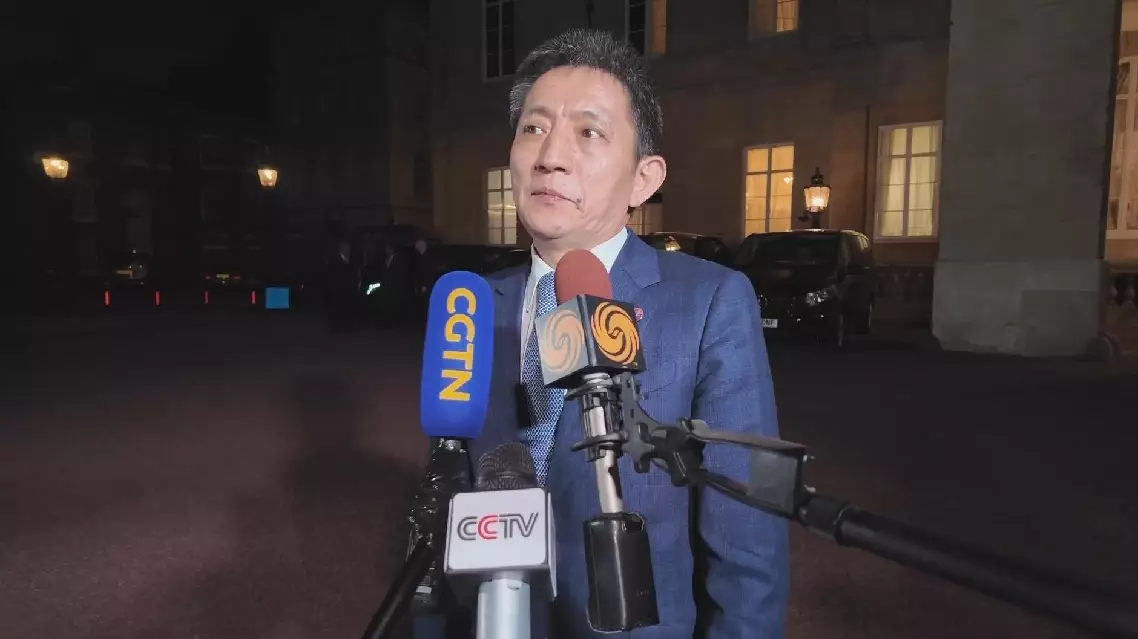
China, U.S. agree on framework to implement consensus reached by leaders and in Geneva: Chinese trade representative
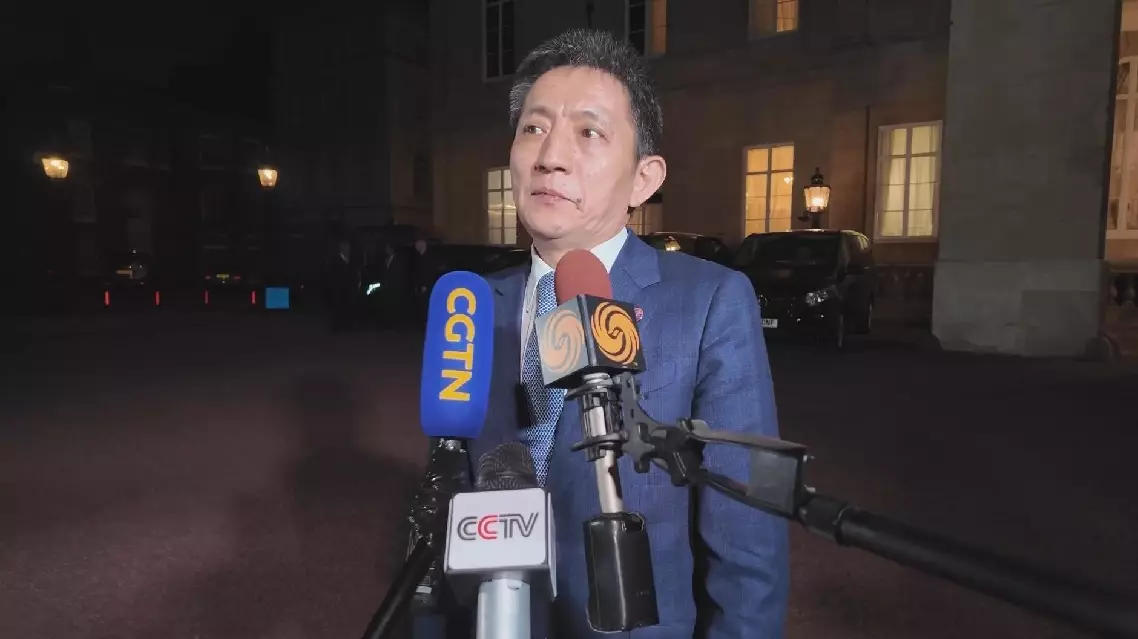
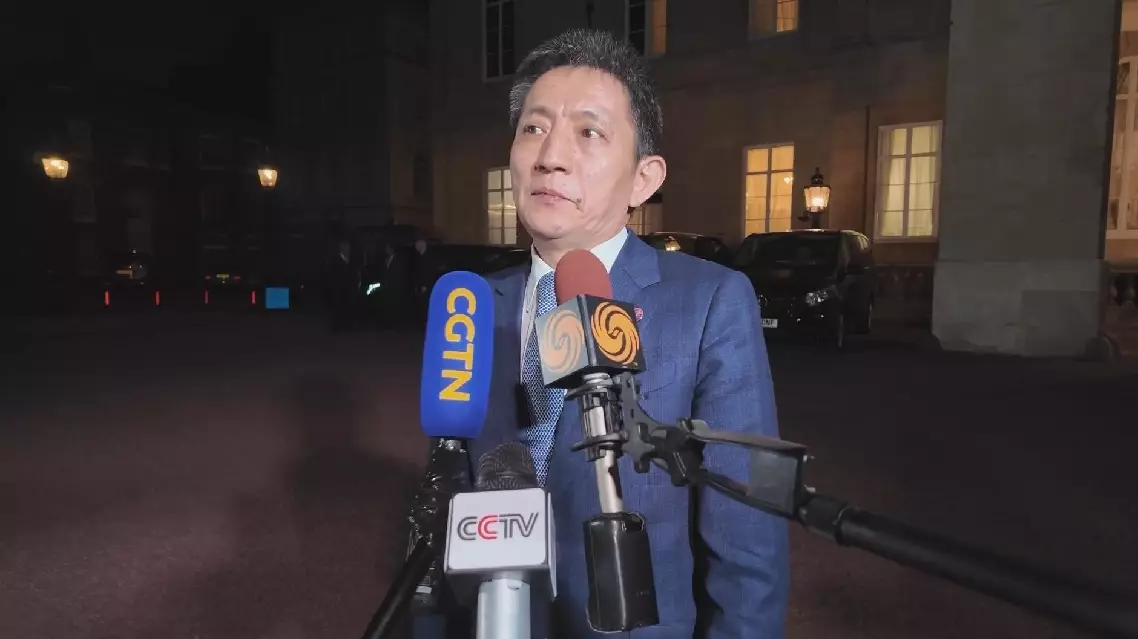
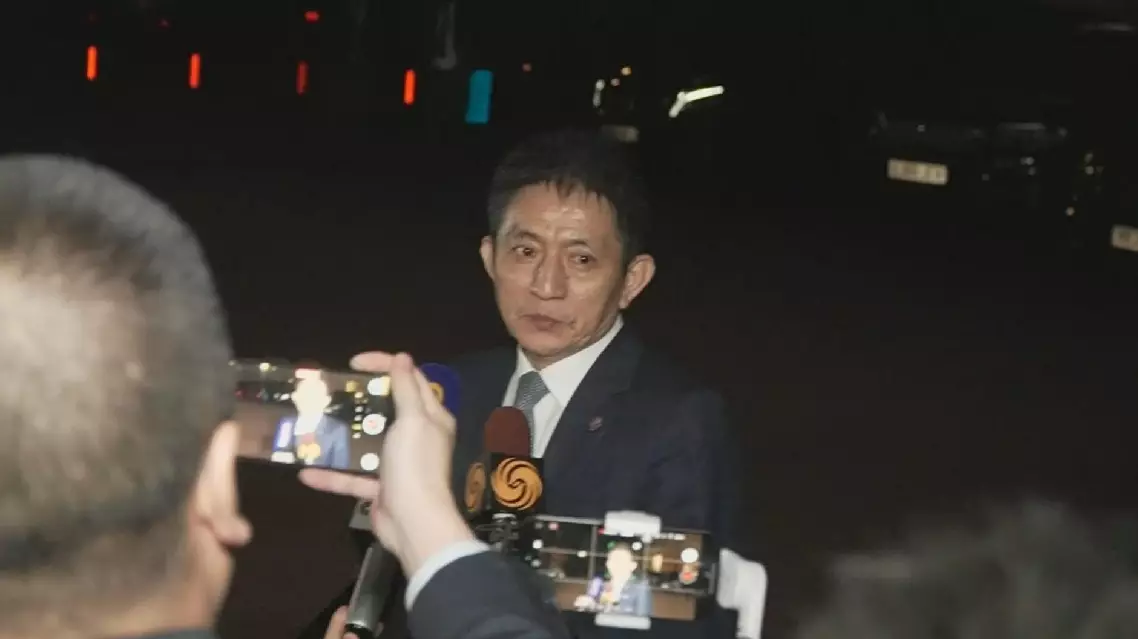
China, U.S. agree on framework to implement consensus reached by leaders and in Geneva
"Over the last couple of days, the Chinese and U.S. teams have had in-depth exchanges. Our communication has been very professional, rational, in-depth and candid. The two sides agreed in principle [on] the framework for implementing the consensus of the two heads of state in their phone call on June 5 as well as the consensus of the meeting in the Geneva," he said.
Li expressed the hope that the progress made in London will help strengthen trust between both nations and promote steady and healthy development of their economic and trade ties.
"The two sides will bring back and report to our respective leaders [the outcome of] the talks in the meeting as well as the framework that was reached in principle. We hope that the progress we made in this London meeting is conducive to increasing trust between China and the United States, to further promote stable and sound development of China-U.S. trade and economic relations, and to inject positive energy into world economic development," he said.
Following the talks in Geneva last month, the world's two largest economies agreed to temporarily bring down the triple-digit tariffs, but the temporary halt is expected to expire in early August.
A phone call between Chinese President Xi Jinping and U.S. President Donald Trump last week paved the way for this round of high-level trade talks.
In London, U.S. Treasury Secretary Scott Bessent, Commerce Secretary Howard Lutnick and Trade Representative Jamieson Greer represent the Trump Administration. The Chinese delegation is led by Vice Premier He Lifeng, Commerce Minister Wang Wentao and chief trade negotiator Li Chenggang.
"So I think both sides had extra impetus in order to get things done, because we both have our presidents behind us, pushing us to make sure we take care of our respective sides," said Lutnick.
China, U.S. agree on framework to implement consensus reached by leaders and in Geneva: Chinese trade representative
China, U.S. agree on framework to implement consensus reached by leaders and in Geneva
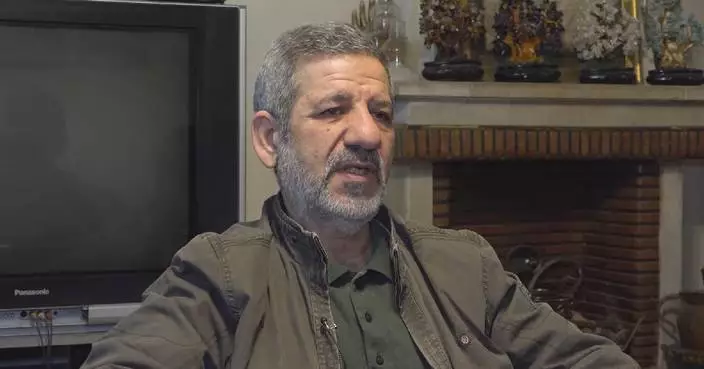
A video featuring a former member of Unit 731, a notorious Japanese germ-warfare unit during World War II (WWII), was released on Thursday in northeast China's Harbin, revealing details of how the unit used meteorological data to conduct horrific bacterial experiments on human beings.
The video was released by the Exhibition Hall of Evidence of Crimes Committed by Unit 731 of the Japanese Imperial Army, in which former Unit 731 member Tsuruo Nishijima detailed how the unit used meteorological data to carry out a bacterial dispersal experiment.
The video was recorded in 1997 by Japanese scholar Fuyuko Nishisato and donated to the exhibition hall in 2019, according to the hall, which was built on the former site of the headquarters of Unit 731 in Harbin, the capital city of Heilongjiang Province.
Jin Shicheng, director of the Department of Publicity, Education and Exhibition of the exhibition hall, said that Nishijima joined Unit 731 in October 1938 and served in the unit's meteorological squad. The squad was not a simple observation section but rather an auxiliary force supporting the unit's field human experiments by measuring wind direction, wind speed, and other conditions to ensure optimal experimental results, according to Jin.
Nishijima confirmed in the footage that "the meteorological squad had to be present at every field experiment." He testified to the "rainfall experiments" conducted by Unit 731, which involved aircraft releasing bacterial agents at extremely low altitudes.
At a field-testing site in Anda City, Heilongjiang, Unit 731 aircraft descended to about 50 meters above the ground. They sprayed bacterial culture liquids onto "maruta" -- human test subjects -- who were tied to wooden stakes. Each experiment involved about 30 people, spaced roughly 5 meters apart. After the experiments, the victims were loaded into sealed trucks and transported back to the unit, where their symptoms and disease progression were recorded over a period of several days.
"Unit 731's bacterial weapons were dropped by aircraft from a height of 50 meters in the open air. Therefore, the meteorological squad needed to observe wind direction and speed, which directly affected the precision and accuracy of the bacterial weapons deployment," said Jin.
Nishijima recounted the harrowing experience of the human test subjects.
"They were fully aware that inhaling the substances would certainly lead to death, so they closed their eyes and held their breath to avoid breathing them in. Their resistance prevented the experiment from proceeding. To compel them to comply, they were forced at gunpoint to open their mouths and lift their heads," said Nishijima.
These experiments, disguised as "scientific research," were in fact systematic tests of biological warfare weapons conducted by the Japanese military. The data generated from these inhumane activities became "research findings" shared among the Japanese army medical school, the medical community, and the military at large.
"At that time, the entire Japanese medical community tacitly approved, encouraged, and even participated in the criminal acts of Unit 731. The unit comprised members from Japan's medical and academic sectors who served the Japanese war of aggression against China. Thus, Unit 731 was not just a military unit but represented an organized and systematic criminal enterprise operating from the top down," said Jin.
Unit 731 was a top-secret biological and chemical warfare research base established in Harbin as the nerve center for Japanese biological warfare in China and Southeast Asia during WWII.
At least 3,000 people were used for human experiments by Unit 731, and Japan's biological weapons killed more than 300,000 people in China.
Video offers details of Japan's germ-warfare crimes in northeast China