A three-day national mourning has begun in Austria after the country was "stricken at the heart" by a mass school shooting earlier in the morning.
The shooting took place Tuesday at the BORG Dreierschutzengasse high school in Austria's second-largest city of Graz.
Local media report that at least 11 people, including the gunman, were killed in the attack. Police identified the suspected shooter as a 22-year-old former student of the school.
The tragedy has left the community in shock. At a main square in Graz, residents gathered to light candles and pay tribute to the victims.
"I felt like no one can really breathe. It's hard," said a local resident.
Parents of surviving students expressed relief and gratitude, but also anger that such violence could occur.
"Unbelievable, at first we didn't even realize what was happening. And when my son told me everything on the phone, I just thought: Thank God I can hear him, thank God I have his voice in my ear," said mother of a surviving student.
Austria has one of the most heavily armed civilian populations in Europe. In the aftermath of the shooting, some politicians are calling for stricter gun control laws.
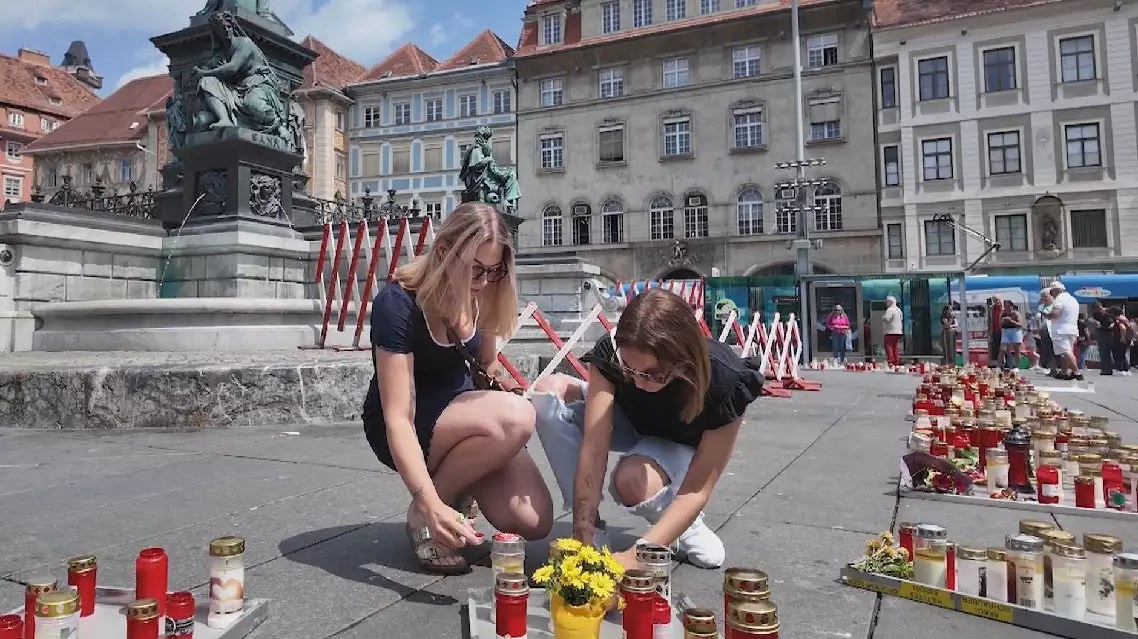
Austria observes 3-day national mourning after mass school shooting
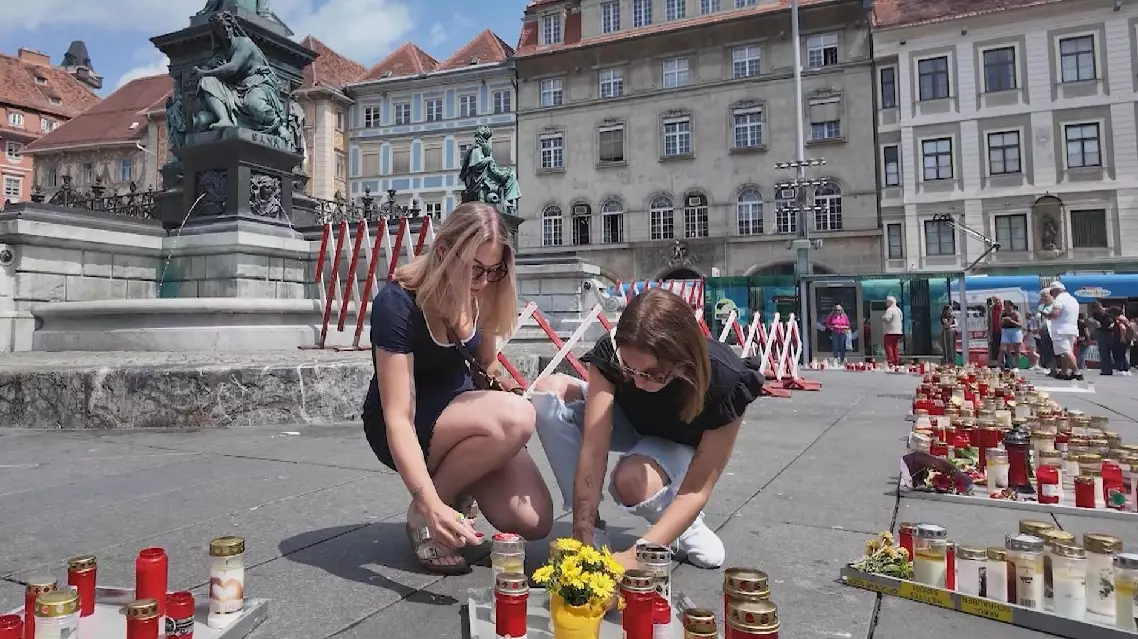
Austria observes 3-day national mourning after mass school shooting
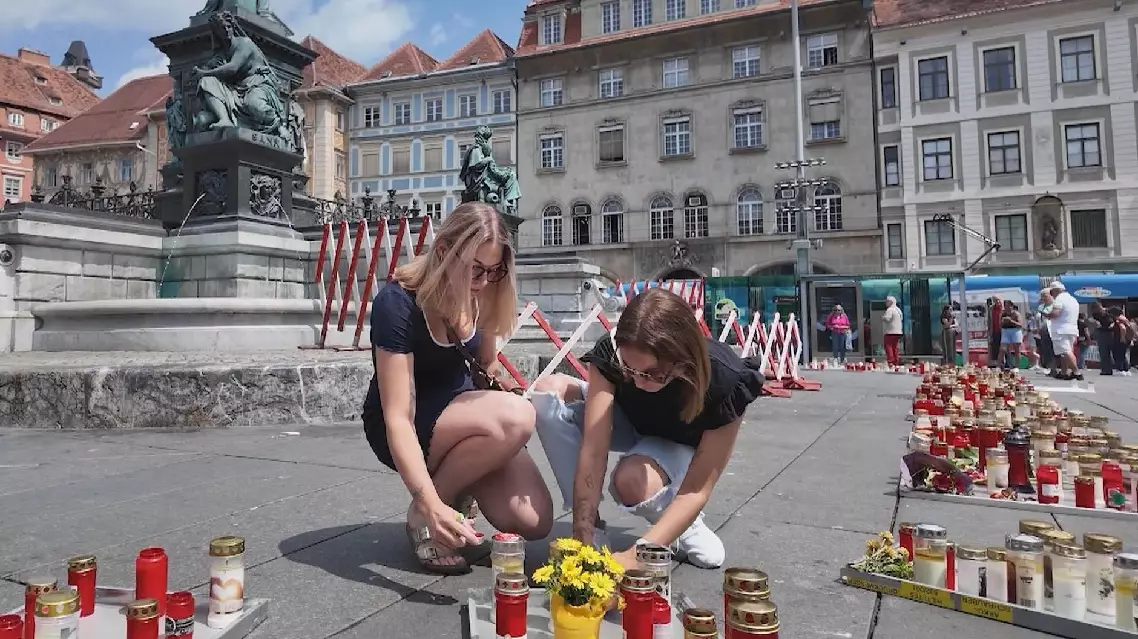
Austria observes 3-day national mourning after mass school shooting
Nicaragua's co-foreign minister Valdrack Jaentschke has warned that militarism must never be allowed to rise again, as Japan's recent moves to lift its arms export ban and revise the pacifist Constitution continue to draw international concern.
This year marks the 80th anniversary of the opening of the Tokyo Trials, where Japan's Class-A war criminals from World War II were brought to justice.
In an interview with China Global Television Network (CGTN), Valdrack Jaentschke voiced his concern that today's world order is being undermined by interventionism and other challenges.
"It is necessary for us to remember that after the end of World War II, countries worked hard to build a new international order based on international law. However, regrettably, more than 80 years later, we are seeing that this once explored and attempted order is being challenged by interventionism, a confrontational mindset, and tendencies like 'might makes right.' These are precisely the conditions that gave rise to fascism and militarism in the past, which ultimately led to the tragedy of World War II," he said.
He said the international community has a responsibility to pursue a new international order -- one fundamentally grounded in peace.
"Looking back at the history more than eight decades ago and comparing it with today's reality, it is our responsibility to recognize that the world should, and must, build a new international order that is more just, fairer, rooted in international law, based on a logic of mutual benefit and shared success, and fundamentally grounded in peace," said the minister.
"Today, as we revisit the Tokyo Trials, it is meant to remind the world that such a tragedy must never be repeated -- and that we must do everything in our power to prevent it from happening again. We must stop that dark world -- born from militarism, interventionism, and fascism -- from ever returning," he said.
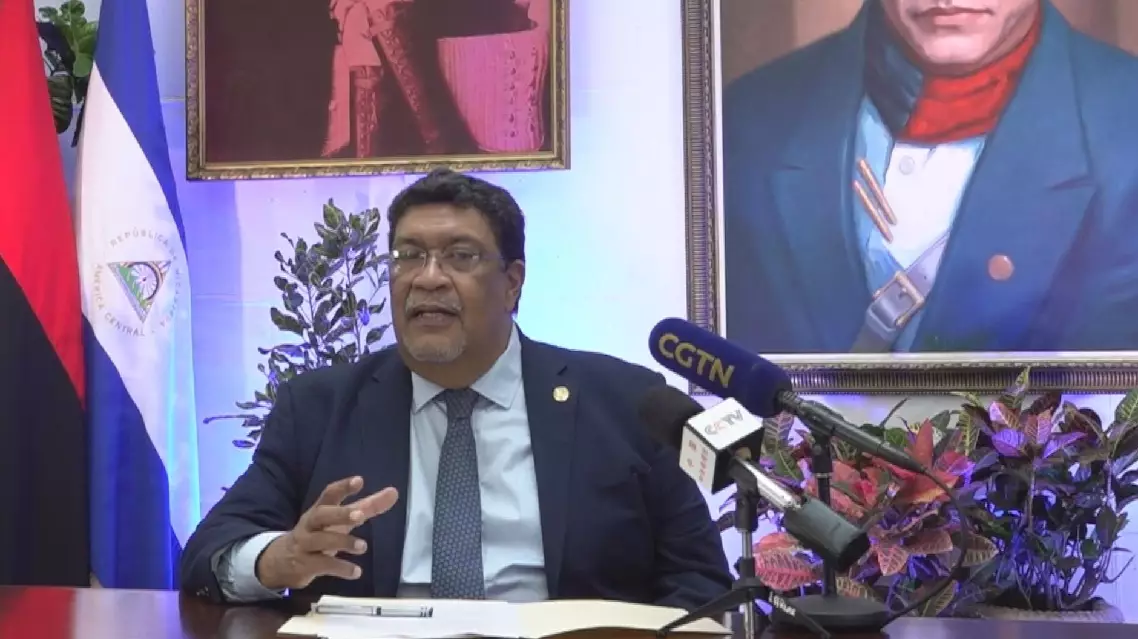
Nicaraguan FM warns of militarism revival