At the invitation of President of the Republic of Kazakhstan Kassym-Jomart Tokayev, President Xi Jinping will attend the second China-Central Asia Summit in Astana from June 16 to 18, a Foreign Ministry spokesperson announced on Friday.
The first China-Central Asia Summit was held in Xi'an, the provincial capital of Shaanxi in northwest China, in May 2023. It concluded with the Xi'an Declaration, saying that a mechanism for meetings among the heads of state of China and Central Asian countries has been officially established.
Click to Gallery
Xi to attend 2nd China-Central Asia Summit in Astana
Xi to attend 2nd China-Central Asia Summit in Astana
Xi to attend 2nd China-Central Asia Summit in Astana
Xi to attend 2nd China-Central Asia Summit in Astana
The declaration stated that the summit is held every two years alternately in China on the one side, and in one of the Central Asian countries in alphabetical order on the other side.
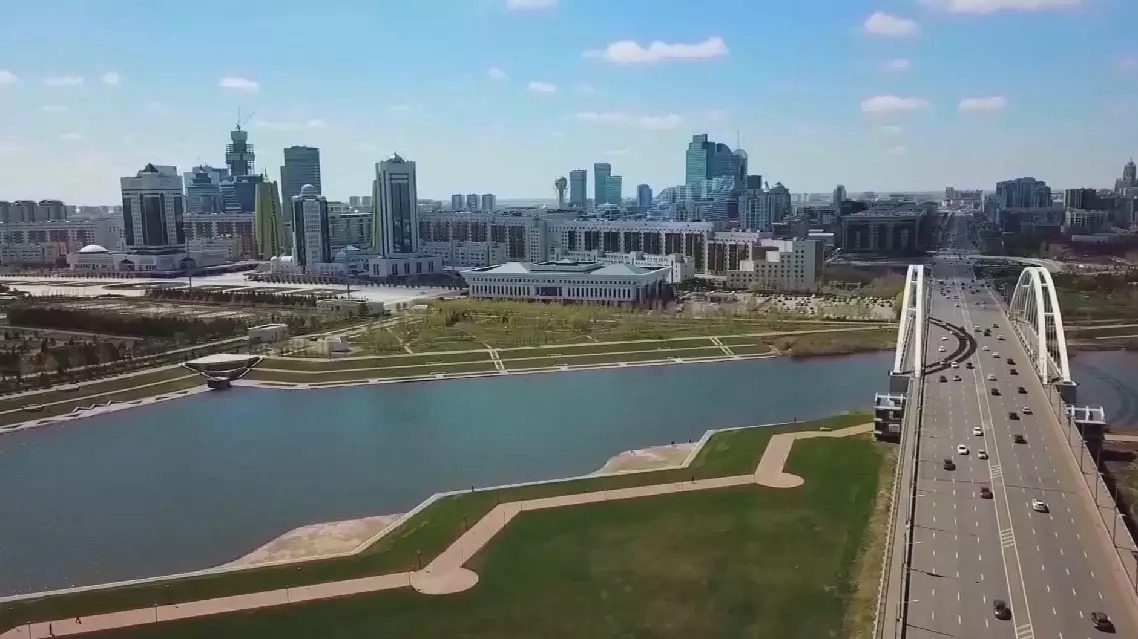
Xi to attend 2nd China-Central Asia Summit in Astana
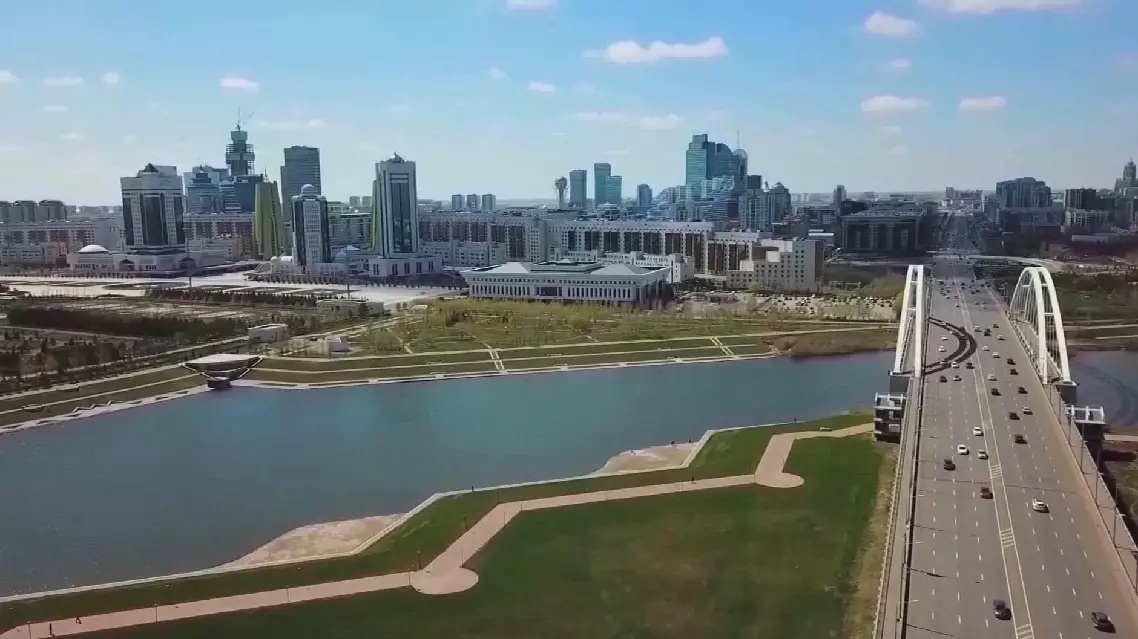
Xi to attend 2nd China-Central Asia Summit in Astana
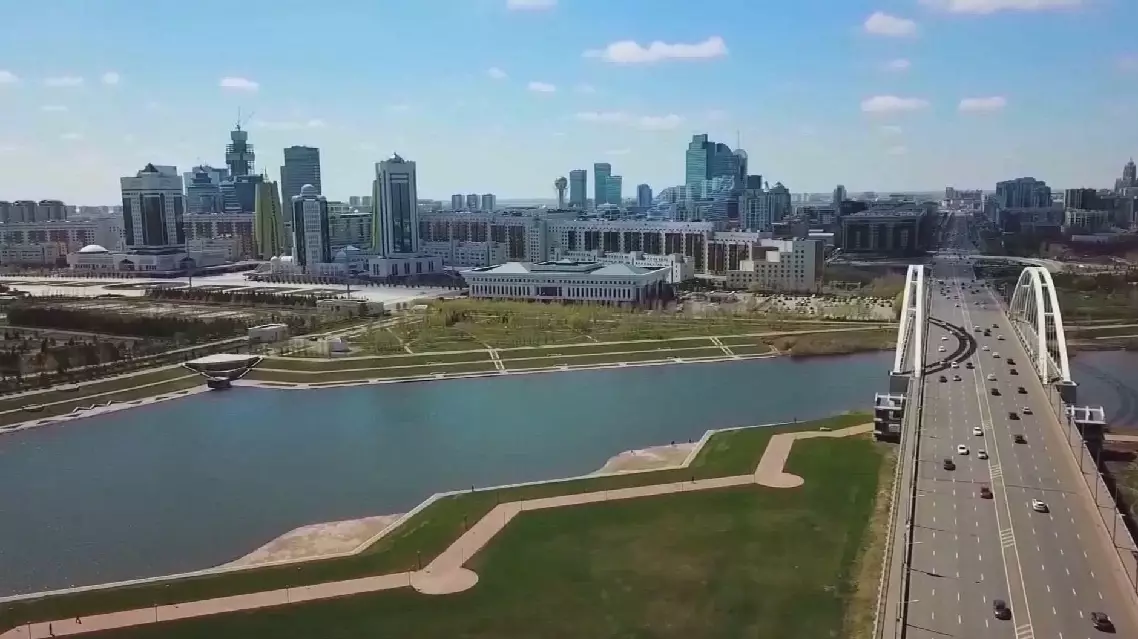
Xi to attend 2nd China-Central Asia Summit in Astana
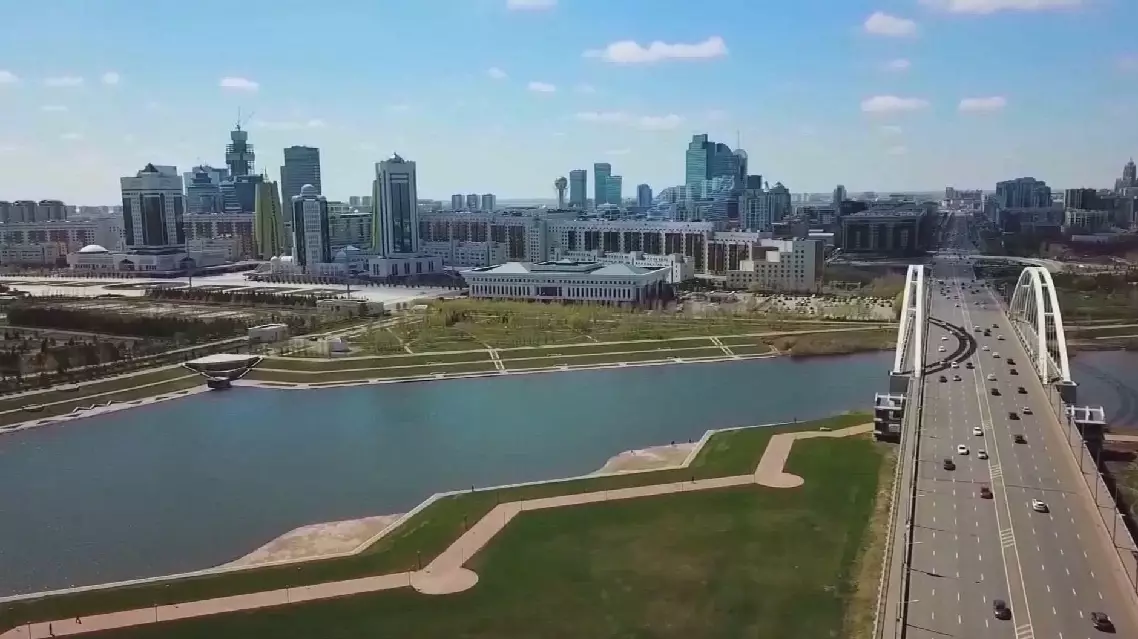
Xi to attend 2nd China-Central Asia Summit in Astana
Washington's assertive moves, from attacks on Venezuela to threats against Iran and Greenland, reflect the final outburst of a declining unipolar order and may encourage countries in the Global South to band together as uncertainty grows, said American University history professor Anton Fedyashin.
U.S. President Donald Trump's policy agenda has drawn widespread criticism from governments around the world, as Latin American governments condemn the kidnapping of Venezuelan President Nicolas Maduro, and the European Union sharply rejects Trump's claims on Greenland, a territory of Denmark.
In a recent interview with China Global Television Network (CGTN), Fedyashin said that the U.S. president's brazen actions signal an impending end to America's excessive global influence.
"I think we are entering a period of global fragmentation, and that we are certainly entering a period when American hegemony is in relative decline. And I think that Donald Trump, by the way, is a manifestation. It's the 'extinction burst' of American hegemony, of the unipolar moment," he said.
Fedyashin predicted that stronger cooperation among Global South nations will become increasingly urgent as countries seek new pathways to accelerate development amid the renewed uncertainties from the U.S.
"What I think is more likely to start happening is that countries around the world will start banding together, in order to protect themselves against the United States, and against the West and whatever other outside actors there are. The world, the members of the Global South will start looking for alternatives to Western-dominated organizations, both economically and from the point of view of security. So I think that if the United States continues to be so unpredictable and aggressive, that the Global South, at least, will start coming together," said the historian.
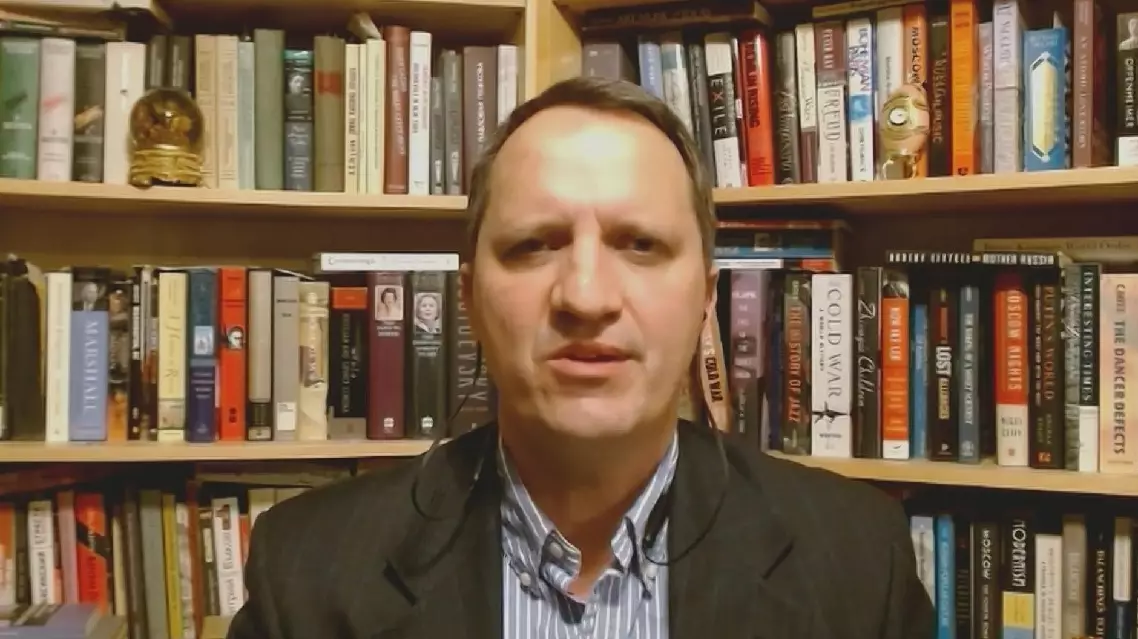
US aggression signals hegemony faces "extinction burst": historian