As a key transportation hub of the China-Europe railway freight service, the Xi'an International Port Station in the northwestern Chinese province of Shaanxi has stood witness to the growing trade relations between China and Central Asia countries.
During the harvest season every year, kiwi fruits fresh from the orchards across Yangling District in Xianyang City are being packaged at local warehouses, transported by lorries to the Xi'an Port, and shipped by cargo trains to Central Asia via the China-Europe Railway Express line.
Official data showed that in 2024, Shaanxi's agricultural product exports reached 6.59 billion yuan (about 920 million U.S. dollars), with kiwis, pears and apples ranking as the top three varieties of fruits in export value nationwide.
"The China-Europe Railway Express has cut fruit transportation time from 10 days to 7 and reduced costs by nearly a half," said Ren Jianshe, president of the Shaanxi Jinqiao Fruit Industry Co., Ltd, in a recent interview with the China Global Television Network (CGTN).
A student from Kyrgyzstan whose Chinese name is Fei Yang has been pursuing her studies at the Northwest Agriculture and Forestry University in Shaanxi. During a recent tour of a local kiwi orchard in Xianyang, she witnessed how freshly picked kiwi fruits were processed and packaged before being moving on board freight trains linking Xi'an to Central Asian countries.
"The fruit production here is on a large scale, and the logistics are very efficient. After graduation, I hope to work in trade and help transport more high-quality Chinese products to my hometown through the China-Europe Railway Express," she told CGTN.
A newly opened rail terminal for freight between Xi'an and Kazakhstan plays a central role in bringing Shaanxi's fruits to the Kazakh market. The terminal, covering nearly 50 hectares in the Xi'an Port and mainly consisting of cargo warehouses and container storage areas, has been operational since February 2024.
And through the China-Europe Railway Express, the transportation time for fresh fruits has been cut from about 40 days to just 14 days.
"I believe that enhancing logistics infrastructure and boosting the capacity and efficiency of cross-border transport corridors are key to advancing trade between our two countries," said Seitzhanov Mukhamezhan, manager of the China-Kazakhstan (Xi'an) Trade and Logistics Co., Ltd.
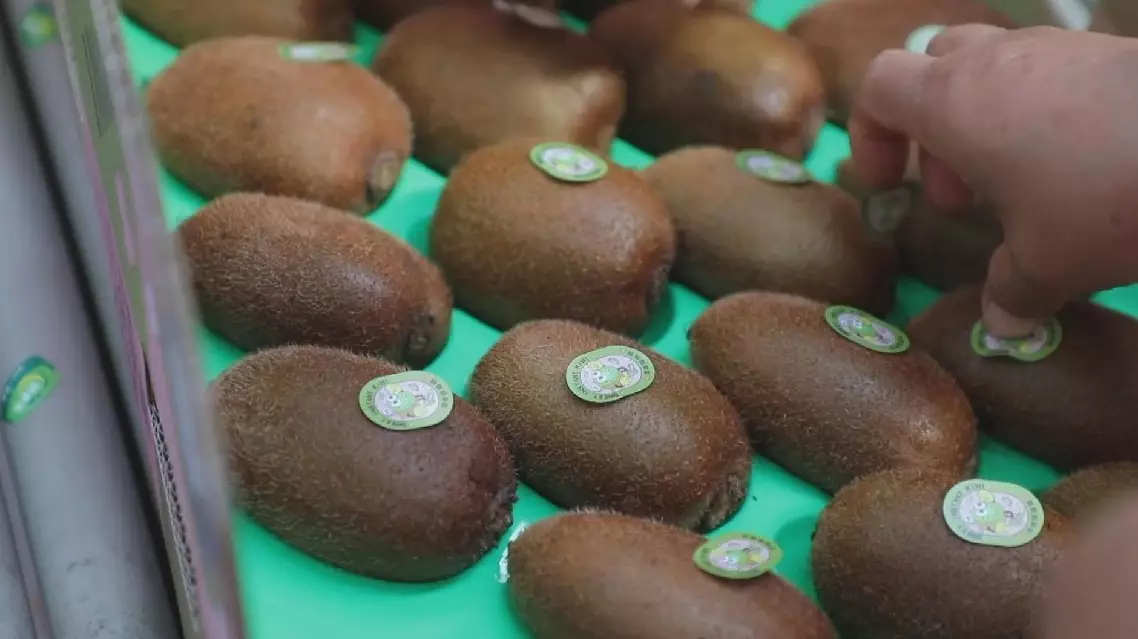
Xi'an Port stands witness to booming China-Central Asia trade
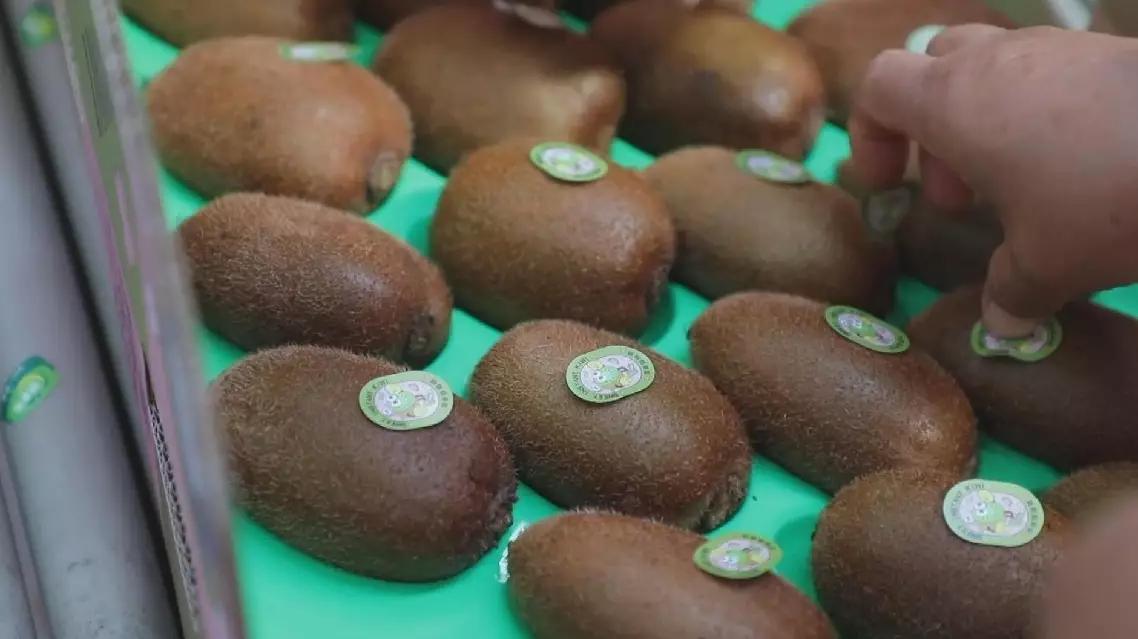
Xi'an Port stands witness to booming China-Central Asia trade