NEW YORK--(BUSINESS WIRE)--Jun 16, 2025--
Tamboran Resources Corporation (NYSE: TBN, ASX: TBN):
Click to Gallery
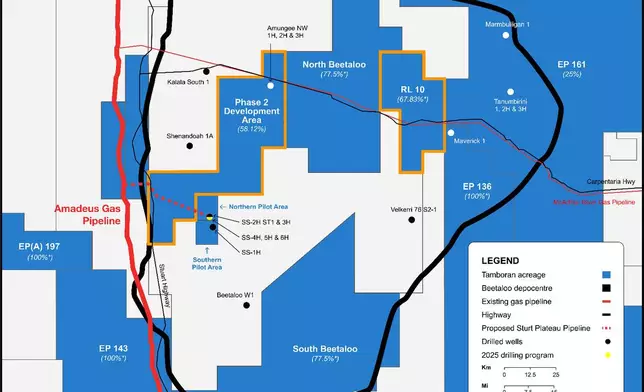
Figure 4: Tamboran’s Beetaloo Basin asset location map
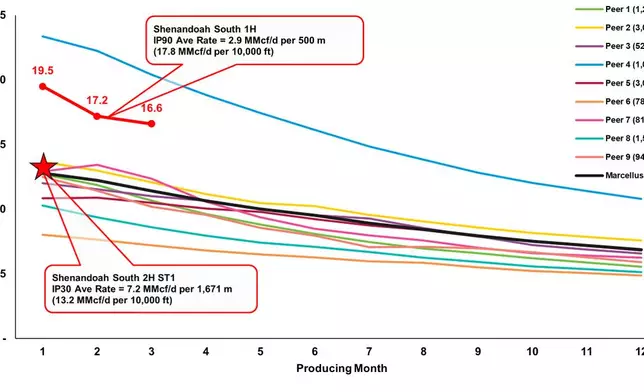
Figure 3: Flow tests from Beetaloo Basin wells at Shenandoah South compared to wells drilled in the Marcellus Shale in the dry gas area. SS-2H ST1 aligns with average IP30 rates from more than 11,000 well data set. Note: SS-1H initial 90-day and SS-2H initial 30-day production plotted against average of wells within the Marcellus shale, grouped by operator, normalized to 10,000 ft lateral length. First month production for Marcellus based on first full calendar month of production; SS-1H and SS-2H ST1 wells commenced testing following a “soaking” period of three weeks and ~60 days respectively. SS-1H average 90-day gas rate of 2.9 MMcf/d for 500-metres (~1,640 ft) stimulated lateral length normalized to 10,000 ft, shown in red. SS-2H average 30-day gas rate of 7.2 MMcf/d for 1,671-metres (~5,483 ft) stimulated lateral length normalized to 10,000 ft, shown by red star. Marcellus comparison includes 11,452 wells with minimum 12 months of production from the following operators: Antero Resources, Expand, CNX Resources, Coterra Energy, EQT, HG Energy, Olympus Energy, Range Resources, and Repsol. Marcellus Production Data Source: Enverus Prism FoundationsTM Forecast Analytics (Data accessed June 12, 2025).
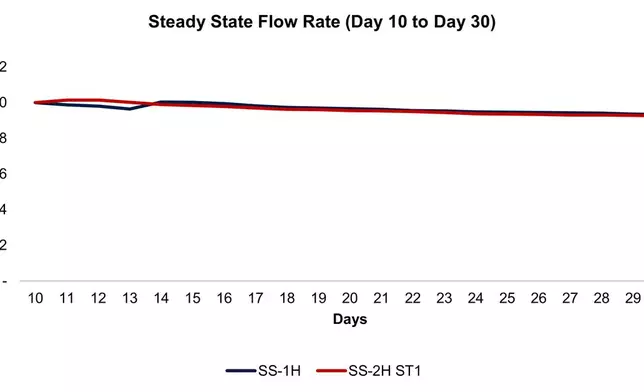
Figure 2: Steady state decline of SS-2H ST1 from Day 10 replicates the decline of the SS-1H well demonstrating shallow decline and sustained reservoir pressure. Source: Company data
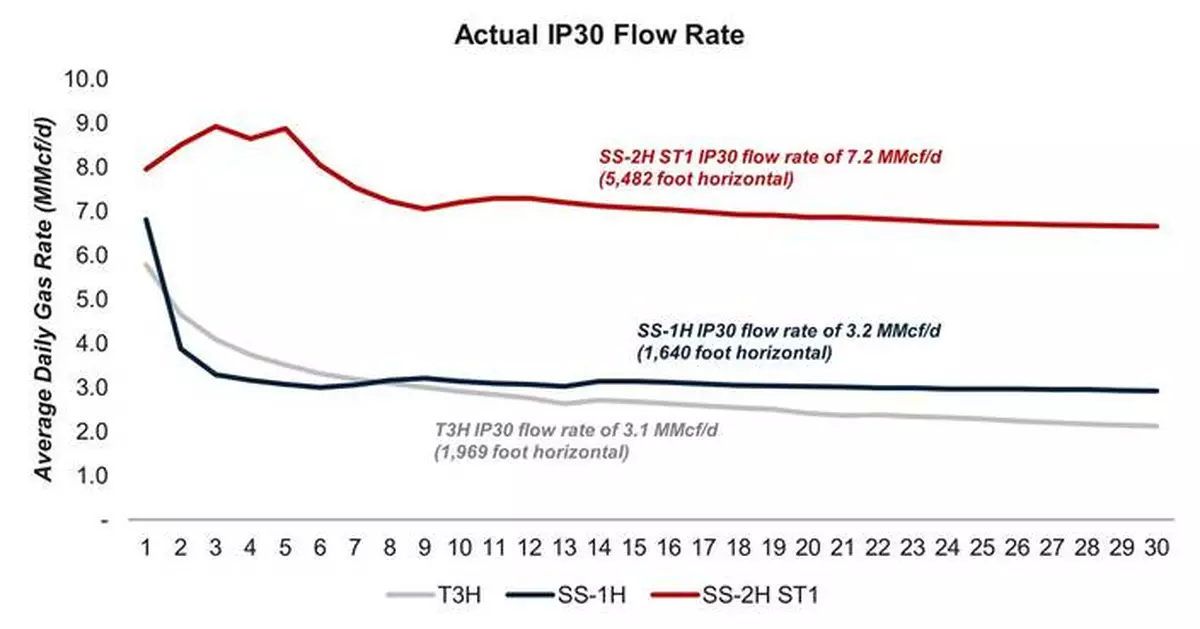
Figure 1: The SS-2H ST1 flow rates achieved a material step-up in IP30 rates as testing increases to longer lateral sections. Source: Company data
This press release features multimedia. View the full release here: https://www.businesswire.com/news/home/20250616242684/en/
Tamboran Resources Corporation Chief Executive Officer, Joel Riddle, said:
“The Shenandoah South 2H sidetrack well has delivered a record average IP30 flow result of 7.2 MMcf/d from the Beetaloo Basin to date. Results show a material step up in flow rate from a horizontal section stimulated approximately three times longer than the SS-1H well.
“The IP30 flow rate over a 5,482-foot horizontal section is another positive data point that demonstrates potential commercial productivity of the shale formation in the Australian East Coast gas market that typically sells at a premium to Henry Hub in the US and under long term CPI-linked contracts.
“Importantly, the results from SS-2H ST1 are in-line with the average of more than 11,000 wells produced for over 12-months in the Marcellus Shale dry gas area, the most prolific shale gas basin in the world.
“At the end of the 30-day period, the well continues to experience steady flow performance, low decline rates and favorable wellhead pressures, which underscore the reliability and scalability of our operations.
“Importantly, Tamboran continues to bring key lessons from the US to accelerate the commercial development of the Beetaloo Basin. We have already delivered an impressive improvement in drilling efficiency and stimulation intensity in the first two wells of the Shenandoah South area.
“Lessons from the completion and flow back of the SS-2H ST1 well will be incorporated into the design of the remaining four wells required to deliver first gas sales in mid-2026, subject to standard regulatory and stakeholder approvals. SS-2H ST1 is another foundation well, that demonstrates the Beetaloo Basin has characteristics similar to wells drilled across the Marcellus dry gas area. We believe, like in the US, with more well results and incorporation of lessons we can improve and deliver this world-scale energy resource.”
Shenandoah South 2H ST1 flow results
The SS-2H ST1 well in Tamboran B2-operated Exploration Permit (EP) 98 achieved average IP30 flow rates of 7.2 MMcf/d following the 35-stage stimulation program across a 5,483 feet (1,671 metres) lateral section in the Mid Velkerri B Shale.
During the 30-day production testing period, the choke was opened from 10/64” to 40/64” at staged intervals. Gas rates declined from 10.4 MMcf/d to 6.6 MMcf/d, with an average IP30 flow rate of 7.2 MMcf/d and cumulative production of 217.2 MMcf over that period. Flowing wellhead pressures were drawn down from 4,565 to 906 psi.
Table 1: Breakdown of the SS-2H ST1 IP30 flow result
Ongoing Shenandoah South development activity
Tamboran plans to commence the 2025 Shenandoah South drilling program in July 2025. The program includes drilling three wells, each with a 10,000-foot horizontal section and completed with up to 60 stimulation stages, subject to joint venture approval.
The SS-3H well is planned to be completed and flow tested by the end of 2025, with the remaining three wells drilled in the 2025 campaign to be completed during 1H 2026. Completion of the remaining four wells will incorporate lessons from the SS-1H and SS-2H ST1 wells. The wells are expected to be tied into the SPCF ahead of the commencement of production in mid-2026 and supply gas sales to the Northern Territory Government under a take-or-pay GSA, subject to standard regulatory and stakeholder approvals and favorable weather conditions.
The five wells are expected to deliver the required 40 MMcf/d volume under the take-or-pay agreement with the Northern Territory Government. The GSA with Tamboran is a significant contract for the Northern Territory given the high reliance on gas for power generation.
Falcon Oil & Gas Australia Limited have elected not to participate in the 2025 Shenandoah South drilling program. As a result, the work program will be equally funded by Tamboran and Daly Waters Energy, LP.
Webcast details
Managing Director and Chief Executive Officer, Joel Riddle will hold a webcast on 8:00am EDT (New York) (10:00pm AEST, Sydney, Melbourne) on Monday June 16, 2025.
Details for the webcast can be found on Tamboran’s website at https://ir.tamboran.com/
Tamboran net prospective acres across the Beetaloo Basin assets
Working Interests – Phase 2 Development Area
Working Interests – Proposed RL10
Working Interests – Remaining Tamboran owned Ex-EP 76, 98 and 117 acreage
This ASX announcement was approved and authorised for release by Joel Riddle, the Chief Executive Officer of Tamboran Resources Corporation.
About Tamboran Resources Corporation
Tamboran Resources Corporation (“Tamboran” or the “Company”), through its subsidiaries, is the largest acreage holder and operator with approximately 1.9 million net prospective acres in the Beetaloo Sub-basin within the Greater McArthur Basin in the Northern Territory of Australia.
Tamboran’s key assets include a 47.5% operating interest over 20,309 acres in the proposed northern Pilot Area, a 38.75% non-operating interest over 20,309 acres in the proposed southern Pilot Area, a 58.13% operating interest in the proposed Phase 2 development area covering 406,693 acres, a 67.83% operated interest over 219,030 acres in a proposed Retention License 10, a 77.5% operating interest across 1,487,418 acres over ex-EPs 76, 98 and 117, a 100% working interest and operatorship in EP 136 and a 25% non-operated working interest in EP 161, which are all located in the Beetaloo Basin.
The Company has also secured ~420 acres (170 hectares) of land at the Middle Arm Sustainable Development Precinct in Darwin, the location of Tamboran’s proposed NTLNG project. Pre-FEED activities are being undertaken by Bechtel Corporation.
Disclaimer
Tamboran makes no representation, assurance or guarantee as to the accuracy or likelihood of fulfilment of any forward-looking statement or any outcomes expressed or implied in any forward-looking statement. The forward-looking statements in this report reflect expectations held at the date of this document. Except as required by applicable law or the ASX Listing Rules, Tamboran disclaims any obligation or undertaking to publicly update any forward-looking statements, or discussion of future financial prospects, whether as a result of new information or of future events.
The information contained in this announcement does not take into account the investment objectives, financial situation or particular needs of any recipient and is not financial product advice. Before making an investment decision, recipients of this announcement should consider their own needs and situation and, if necessary, seek independent professional advice. To the maximum extent permitted by law, Tamboran and its officers, employees, agents and advisers give no warranty, representation or guarantee as to the accuracy, completeness or reliability of the information contained in this presentation. Further, none of Tamboran nor its officers, employees, agents or advisers accept, to the extent permitted by law, responsibility for any loss, claim, damages, costs or expenses arising out of, or in connection with, the information contained in this announcement.
Note on Forward-Looking Statements
This press release contains “forward-looking” statements related to the Company within the meaning of Section 21E of the Securities Exchange Act of 1934, as amended (the “Exchange Act”) and Section 27A of the Securities Act of 1933, as amended. Forward-looking statements reflect the Company’s current expectations and projections about future events at the time, and thus involve uncertainty and risk. The words “believe,” “expect,” “anticipate,” “will,” “could,” “would,” “should,” “may,” “plan,” “estimate,” “intend,” “predict,” “potential,” “continue,” “participate,” “progress,” “conduct” and the negatives of these words and other similar expressions generally identify forward-looking statements.
It is possible that the Company’s future financial performance may differ from expectations due to a variety of factors, including but not limited to: our early stage of development with no material revenue expected until 2026 and our limited operating history; the substantial additional capital required for our business plan, which we may be unable to raise on acceptable terms; our strategy to deliver natural gas to the Australian East Coast and select Asian markets being contingent upon constructing additional pipeline capacity, which may not be secured; the absence of proved reserves and the risk that our drilling may not yield natural gas in commercial quantities or quality; the speculative nature of drilling activities, which involve significant costs and may not result in discoveries or additions to our future production or reserves; the challenges associated with importing U.S. practices and technology to the Northern Territory, which could affect our operations and growth due to limited local experience; the critical need for timely access to appropriate equipment and infrastructure, which may impact our market access and business plan execution; the operational complexities and inherent risks of drilling, completions, workover, and hydraulic fracturing operations that could adversely affect our business; the volatility of natural gas prices and its potential adverse effect on our financial condition and operations; the risks of construction delays, cost overruns, and negative effects on our financial and operational performance associated with midstream projects; the potential fundamental impact on our business if our assessments of the Beetaloo are materially inaccurate; the concentration of all our assets and operations in the Beetaloo, making us susceptible to region-specific risks; the substantial doubt raised by our recurring operational losses, negative cash flows, and cumulative net losses about our ability to continue as a going concern; complex laws and regulations that could affect our operational costs and feasibility or lead to significant liabilities; community opposition that could result in costly delays and impede our ability to obtain necessary government approvals; exploration and development activities in the Beetaloo that may lead to legal disputes, operational disruptions, and reputational damage due to native title and heritage issues; the requirement to produce natural gas on a Scope 1 net zero basis upon commencement of commercial production, with internal goals for operational net zero, which may increase our production costs; the increased attention to ESG matters and environmental conservation measures that could adversely impact our business operations; risks related to our corporate structure; risks related to our common stock and CDIs; and the other risk factors discussed in the this report and the Company’s filings with the Securities and Exchange Commission.
It is not possible to foresee or identify all such factors. Any forward-looking statements in this document are based on certain assumptions and analyses made by the Company in light of its experience and perception of historical trends, current conditions, expected future developments, and other factors it believes are appropriate in the circumstances. Forward-looking statements are not a guarantee of future performance and actual results or developments may differ materially from expectations. While the Company continually reviews trends and uncertainties affecting the Company’s results of operations and financial condition, the Company does not assume any obligation to update or supplement any particular forward-looking statements contained in this document.
Table 2: Disclosures under ASX Listing Rule 5.30 (Shenandoah South 2H ST1)
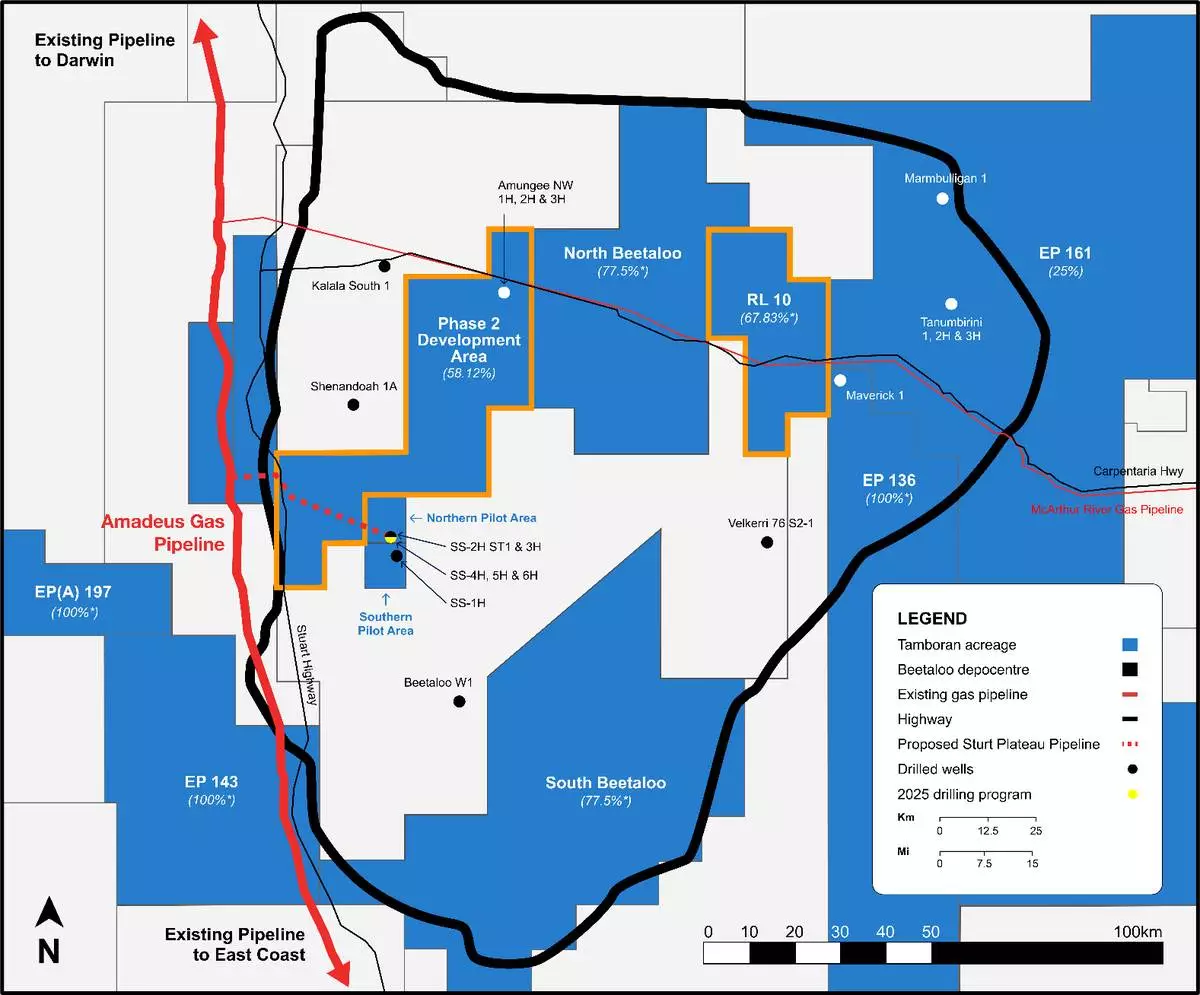
Figure 4: Tamboran’s Beetaloo Basin asset location map
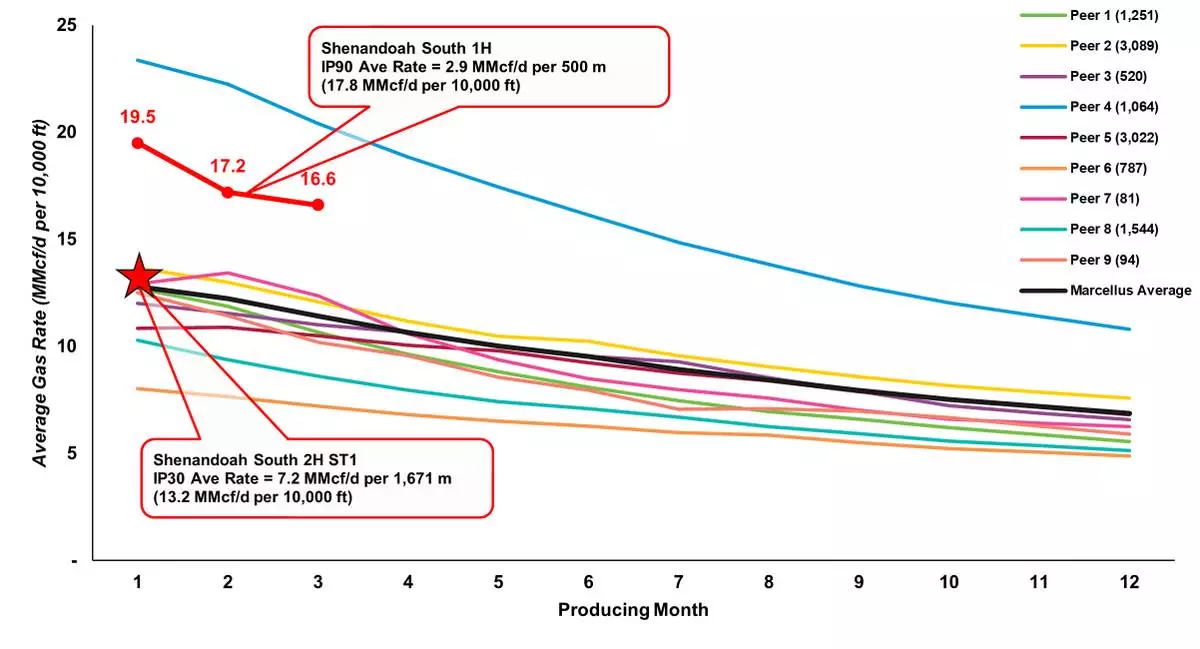
Figure 3: Flow tests from Beetaloo Basin wells at Shenandoah South compared to wells drilled in the Marcellus Shale in the dry gas area. SS-2H ST1 aligns with average IP30 rates from more than 11,000 well data set. Note: SS-1H initial 90-day and SS-2H initial 30-day production plotted against average of wells within the Marcellus shale, grouped by operator, normalized to 10,000 ft lateral length. First month production for Marcellus based on first full calendar month of production; SS-1H and SS-2H ST1 wells commenced testing following a “soaking” period of three weeks and ~60 days respectively. SS-1H average 90-day gas rate of 2.9 MMcf/d for 500-metres (~1,640 ft) stimulated lateral length normalized to 10,000 ft, shown in red. SS-2H average 30-day gas rate of 7.2 MMcf/d for 1,671-metres (~5,483 ft) stimulated lateral length normalized to 10,000 ft, shown by red star. Marcellus comparison includes 11,452 wells with minimum 12 months of production from the following operators: Antero Resources, Expand, CNX Resources, Coterra Energy, EQT, HG Energy, Olympus Energy, Range Resources, and Repsol. Marcellus Production Data Source: Enverus Prism FoundationsTM Forecast Analytics (Data accessed June 12, 2025).
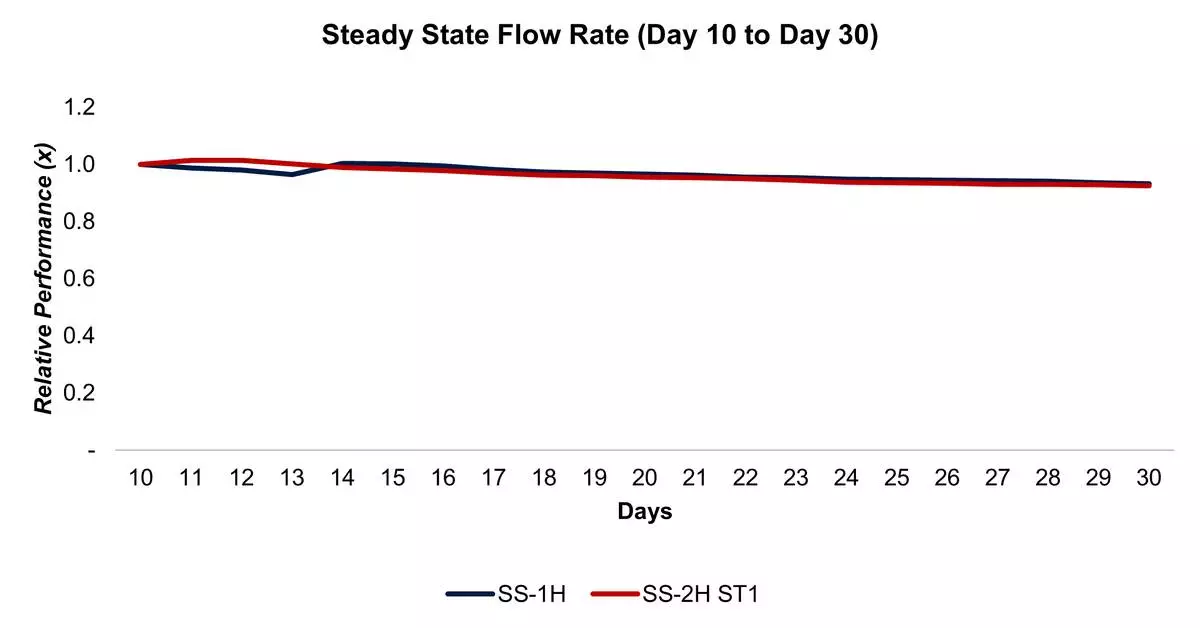
Figure 2: Steady state decline of SS-2H ST1 from Day 10 replicates the decline of the SS-1H well demonstrating shallow decline and sustained reservoir pressure. Source: Company data
Figure 1: The SS-2H ST1 flow rates achieved a material step-up in IP30 rates as testing increases to longer lateral sections. Source: Company data