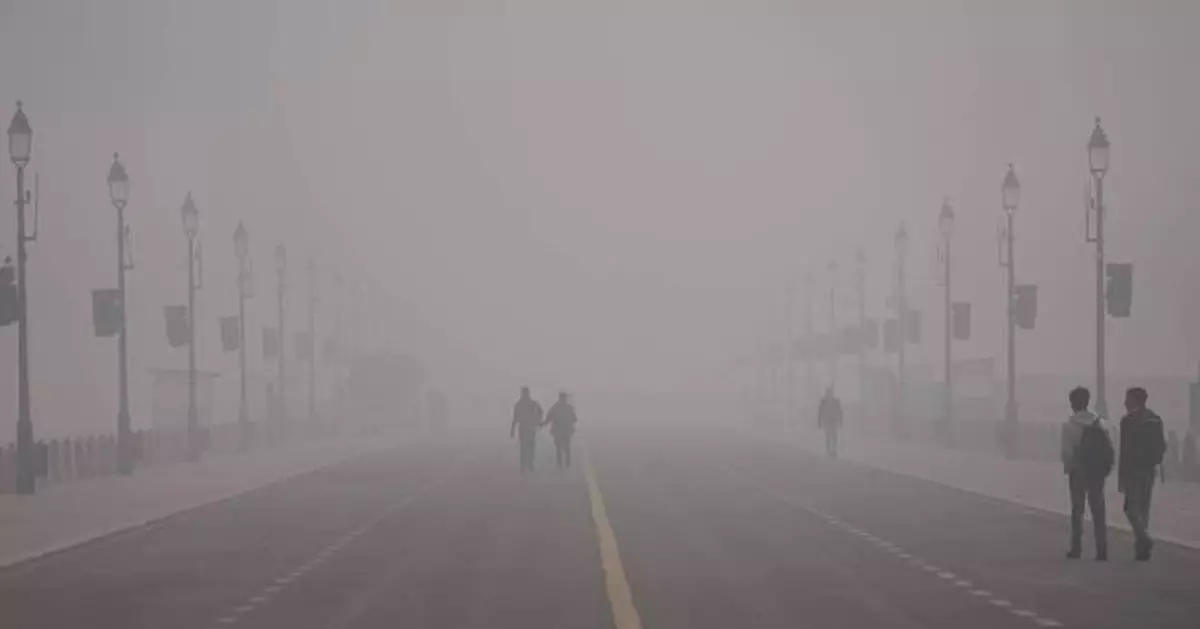
NEW DELHI (AP) — Dense toxic smog blanketed India’s capital on Monday, pushing air pollution levels to their worst levels in weeks, disrupting travel and causing authorities to impose the strictest containment measures.
More than 40 flights were cancelled and several dozens delayed. Over 50 trains arriving and departing from New Delhi were delayed by several hours, authorities said.
Click to Gallery
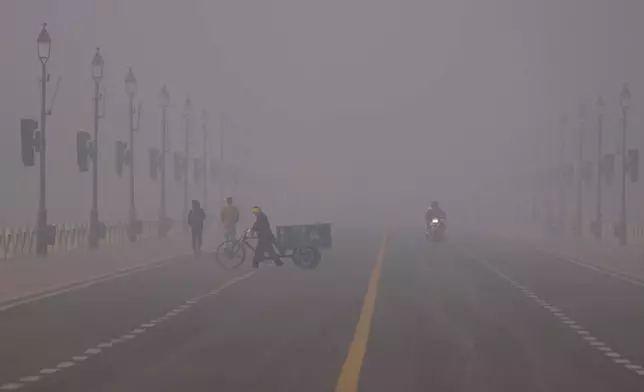
A man pushes a cycle cart in a smog-covered morning in New Delhi, India, Monday, Dec. 15, 2025. (AP Photo/Piyush Nagpal)
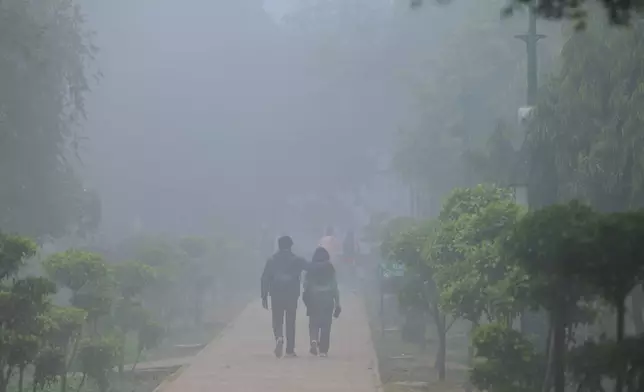
People walk through a public park in a dense smog-covered morning in New Delhi, India, Monday, Dec. 15, 2025. (AP Photo)
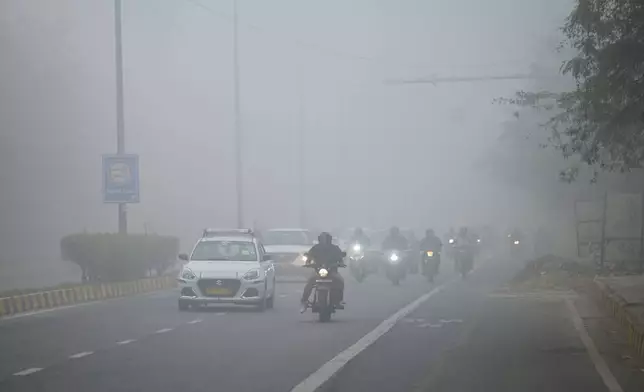
Traffic moves through dense smog in the morning in New Delhi, India, Monday, Dec. 15, 2025. (AP Photo)
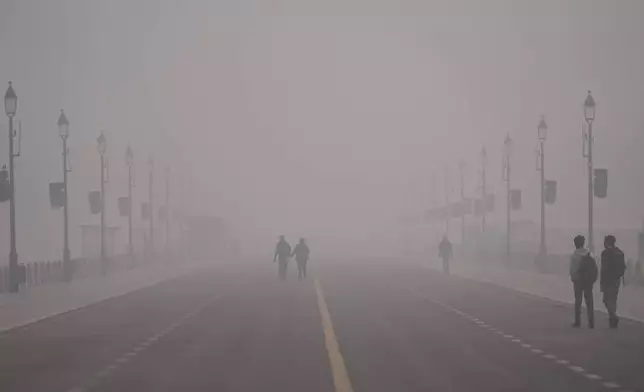
People walk in a smog-covered morning in New Delhi, India, Monday, Dec. 15, 2025. (AP Photo/Piyush Nagpal)
Healthcare experts warned residents to avoid all outdoor activities as hospitals reported an influx of patients with breathing difficulties and eye irritation.
“New Delhi is a gas chamber right now. Air purifiers can help only a bit, so it's high time the government comes up with some permanent solutions” said Naresh Dang, a physician at Max Healthcare.
Delhi’s air pollution levels have remained at what the federal government calls a “severe” level for the last two days, which the government says can cause respiratory effects to healthy people and seriously affect the health of people with heart or lung disease.
On Sunday, official index readings were over 450 at several monitoring stations, up from 430 on Saturday and the highest so far this winter season, as per data from Central Pollution Control Board. On Monday, it stood at 449.
Readings below 50 are considered good. During periods of severe air pollution, the government advises people to avoid going outdoors as much as possible and wear N95 masks when going outside. Children, pregnant women, elderly and people with pre-existing respiratory or cardiovascular conditions are at higher risk and officials advise them to be extra cautious.
“I have never seen this kind of pollution ever. Last year I came to Delhi, it was polluted. This year it is more polluted. I can feel the smoke while I breathe the air,” said Tiam Patel, a tourist.
To stem pollution, Indian authorities have banned construction activities and restricted use of diesel generators and cars. Water sprinklers have been deployed to control the haze. Schools and offices are allowing many students and workers to stay home.
But environmentalists say that the country's air pollution crisis requires long-term changes.
New Delhi and its surrounding region, home to more than 30 million people, routinely rank among the world’s most polluted. India has six of the world's 10 most polluted cities, and New Delhi is the most polluted national capital, according to a report from Switzerland-based air quality monitoring database IQAir earlier this year.
Air quality worsens in New Delhi every winter as farmers burn crop residue in nearby states and cooler temperatures trap the smoke, which mixes with pollution from vehicles, construction activity and industrial emissions. Pollution levels often reach 20 times higher than the World Health Organization’s safe limit.
But Vimlendu Jha, a Delhi based environmentalist, said that the air is not healthy even at other times of year.
“Delhi’s air doesn’t get cleaner at all, we only see it visibly from October to December, but the reality is that it remains polluted through the year,” he said.
Earlier this month, residents of New Delhi staged protests to express frustration and anger about the government's failure to address pollution.
A study last year by medical journal Lancet linked long term exposure to polluted air to 1.5 million additional deaths every year in India.
“Deaths related to air pollution are not being counted. And the reason why its not being counted is because there are no systematic mechanisms to do so,” said Shweta Narayan, a campaign lead at the Global Climate and Health Alliance.
Indian authorities in October carried out a controversial cloud-seeding experiment over smog-choked New Delhi to induce rainfall and clear the city’s toxic air. The experiment ended without rainfall.
Arasu reported from Bengaluru, India. AP video journalist Piyush Nagpal contributed to the report.
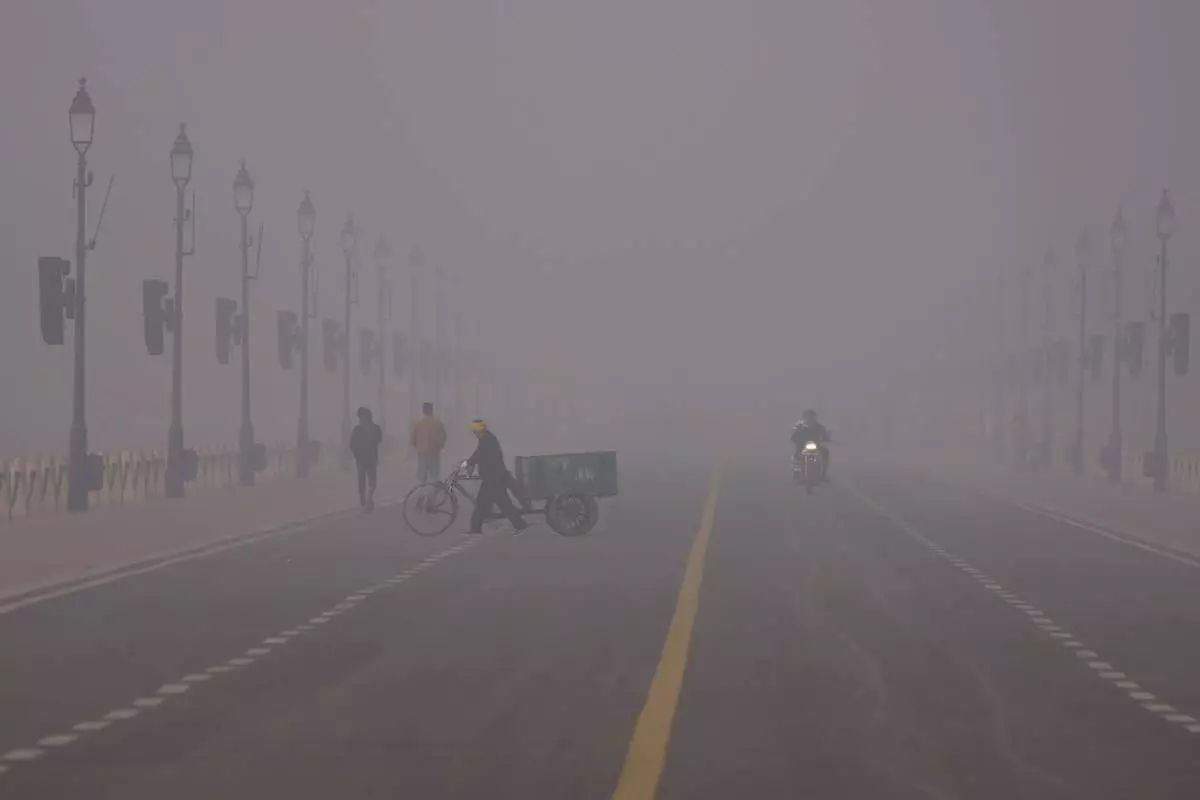
A man pushes a cycle cart in a smog-covered morning in New Delhi, India, Monday, Dec. 15, 2025. (AP Photo/Piyush Nagpal)
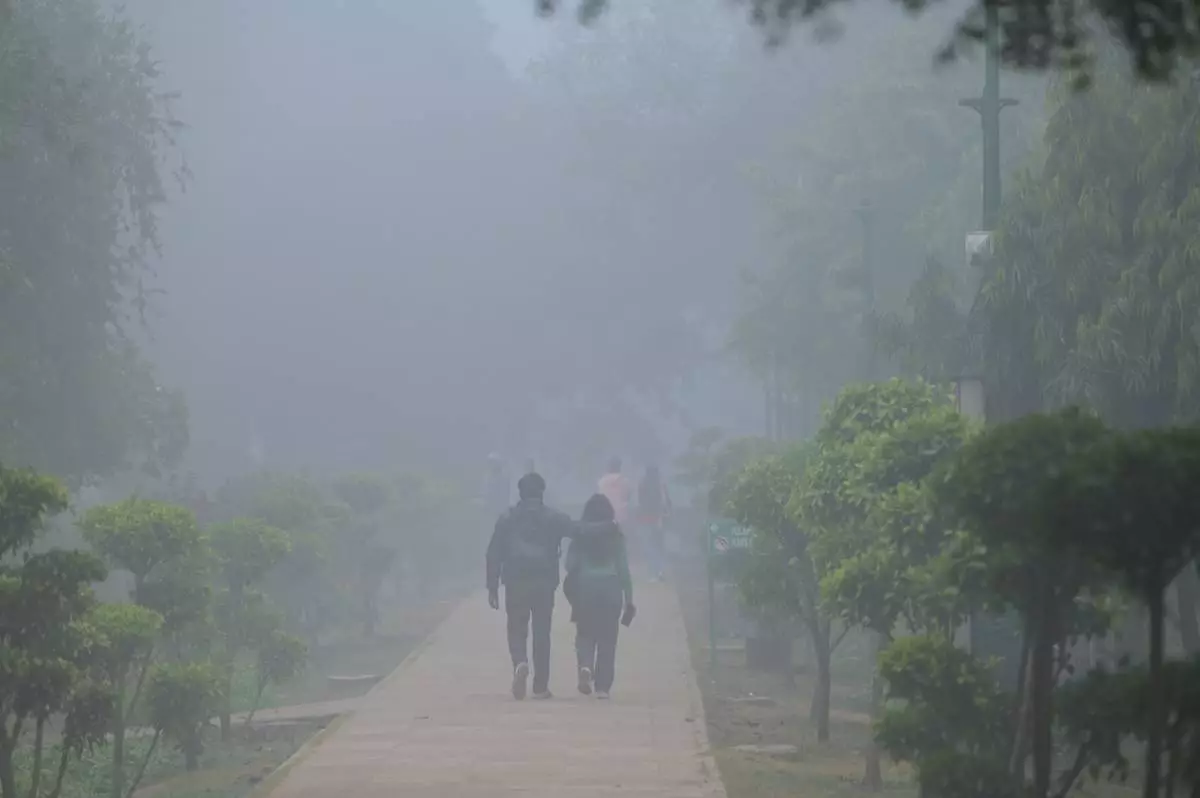
People walk through a public park in a dense smog-covered morning in New Delhi, India, Monday, Dec. 15, 2025. (AP Photo)
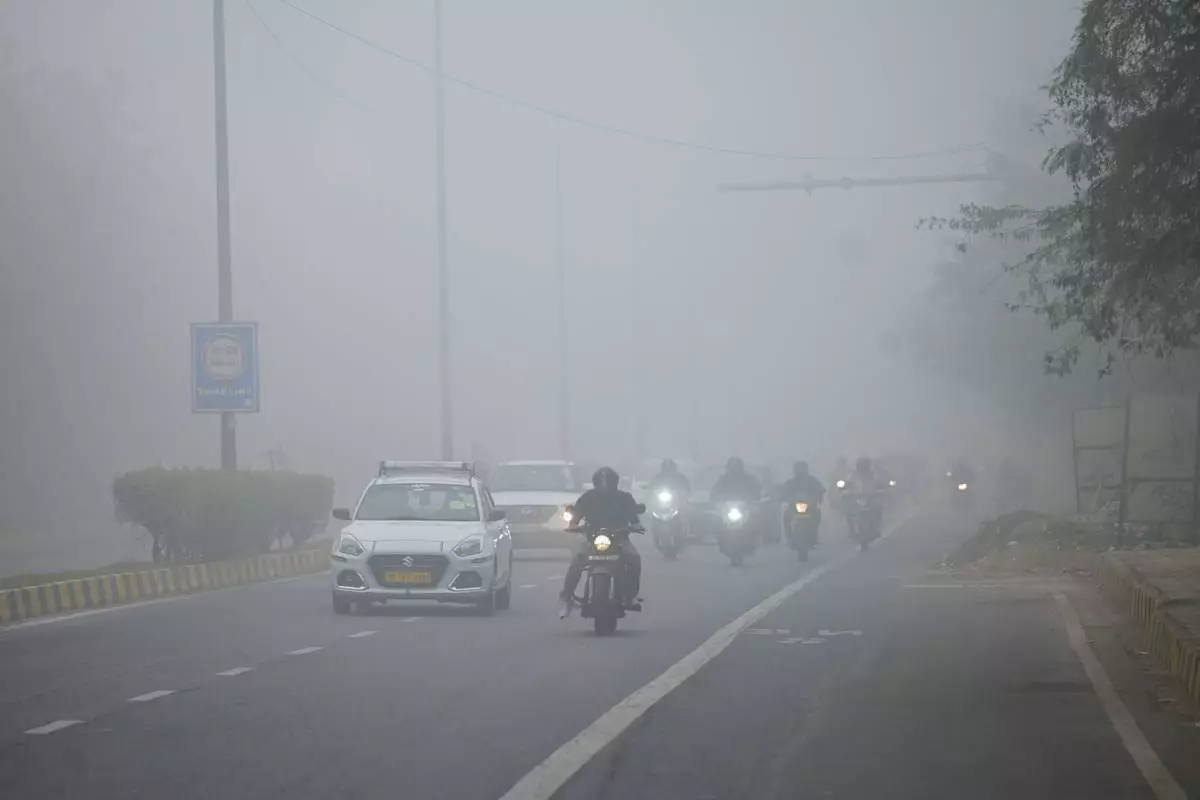
Traffic moves through dense smog in the morning in New Delhi, India, Monday, Dec. 15, 2025. (AP Photo)
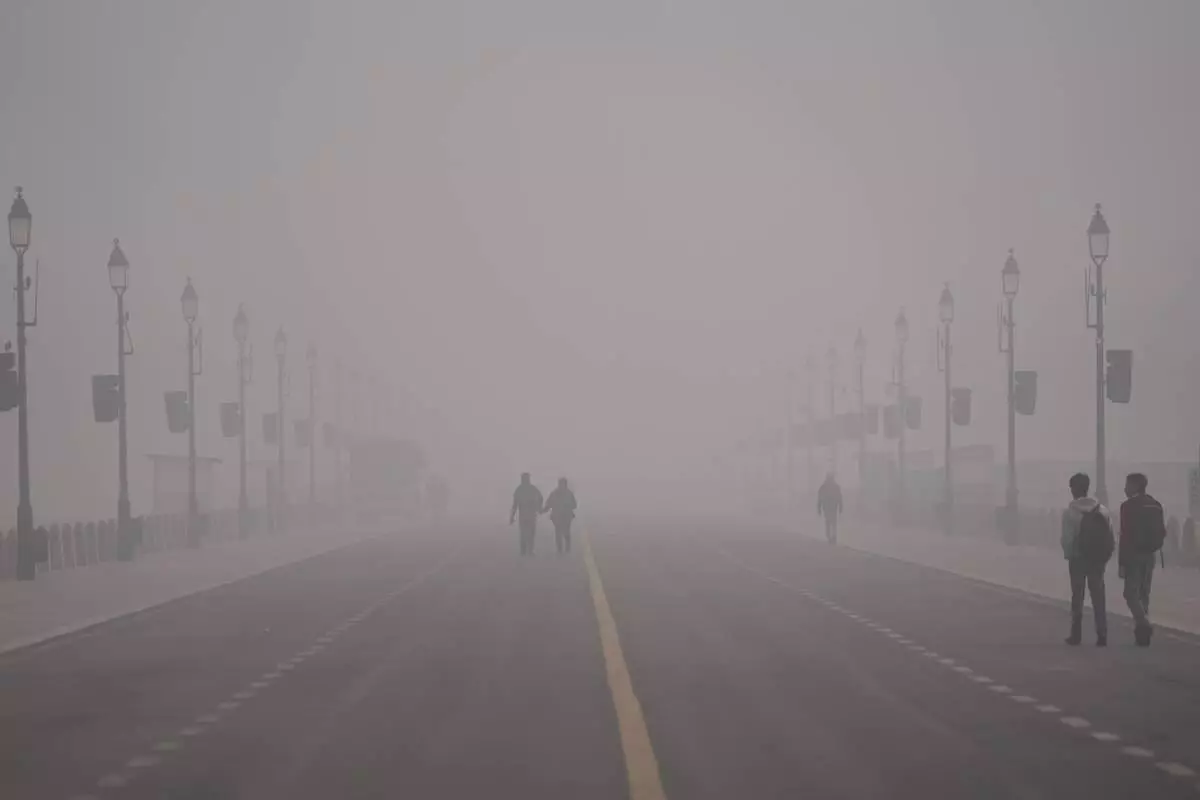
People walk in a smog-covered morning in New Delhi, India, Monday, Dec. 15, 2025. (AP Photo/Piyush Nagpal)