Egypt is implementing a large-scale initiative to transform the country's vast uninhabited desert area into productive farmland.
Egypt's population and agricultural land is mostly situated along the banks of the Nile, with the majority of the country a vast, uninhabited desert area which has continued expanding over the past decades.
To combat desertification, the government has launched a major project to turn over 6 million acres of desert into productive and sustainable farm land.
"We are using underground water. We also built desalination plants to provide water and are using smart irrigation technology and creating adaptable seeds. We have greenhouses that produce crops all year round. Egypt's agricultural production increased by 80 percent in the last few years, while many countries saw a drop in production because of climate change," said Tahsin Shoala, Head of the Environmental Biotechnology Department at Misr University for Science and Technology.
The Egyptian president Abedel Fattah El Sisi has highlighted the importance of the anti-desertification drive, but also acknowledged the high cost of the initiative.
According to the president, building the infrastructure alone to turn one acre of desert into arable land costs 200 to 300 thousand Egyptian pounds (around 3,990 to 5,985 U.S. dollars).
Many companies have contributed to this expensive endeavor, including Wadi El Nil, which grows fruits and vegetables for local and export markets.
"Once you are able to pinpoint the products that can resist the extreme weather conditions in the desert everything else will be easy. The underground water is the main source followed by Nile water. Potatoes, peanuts, onion, olive trees, palm trees, dates can all be cultivated in the desert because they can resist the extreme heat and sustain the drought," said Mohamed Ahmed, the company's CEO.
The company is using the latest agricultural technology to improve productivity in the tough desert conditions.
"Our technology works in two phases. We use solar energy to generate electricity for the water wells. We also updated technology for irrigation systems that will save water," said Ahmed.
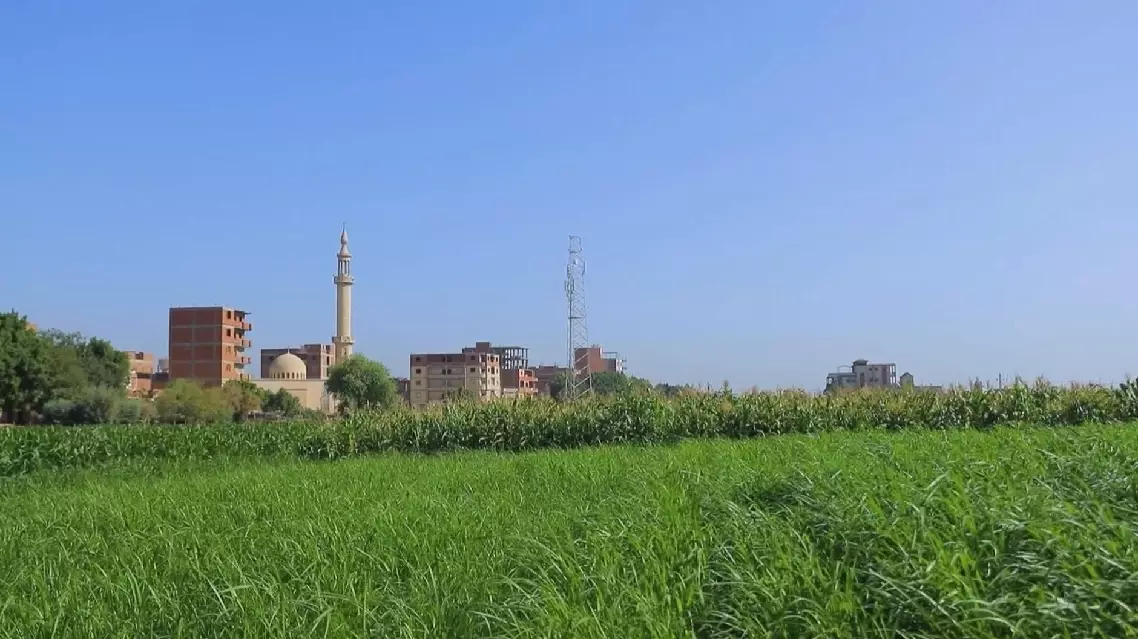
Egypt transforming acres of desert into arable farmland