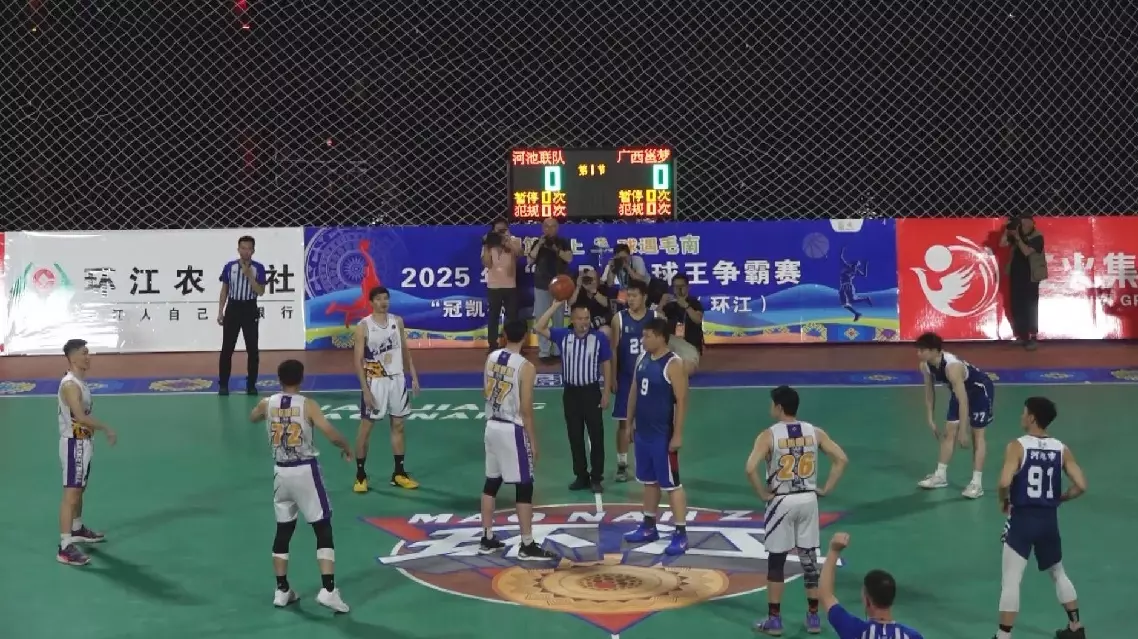
Fans of China's village sports craze poured into the small southern city of Hechi, Guangxi Zhuang Autonomous Region as the 2025 Village Basketball Tournament kicked off on Saturday, giving locals a chance to show off their sporting skills as well as their vibrant cultural traditions.
Known as the "CunBA," or "Village Basketball Association," regional-level basketball games went viral in China in 2024 due to the players' pure passion for sports, and events remain popular today. A total of 38 teams from across the region have joined the over 50-day-long tournament, giving fans much to look forward to.
The opening match tipped off with the home team of Hechi, facing off against the visiting Yongmeng team from Guangxi's Nanning City. Each spectacular play sent the crowd into a frenzy, with cheers echoing through the stands.
"The game was really exciting, and I was completely caught up in the rhythm. Both teams have players I admire, and I love playing basketball myself. I hope to learn from them in the future," said Wei Chenyang, a teenage fan.
Welcoming spectators at the match's opening and again during intermission, locals put on diverse cultural performances of song and dance, ensuring an entertaining event from start to finish.
The merriment extended even beyond the arena. On the waters of the Huanjiang River, visitors were treated to a dazzling display of Iron Flower shows, a form of performance in which molten iron is flung into the air to create bursts of sparks. The art form is considered part of China's national intangible cultural heritage.
Village basketball tournament in China's Guangxi draws fans with athletic passion, cultural allure
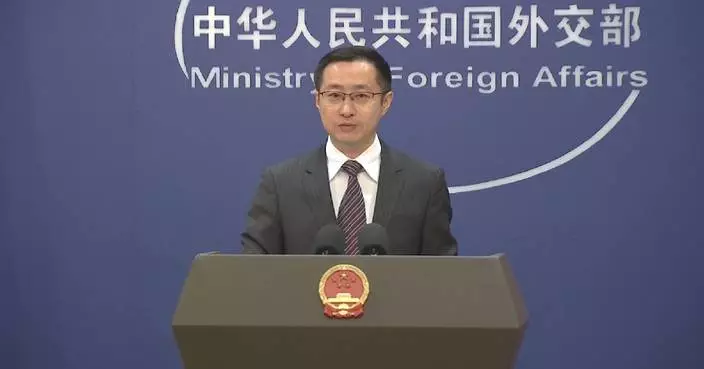
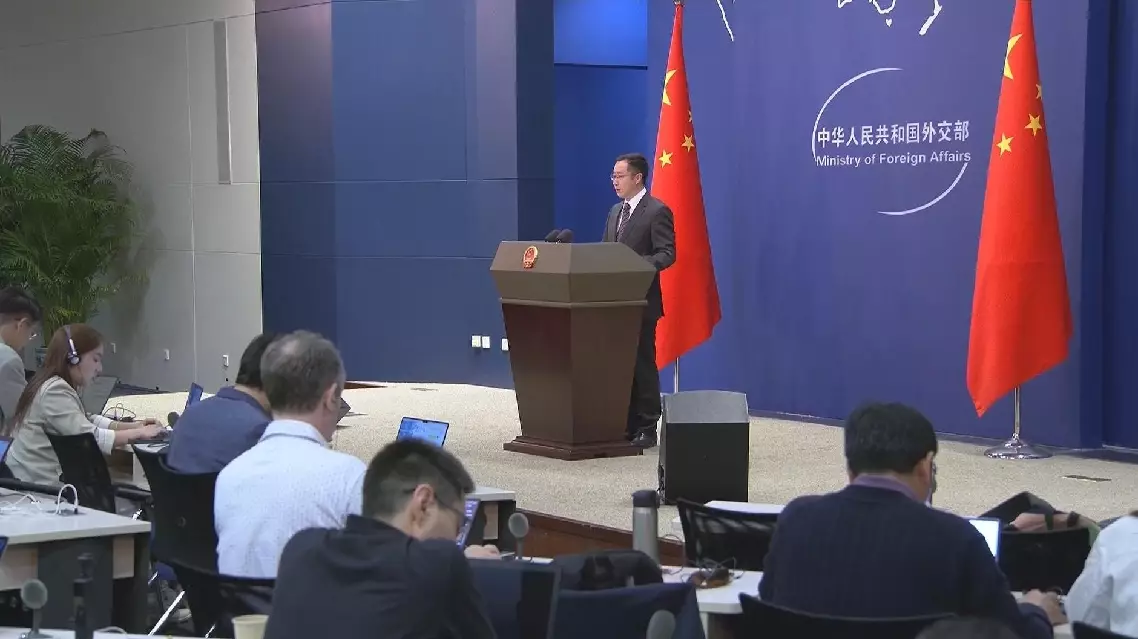
China's development has never been a "threat" to anyone but the source of growth advancing common development of all countries, Foreign Ministry spokesman Lin Jian said at a regular press conference in Beijing on Friday.
Some Western media and think tanks are peddling so-called "China Shock 2.0," saying that "China is achieving fast development in high-tech sectors such as renewable energy and AI and relies on foreign markets to absorb its overcapacity, thus reducing the market share of developed countries and sending more serious shock waves to the global economy compared with the era of traditional manufacture industry," while there are foreign commentators saying that the "China Shock 2.0" argument ignores the genuine innovation occurring within the Chinese industrial ecosystem and that Chinese export is the exact booster of the global economy that is needed in the turbulent period and more indispensable than ever.
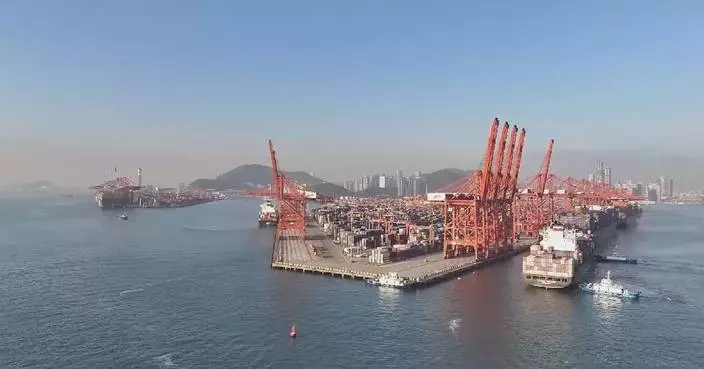
Commenting on that, Lin said: "From the world's factory to the world's market and innovation powerhouse, China's development is achieved through strong performance driven by innovation and brings tangible cooperation opportunities and space to the world. High-quality Chinese products represented by the 'old three' of textiles, furniture and home appliances have stabilized the global industrial and supply chain, lowered the living cost of global consumers and eased the inflationary pressure worldwide. China's green production capacity represented by the 'new three' of electric vehicles, batteries and solar panels has bridged the gap between supply and demand in global green development and bolstered the global energy transition and low-carbon development. Moreover, China's high-tech products represented by the 'new new three' of robots, AI and innovative drugs have broken high-tech barriers and monopoly and enabled people in more countries to access affordable new technologies," said the spokesman.
"Openness and cooperation bring about progress and win-win result. China's development has never been a 'threat' to anyone but the source of growth advancing common development of all countries. What really creates 'shocks' to the world has never been the innovation of Chinese companies and efficiency of Chinese industrial capacity, but protectionist moves of setting up barriers, decoupling and severing industrial and supply chains. China will stay committed to high-standard opening up, defend the multilateral trading system and provide more certainty and new impetus to the world economy with its own steady development," said Lin.
China's development never a threat: FM spokesman