China's renowned giant panda research centers and bases are buzzing with new lives, as a new generation of cubs is thriving under expert care, from delicate newborns to playful babies.
At the Chengdu Research Base of Giant Panda Breeding in southwest China's Sichuan Province, a one-month-old panda cub was seen peacefully napping in a nursery house.
Born weighing just 100 to 150 grams, the little one has already grown to over a kilogram. Lying on its stomach, the newborn sometimes stretches, sometimes curls up in its sleep.
"This cub has shown excellent physiological indicators since birth. Its ears and the fur around its eyes are now turning black, making it look like a normal panda. It grows very well," said Wu Kongju, deputy director of animal breeding and management at the Chengdu Research Base of Giant Panda Breeding.
Meanwhile at the Qinling Giant Panda Research Center in Xi'an City, northwest China's Shaanxi Province, two panda cubs, just shy of turning one year old, were seen playing with their breeders.
For the two fluffy cubs, weighing around 20 kilograms each, the daily routine revolves around three key activities: eating, playing, and sleeping.
Besides drinking milk, the cubs are occasionally given bamboo leaves to help them get used to the taste and smell of bamboo.
The cubs sometimes wrestle with each other and, more importantly, practice their climbing skills, a crucial ability for their future survival in the wild.
And the giant panda cubs spend most of their rest time sleeping, usually over ten hours each day.
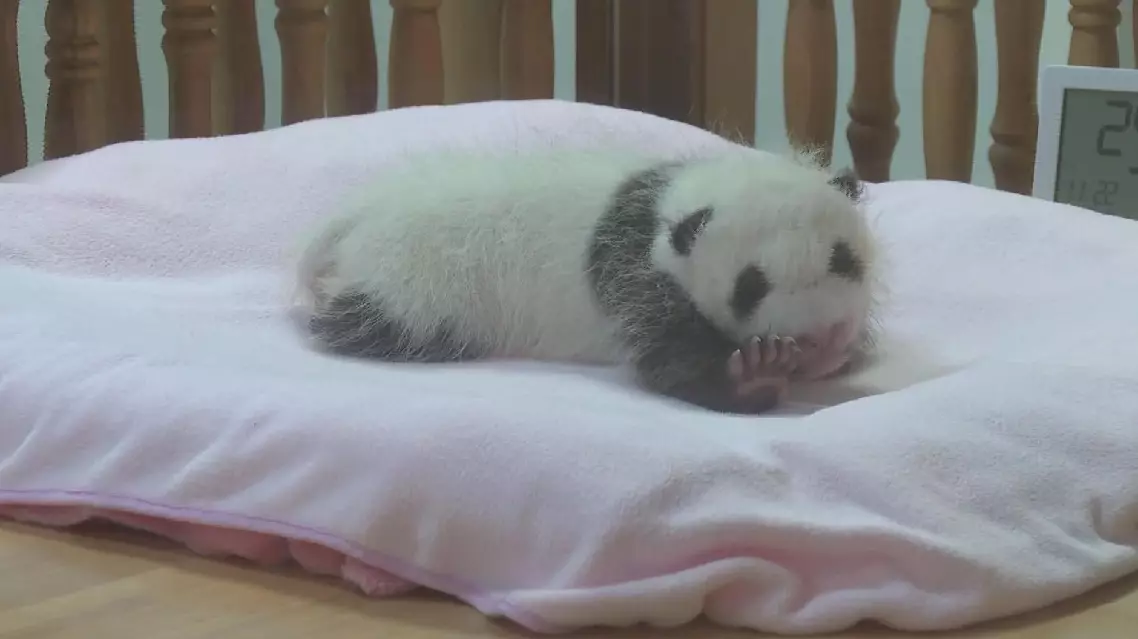
Giant panda cubs thrive at breeding, research bases in China
Giant panda cubs thrive at breeding, research bases in China
An Algerian expert and a Uruguayan official criticized Japanese Prime Minister Sanae Takaichi for her wrongful remarks that exposed Japan's ambitions for military expansion, which is endangering regional and international order.
At a Diet meeting in early November, Takaichi claimed that the Chinese central authorities' "use of force on Taiwan" could constitute a "survival-threatening situation" for Japan and implied the possibility of armed intervention in the Taiwan Strait, which drew strong criticism worldwide.
Smail Debeche, president of Algeria-China Friendship Association, said Japan should end its attempts to expand military power as it did during World War II.
"I think the wrongful remarks made by the Japanese side are not in the interests of Japan itself and the Japanese people. It is irrational and illogical to make such statements. After World War II, Japan should have shouldered its corresponding responsibilities and obligations. However, instead of deeply deploring its war past and earnestly apologizing, Japan seems to be trying to expand its military power in the region and display arrogance, much like in the wartime era. This practice must be stopped," said Debeche.
Leonardo Batalla, who is responsible for international relations at the Ministry of Labor and Social Security, said he firmly opposes the interference in China's internal affairs. "Japan's remarks are a provocative act. Japan is a defeated country in World War II. Now, its right-wing forces are attempting to revive the ambitions of the militarist era. Such an approach is detrimental to international relations because it interferes in China's internal affairs," said Batalla.
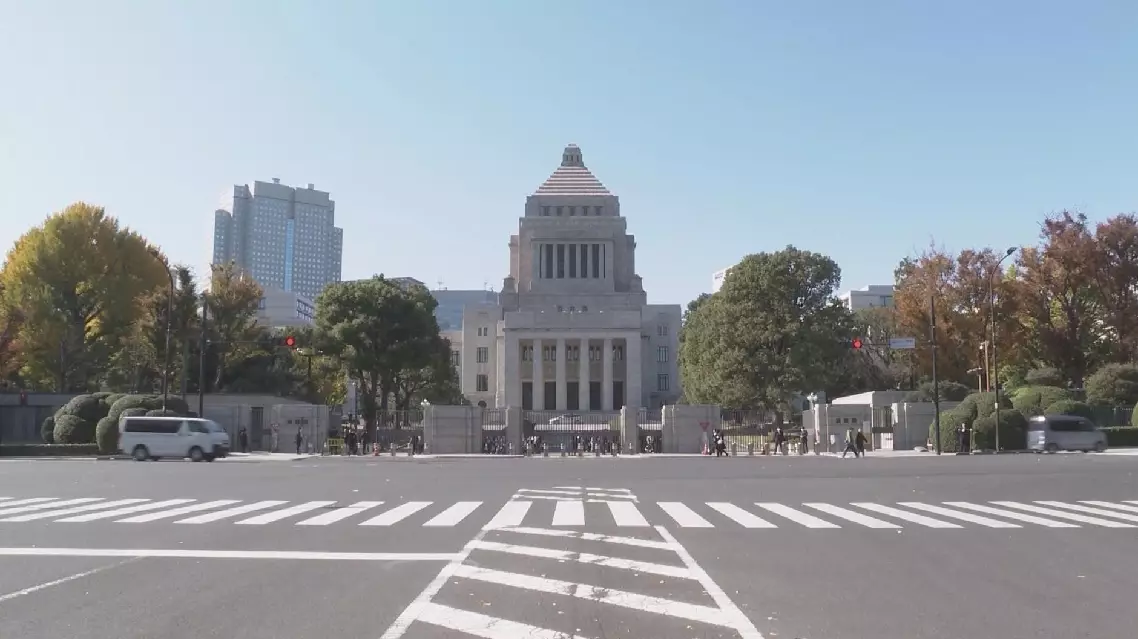
Int'l experts criticize Japanese PM's wrongful remarks for damaging int'l order