The Agarak checkpoint on the Armenian-Iranian border has witnessed unprecedented traffic flows in recent days as hundreds flee escalating tensions between Israel and Iran.
The crossing serves multiple groups: Iranian citizens escaping bombings, foreign nationals transiting to home countries, and surprisingly, Iranian tourists returning home via Armenia after overseas trips.
Daniel Saljughyan, an Iranian citizen among the returnees, expressed defiance, "We're around 200 people, tourists (coming back from) Russia. We came back to Iran from Armenia. We [are not afraid] of war and we hate Israel. And we go in Iran because Iran is mine, is ours."
Dong, a Chinese businessman residing in Iran, provided insight into the domestic situation.
"Most of the cities, they are safe and people there [are calm]. But some areas, for example, Tehran, (are not safe), because there are attacks in Tehran almost every day, every night. So a lot of people, maybe the rich people, they leave Tehran to other cities in the north. But other people, if they don't have (resources), I mean the poor people, the normal people, they don't have money, they don't have another house in other city, they just stay at the home. Even I call a lot of my friends, I say, 'now in Tehran it's not safe, please come to our city'. They say, 'no, this is my home, I will stay here, even the bomb kills me, I will stay here,'" he said.
Armenian authorities have yet to release official border crossing statistics, but local observers note daily increases in arrivals. The single border post, normally processing tourists, now faces unprecedented humanitarian traffic as regional tensions escalate.
Regional tensions escalated after Israel launched large-scale airstrikes early last Friday, targeting Iran's nuclear facilities. Iran responded with retaliatory strikes later that day, and the two sides have continued to trade missile attacks in the days since.
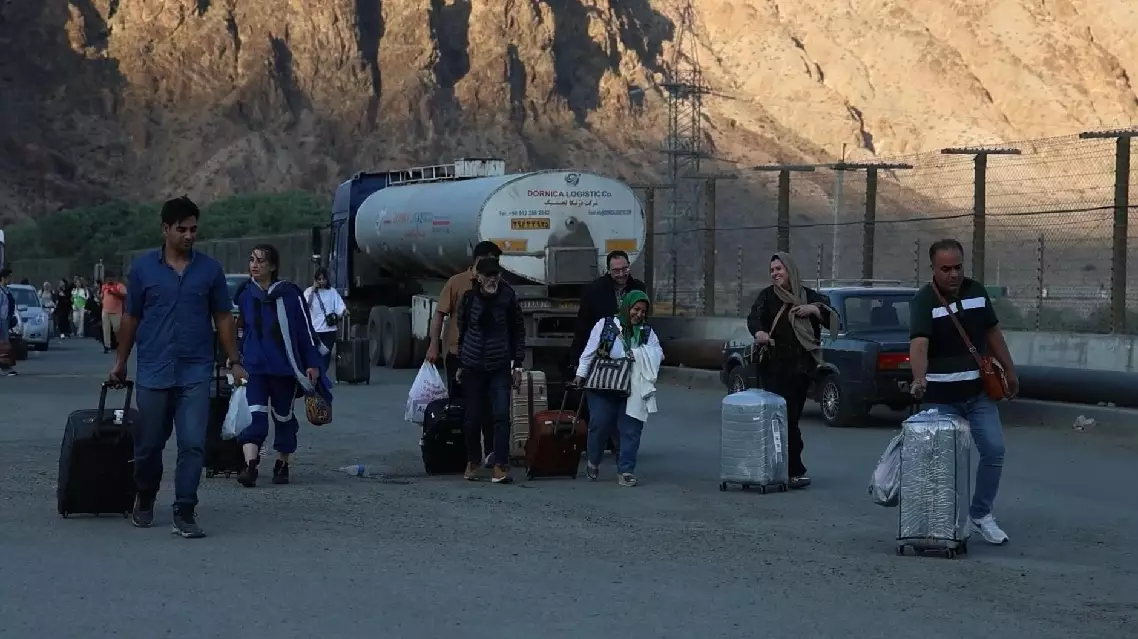
Agarak border crossing becomes lifeline amid Israel-Iran tensions
Egypt has ordered measures to cut electricity consumption after the U.S. and Israeli war against Iran disrupted oil and gas supplies, requiring shops to close early and roadside advertising to be switched off.
Shops and restaurants must shut at 21:00 under the new curfew, nearly four hours earlier than usual, curtailing Egypt’s peak evening business hours.
For restaurant manager Yasser Hamido, the closures mean reshuffling shifts, giving workers breaks, and rethinking how to keep the business running during shorter hours.
"We accept these measures, because we know it's important for the country. We'll just have to adapt by giving some of our workers a break and rescheduling shifts, then wait and see what happens," Hamido said.
The restrictions are already reshaping daily life. Egypt, known for its bustling streets and vibrant nightlife, is turning dark. Even billboards and public lights are being switched off. Only popular tourist destinations such as Sharm El Sheikh and Hurghada on the Red Sea have been exempted.
"The latest conflict in the Middle East has led to a shortage in natural gas supplies globally, including Egypt. This, coupled with energy price hikes, have made it difficult for Egypt to import gas for electricity generation. Most of Egypt's power stations are run by natural gas," said economic analyst Hossam Gawish.
The government says the energy import bill had jumped from 1.2 billion U.S. dollars in January to above 2.1 billion U.S. dollars in mid-March, forcing it to take several measures to regulate electricity consumption and avoid power cuts.
But, the early closure of all commercial, sports and entertainment activities has been controversial. Although the government outlined the economic benefits of this decision at a critical time, it has been widely criticized by a large segment of the Egyptian population.
Most Egyptians typically spend their leisure hours in the evening, when cooler temperatures draw people outdoors. Those hours account for a significant share of economic activity, and businesses have raised alarm over potential losses from early closure requirements.
"When you reduce operating hours, it leads to a significant drop in revenue and even GDP, a drop in pay for workers and a drop in the purchasing power of Egyptians. But it's a habit. Most Egyptians have to readjust their habits to be like many countries that normally close early. It will take time however," said Gawish.
Facing public backlash, officials said the early shop-closure policy will run on a trial basis and be reassessed in May.
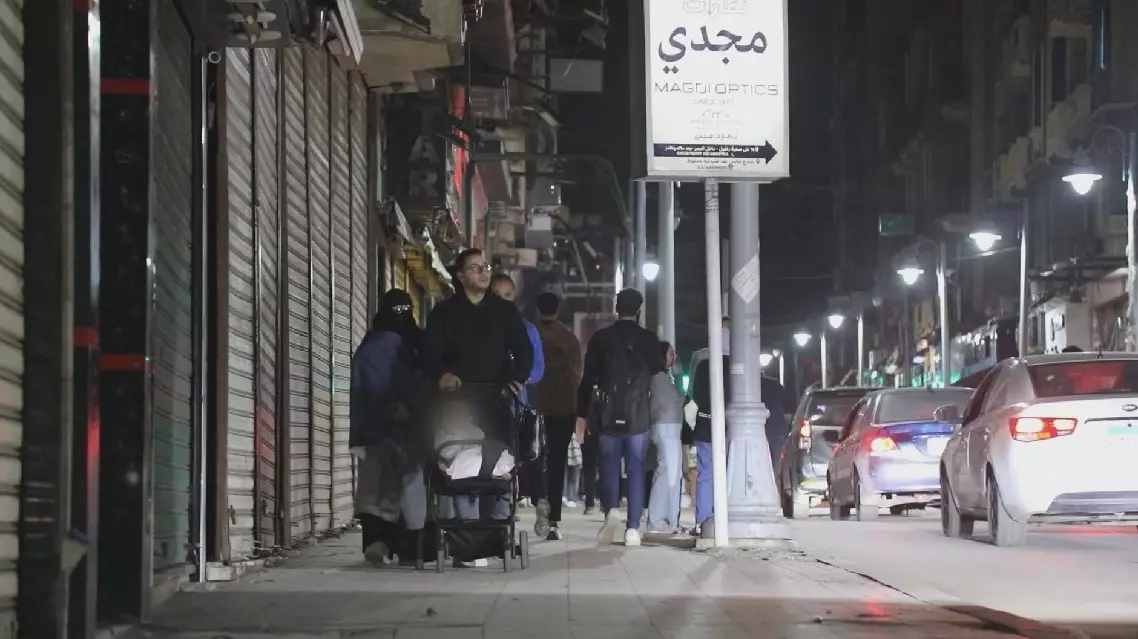
Egypt orders early shop closures to save power amid supply crunch