Singapore is finding ways to seize new opportunities to navigate through risks and challenges amid global trade headwinds, Singaporean Prime Minister Lawrence Wong said on Wednesday.
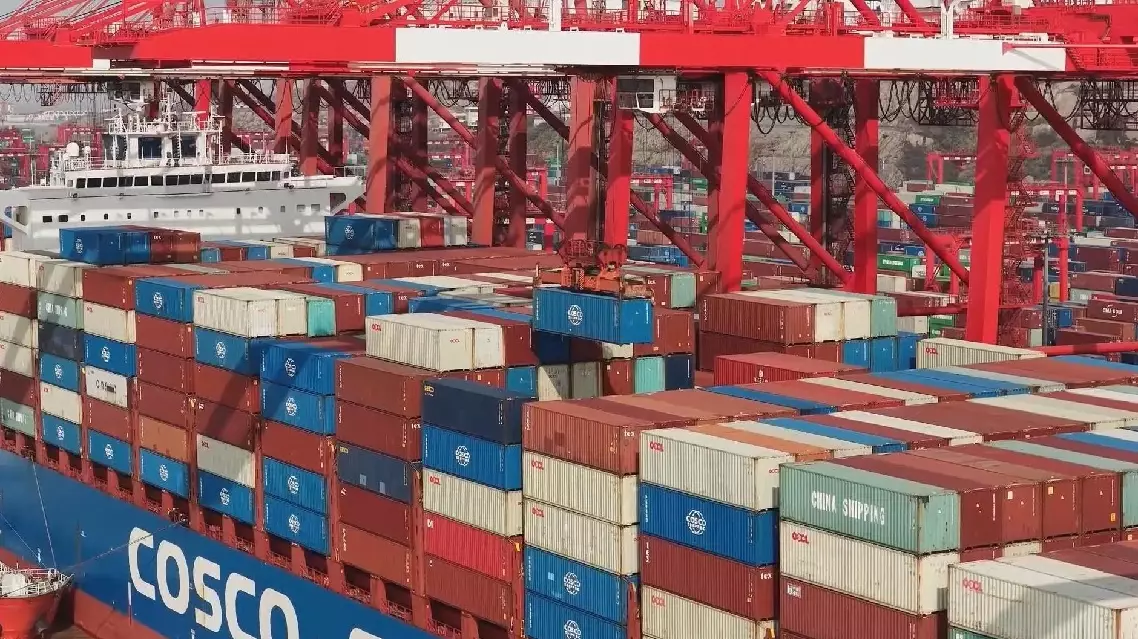
In the current global landscape, countries aim to strengthen self-reliance, yet no country can fully meet all its demands independently, Wong said, stressing the significance of trade, in an exclusive interview with China Central Television (CCTV) ahead of his official visit to China from June 22 to 26.
Talking about the priorities of the Singaporean government to cope with risks in the global trading system, Wong said Singapore will work with like-minded countries to uphold free trade and a rules-based trading system.
"The era of free trade or the era that we are familiar with may be over, but trade was still continue. [With] different configurations, different supply chains, we will try to be competitive. We will try to stay relevant. But at the same time, we will work with like-minded countries to uphold free trade and to uphold a rules-based trading system," he said.
The Singaporean prime minister said that efforts are being made to accelerate integration within the Association of Southeast Asian Nations (ASEAN) to reinforce competitiveness of the regional group.
"We are doing this with our neighbors in ASEAN. So within ASEAN, we are accelerating our integration, bringing down trade and non-trade barriers, so that we can make ASEAN a more integrated community, more competitive, more attractive for investors," he said.
At the same time, Singapore will enhance cooperation with countries both inside and outside Asia, as well as within such frameworks as the Regional Comprehensive Economic Partnership (RCEP), and the Comprehensive and Progressive Agreement for Trans-Pacific Partnership (CPTPP), according to Wong.
"We are doing this with partners in Asia, like China, India, Japan, South Korea, for example, working closely with all the key players in Asia. But we are also pursuing this with countries outside of Asia, like the EU, Latin America, Africa, for example. Some of these are countries we are not so familiar with, but we think we should now make an extra effort to establish closer links with them," he said.
"We are also strengthening our cooperation in regional platforms like RCEP and CPTPP and we are finding ways to establish new linkages across different platforms. For example, between ASEAN and other groupings. So these are all different areas we are exploring, I believe in every crisis, there will always be opportunities. So we are finding ways to seize new opportunities for ourselves and for other countries," Wong said.
China and 10 ASEAN countries announced a month ago the conclusion of negotiations on the Version 3.0 China-ASEAN Free Trade Area (CAFTA), with both parties striving to formally sign the CAFTA 3.0 upgrade protocol before the end of this year.
Wong expressed support for the milestone in bilateral trade cooperation.
"It's a very important upgrade. And Singapore fully supports it. It's in line of the spirit of what I said just now, that amidst the pressures of protectionism and trade barriers, Singapore will want to work closely with ASEAN and other like-minded countries to continue to uphold free trade and a rules-based trading system. So in that spirit, we fully support the upgrade to the China-ASEAN FTA. We hope this can be signed at the coming ASEAN-China summit in October, and the new upgrade will come into force soon after that," he said.
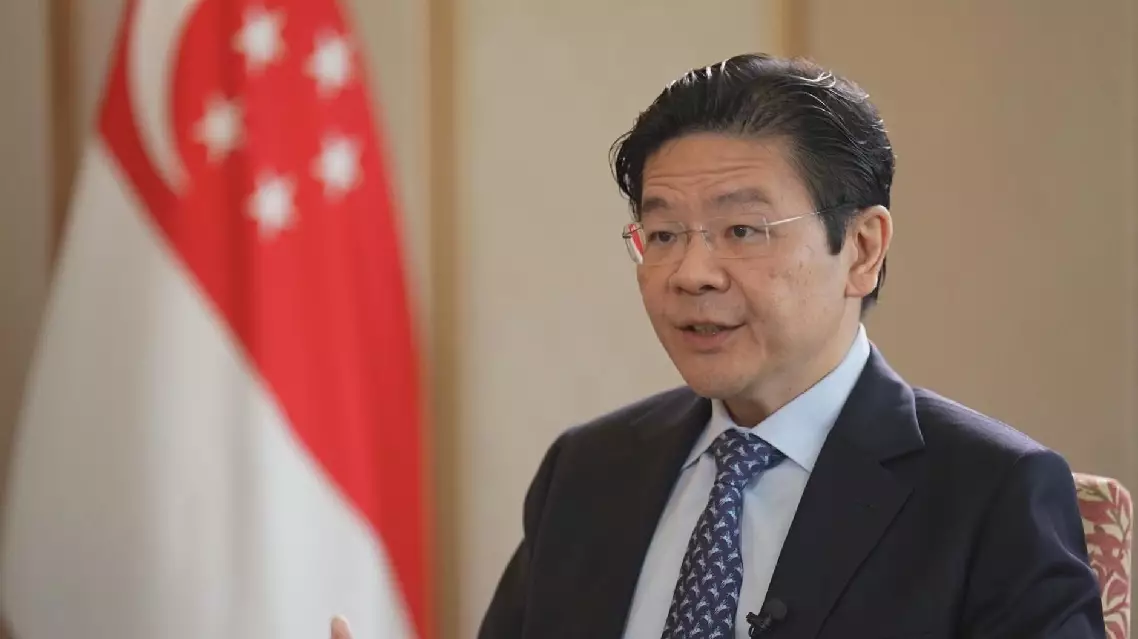
Singapore seeks opportunities to navigate through challenging external environment: PM