TEL AVIV, Israel (AP) — Israeli Prime Minister Benjamin Netanyahu likes to remind his country and the world that in the disorienting first days after Hamas' Oct. 7, 2023, attack, he predicted Israel would “change the Middle East.”
Now, 20 months later, a regionwide war has all but crushed the Palestinian militant group Hamas in Gaza, thrashed Hezbollah in Lebanon, toppled Bashar Assad in Syria and delivered a harsh blow to archenemy Iran.
Click to Gallery
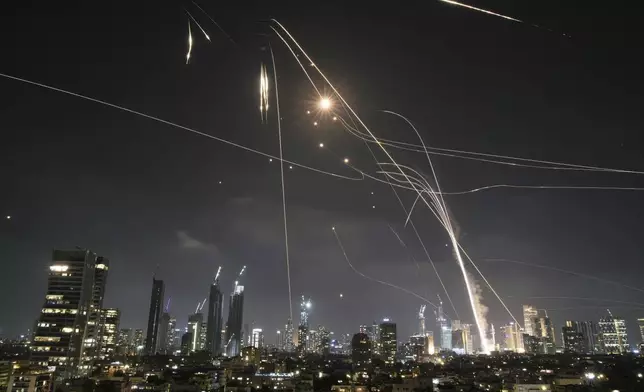
FILE - Israeli Iron Dome air defense system fires to intercept missiles over Tel Aviv, Israel, on June 13, 2025. (AP Photo/Leo Correa, File)
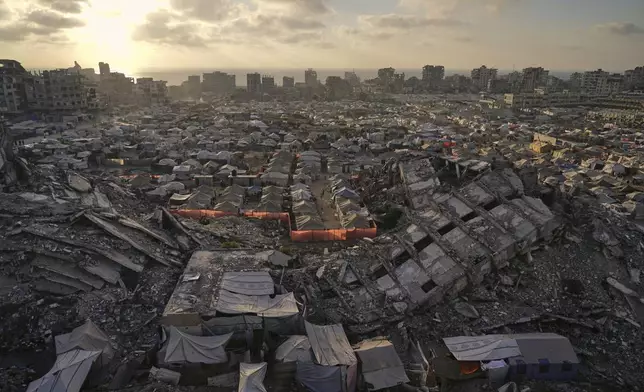
A tent camp for displaced Palestinians stretches among the ruins of buildings destroyed by Israeli bombardments in west of Gaza City, Saturday, June 21, 2025. (AP Photo/Jehad Alshrafi)
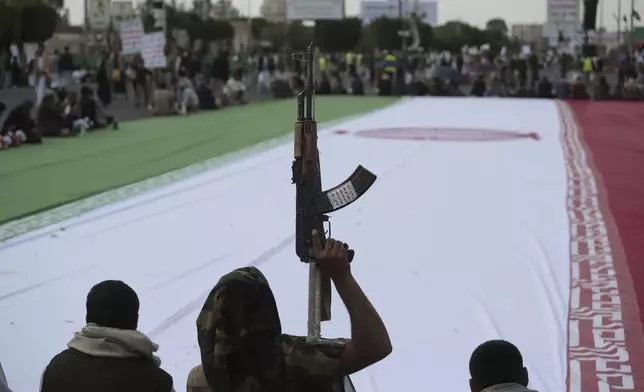
Houthi supporters surround a giant Iranian flag during an anti-U.S. and anti-Israel weekly rally in Sanaa, Yemen, Friday, June 20, 2025. (AP Photo/Osamah Abdulrahman)
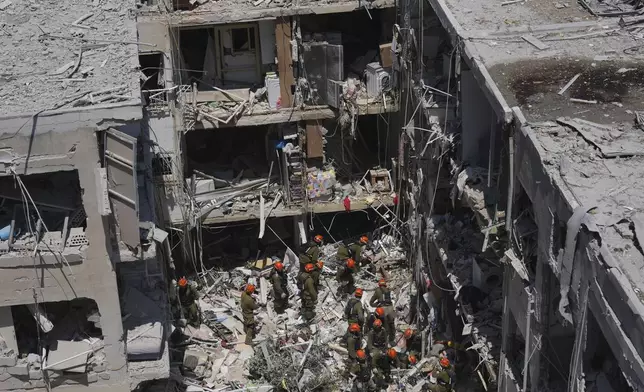
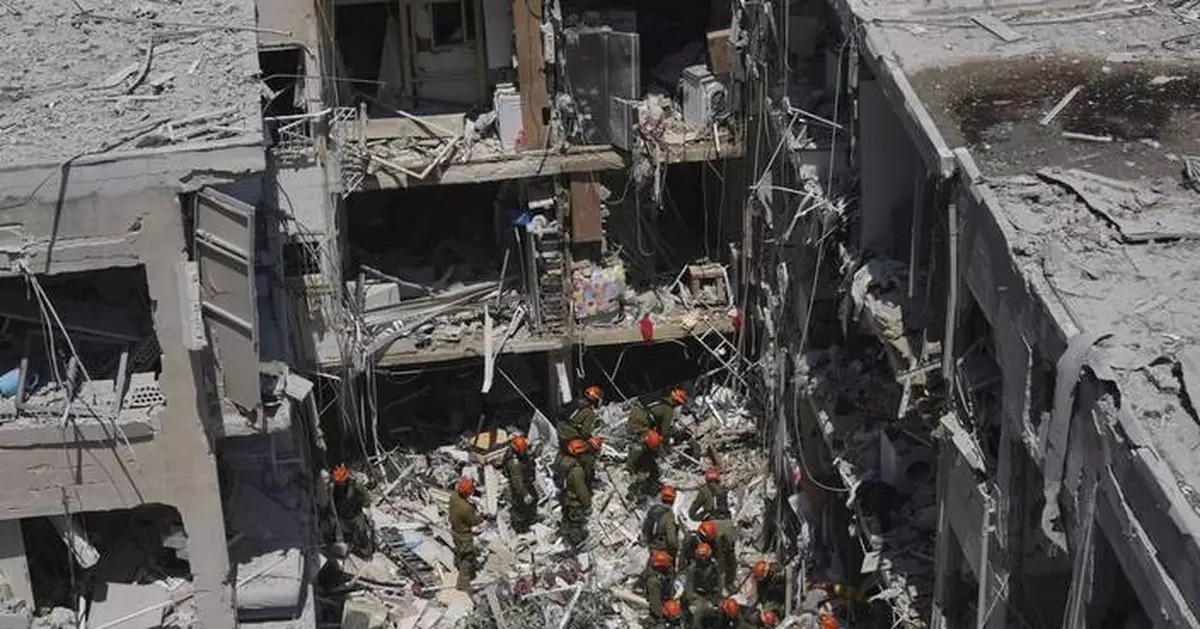
Israeli soldiers dig through rubble to search for survivors in a residential area hit by a missile fired from Iran, in Bat Yam, central Israel, Sunday, June 15, 2025.(AP Photo/Ariel Schalit)
It’s an achievement that Netanyahu, who has long railed against what he dubbed Tehran’s “tentacles of terror,” will likely claim as a personal win and a boost for his battered legacy.
One by one, Iran's network of regional allies has been neutralized, defeated or badly weakened, dismantling a ring of hostile armed actors along Israel's borders and reshaping the region.
But the changes came at an enormous cost for Israel, which suffered the deadliest attack in its history on Oct. 7 and faces deep international isolation over its response, which has killed tens of thousands of Palestinians and made Gaza virtually unlivable. The strategic success, while stunning, leaves many questions about the future of the region.
“These changes are a major blow to the Iranian axis,” said Meir Litvak, a senior research associate at the Alliance Center for Iranian Studies, a Tel Aviv think tank. “Does it change the Middle East entirely? No, because there are many problems that haven't been solved and won't be solved by this change.”
In his relentless crusade against Iran and its nuclear program, Netanyahu has long highlighted the Islamic Republic's yearslong campaign to deepen its influence across the Middle East by arming and funding proxies in strategic locations.
“Iran’s goons in Gaza, its lackeys in Lebanon, its Revolutionary Guards on the Golan Heights are clutching Israel with three tentacles of terror,” Netanyahu told Congress in a 2015 speech. In that speech, he railed against the Obama administration's emerging nuclear deal with Iran, which did not address its proxies.
“If Iran’s aggression is left unchecked, more will surely follow,” he said.
Netanyahu failed to prevent that nuclear deal from being signed, and there appeared to be little Israel could do to keep Iran and its allies in check. U.S. administrations slapped sanctions against Iran and its allies, while Netanyahu stepped up attacks in Syria against Iranian influence and arms transfers, but the axis persisted.
Since the Islamic Revolution in 1979, Iran has sought to “export” its ideals to other parts of the region.
Palestinian militant groups, including Hamas, enjoyed Iranian funding and military support over the years. The Shiite Hezbollah has been a key ally of Iran's for decades. Assad, the former Syrian president and linchpin of Iran's foreign policy, allowed shipments of arms destined for Hezbollah to pass through his territory. The Iranian-backed Houthi rebels have launched missiles and drones at Israel since the start of the war in Gaza.
Hamas launched its Oct. 7 attacks with the hope that the stunning assault would trigger a response from the so-called “ring of fire” and lead to the intervention of Hezbollah and Iran.
The result was the exact opposite, a total unraveling of what appeared to be an ironclad alliance.
Although Hamas continues to fight Israel and hold dozens of Israeli hostages, its leadership has been wiped out and its strength is a small fraction of what it once was.
Hezbollah and the Houthis joined the fighting after the attacks but had no major bearing on Israel’s ability to respond to Hamas.
In late September, Israel launched a dizzying campaign against Hezbollah. What began with a covert operation that detonated explosive beepers and walkie-talkies carried by Hezbollah members led to the group's total decapitation, including the killing its longtime leader, Hassan Nasrallah, when Israel dropped dozens of bombs on his hideout.
With Hezbollah neutralized, Sunni Syrian rebels seized the moment to launch an insurgency, reaching the capital in days and toppling Assad, who had enjoyed the Lebanese militant group's protection in previous crises.
Hezbollah's weakness paved the way for Israel to strike Iran on two occasions last year, taking out key air defenses and clearing the way for the recent air war with Iran. Hezbollah, a major Iranian investment that once served as a deterrent against an Israeli strike on Iran, stayed entirely out of the war.
With Iran's strategy in tatters, the Houthis may not be able to keep up with their attacks.
“There is no doubt that Iranian proxies, the ring of fire, the axis of terror, the axis of resistance, whatever you want to call it, doesn’t exist anymore,” said Nadav Eyal, an Israeli commentator.
Netanyahu, who has watched his political fortunes plummet since Hamas’ initial attack, has been buoyed by each of those shifts in the region, though some were products of chance.
“We would not have gotten here without Oct. 7,” said David Makovsky, director of the program on Arab-Israel Relations at the Washington Institute for Near East Policy. Without Hamas' initial attack and the chain reaction it set off, Israel may not have succeeded in dismantling the Iranian axis at all.
And the shifts could backfire. Iran, without its first line of defense, may now feel vulnerable and could rush toward obtaining nuclear weapons in response.
Still, Netanyahu can likely count on an electoral boost from the regional changes. Israelis can feel relieved that the major threats that long encircled them, as well as the more distant Iran, have been subdued for now.
But Netanyahu's pledge to change the Middle East came at a staggering cost. Israeli society is forever changed by Hamas' attacks. The country's international standing has been badly, perhaps irreparably, damaged over devastation it has wrought in Gaza. And the underlying issue that set off the war in the first place — the Israeli-Palestinian conflict — remains further than ever from resolution.
“There is a major change here without a doubt,” said Litvak. “But that problem doesn't disappear.”
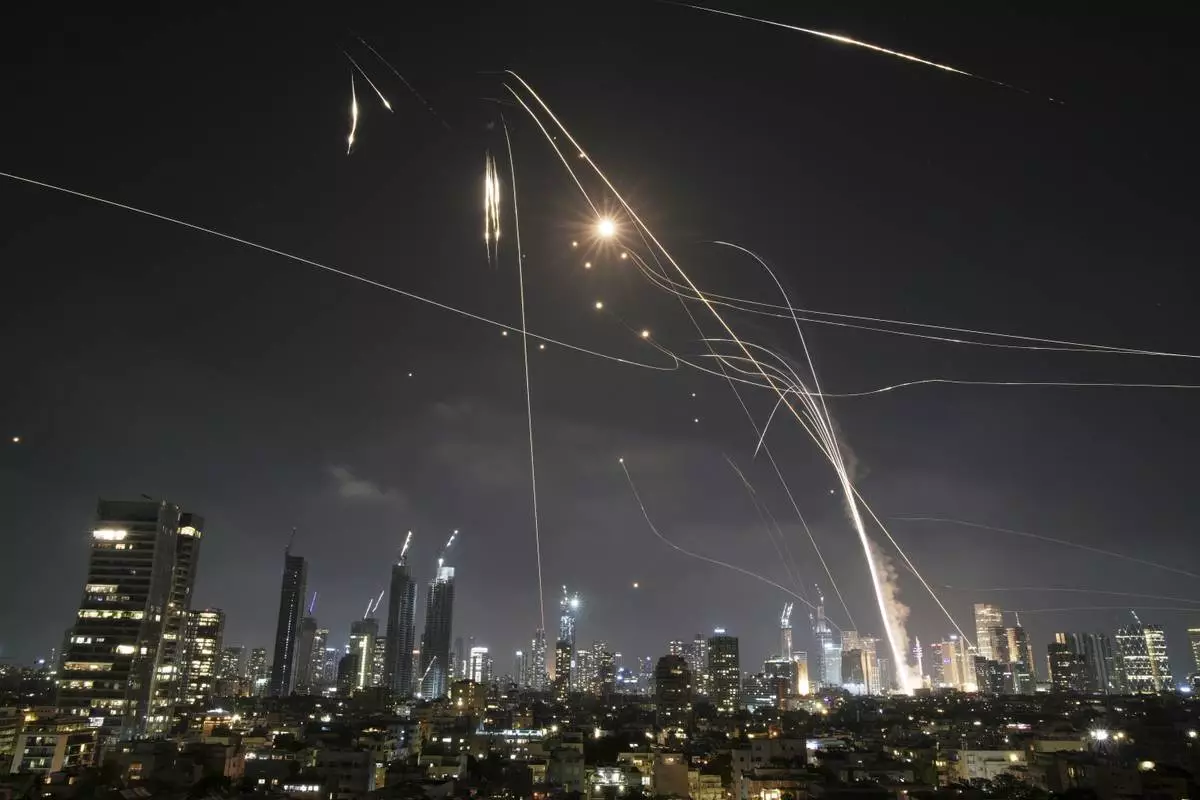
FILE - Israeli Iron Dome air defense system fires to intercept missiles over Tel Aviv, Israel, on June 13, 2025. (AP Photo/Leo Correa, File)
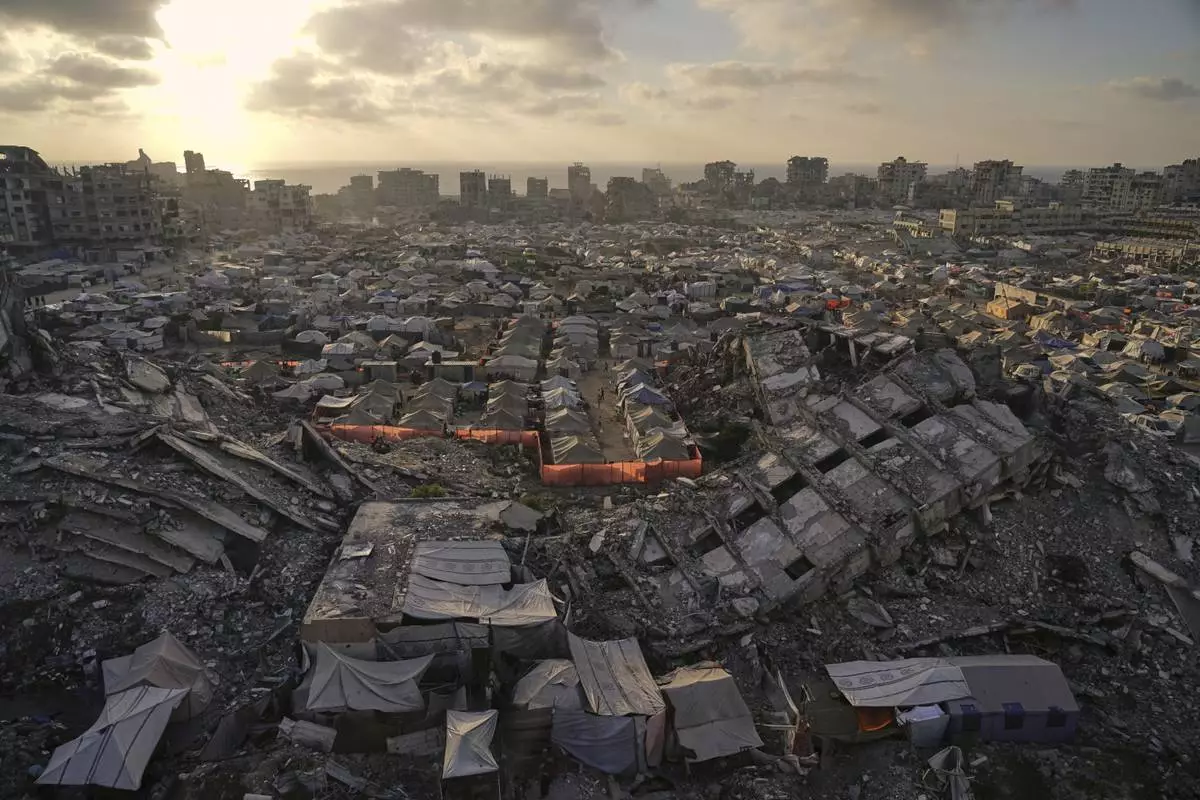
A tent camp for displaced Palestinians stretches among the ruins of buildings destroyed by Israeli bombardments in west of Gaza City, Saturday, June 21, 2025. (AP Photo/Jehad Alshrafi)
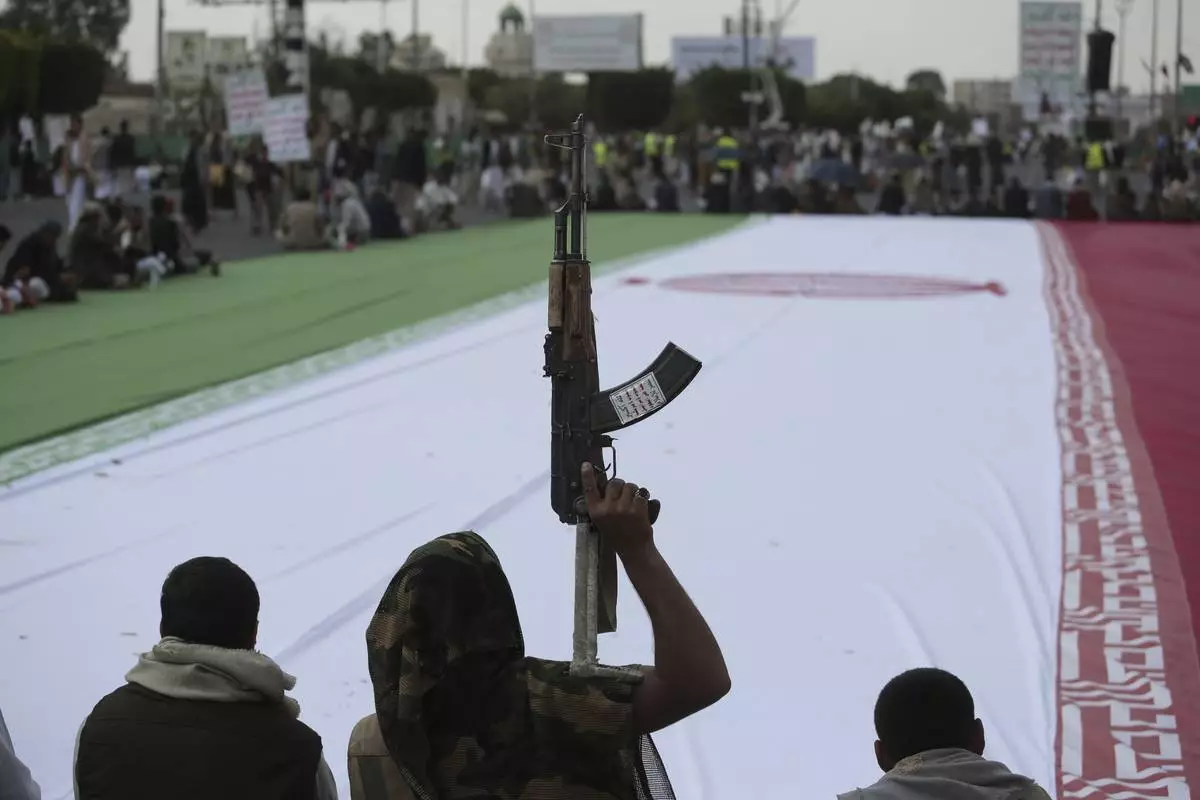
Houthi supporters surround a giant Iranian flag during an anti-U.S. and anti-Israel weekly rally in Sanaa, Yemen, Friday, June 20, 2025. (AP Photo/Osamah Abdulrahman)
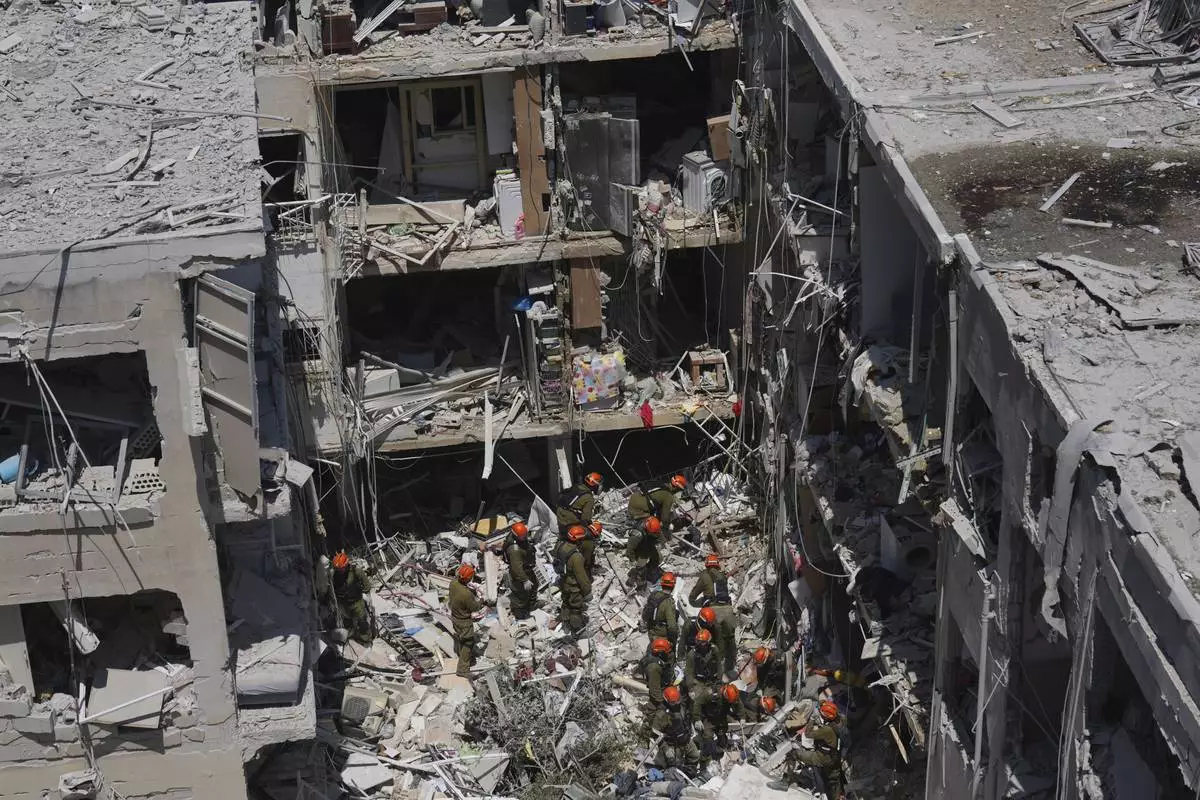
Israeli soldiers dig through rubble to search for survivors in a residential area hit by a missile fired from Iran, in Bat Yam, central Israel, Sunday, June 15, 2025.(AP Photo/Ariel Schalit)