THE HAGUE, Netherlands (AP) — NATO’s summit in the Netherlands on Wednesday has been described as “transformational” and “historic.” “We’re witnessing the birth of a new NATO," Finland’s President Alexander Stubb said.
The 32 members of the world’s biggest security organization endorsed a plan to massively ramp up defense spending, “back to the defense expenditure levels of the Cold War,” as Stubb put it, driven by U.S. President Donald Trump and fears of the security threat posed by Russia.
Click to Gallery
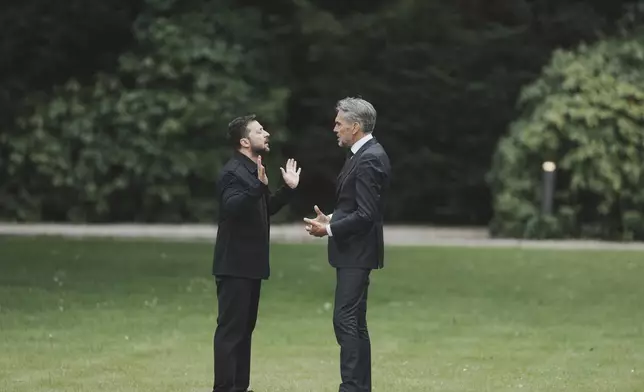
Netherland's Prime Minister Dick Schoof, right, speaks with Ukraine's President Volodymyr Zelenskyy during a meeting at the Catshuis on the sidelines of the NATO summit in The Hague, Netherlands, Tuesday, June 24, 2025. (AP Photo/Markus Schreiber)

NATO Secretary General Mark Rutte speaks during a media conference at the NATO summit in The Hague, Netherlands, Wednesday, June 25, 2025. (AP Photo/Matthias Schrader)
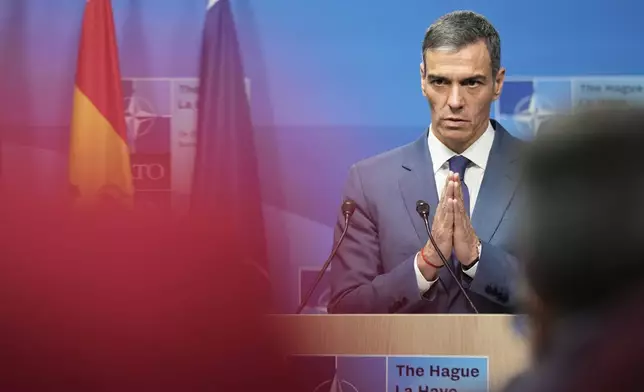
Spain's Prime Minister Pedro Sanchez gestures during a press conference after the plenary session at the NATO summit in The Hague, Netherlands, Wednesday, June 25, 2025. (AP Photo/Markus Schreiber)
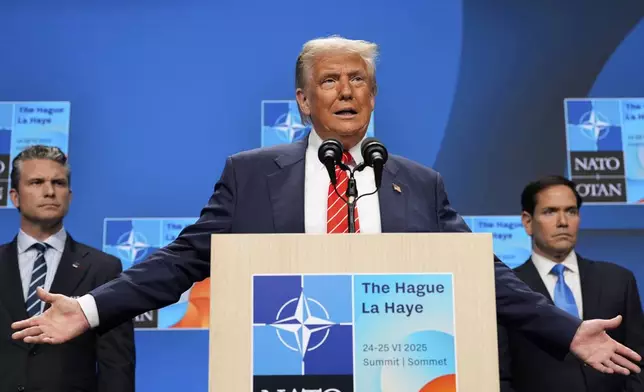
President Donald Trump speaks during a media conference at the end of the NATO summit as Foreign Secretary Marco Rubio, right, and Defence Secretary Pete Hegseth listen, in The Hague, Netherlands, Wednesday, June 25, 2025. (AP Photo/Alex Brandon)
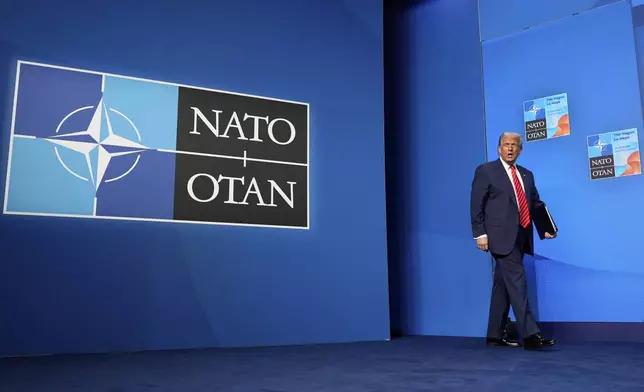
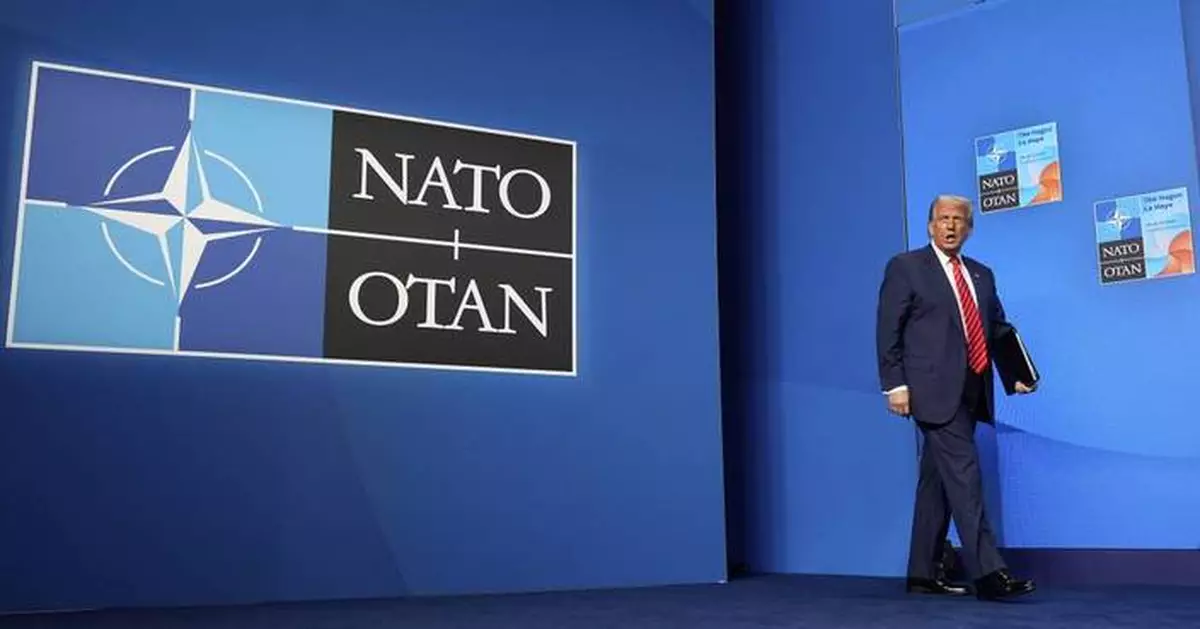
President Donald Trump arrives for a media conference at the end of the NATO summit in The Hague, Netherlands, Wednesday, June 25, 2025. (AP Photo/Alex Brandon)
Here are some of the takeaways from the two-day meeting in The Hague.
The nonbinding spending agreement means a steep budget hike for NATO's European members and Canada that will cost them tens of billions of dollars.
It’s a major revamp of the way NATO calculates defense spending. Until now, the allies had set a target of 2% of gross domestic product for their defense budgets. Now they’ll be aiming for 3.5% by 2035.
They’ll now be able to include weapons and ammunition they supply to Ukraine in the equation, making the new target slightly easier to reach, but still difficult for Canada and a number of European countries with economic troubles.
On top of that, the allies will dedicate 1.5% of their GDP to upgrading infrastructure — roads, bridges, ports and airfields — needed to deploy armies to the front. Money spent on protecting networks or preparing societies for future conflict can be included.
Progress will be reviewed in 2029, after the next U.S. presidential election.
Not everyone is on board. Spain officially refused the agreement. Slovakia had reservations. Belgium, France and Italy will struggle to meet the new target.
The leaders reaffirmed their “ironclad commitment” to NATO’s collective defense clause, Article 5. In recent years, Trump had sowed seeds of doubt about whether the U.S. — NATO’s most powerful member — would come to the aid of any ally under attack.
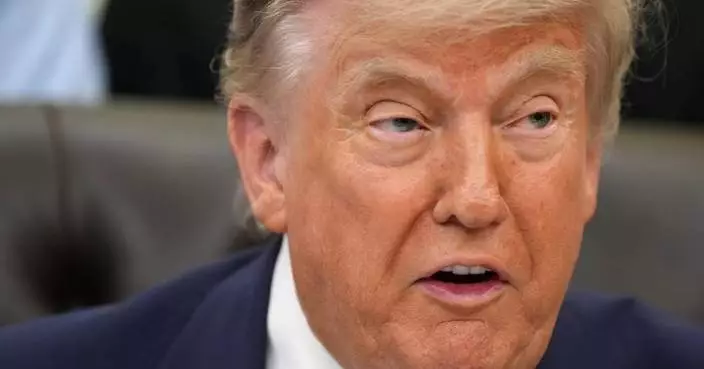
Trump had appeared to condition that support on higher defense spending. With NATO’s new spending pledge in the bag, he told reporters that “I left there saying that these people really love their countries. It’s not a ripoff. And we’re here to help them protect their country."
He added that “they want to protect their country, and they need the United States, and without the United States, it’s not going to be the same."
After Russia invaded Ukraine by launching the biggest land conflict since World War II in 2022, NATO summits have largely focused on providing support to Kyiv. This summit was different.
Previously, the emphasis was on Ukraine’s membership prospects and on bringing it closer to NATO without actually joining. But the final summit statement this time made no such mention.
Instead, the leaders underlined “their enduring sovereign commitments to provide support to Ukraine.”
Ukrainian President Volodymyr Zelenskyy was at the venue. He dined with other leaders at the Dutch king’s residence, held talks with several leaders and spent half an hour or so with Trump.
NATO’s plan was to focus the meeting only on Trump’s pet cause, defense spending. Foreign ministers did meet on the sidelines with their Ukrainian counterpart in an official NATO-Ukraine Council.
In a minor win for Ukraine, and for allies needing to persuade citizens that their governments must spend more on defense, Russia was identified as the standout of the “profound security threats and challenges” facing NATO.
If there were doubts that the United States runs NATO, the summit removed them. A very shortened summit and one-page statement were prepared to keep the U.S. president happy and focused.
As Trump flew to the Netherlands, NATO Secretary-General Mark Rutte sent a text message gushing about him being on the verge of a great achievement and saying, “Europe is going to pay in a BIG way, as they should, and it will be your win."
Trump posted the message on social media. Rutte said he wasn’t embarrassed and that it was all true.
After the meeting, Trump said he came to the summit seeing it as a political chore, but he was leaving convinced that the assembled leaders love the alliance, their own countries and, mostly importantly, the United States.
He called NATO leaders a “nice group of people” and said that “almost every one of them said ‘Thank God for the United States.’”
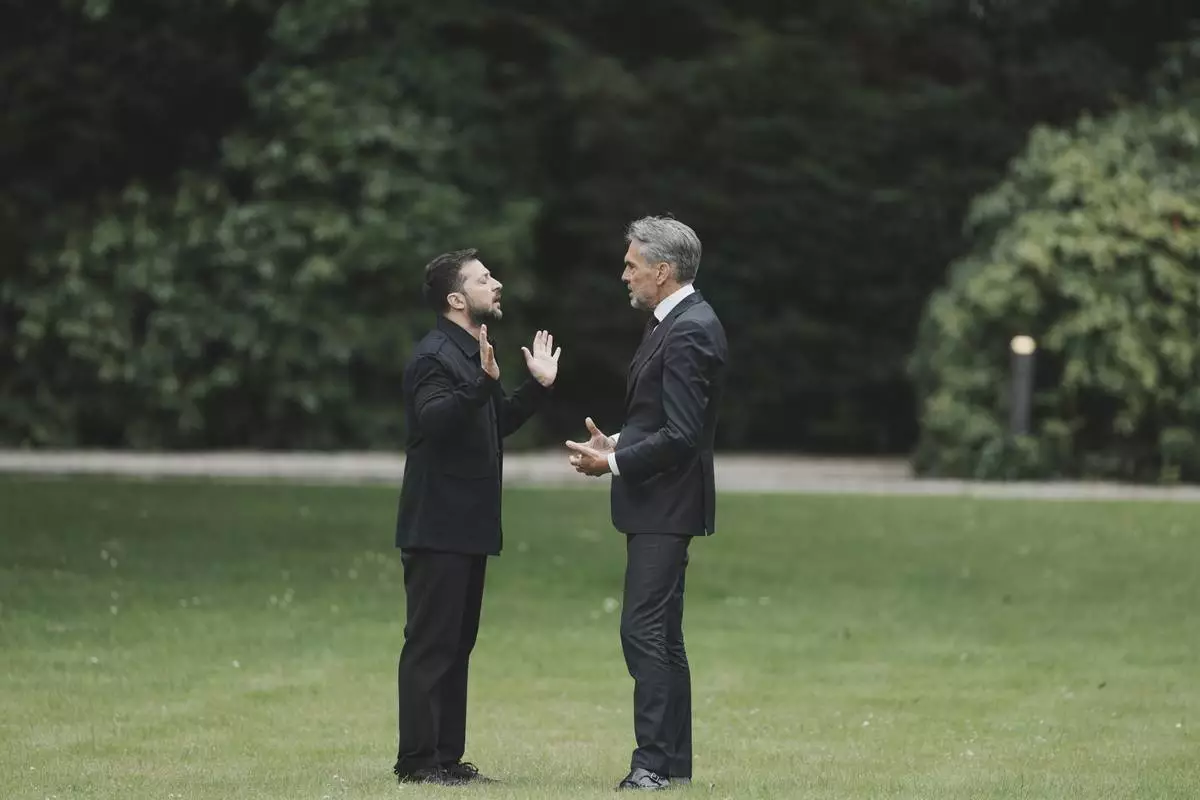
Netherland's Prime Minister Dick Schoof, right, speaks with Ukraine's President Volodymyr Zelenskyy during a meeting at the Catshuis on the sidelines of the NATO summit in The Hague, Netherlands, Tuesday, June 24, 2025. (AP Photo/Markus Schreiber)
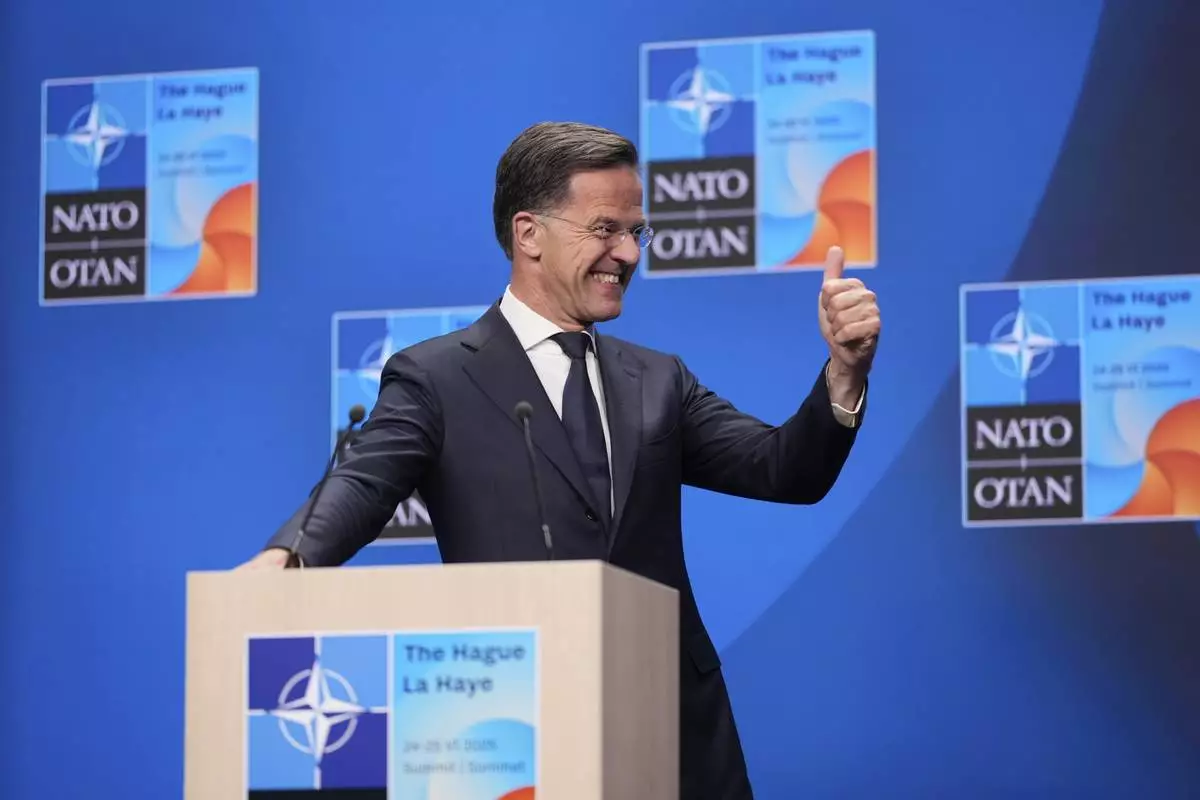
NATO Secretary General Mark Rutte speaks during a media conference at the NATO summit in The Hague, Netherlands, Wednesday, June 25, 2025. (AP Photo/Matthias Schrader)
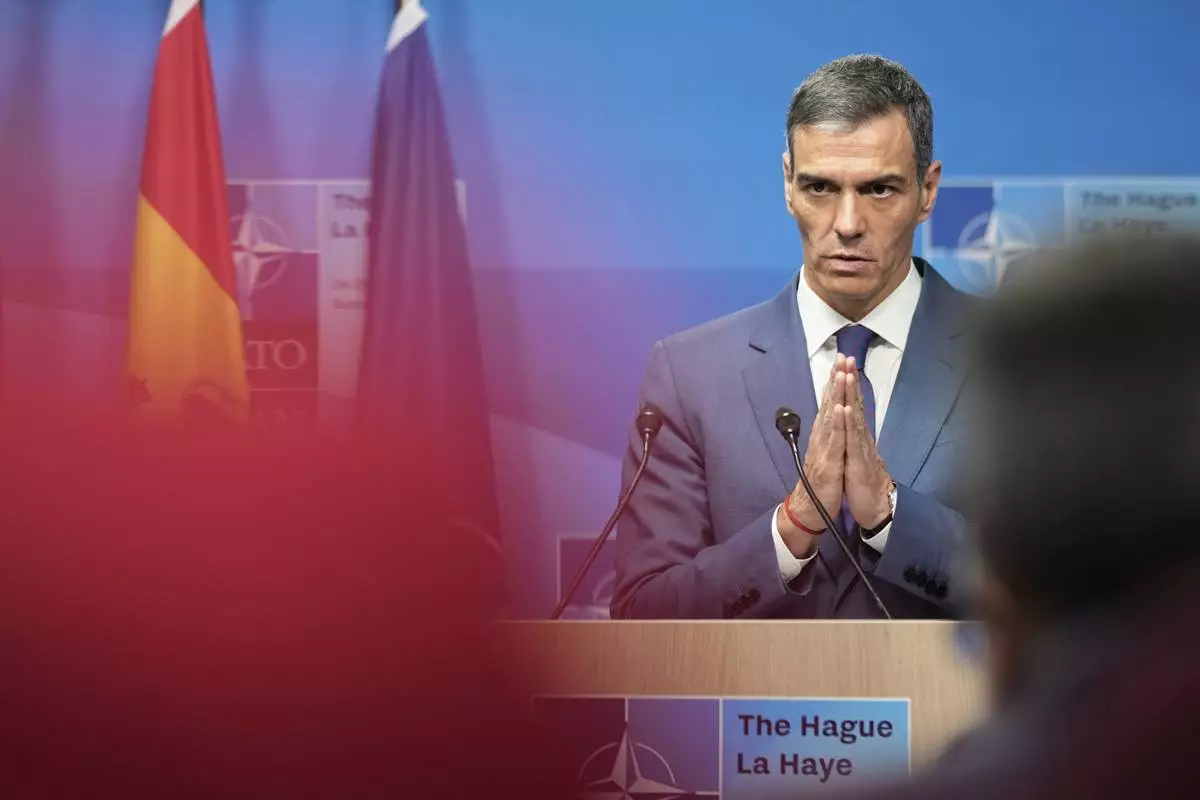
Spain's Prime Minister Pedro Sanchez gestures during a press conference after the plenary session at the NATO summit in The Hague, Netherlands, Wednesday, June 25, 2025. (AP Photo/Markus Schreiber)
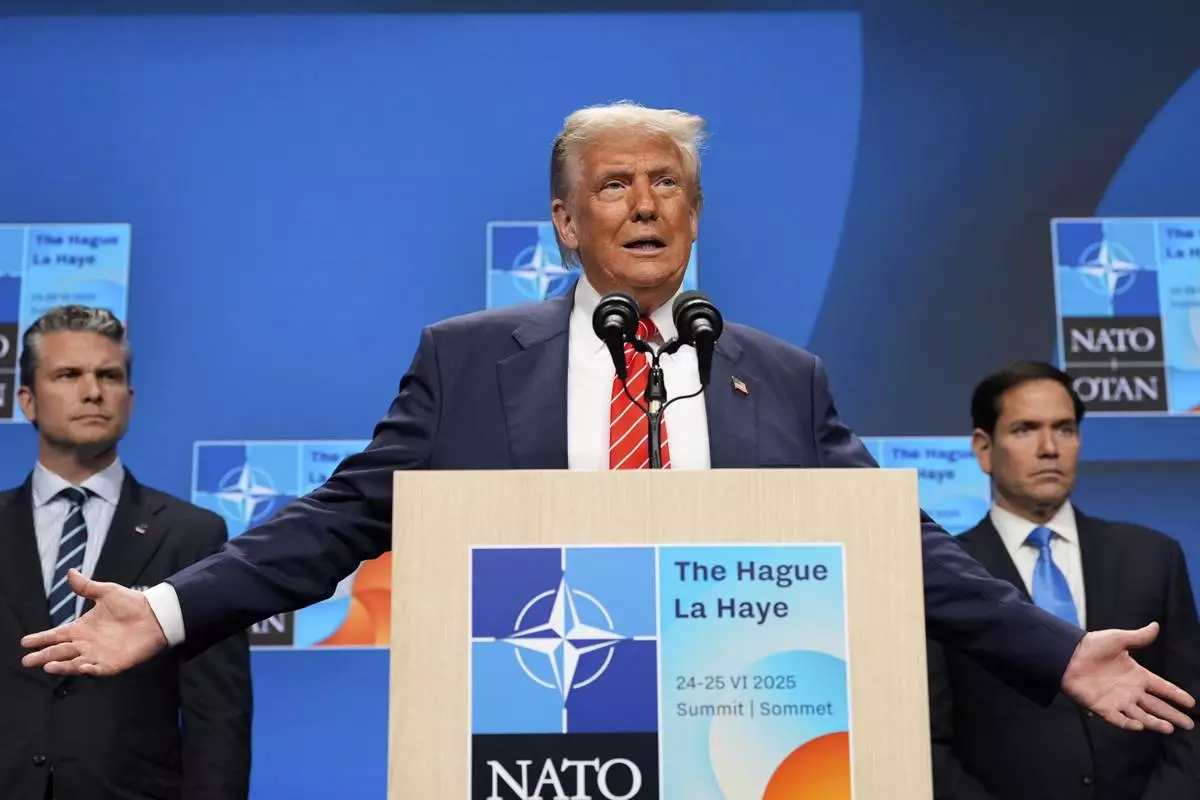
President Donald Trump speaks during a media conference at the end of the NATO summit as Foreign Secretary Marco Rubio, right, and Defence Secretary Pete Hegseth listen, in The Hague, Netherlands, Wednesday, June 25, 2025. (AP Photo/Alex Brandon)
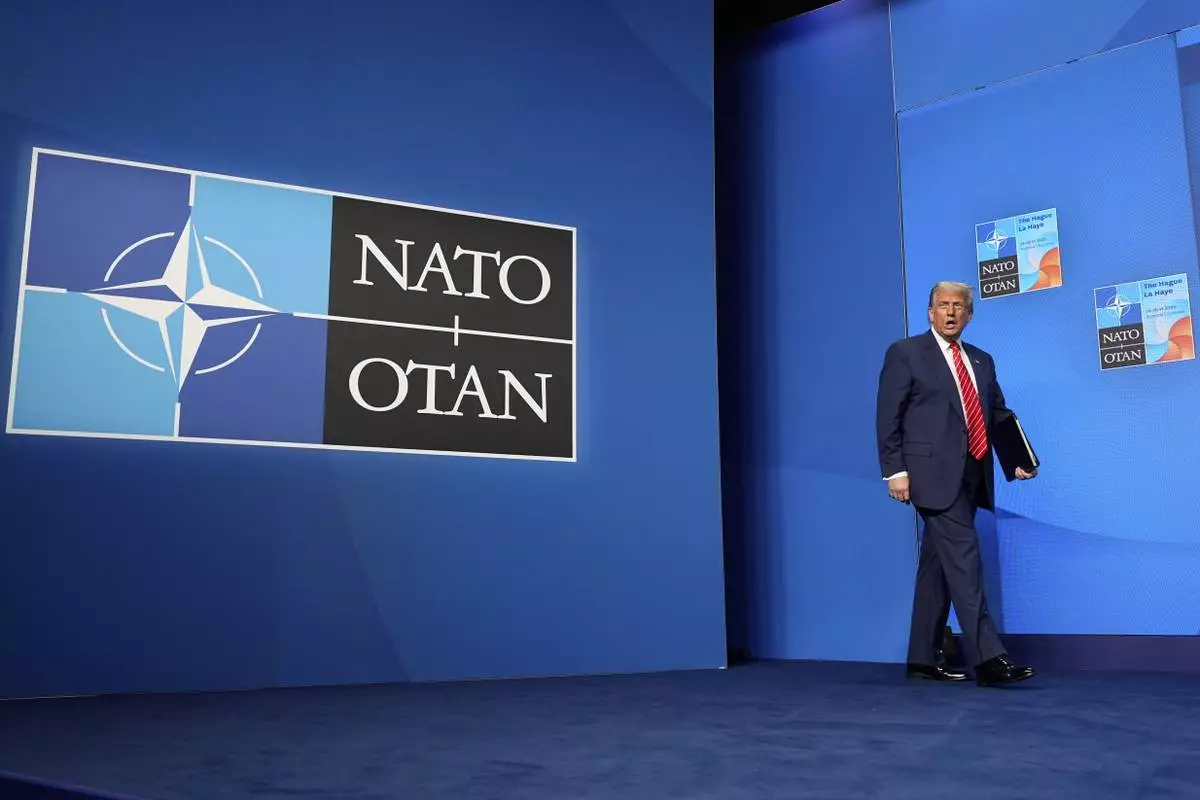
President Donald Trump arrives for a media conference at the end of the NATO summit in The Hague, Netherlands, Wednesday, June 25, 2025. (AP Photo/Alex Brandon)