As someone who is “not the best person with bugs and stuff,” Stephanie Bernaba never imagined herself becoming an outdoorsy mom.
But the mother of three is getting more daring as gas prices and other travel costs make vacations more expensive. Her family has traded pricier trips, such as long summer stays in Florida and an annual Disney World visit around her birthday, for local beaches, bike rides and hiking trails near their home in coastal Rhode Island.
Click to Gallery

Menu prices are displayed at a cafe in Santa Monica, Calif., Wednesday, May 20, 2026. (AP Photo/Jae C. Hong)
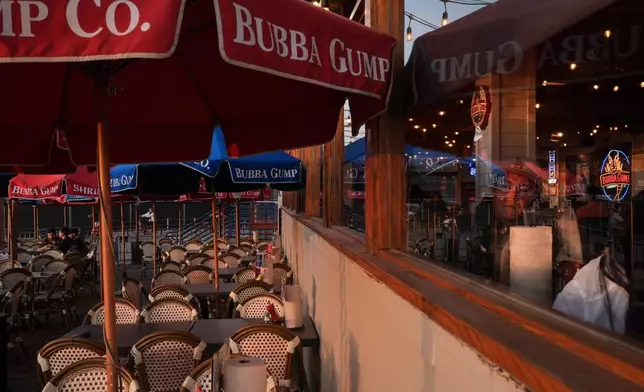
A diner looks out a restaurant window at sunset in Santa Monica, Calif., Wednesday, May 20, 2026. (AP Photo/Jae C. Hong)
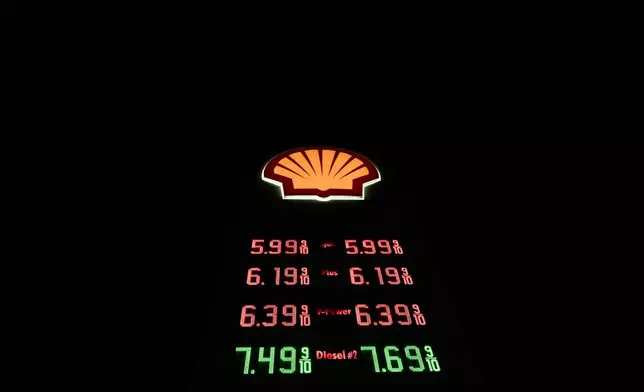
Gas prices are shown at a Shell gas station in Hacienda Heights, Calif., Wednesday, May 20, 2026. (AP Photo/Jae C. Hong)
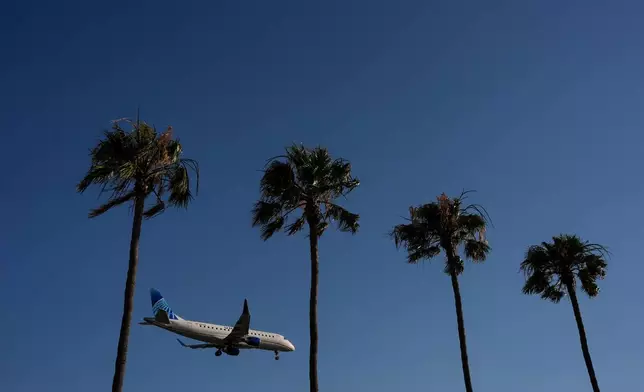
A United Airlines passenger jet approaches Los Angeles International Airport in Los Angeles, Wednesday, May 20, 2026. (AP Photo/Jae C. Hong)
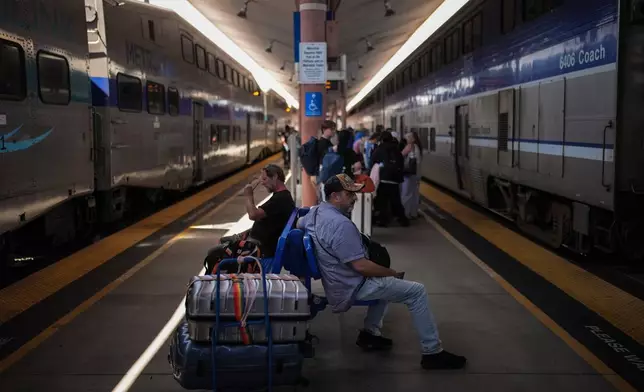
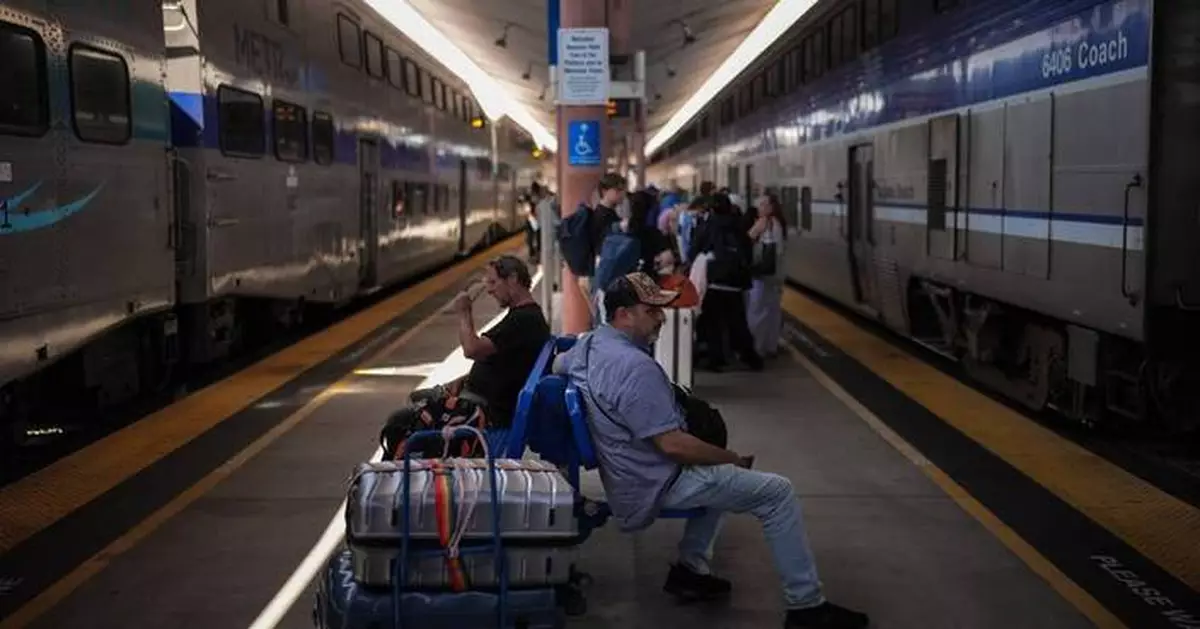
Travelers wait to board an Amtrak train at Union Station in Los Angeles, Wednesday, May 20, 2026. (AP Photo/Jae C. Hong)
“I’ve been trying to do more of that because one, it’s quality time. Two, it’s fresh air. And three, we’re not spending an arm and a leg,” Bernaba, 47, said.
That kind of calibration is shaping the summer travel season, which gets its traditional start in the U.S. with the long Memorial Day holiday weekend. Higher fuel prices resulting from the Iran war and other inflationary pressures are making most forms of travel costlier as people in many parts of the world form their plans.
The U.S. Travel Association expects annual travel spending to grow by a modest 1% this year, powered largely by domestic leisure travel despite the FIFA World Cup giving soccer fans from other countries a reason to visit the U.S. Airfares have climbed around the world along with the price of jet fuel as the war constrains global oil supplies.
Sticking closer to home may not cushion the sticker shock. The nonprofit Institute on Taxation and Economic Policy estimated Americans would collectively spend an extra $3.5 billion on gasoline over the holiday weekend. The average price for a gallon of regular gas in the U.S. was $4.56 on Thursday compared to $3.18 a year ago, according to motor club AAA.
Other travel expenses have gone up too. The latest consumer price index showed airfares were 20.7% higher in April from a year earlier, the cost of intracity transit such as buses and subways rose 5.6%, lodging cost 4.3% more, and eating out got 3.6% pricier.
Despite elevated prices, industry forecasts suggest Americans still want to get away, even if it means replacing long trips with long weekends, choosing destinations closer to home and finding ways to cut costs by cooking meals or using buses and trains instead of driving.
AAA predicted that 45 million U.S. residents would travel at least 50 miles (80.47 kilometers) from home between Thursday and Monday for the holiday. The Transportation Security Administration said it expects to screen 18.3 million passengers from Thursday to next Wednesday.
Many households are planning summer vacations but making tradeoffs such as shorter trips or cheaper lodging, according to Bank of America analysts. Mastercard said in a recent report that consumers appeared increasingly focused on value and were adjusting their destinations and timing instead of not going away at all.
“Generally, it’s certainly more of a demand reshuffling than a demand softening,” David Tinsley, a senior economist at Bank of America Institute, said.
For the Bernaba family, that has meant trading a big vacation for a shorter trip nearby this summer. Their scaled-back itinerary still is pricey: more than $400 for a ferry to Martha’s Vineyard for their car and passengers, and about $800 a night for each of the two hotel rooms the family of five needs.
Another family that had planned to join them backed out after seeing the price tag.
“The pinch is being felt all the way around,” Bernaba said.
Analysts have increasingly described travel spending as “K-shaped,” with higher-income households continuing to spend while lower-income families pull back or opt out entirely. Bank of America said lower-income households were significantly more likely to report having no summer travel plans this year.
New polling of registered U.S. voters by Quinnipiac University found that 48% have cut back on vacation spending, 54% have reduced what they spend on dining out, and 36% have curbed their driving.
Travelers are confronting other stressors besides cost.
Airlines around the world have canceled flights and trimmed routes to save on fuel and operating costs, leaving passengers with fewer options. The conflict in the Middle East has complicated getting there and rerouted flights to and from Asia, adding another layer of concern on top of broader geopolitical tensions and the declining value of the dollar for people considering trips abroad.
Recent U.S. government shutdowns, which caused major flight disruptions and long security lines, also are likely still fresh in travelers’ minds.
The various factors impacting travel right now has made planning trips more mentally taxing and may be pushing people toward simpler and more accessible vacations that feel easier to manage, said Marta Soligo, a tourism sociologist at the University of Nevada, Las Vegas.
“The key word here is unpredictability,” Soligo said. “Tourists don’t like unpredictability.”
Jim Wang, a personal finance blogger who lives in Maryland with his wife and four children, said his family’s original plan to travel to Spain to see a full solar eclipse in August began to unravel once they looked at the logistics.
Beyond thousands of dollars in airfare, the trip would have required multiple connecting flights, plus a car rental to reach northern Spain, where the path of totality is expected to pass.
“It’s like, ‘Oh, I don’t know if I want to see the eclipse that much,’” Wang said.
Instead, Wang’s family plans to head this summer to the Lake Tahoe area straddling California and Nevada, where they can stay at a relative’s cabin for free, hike and enjoy a slower pace with limited cellphone service. His wife’s parents and sister expect to join them.
“We’re still going to travel. It’ll just be different,” Wang said. “The vacations are no longer as grand for the adults. But for our kids, it’s still exciting.”
Nancy McGehee, a Virginia Tech hospitality professor who studies consumer behavior, said travelers are increasingly focusing more on the “why than the where” when it comes to vacations.
“What we’re seeing is people are saying, ‘Alright, we can’t do that big splashy trip we wanted to do, but what else can we do?’” McGehee said. “It’s more quality over quantity that we’re seeing people go for.”
Back in Rhode Island, Bernaba has accepted that travel may look different for her family for a while.
“I think that’s probably why my mind has gone to doing more nature-y things,” she said. “Let’s learn how to use the earth to enjoy ourselves because that’s not going to cost as much money.”
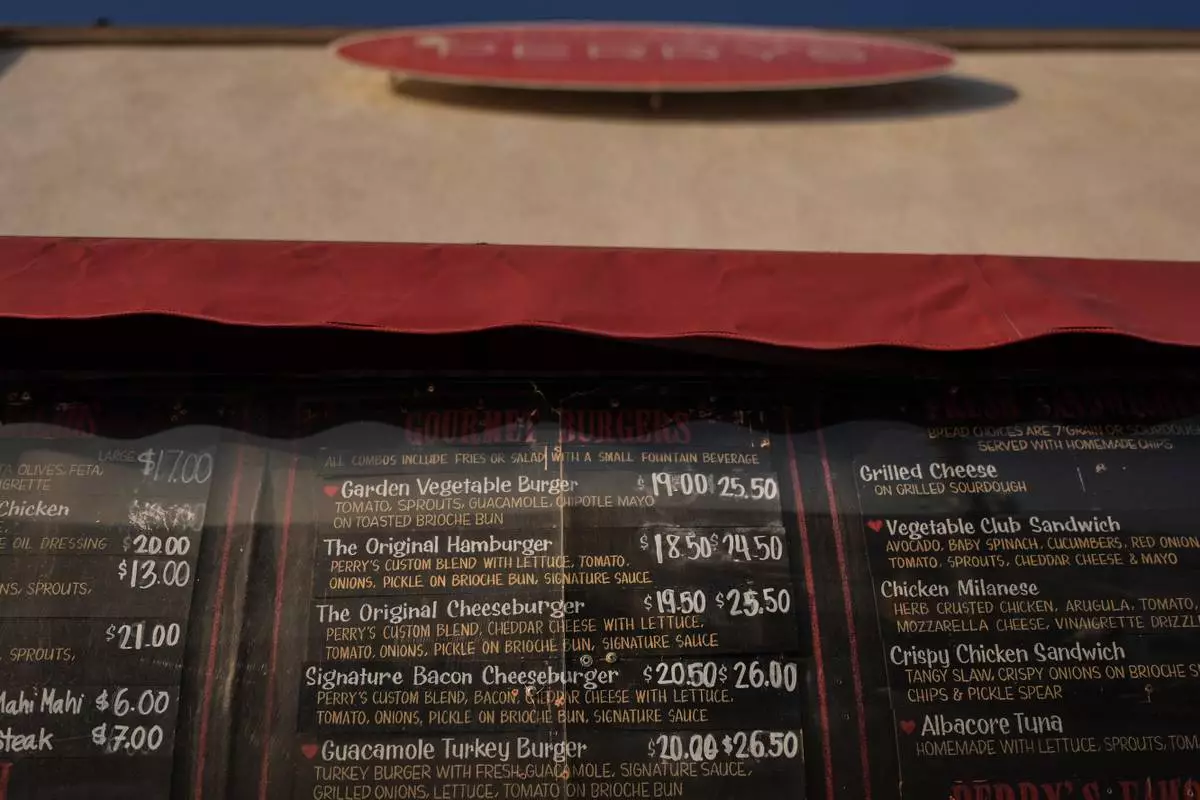
Menu prices are displayed at a cafe in Santa Monica, Calif., Wednesday, May 20, 2026. (AP Photo/Jae C. Hong)
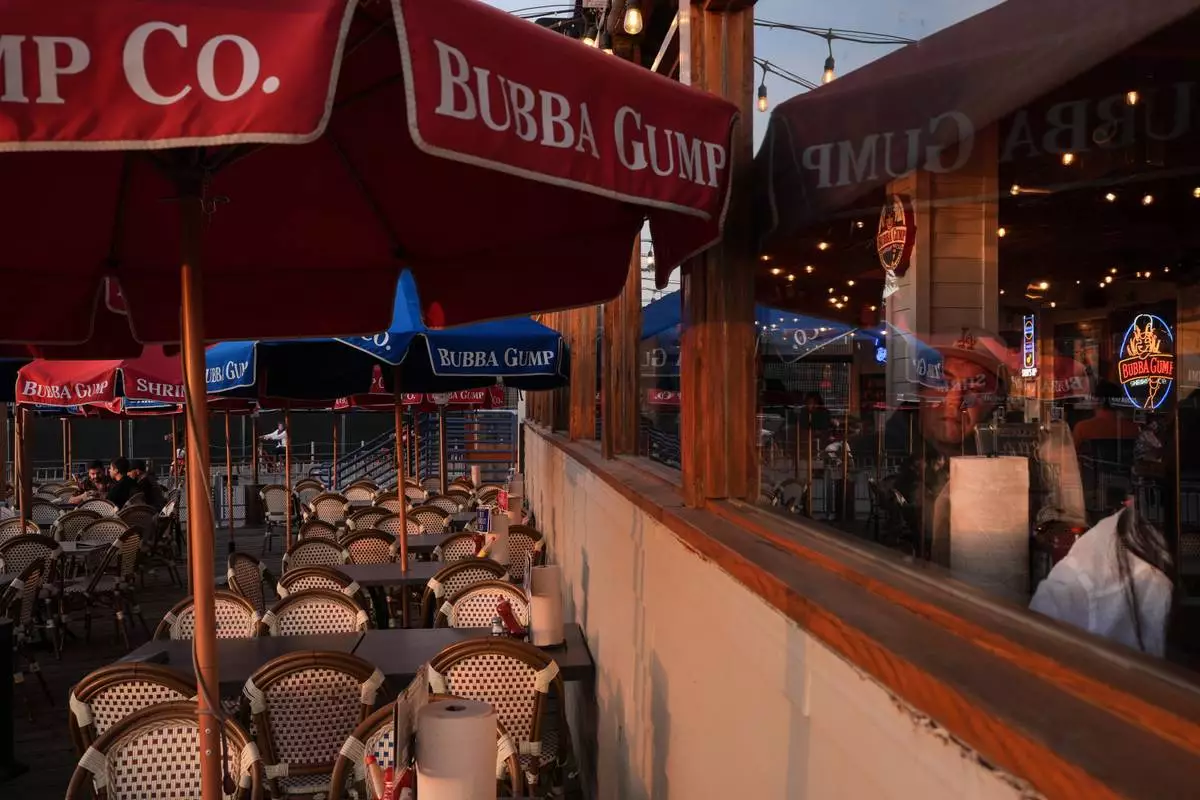
A diner looks out a restaurant window at sunset in Santa Monica, Calif., Wednesday, May 20, 2026. (AP Photo/Jae C. Hong)
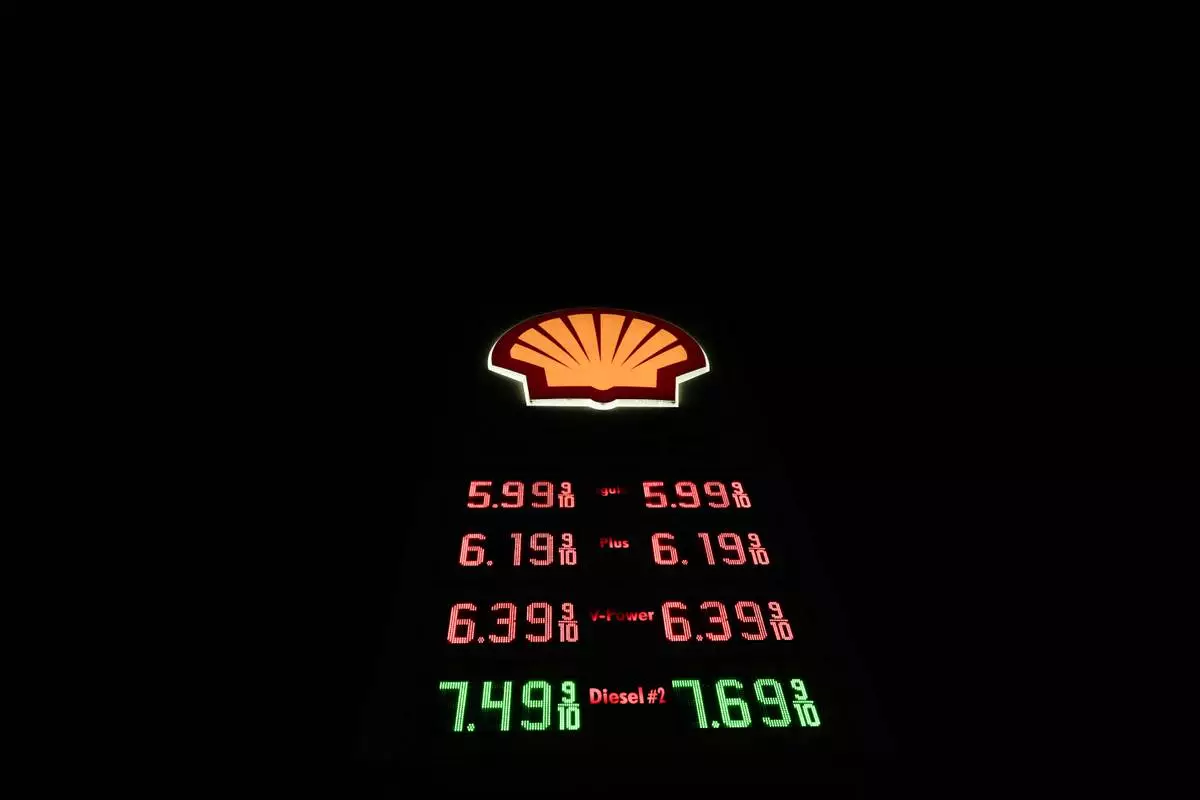
Gas prices are shown at a Shell gas station in Hacienda Heights, Calif., Wednesday, May 20, 2026. (AP Photo/Jae C. Hong)
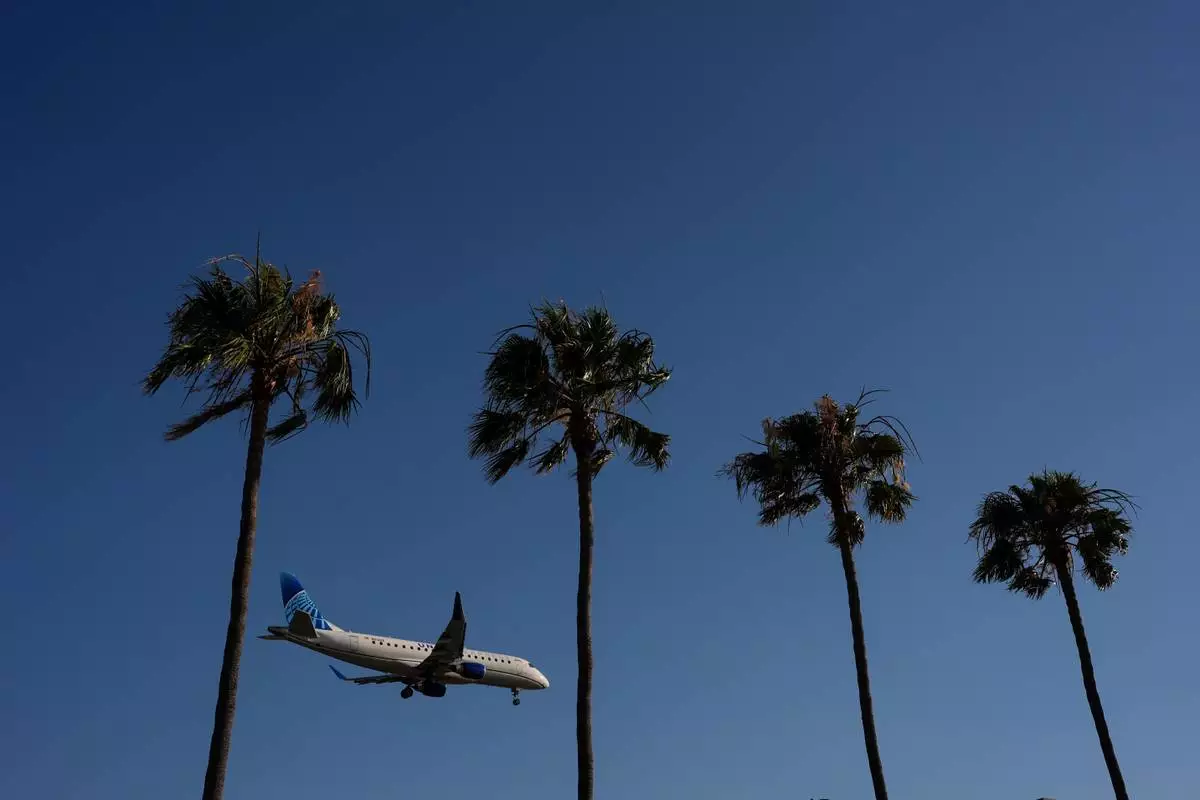
A United Airlines passenger jet approaches Los Angeles International Airport in Los Angeles, Wednesday, May 20, 2026. (AP Photo/Jae C. Hong)
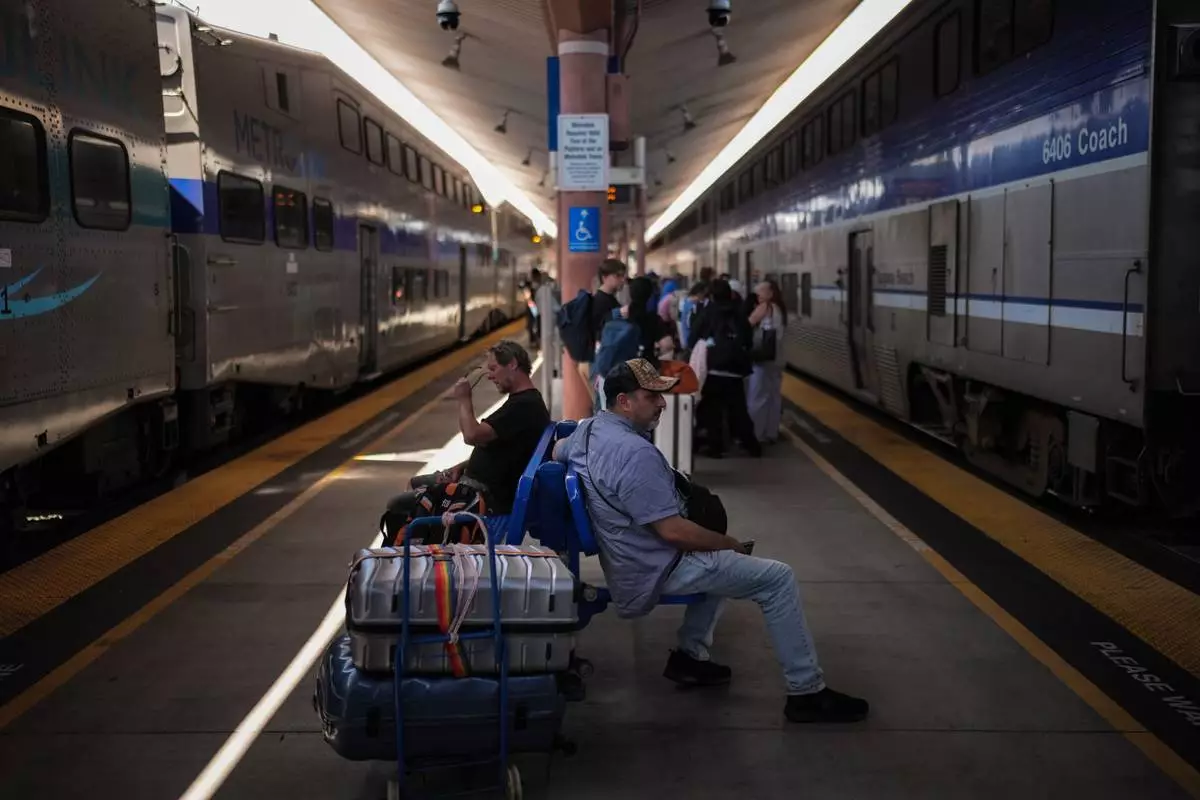
Travelers wait to board an Amtrak train at Union Station in Los Angeles, Wednesday, May 20, 2026. (AP Photo/Jae C. Hong)