Scientists in China have recently opened the country's first clinical ward dedicated to brain-computer interfaces (BCI) at Beijing Tiantan Hospital affiliated with Capital Medical University.
With the establishment of this new ward, the hospital will undertake BCI research and clinical trials and promote related technological advancements.
The groundbreaking technology of BCI combines neuroscience, artificial intelligence and medicine, allowing patients to control devices using only their thoughts.
"Initially, the patient had only what we called grade-3 muscle strength, which is very weak. But since beginning BCI training, we've seen significant improvement. He can now consciously activate and control specific muscle groups. That’s the brain-computer interface doing its job," said Zhao Jizong, chief of the hospital's neurosurgical and cerebrovascular neurosurgery department.
The science behind this breakthrough is revolutionary. Every thought humans have creates electrical impulses in the brain. The BCI system acts like a translator - capturing these neural signals, decoding them through advanced algorithms, and converting them into digital commands.
This creates a direct pathway between mind and machine, allowing patients to bypass damaged nerves and control devices with pure thought.
"Right now, we're seeing promising results with movement and speech restoration, but it's important to understand these are still research experiments, and full clinical implementation will require further development and time," Zhao said.
It's not just hospitals driving innovation. Medical enterprises play a crucial role by developing BCI devices, supporting clinical trials and collaborating with hospitals to accelerate safe deployment.
"As the world’s largest manufacturer of electronic devices, China holds a strong competitive edge in medical electronics. While neural stimulators were developed earlier abroad, we’ve integrated cutting-edge electronic technologies to make our products more convenient and functional. For example, our latest neural stimulator is a breakthrough innovation—once implanted, patients no longer need extended hospitalization. Instead, they can simply use a smartphone app to periodically record and upload brainwave data to the cloud. Doctors can then analyze this real-time data and adjust treatment plans remotely," said Du Yuhui, general manager of Rishena medical devices company based in east China's Jiangsu Province.
With coordinated efforts from healthcare providers, tech developers, policymakers and industry leaders, experts believe that today's experimental technologies could soon become standard care.
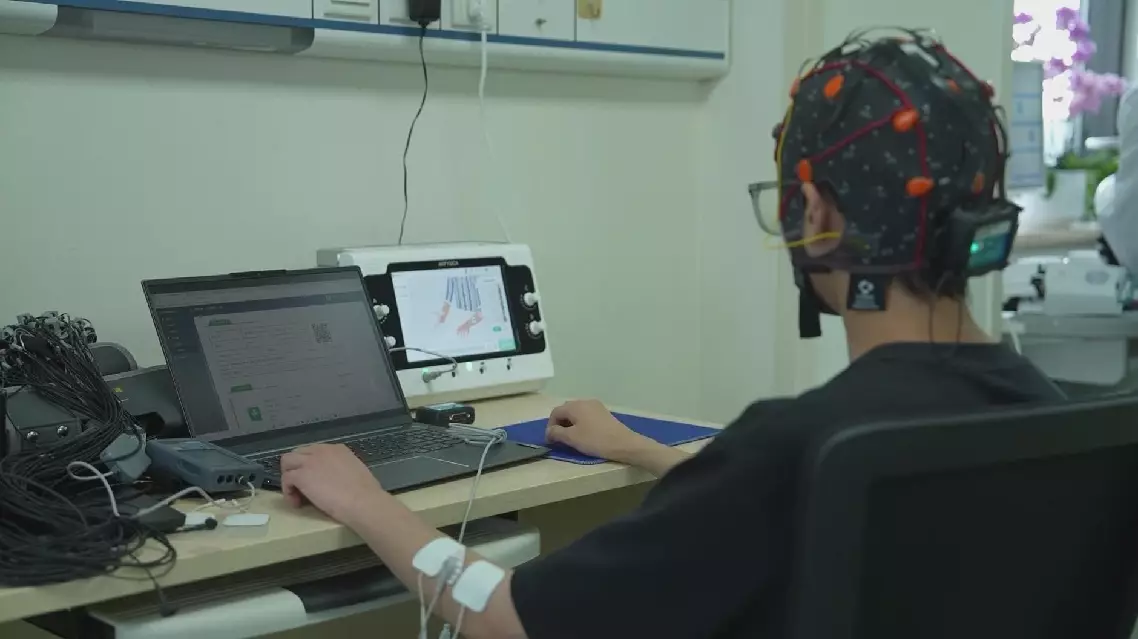
China's first BCI clinical ward to drive innovation on medical treatment
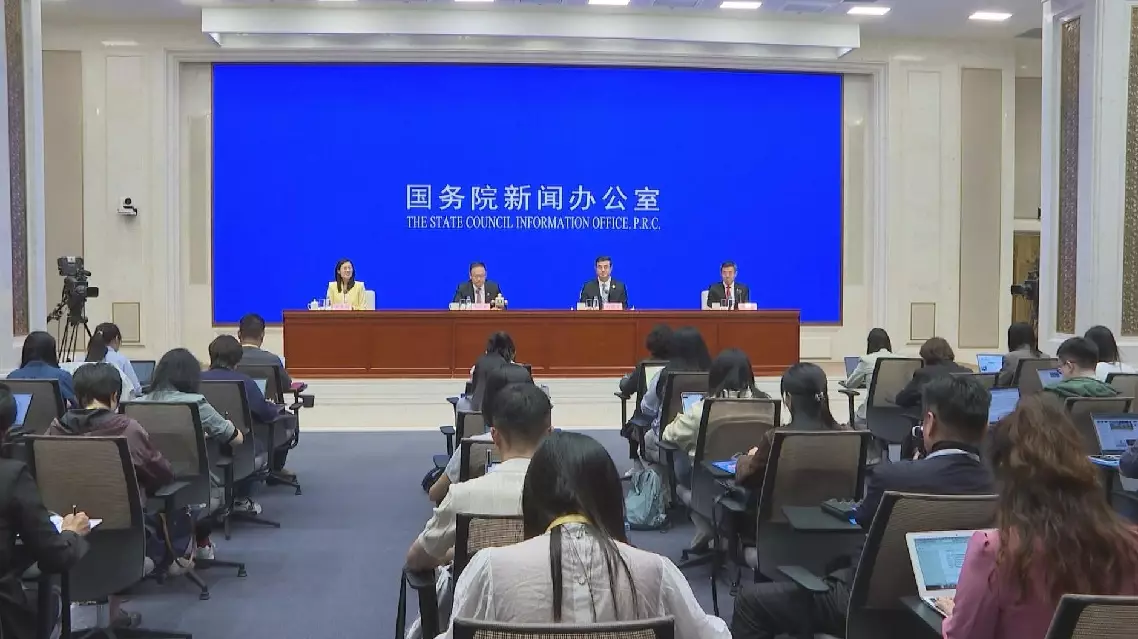
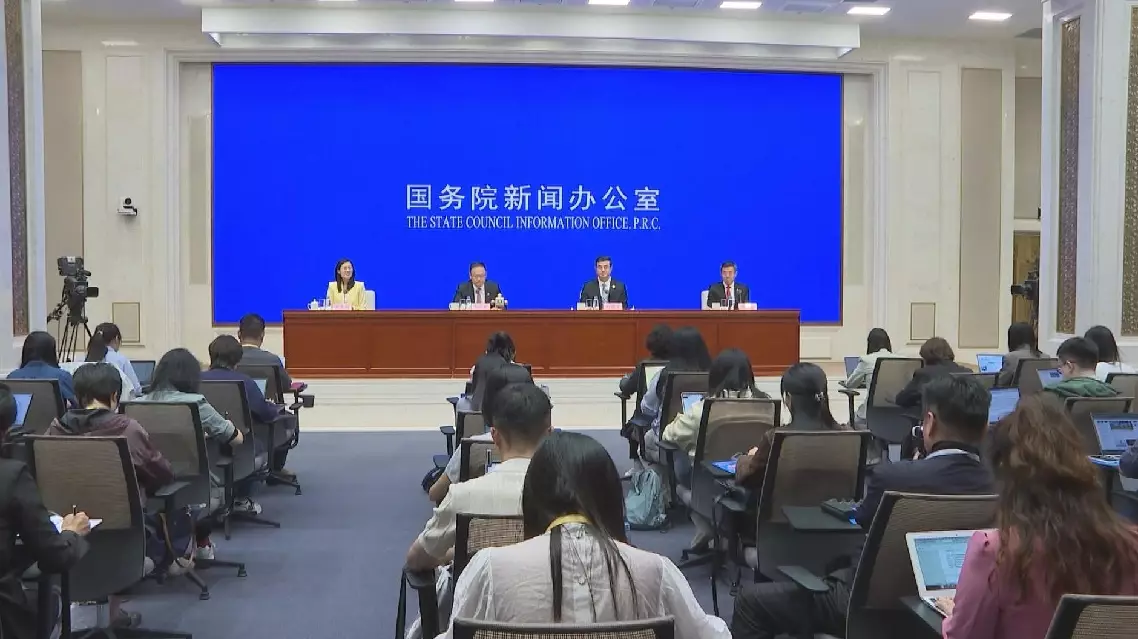
The Asia-Pacific Economic Cooperation (APEC) CEO China Forum 2026 will be held in Beijing on June 21, the China Council for the Promotion of International Trade (CCPIT) announced on Friday.
The event will feature an opening ceremony and three seminars to review this year's key outcomes such as the APEC Business Advisory Council (ABAC) Statement on Free Trade Area of the Asia-Pacific (FTAAP) and the ABAC Statement on Connectivity, and prepare high-quality policy suggestions from the business community for the APEC Economic Leaders' Meeting slated for November in south China's Shenzhen, the CCPIT said.
"The Asia-Pacific business community has released a joint statement on progress toward the FTAAP and called for an upgraded version of the APEC Connectivity Blueprint on the basis of the outcomes of the Beijing summit in 2014. This fully demonstrates the shared aspiration of the Asia-Pacific business community for stable and smooth industrial and supply chains, and for a universally beneficial and inclusive economic globalization," said Yang Mi, director of CCPIT's general office.
The APEC forum will be closely followed by the 4th China International Supply Chain Expo, which is scheduled for June 22-26 in Beijing.
The expo will feature more than 60 business exchange activities, with foreign provinces serving as guests of honor for the first time, according to the CCPIT.
"At this year's supply chain expo, 48 percent of the foreign exhibitors will be from China's Belt and Road partner countries. During the exhibition, we will hold a Belt and Road trade and investment forum and a roundtable on international chamber of commerce cooperation for the New Land-Sea Trade Corridor. In addition, we will hold an exchange activity for exhibitors, a working meeting of the China International Supply Chain Expo Exhibitors Alliance, the BRICS Women's Leadership Forum, and other exchange activities," said Liu Jiannan, vice chairman of CCPIT.
The expo will also host country-specific promotion sessions, bilateral economic and trade activities, and cross-industry exchanges to facilitate the flow of the resources along industrial and supply chains, according to the CCPIT.
The Auvergne-Rhone-Alpes region of France and the Liguria region of Italy will be foreign guest provinces of honor, which will carry out promotion and exchange activities with Chinese guest provinces of honor, the CCPIT said.
As the world's first national-level exhibition focusing on supply chains, the China International Supply Chain Expo is an internationally shared public product.
First held in 2023, the expo has contributed to building more secure, stable, open and inclusive global industrial and supply chains, according to the CCPIT.
Beijing to host APEC CEO forum next month
Beijing to host APEC CEO forum next month