The spread of infectious diseases, especially cholera, has posed a challenge to Sudan's health system amid the conflict between the Sudanese Armed Forces (SAF) and the paramilitary Rapid Support Forces (RSF) over the past two years.
The number of cholera infections in Sudan has surpassed 70,000, as conflict zones are experiencing widespread hospital closures and shortages of medical supplies, leaving the system for infectious disease surveillance, prevention, and control almost unable to function.
According to the latest data from the United Nations Office for the Coordination of Humanitarian Affairs, 70 to 80 percent of medical institutions in the conflict zones have shut down due to the conflict, and around 65 percent of the Sudanese population has no access to basic medical service.
Since the new round of cholera outbreaks in July 2024 in Sudan, the epidemic has swept across 13 of its 18 states, with around 74,000 infectious cases reported, including more than 1,800 deaths, said the World Health Organization in mid-June.
Many power stations in Khartoum State have been attacked since May this year, causing an interruption of water and electricity supply in large areas of the state. Residents have been forced to drink well water or river water directly that has not been disinfected and purified, which has exacerbated the spread of cholera in the area.
"The number of cholera infection cases received by our hospital every day is sometimes 20 to 30, and sometimes 60 to 70. The situation changes every day. The operation of the hospital is facing many difficulties, with frequent water and power outages. The drinking water of most residents has not been disinfected, which is the most serious problem at present," said Dr. Hamad Adel from Bashair Teaching Hospital.
"The current epidemic is the result of more than two years of warfare. The conflict has led to the displacement of the people, and many people's lives and properties have suffered serious damage. Medical facilities, equipment and supplies have also been systematically damaged. The war brought about a serious epidemic," said Fath Al-Rahman Mohamed Al-Amin, director-general of the Khartoum State Ministry of Health.
The Sudanese Ministry of Health launched a cholera vaccination campaign in Khartoum State to curb the epidemic on June 10, covering approximately 2.6 million people aged one and above in the state. At present, the epidemic has been somewhat contained in the state.
However, Sudan will enter the rainy season in July when the hot and humid environment is conducive to the breeding of bacteria, and mosquitoes, flies and other vectors also multiply in large numbers, which brought greater pressure for epidemic prevention and control.
The conflict between the SAF and RSF, which erupted on April 15, 2023 over tensions linked to a planned political transition, has killed tens of thousands, displaced over 15 million people, and left Sudan facing what the UN calls one of the world's worst humanitarian crises. UN agencies warn the country is nearing famine, with its healthcare system collapsed and accurate casualty counts nearly impossible to verify.
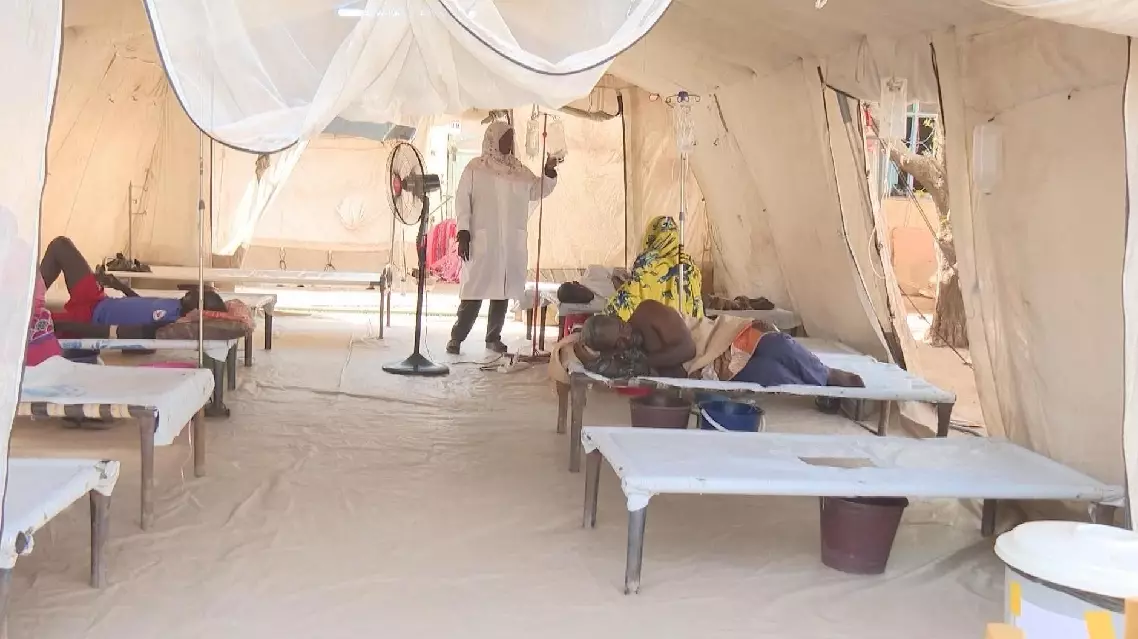
Cholera epidemic poses challenge to Sudan's health system amid conflict
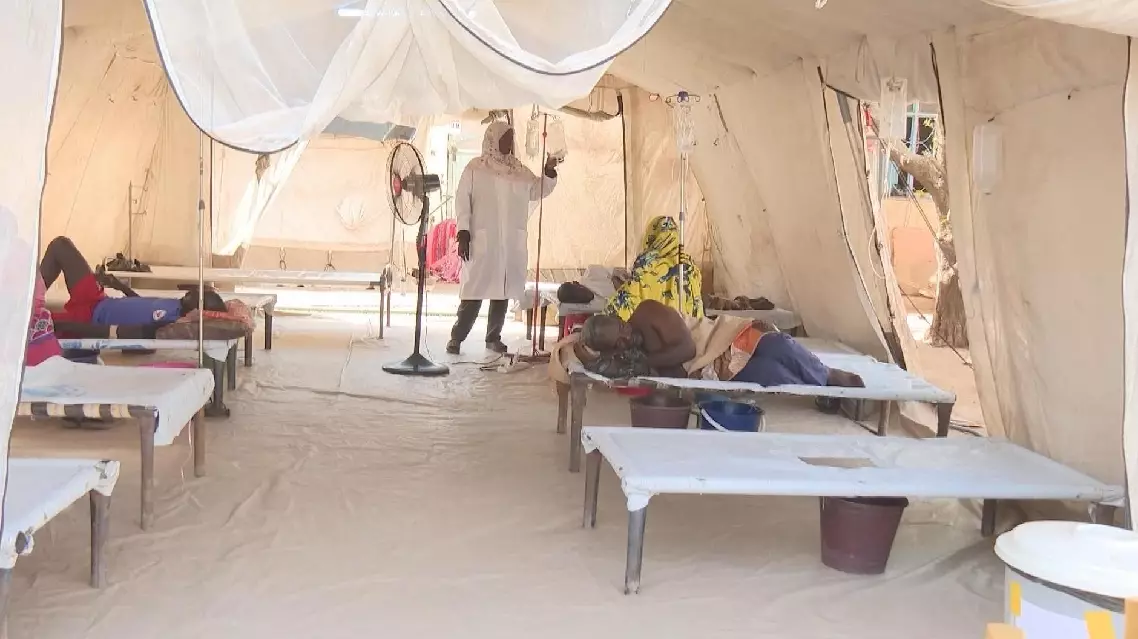
Cholera epidemic poses challenge to Sudan's health system amid conflict