A fire broke out in a hotel building on Dubai's landmark Palm Jumeirah on Saturday, believed to have been caused by falling Iranian missile debris.
Earlier in the evening, videos circulating on social media showed a dense column of black smoke rising from the top of the structure, while several loud explosions were reported in the area.
The United Arab Emirates (UAE) Ministry of Defense said Saturday that its air defense systems had intercepted and destroyed a new wave of Iranian missiles and drones launched towards the country.
The ministry confirmed that multiple missiles were intercepted by the UAE's air defense system, with debris falling in several areas of Abu Dhabi and Dubai.
Dubai Civil Defense said four people were injured in an explosion in the Palm Jumeirah area.
In a statement, the ministry stressed that the targeting constitutes a blatant violation of national sovereignty and international law, affirming the UAE's full right to take all necessary measures to protect its territory and people and to safeguard its sovereignty, security and stability.
The UAE has reportedly closed parts of its airspace as a precautionary measure.
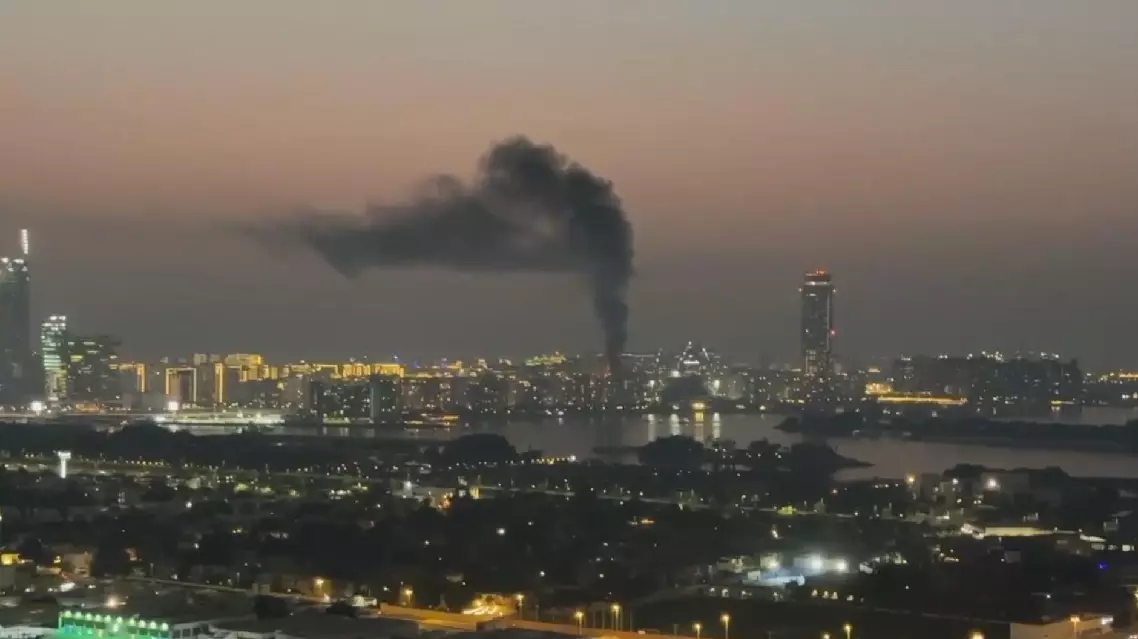
Fire breaks out at Dubai’s Palm Jumeirah hotel, missile debris suspected
China and Vietnam should be a community with a shared future for the socialist cause, said President Xi Jinping on Wednesday when he and his wife Peng Liyuan bid farewell to Vietnamese President To Lam and his wife Ngo Phuong Ly in Beijing.
Xi, also general secretary of the Communist Party of China (CPC) Central Committee, said he had a long, in-depth exchange of views with To Lam, also general secretary of the Communist Party of Vietnam (CPV) Central Committee, on issues of common concern that have strategic and overarching significance, and reached many new important consensuses.
Xi said both China and Vietnam are socialist countries, and should continue to forge ahead firmly to the direction set by this road and build a community with a shared future for the socialist cause.
The two countries are good neighbors who share weal and woe and are moving towards modernization together, he said, calling on both sides to build a community with a shared future for achieving modernization.
Xi said both China and Vietnam advocate harmony among all nations, and should be partners in promoting the building of a community with a shared future for humanity against the background of the changes in the world unseen in a century.
Noting that To Lam will set off to visit Guangxi to gain a deeper understanding of China once again, Xi said China stands ready to work with Vietnam to lead the building of a China-Vietnam community with a shared future onto a fast track of development.
To Lam expressed gratitude to Xi and the Chinese side for their comradely and brotherly hospitality to the Vietnamese delegation, saying that China's special arrangements demonstrate its special friendship with Vietnam, which has deeply touched the Vietnamese side.
Vietnam-China relations are at their best in history, and this visit, with many important consensuses reached and many cooperation agreements signed, has achieved complete success, he said.
To Lam said that during the visit, the Vietnamese delegation saw significant outcomes of the implementation of a series of major theories proposed by Xi.
Vietnam is willing to work with China to fully implement the important consensuses reached during this visit, turn them into new impetus for promoting friendly cooperation between the two sides, facilitate greater development of the two countries, and make new strides in building a higher-level community with a shared future that carries strategic significance, he said.
To Lam also visited the Museum of the Communist Party of China on Wednesday afternoon.
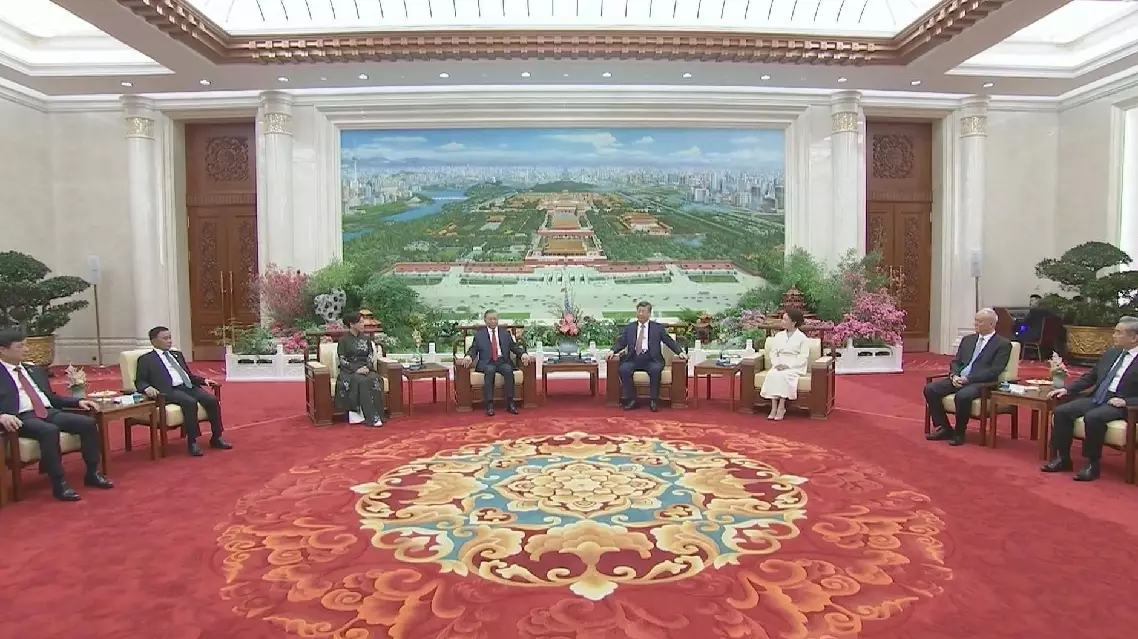
Xi bids farewell to Lam
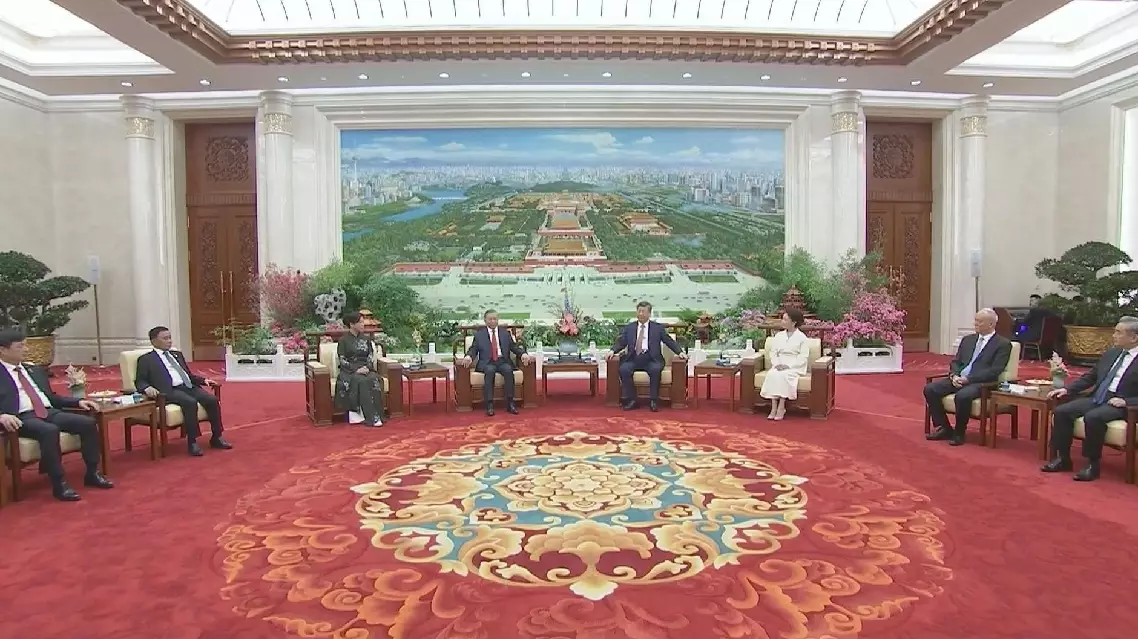
Xi bids farewell to Lam
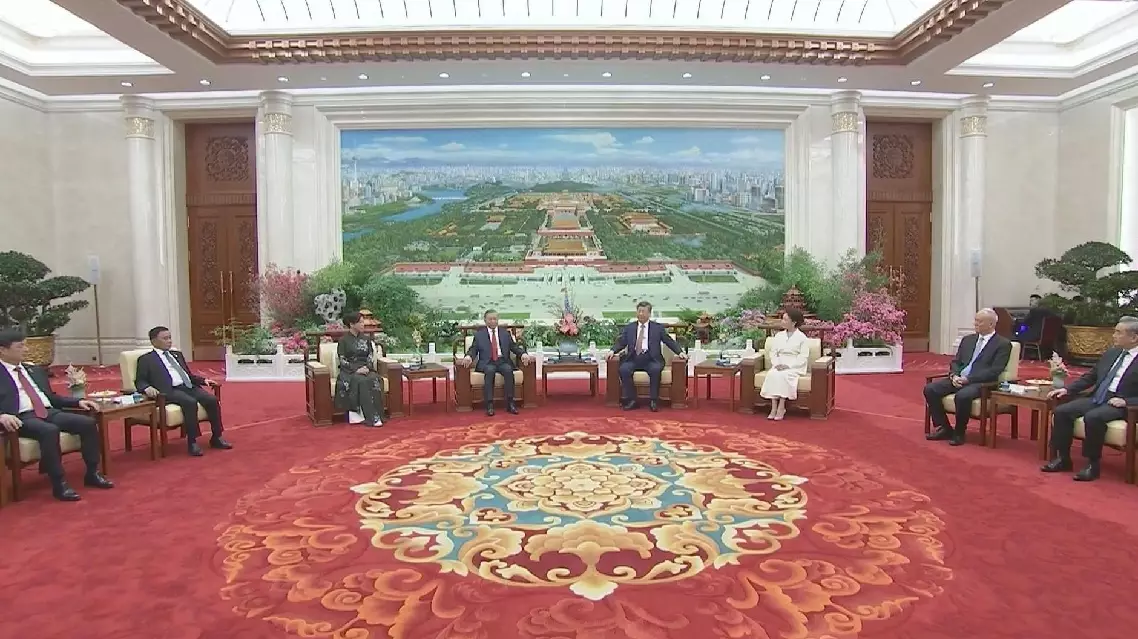
Xi and his wife bid farewell to To Lam and his wife
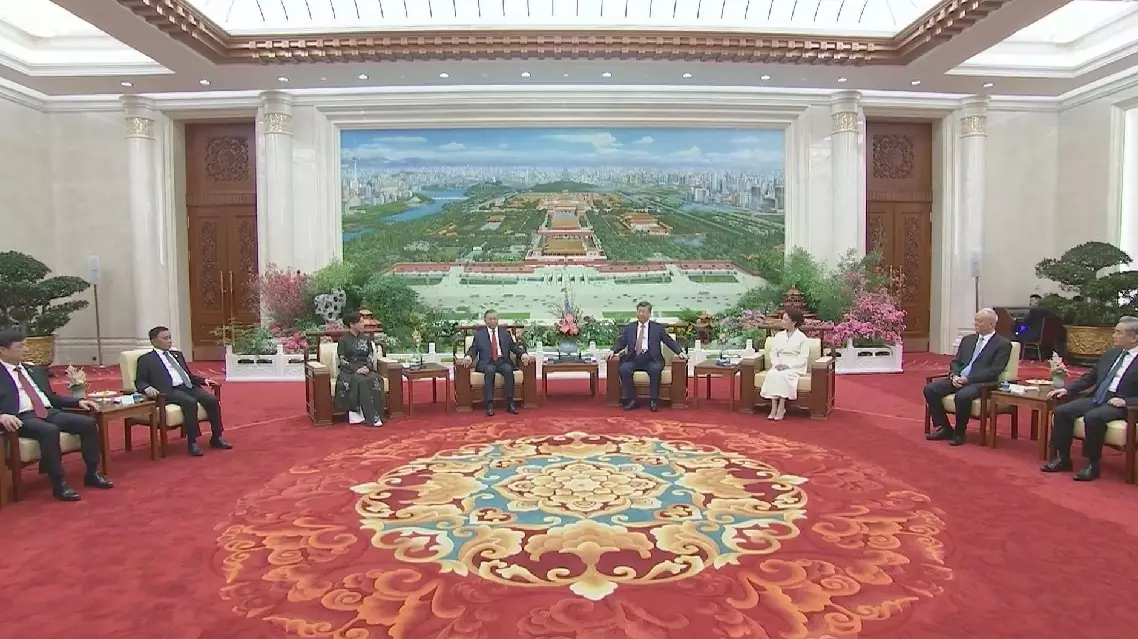
Xi and his wife bid farewell to To Lam and his wife
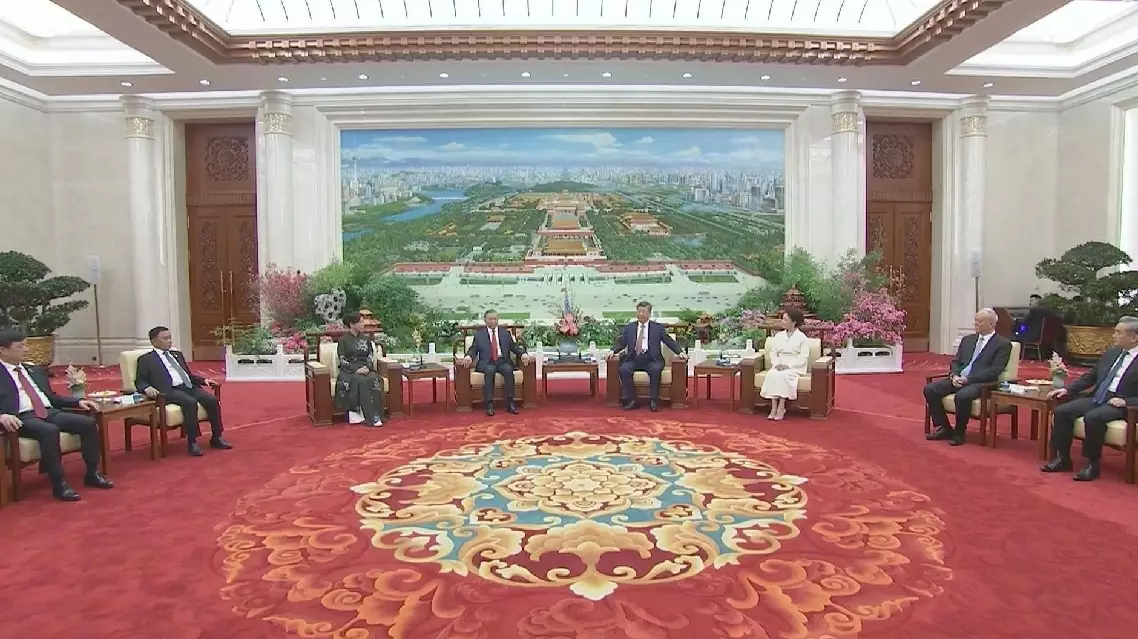
Xi and his wife bids farewell to To Lam and his wife