International cargo and mail throughput of the Urumqi Tianshan International Airport in northwest China's Xinjiang rose by 659 percent year on year to 46,000 tons as of June 26, according to local authorities.
The volume exceeded the airport's total international cargo and mail throughput in 2024.
A cargo flight from Tashkent of Uzbekistan landed at the airport on the morning of June 28 and carried a batch of cross-border e-commerce goods back to Tashkent the same day.
The airport's new terminal which began trial operations on April 17 has greatly shortened the customs clearance time for international cargo flights.
With the new terminal, a key part of the airport's expansion project that started in 2019, put into operation, the Urumqi Tianshan International Airport is delivering more efficient air transport services, and its annual passenger and cargo handling capacity has more than tripled.
Thus the airport, formerly known as Urumqi Diwopu International Airport, has become an air hub for China's westward opening up, according to Xinjiang Airport Group Co., Ltd.
With the completion of the expansion project, the airport now has three runways, up from one, and can handle up to 48 million passengers and 550,000 tons of cargo annually. It is now capable of supporting nearly 367,000 aircraft takeoffs and landings per year.
The airport now operates 28 international cargo routes linking 18 countries and regions.
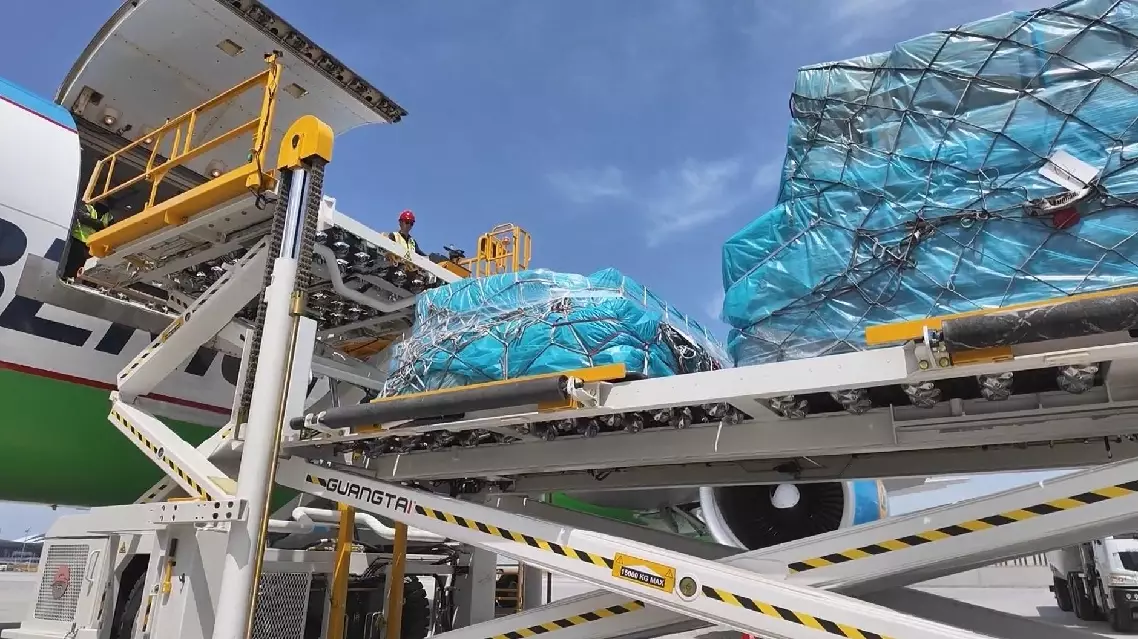
Xinjiang airport sees surge of international cargo, mail throughput
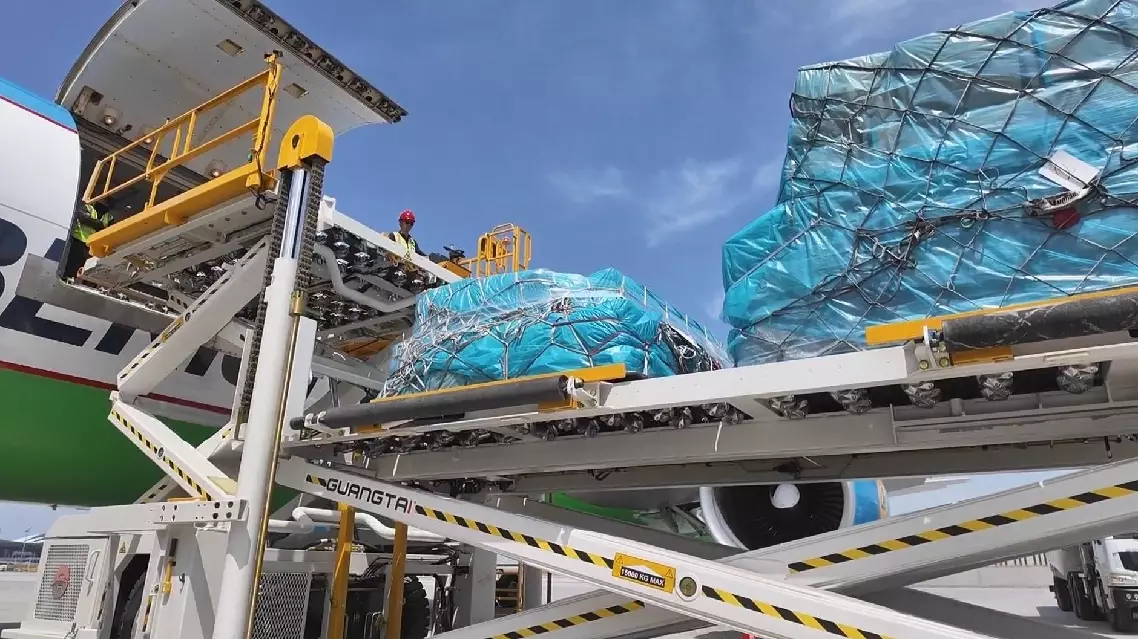
Xinjiang airport sees surge of international cargo, mail throughput
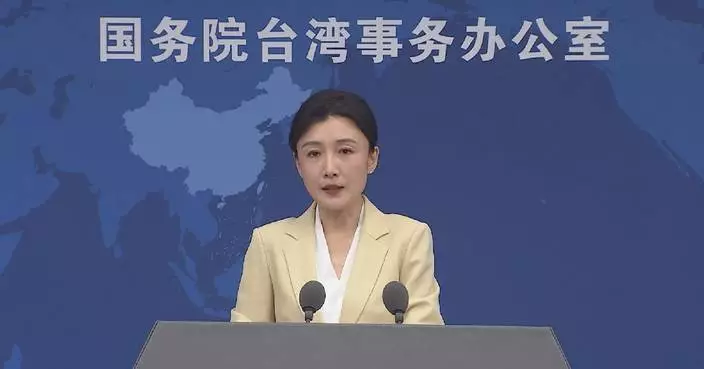
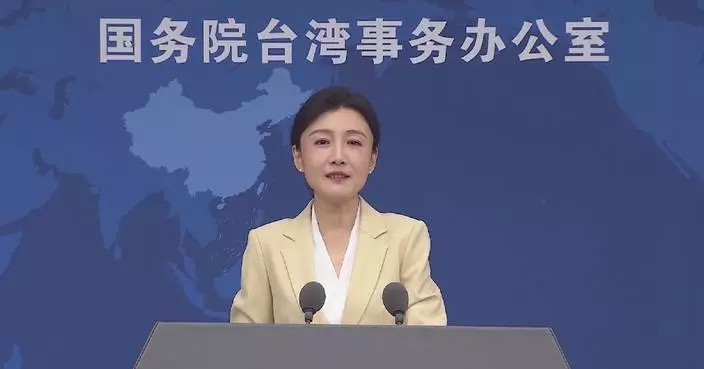
Taiwan's Democratic Progressive Party (DPP) authorities politicizing a cross-Strait zoo animal exchange program involving red pandas is absurd and ridiculous, said a spokesperson of the State Council Taiwan Affairs Office on Wednesday.
A handover ceremony for two red pandas from Shanghai to Taipei was held on June 5, following a black-footed penguin-red panda exchange agreement between the two cities' zoos under the 2024 cooperation memorandum of the Shanghai-Taipei City Forum.
While the red pandas' handover under the memorandum drew widespread attention and warm praise from netizens on both sides of the Taiwan Strait, some DPP politicians claimed the twin-city forum would become a "breach" for "infiltration."
In response, Zhang Han, the spokesperson, highlighted the forum's role in promoting exchanges, and slammed the secessionist forces in Taiwan for politicizing an animal conservation exchange program.
"The Shanghai-Taipei City Forum serves as an important institutionalized exchange platform between the two cities and has played an important and positive role in promoting exchanges and cooperation in various fields. Animal conservation exchanges involve no confrontation, only warmth. Such activities are highly beneficial and the more the better," Zhang told a press briefing in Beijing.
"More interaction and exchanges are the shared aspiration of compatriots on both sides of the Taiwan Strait. We will, as always, support exchanges and cooperation in various fields, including cross-Strait city exchanges, to continuously enhance the well-being of compatriots across the Strait, and promote closer bonds between compatriots on both sides. 'Taiwan independence' separatist forces routinely smear cross-Strait exchanges and cooperation with so-called 'breaches for infiltration' claims, and now they are making a political issue out of red pandas, which is absurd and ridiculous," she said.
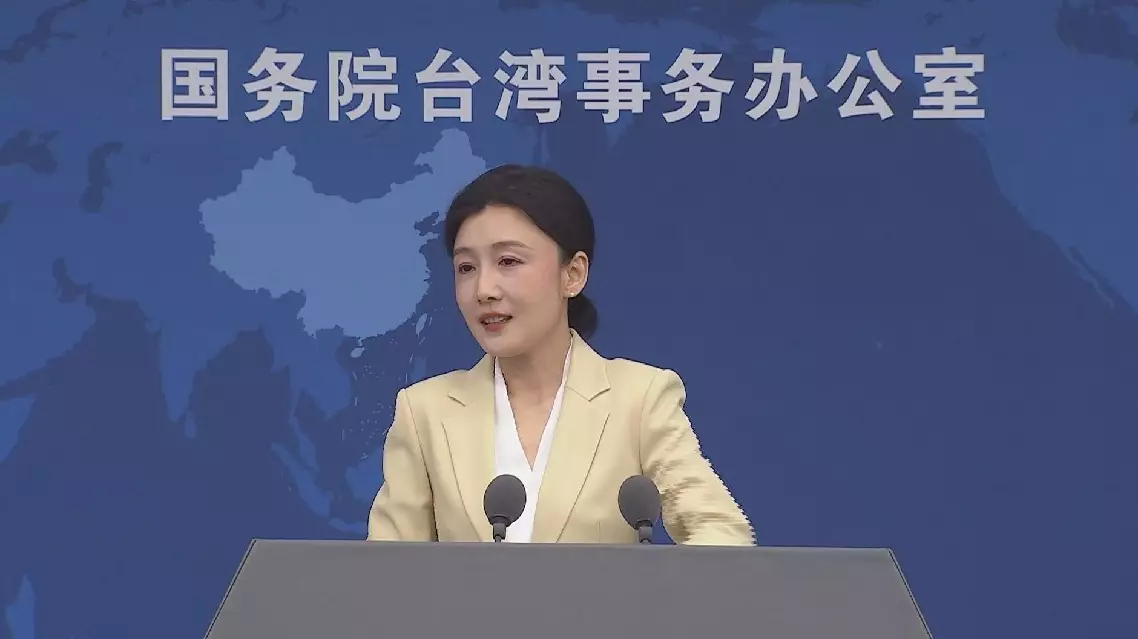
Spokesperson dismisses Taiwan's DPP for making fuss over red pandas