Europe is to endure extreme heat waves more frequently than before, Clare Nullis, spokesperson for the World Meteorological Organization (WMO) of the United Nations, said on Tuesday.
The blistering early-summer heatwave has brought life-threatening temperatures and is a worrying sign of things to come, said Nullis.
Click to Gallery
More frequent extreme heat waves grip Europe
More frequent extreme heat waves grip Europe
More frequent extreme heat waves grip Europe
More frequent extreme heat waves grip Europe
Dangerously warm conditions are becoming more frequent, more intense because of human-induced climate change caused by burning fossil fuels, she said. According to the WMO, the night-time minimum temperatures and daytime maximum temperatures broke monthly station records for June in parts of western and southwestern Europe.
"The frequency and intensity of extreme heat events is increasing in Europe. And by 2050, about half the European population may be exposed to high or very high risk of heat stress during summer," Nullis said.
She said the WMO insisted that warnings from national weather services and coordinated heat-health action plans are increasingly important to protect public safety and wellbeing.
More frequent extreme heat waves grip Europe
More frequent extreme heat waves grip Europe
More frequent extreme heat waves grip Europe
More frequent extreme heat waves grip Europe
Iranian Parliament Speaker Mohammad Baqer Qalibaf warned on Sunday that Tehran would view the United States and Israel's military bases and facilities in the Middle East as "legitimate targets" should Washington take military action against Iran.
At a parliamentary session convened to review an emergency proposal on assembly regulations, Qalibaf emphasized that, at this highly sensitive juncture, Iran must accurately and thoroughly identify the schemes of its adversaries.
Qalibaf said that Iran is currently confronting Israel and the United States simultaneously on four fronts: economic, cognitive, military, and counterterrorism. Of them, the economic warfare and the cognitive and psychological warfare began many years ago and have persisted to this day, growing increasingly complex and intense in recent years.
The remarks came as U.S. President Donald Trump is reportedly "seriously considering authorizing a strike" against Iran, taking advantage of its nationwide unrest.
Protests have erupted in several Iranian cities since late December over the sharp fall of the rial and long-standing economic hardship. Iranian authorities have acknowledged the demonstrations and voiced willingness to address economic grievances, while warning against violence and vandalism.
Amid the ongoing protests, deadly clashes have been reported lately between police and what the government described as "rioters." However, no official death toll has been released.
Also on Sunday, Iran's semi-official Tasnim news agency reported that Iranian President Masoud Pezeshkian will address the country's economic situation and political environment in a televised interview later that day.
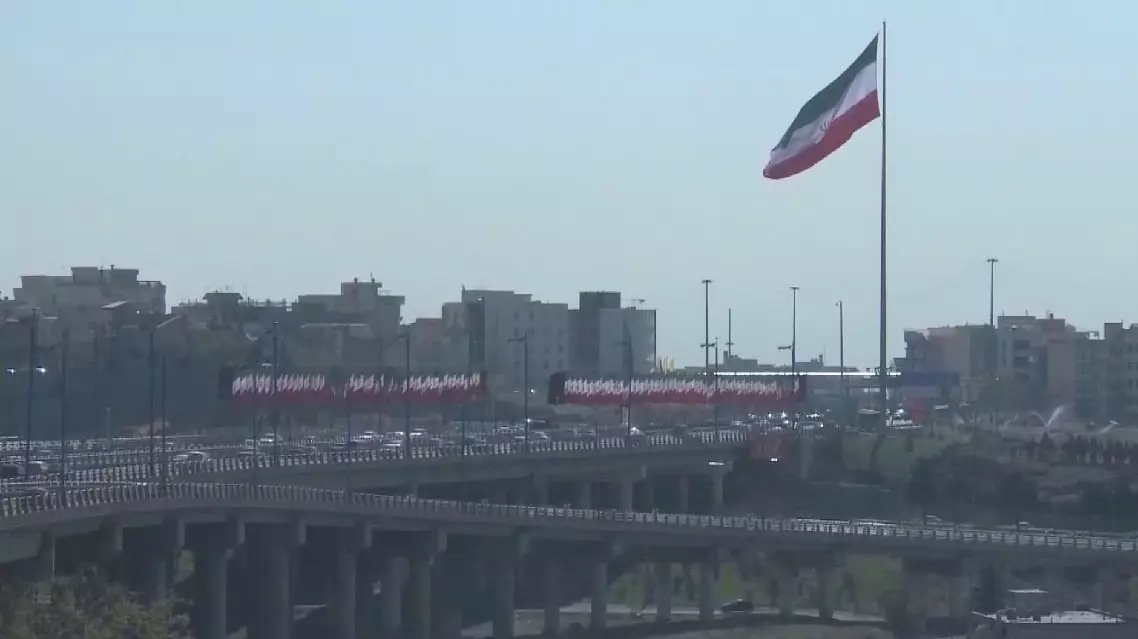
Iran swears to counterattack if attacked