Amid multiple unresolved issues, the future of Japan's ruling coalition between the Liberal Democratic Party and Komeito is shrouded in uncertainty, according to a political science scholar in Tokyo.
The election campaign for Japan's House of Councilors, or the upper house of the Diet, was officially launched on Thursday. Voting is scheduled for July 20.
In last year's House of Representatives election, the ruling coalition of the Liberal Democratic Party and Komeito failed to secure a majority of seats.
Experts and scholars in Japan have held the view that the Ishiba cabinet is facing several challenges, and the election may pose a severe test.
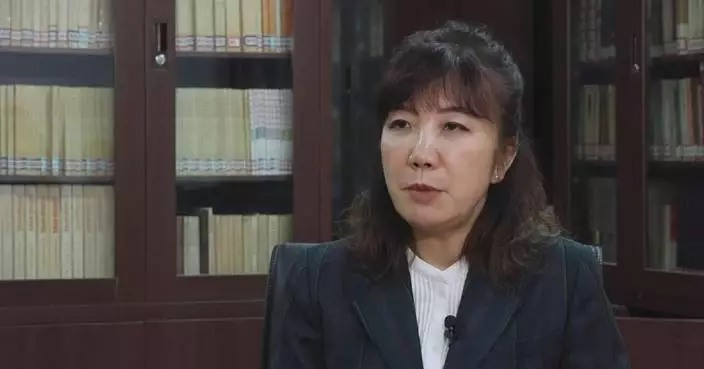
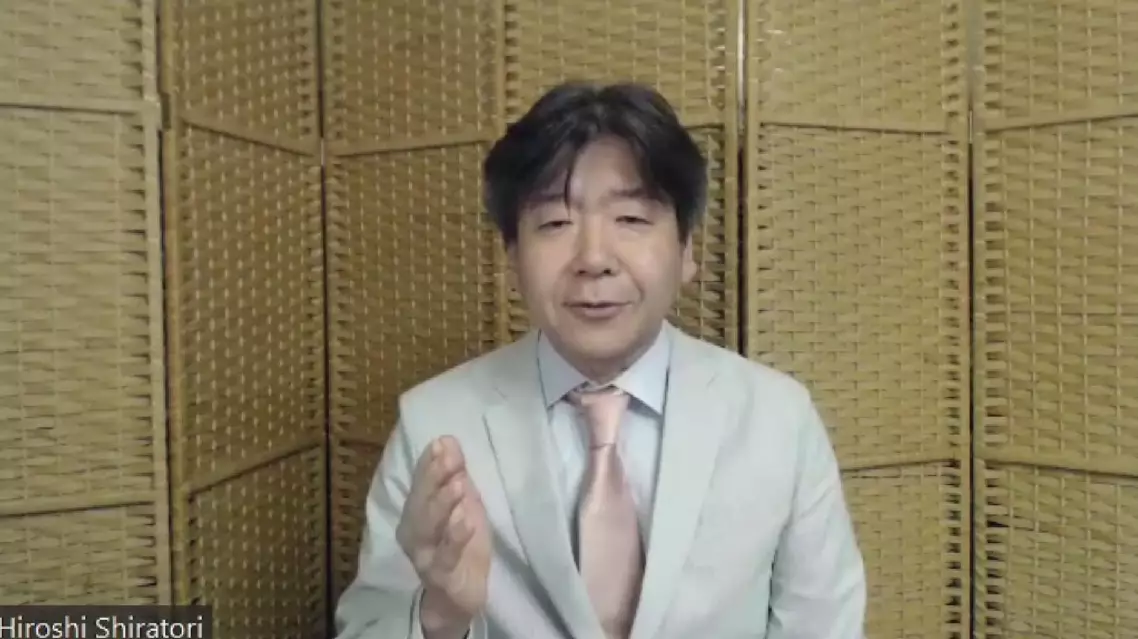
"At present, it seems that the political funds scandal, which concluded last year, has once again become a focus. The public is once again concerned about the 'politics and money' issues within the Liberal Democratic Party," said Hiroshi Shiratori, political science professor at Hosei University.
Shiratori said that the prices of rice and other commodities are also a key concern for various parties.
"The price of rice has doubled in the past year, raising questions about the governing ability of the Liberal Democratic Party among the Japanese public. On the other hand, if low-priced rice from abroad enters Japan, it could create concerns for Japanese rice producers and agricultural associations regarding the Liberal Democratic Party," he said.
Regarding the U.S. tariff policy this year, the Japanese government has sent high-ranking officials to the U.S. multiple times for negotiations, but so far, no meaningful results have come from these discussions.
Shiratori said that the resolution of the tariff issue could also influence the outcome of the upper house election.
"During the senate elections, on July 9 or 10, the United States may once again implement 'reciprocal tariffs.' To the Japanese public, it appears that the government is seeking help from the U.S. almost every week without any results. This can easily lead people to believe that they cannot entrust the country to Ishiba's cabinet," he said.
Unresolved issues cast uncertainty on future of LDP-Komeito ruling coalition
International guests who have dedicated their lives to historical truth joined China's 12th national memorial event honoring the hundreds of thousands of victims killed by Japanese troops in the Nanjing Massacre during World War II.
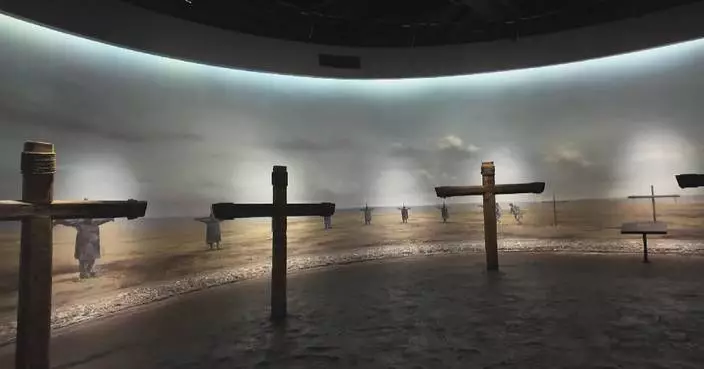
The memorial was held on Saturday at the public square of the Memorial Hall of the Victims in Nanjing Massacre by Japanese Invaders in Nanjing, capital of east China's Jiangsu Province. China's national flag was flown at half-mast in the presence the crowd that included survivors of the massacre, local students, and international guests.
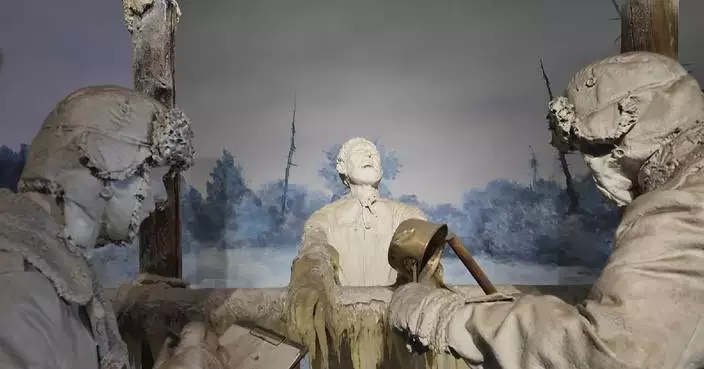
In one of the most barbaric episodes during WWII, the Nanjing Massacre took place when Japanese troops captured the then-Chinese capital Nanjing on Dec 13, 1937. Over the course of six weeks, they proceeded to kill approximately 300,000 Chinese civilians and unarmed soldiers.
Joining the crowd was Christoph Reinhardt, the great-grandson of John Rabe (1882-1950) who was then a representative of German conglomerate Siemens in the war-ravaged Nanjing. During the Nanjing Massacre, Rabe set up an international safety zone with other foreigners, and they together saved the lives of around 250,000 Chinese people between 1937 and 1938 from the Japanese invaders.
Throughout the massacre, Rabe continued to keep a diary. To this day, all his pages remain one of the most comprehensive historical records of the atrocities committed by the Japanese aggressors.
Sayoko Yamauchi, who was also in the crowd of mourners, arrived in Nanjing on Friday from Japan's Osaka to attend Saturday's ceremony, just as she has done almost every year since China designated Dec 13 as the National Memorial Day for the Victims of the Nanjing Massacre in 2014.
Yamauchi's grandfather was one of the Japanese soldiers who invaded Nanjing in January 1938. However, since first setting foot in Nanjing in 1987, she has dedicated herself to uncovering and spreading the truth about Japan's history of aggression and enlightening the Japanese public about their country's wartime atrocities.
In 2014, ahead of China's first National Memorial Day for the Victims of the Nanjing Massacre, Yamauchi, along with 10 other individuals, received an award for her special contribution to the Memorial Hall of the Victims in the Nanjing Massacre by Japanese Invaders.
By attending the grand memorial event, Reinhardt and Yamauchi both said they hope to convey a message of remembering history and cherishing peace.
"This is my fifth visit to China, and Nanjing, and the third times I visited the ceremony. I have a wish that these survivors survive again and again and again. But my other wish is that the families of the survivors, that they transport the information, the right intention like their ancestors, because anyone must hold a hand (during) this remembering," Reinhardt told China Central Television (CCTV) in an interview before the event began on Saturday.
"Our delegation is on its 20th visit to China, coming to Nanjing to express our heartfelt condolences to those who perished 88 years ago, to remember this history, and to reflect on what we can do for a new future. That's why we are here," Yamauchi told CCTV on board the bus that took her to a local hotel in Nanjing on Friday evening.

Int'l guests call for remembering history at China's national event honoring Nanjing Massacre victims