The world's largest LEGOLAND opened its doors in Shanghai on Saturday, drawing large crowds despite the sweltering heat and marking a fresh highlight in China's booming culture and tourism market.
Located in the city's Jinshan District and spanning 318,000 square meters, LEGOLAND Shanghai Resort is China's first Lego-themed park. It officially opened after a month of trial operations, coinciding with the launch of this year's Shanghai Tourism Festival.
Families and tourists from across China flocked to the park on opening day, with some saying it was nearly impossible to get a ticket.
"I kept clicking, clicking and clicking," said one visitor, describing the difficulty in securing a reservation.
Even international visitors shared in the excitement and were seen in the long queues.
"I really enjoy Chinese theme parks. I was really excited to get a ticket for the opening day of LEGOLAND," said an American park visitor.
Data from China's travel site Qunar.com shows that theme park bookings for this summer holiday have surged by 70 percent year on year, indicating robust demand for domestic leisure and travel.
In Shanghai alone, LEGOLAND has already emerged as one of the top five most popular attractions for July. Hotel bookings in the district have increased 3.5 times compared to the same period last year, showing a clear spillover effect on the local economy.
"We're already hearing from the Jinshan government that it's appealing to more people to come to this region. We're already seeing hotel sales have increased, so it will impact tourism locally in China," said Fiona Eastwood, CEO of Merlin Entertainments, which operates all LEGOLAND parks worldwide.
Industry insiders believe this momentum is part of a broader trend.
At an amusement exhibition held in Shanghai in late June, Jakob Wahl, president and CEO of the International Association of Amusement Parks and Attractions (IAAPA), said the popularity of theme parks reflects the resilience and dynamism of China's economy.
"People want to have a good time. People want to have fun, and people want to go out with their friends, with their family, with colleagues to really have a good time and forget about the daily issues of life. And this is where we see China developing really, really well," said Wahl.
Shanghai is fast becoming a hub for international theme parks. Besides LEGOLAND, a Harry Potter Studio Tour and a Peppa Pig theme park are also set to open in the city.
Nationwide, China is now home to about 400 theme parks, making it the second-largest theme park market in the world.
With summer vacation already underway, demand for immersive entertainment is expected to remain strong across the country.
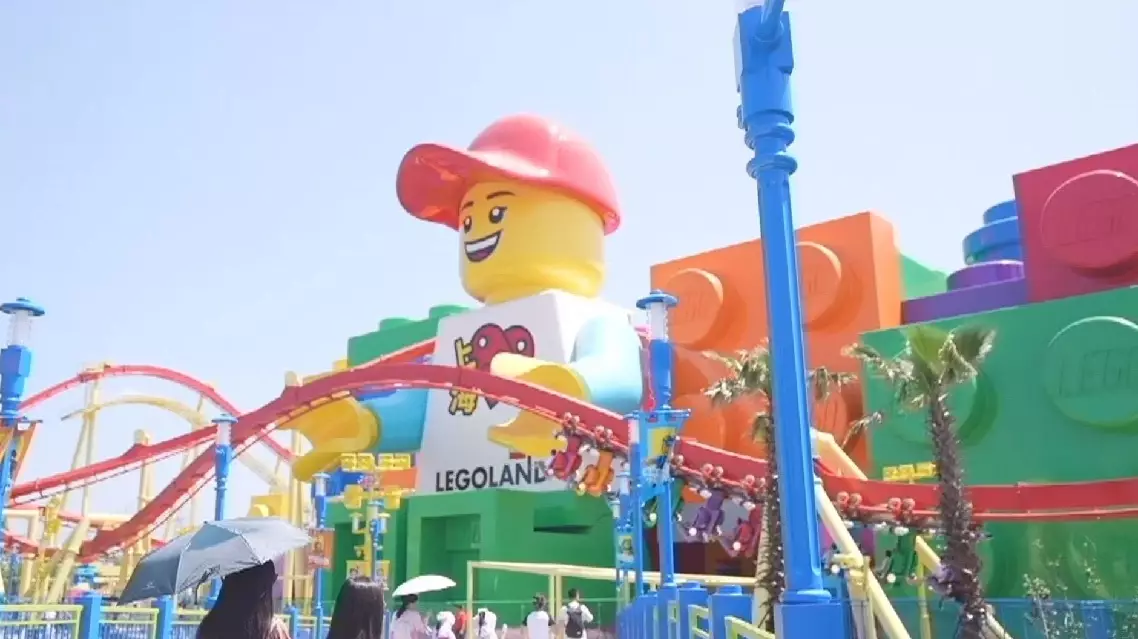
Opening of LEGOLAND in Shanghai draws joyous crowds
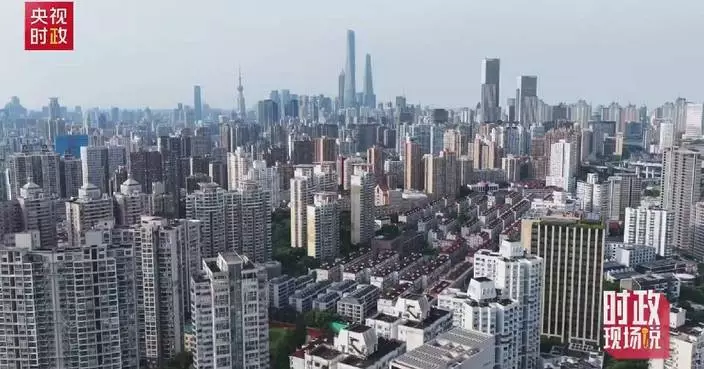
Prices for existing homes in China's four first-tier cities, namely Beijing, Shanghai, Guangzhou and Shenzhen, continued their upward momentum for a fourth consecutive month in June, according data from the National Bureau of Statistics on Wednesday.
In June, existing home prices in first-tier cities rose by 0.3 percent from May. Beijing saw a 0.1 percent increase, while Shanghai and Guangzhou each recorded a 0.4 percent rise, and Shenzhen posted a 0.3 percent gain.
The existing home transactions in Beijing reached 16,618 units in June, up about 10 percent from 15,139 units in the same month last year, according to online contract signing data from the Beijing Municipal Commission of Housing and Urban-Rural Development.
For the first half of this year as a whole, total transaction for existing homes in the capital hit 93,583 units, a 5.7 percent increase year on year, marking the highest first-half figure in five years.
Similarly, according to data from the Shanghai Real Estate Trading Center, the city's existing home transactions, including commercial properties, totaled 25,158 units in June, marking the fourth consecutive month that volumes have exceeded the 25,000-unit threshold. Over the first six months of the year, cumulative transactions in Shanghai surpassed 147,000 units, also hitting a five-year high for the same period.
In Guangzhou, the market remained active in June after the city issued a package of eight measures, including raising housing provident fund loan limits and launching a temporary subsidy program for home upgrades.
The transaction area of pre-owned residential property in the city reached 918,200 square meters in June, up 3.7 percent year-on-year.
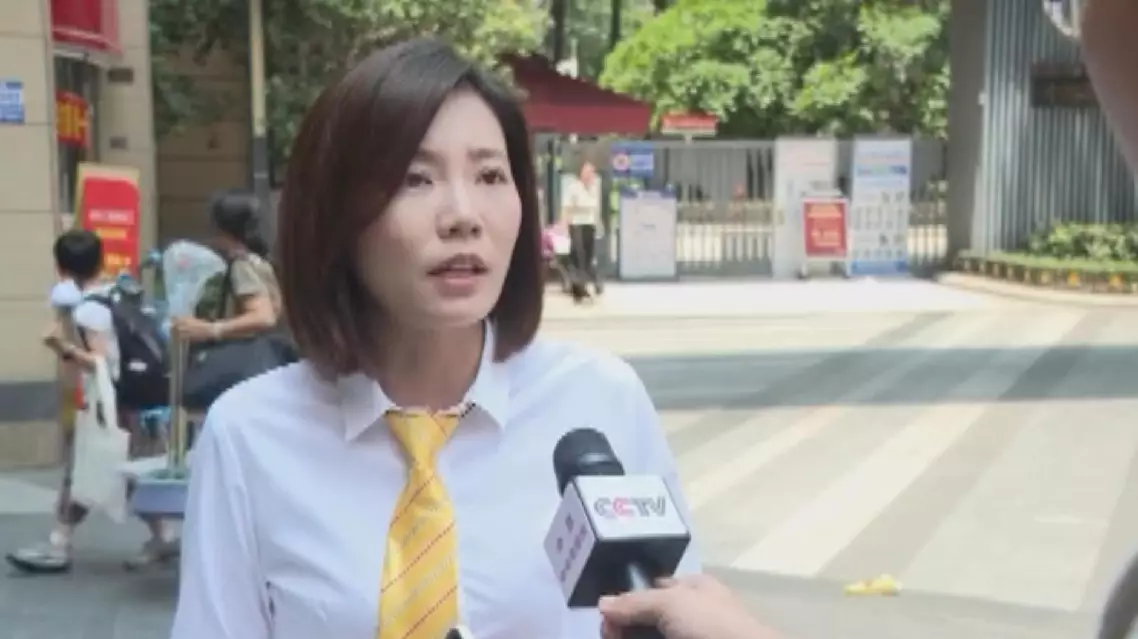
"This year's transaction volume for existing homes has been more active than in the first half of last year, especially from March to May, when it continued to climb higher. The implementation of the eight measures for Guangzhou, along with the increase in the housing provident fund loan limit and the subsidy program for home upgrades, just happened to attract a large number of buyers with rigid housing demand," said Huang Liping, sales manager at a real estate agency in Guangzhou.
"In the first half of the year, there was also a very obvious phenomenon that residents' expectations have become more stable. This is prominently reflected in the fact that the phenomenon of existing home owners lowering prices significantly when listing their properties for sale has improved notably in the first half of this year," said Li Yujia, chief researcher at the Guangdong Provincial Housing Policy Research Center.
Data from the Shenzhen Real Estate Intermediary Association showed that Shenzhen recorded 6,168 resale home transactions in June, up 11.2 percent from a year earlier.
For the first half of 2026, cumulative resale residential transactions in the city reached 33,892 units, a 5 percent increase compared with the same period in 2025.
Existing home prices in first-tier cities up for 4th consecutive month in June