WASHINGTON (AP) — The Trump administration is ending the temporary status for nearly 80,000 Hondurans and Nicaraguans that has allowed them to live and work in the U.S. for a quarter of a century after a devastating hurricane hit Central America, according to federal government notices — a move that comes as the White House pushes to make more immigrants in the U.S. eligible for deportation.
The notices are part of a wider effort by the current administration to make good on campaign promises to carry out mass deportations of immigrants. It's doing this by going after people in the country illegally or those who've committed crimes that make them eligible for deportation but also by removing protections from hundreds of thousands of people, many admitted under the Biden administration.
Temporary Protected Status is a temporary protection that can be granted by the Homeland Security secretary to people of various nationalities who are in the United States, which prevents them from being deported and allows them to work. The Trump administration has aggressively been seeking to remove the protection, thus making more people eligible for removal.
The Department of Homeland Security said Monday in the Federal Register — in a notice set to become official on Tuesday — that Secretary Kristi Noem had reviewed the country conditions in Honduras and Nicaragua. She concluded the situations there had improved enough since the initial decision in 1999 that people currently protected by those temporary designations could return home.
The department estimated that roughly 72,000 Hondurans and 4,000 Nicaraguans in the U.S. are covered by the status that will now expire in roughly two months. However, the TPS Alliance, which advocates for immigrants covered by these temporary protections, estimated that about 40,000 Hondurans would be affected because many had obtained legal residency through various immigration channels.
The Alliance said it filed a lawsuit Monday against Noem and DHS in the Northern District of California. It alleged that the Trump administration’s decision is unlawful.
Temporary Protected Status for both nationalities expired on July 5. The notices said the protections will be terminated 60 days after the notices are officially published in the Federal Register.
TPS is usually granted when conditions in someone’s home country make it difficult to return. People covered by it must register with the Department of Homeland Security. and then they’re protected from being deported and can work.
However, it does not grant them a pathway to citizenship and the secretary must renew it regularly, often in 18-month intervals.
When their status officially ends, Hondurans and Nicaraguans currently covered by the Temporary Protected Status can be deported and their work permits will be terminated if they can't find another avenue to stay in the country.
Critics say that successive administrations — especially the Biden administration — essentially rubber-stamped these renewals regardless, and people covered by what's supposed to be a temporary status end up staying in the United States for years.
The Trump administration has already terminated TPS for about 350,000 Venezuelans, 500,000 Haitians, more than 160,000 Ukrainians, and thousands of people from Afghanistan, Nepal and Cameroon. Some of them, like Venezuelans, Haitians and Ukrainians, have pending lawsuits at federal courts.
Another 250,000 Venezuelans are still protected under TPS until September, as well as thousands of Syrians. TPS for Ethiopians expires in December, for Yemenis and Somalians in March 2026, and for Salvadoreans in September 2026.
During the Biden administration, the number of people protected by TPS grew significantly. Nearly 1 million Venezuelans and Haitians were protected.
Jose Palma, co-coordinator at the National TPS Alliance, said the termination announced Monday will affect people who have lived in the United States for nearly three decades.
“They have established families. Investments. It is a community that .... has undergone annual background checks, that has shown ... all its contributions to this country,” Palma said. “It’s cruel what’s happening.”
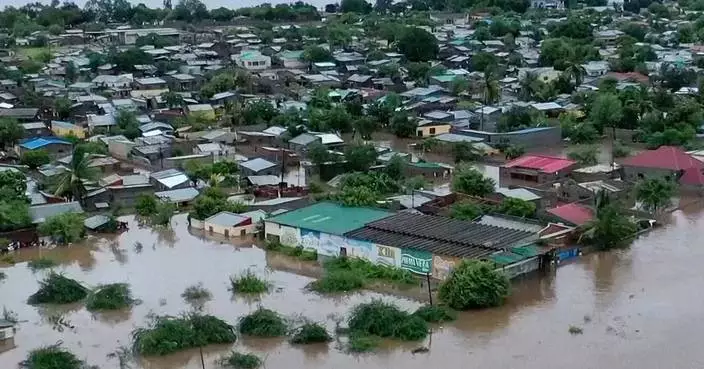
Temporary protections for both countries were initially granted back in 1999 following 1998's Hurricane Mitch. The first Trump administration attempted to end the protections but they both remained in place after litigation.
Homeland Security wrote in the federal register notice that Honduras had “witnessed significant changes in the 26 years since Hurricane Mitch's destruction.”
“Honduras has made significant progress recovering from the hurricane’s destruction and is now a popular tourism and real estate investment destination,” the department wrote. They department said the Honduran government in January had launched a plan called “Brother, Come Home” which aims to help Hondurans deported from the U.S. with money and help finding a job.
Of Nicaragua, Noem wrote: “Nicaragua has made significant progress recovering from the hurricane’s destruction with the help of the international community and is now a growing tourism, ecotourism, agriculture, and renewable energy leader.”
Honduras Deputy Foreign Affairs Minister Antonio García expressed disappointment at the announcement Monday.
“They argue that Honduras has foreign investment, tourism and its program ‘Honduran come home’ and that there are conditions to return,” García said. But he said it was the anti-immigrant sentiment of the Trump administration that was really behind it.
“They came to power with that and they’re getting it done for their electorate,” he said.
Francis García has lived in the United States for almost 30 years and has been a TPS beneficiary for 25. Her three adult children were born in the United States, a country she considers her own.
“I feel sad, worried and scared,” said Garcia, 48, who never went back to her country. “I am very afraid to return to Honduras. I can’t imagine it; I wouldn’t want to.”
Like Garcia, Teofilo Martinez, 57, has lived half of his life in the U.S, most of it under TPS protection. He arrived with nothing but now has his own construction company and he is also a realtor.
“We ask that our good behavior and contributions be taken into consideration,” Martinez said. "There are no conditions in Honduras for us to return.”
Salomon reported from Miami. Marlon González in Tegucigalpa, Honduras contributed to this report.
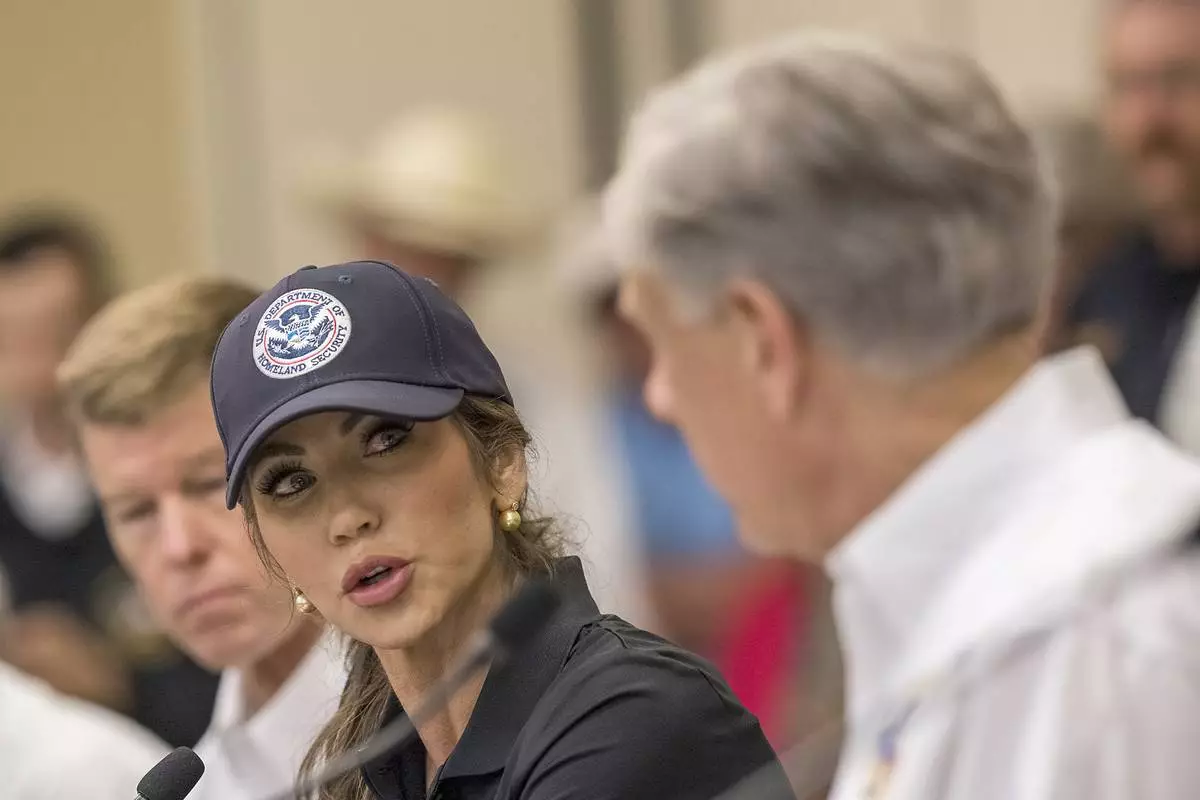
CORRECTS TO KERRVILLE, NOT INGRAM - Homeland Security Secretary Kristi Noem, center, speaks with Texas Gov. Greg Abbott, right, about ongoing search and rescue efforts after recent flooding along the Guadalupe River during a press conference on Saturday, July 5, 2025, in Kerrville, Texas. (AP Photo/Rodolfo Gonzalez)
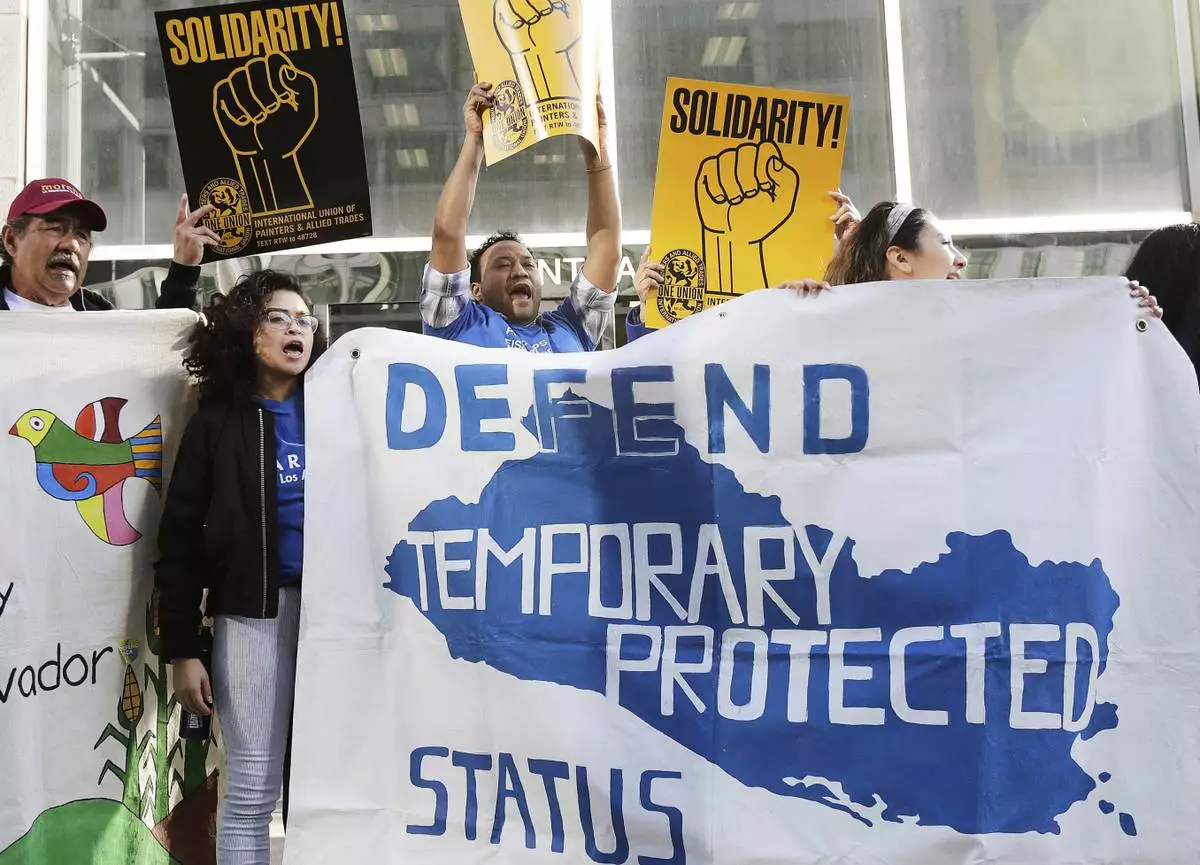
FILE - Supporters of temporary protected status immigrants hold signs and cheer at a rally before a conference announcing a lawsuit against the Trump administration over its decision to end a program letting immigrants live and work legally in the United States outside of a federal courthouse in San Francisco, March 12, 2018. (AP Photo/Jeff Chiu, File)