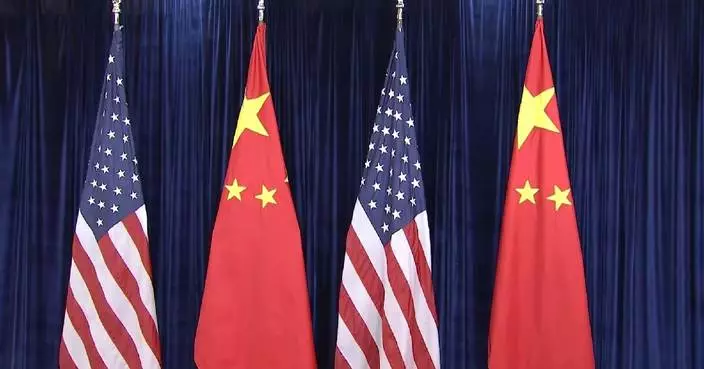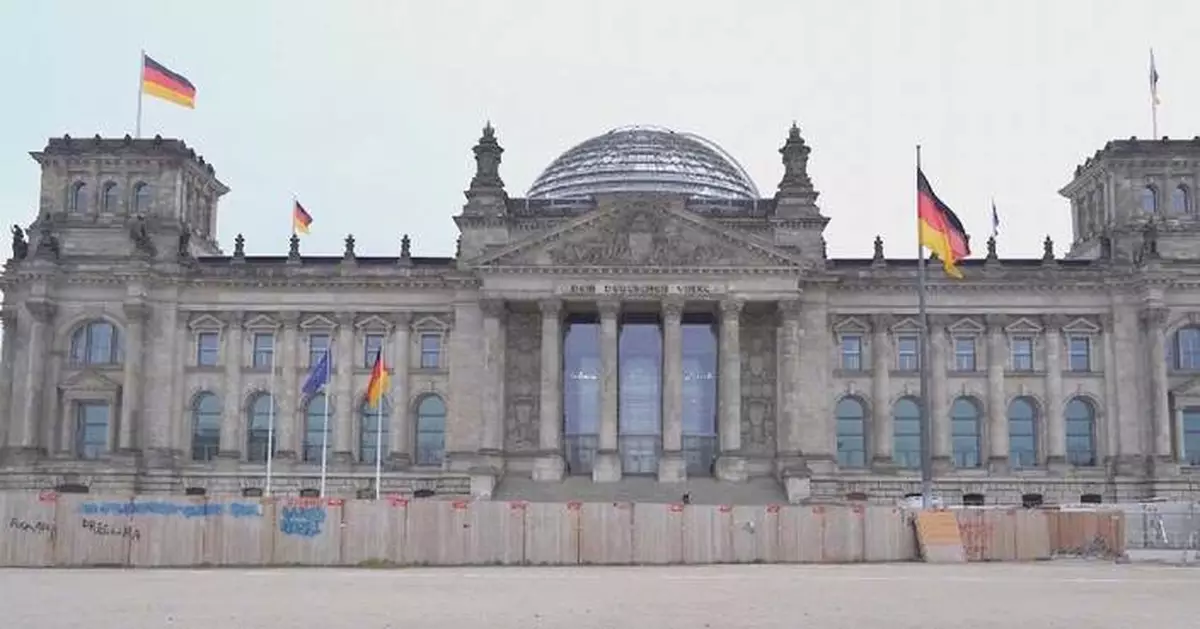
Representatives from various sectors of Germany have expressed their concerns over the U.S. tariff policies, noting that the U.S. move undermines the multilateral trade order, threatens the European economy, and disrupts global industrial chains.
With the clock ticking down to U.S. President Donald Trump's July 9 deadline for the U.S.-European Union (EU) trade talks, the German business community condemned the U.S. tariffs as they are damaging international trust, undermining global supply chain stability, and stifling innovation.
German stakeholders also warned that the United States itself will face increased product costs and a deteriorating investment climate if it presses ahead with the tariffs.
"Trade barriers, tariffs, and such measures raise product costs and hinder innovation. Products in the United States are also becoming more expensive, and investment requires more because the United States doesn't produce certain goods. These restrictions will be lifted someday. People will realize this is not right. History, especially economic history, will prove that free trade, collaboration, and mutual trust are the more effective way for development," said Claus Paal, president of the Stuttgart Chamber of Commerce and Industry of Germany
Some German experts shared the view that the economic security strategy and the deterrence package are also important for EU to protect its own interests.
"The problem with unilateral measures is that they always provoke reciprocal countermeasures. From sanctions and subsidies to tariffs, export controls, and investment screening, it creates a spiral of escalation. That's the reality. The EU needs to protect its own interests and formulate its own economic security strategy. It is justified for Europe to fight against unilateral measures," said Thorsten Giehler, head of the Division on Economic Affairs, Employment and Social Development of GIZ, a German enterprise owned by the Federal Republic of Germany and service provider for international cooperation for sustainable development and international educational work.
"On the one hand, I think it is essential for Europe to propose a continued partnership plan to the United States and identify areas where tariffs could be withdrawn. On the other hand, Europe must also develop a credible deterrence package and put forward its own sanctions and countermeasures," said Dr. Nils Redeker, deputy director at the Jacques Delors Centre of Hertie School.
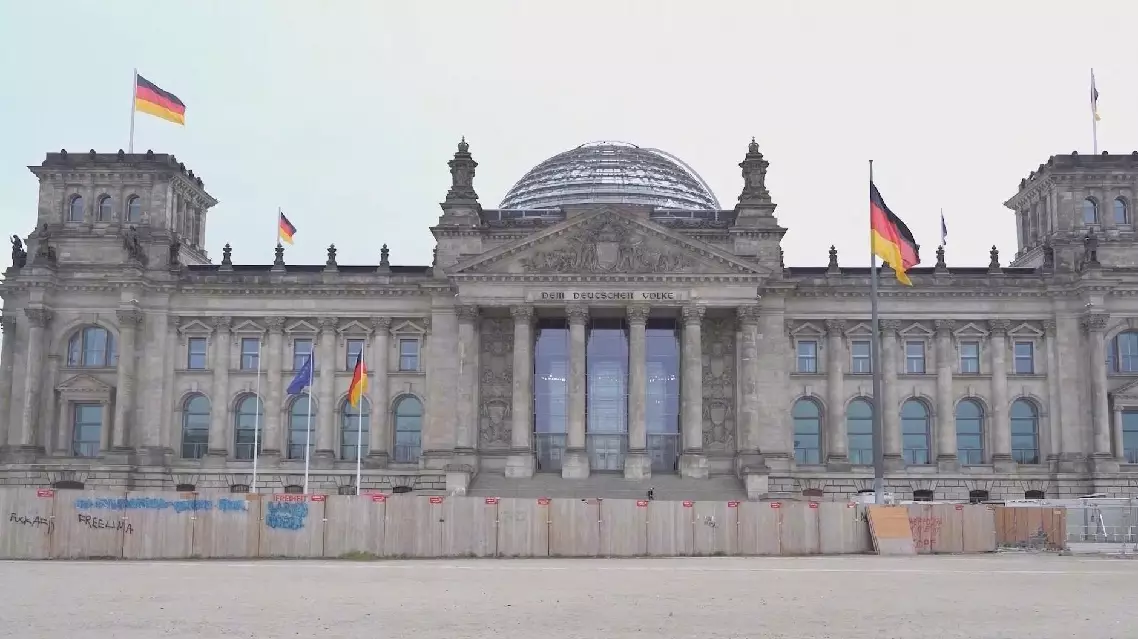
Various sectors of Germany slam U.S. tariffs, urging cooperation