
A recent Bloomberg interview has dropped some serious insights about a major shift in Asia's wealth landscape. While Chinese companies are flooding back to Hong Kong for IPOs this year, it's not just the capital markets that are heating up – the city's wealth management sector is absolutely crushing it, and mainland China's rich are taking notice of what might just be the ultimate financial comeback story.
The Great Wealth Migration
Arnaud Tellier, the big guy at BNP Paribas Wealth Management Asia-Pacific, just spilled the beans on something that would make Singapore's financial elite sweat a bit. During the pandemic, virtually every penny of offshore wealth from mainland China was rushing to Singapore like tourists to a duty-free shop. But by 2024, that whole dynamic flipped on its head.
Now we're seeing roughly 60% of mainland wealth heading to Hong Kong when it goes offshore, while Singapore's slice of the pie has shrunk to about 40%. That's not just a shift – that's a complete reversal of fortune that nobody saw coming during those lockdown days when Singapore seemed untouchable.
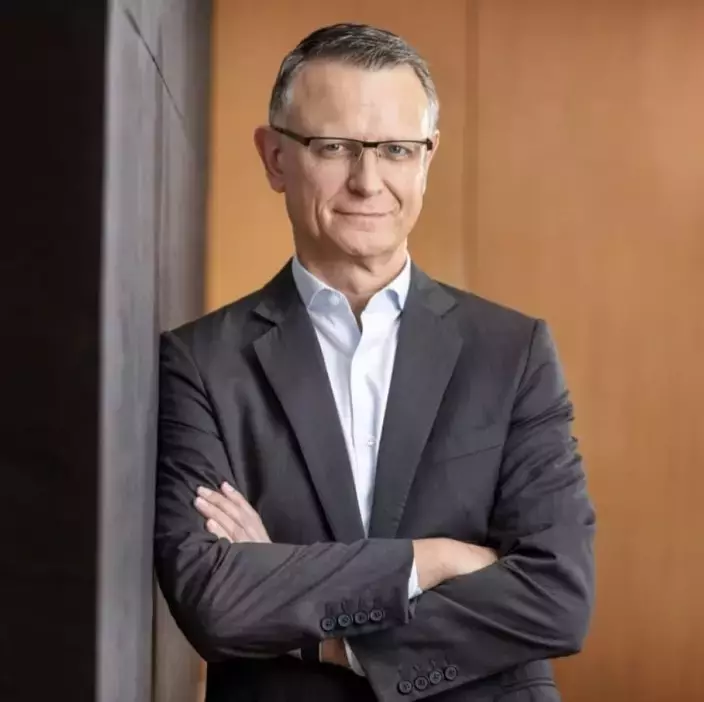
Arnaud Tellier, CEO of BNP Paribas Wealth Management Asia-Pacific, is from France.
This turnaround has been a goldmine for BNP Paribas. Their Asian wealth management assets have surged by 20% over the past year and a half, jumping from $80 billion to a hefty $105 billion. We're talking about $8 billion in net new money this year alone, which isn't too shabby compared to last year's $9 billion haul.
Tellier's team has been busy too – they've snapped up 20 new bankers this year, including poaching a six-person team from China Merchants Bank International. The recruitment drive continues, though he's keeping the exact numbers close to his chest.
Singapore's Self-Inflicted Wounds
Singapore didn't just lose this race; they practically handed Hong Kong the victory on a silver platter. Remember that absolutely massive money laundering scandal that rocked Singapore last year? We're talking about a jaw-dropping S$3 billion (equivalent to HK$18.4 billion) mess that had regulators going nuclear on nine financial institutions.
The Monetary Authority of Singapore didn't mess around, slapping fines totaling S$27.45 million (equivalent to HK$168 million) across the board – the second-highest penalty in their history. Big names like Credit Suisse (before UBS gobbled them up) and United Overseas Bank got hammered. When your reputation as a "safe wealth haven" takes that kind of hit, money has a way of finding somewhere else to park itself.
Policy Wars and Projections
Hong Kong's government hasn't been sitting around waiting for luck to strike. They've been rolling out tax incentives and talent schemes like they're going out of fashion, all aimed at rebuilding the city's status as Asia's private wealth playground.
The numbers being thrown around are pretty ambitious. Bloomberg Intelligence reckons Hong Kong's private wealth management assets could hit US$2.3 trillion by 2030 – potentially overtaking Switzerland to become the world's biggest cross-border wealth center. But here's where it gets interesting: Hong Kong's own Investment Promotion Agency is even more bullish, claiming they'll hit the top spot by 2027.
That's the kind of confidence you don't see every day, and frankly, given what we're witnessing with capital flows, it might not be as far-fetched as it sounds.
Why Neutrality Pays Off
For wealthy clients looking for stability and reliability without the political baggage, that neutrality factor is pure gold. While American and Chinese institutions are busy navigating geopolitical minefields, European players like BNP Paribas can focus on what they do best – managing money without the political theater.
Mainland capital is voting with its feet, and Hong Kong is winning that vote. Between Singapore's regulatory headaches, Hong Kong's policy push, and the simple geography of being right next door to the world's second-largest economy, this shift feels less like a temporary blip and more like a fundamental realignment of Asia's wealth management landscape.
Ariel
** 博客文章文責自負,不代表本公司立場 **