The coordination of regional development during China's 14th Five-Year Plan period (2021-2025) has achieved significant results, with distinctive regional advantages emerging nationwide through a unified national approach, according to the head of the National Development and Reform Commission Zheng Shanjie.
The strategy has strengthened specialized economic functions across different areas while maximizing their comparative advantages, Zheng told reporters at a press conference in Beijing on Wednesday.
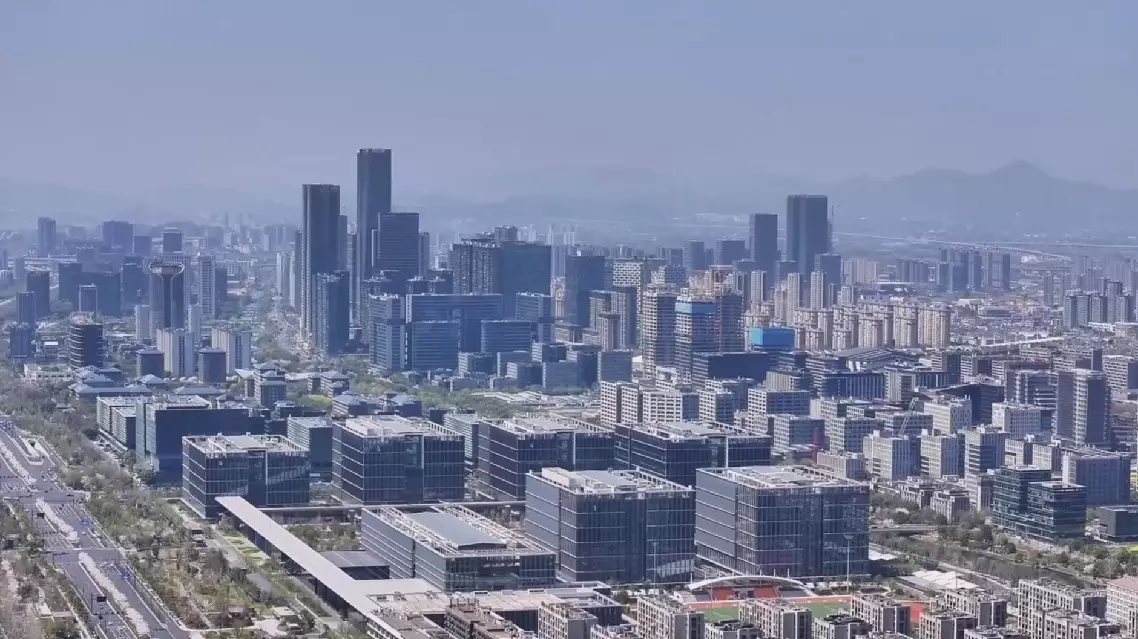
China's three major economic engines -- the Beijing-Tianjin-Hebei region, Yangtze River Delta, and Guangdong-Hong Kong-Macao Greater Bay Area -- have strengthened their roles as growth drivers, collectively accounting for over 40 percent of national GDP in 2024, Zheng said.
The northeast region has solidified its strategic position, producing 25.3 percent of China's grain and 21 percent of its crude oil output last year.
Hainan Free Trade Port, meanwhile. reported annual average growth rates of 31.3 percent and 32.3 percent in goods and services trade respectively during 2021-2024, with foreign direct investment in the past five years surpassing the total of its first 32 years as a province.
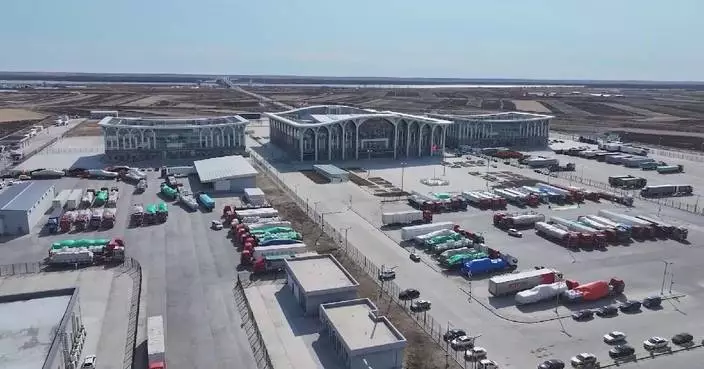
"The power transmission capacity of the west-to-east power transmission program now exceeds 300 million kilowatts. In the 'east data, west computing' project, western hubs account for 70 percent of the total computing power capacity. Barren parts of the Gobi desert have been transformed into green power bases, achieving progress in both desert control and income growth. Western regions have operated 37,000 China-Europe freight trains, accounting for nearly half of the national total, turning inland areas into frontiers. Central China leverages its advantage of linking east and west, north and south, with over 60 percent of national expressways and high-speed rail trunk lines passing through the region. The area has cultivated 18 strategic emerging industrial clusters and 13 advanced manufacturing clusters," said Zheng.
The Yangtze River Economic Belt has made ecological protection a priority, essentially resolving the issue of excessive pollution from chemical plants along the river. Nine provinces along the Yellow River have planted forests across 200 million mu (13.3 million hectares) and restored 231 million mu of degraded grassland, transforming the Loess Plateau from yellow to green.
"The Yangtze River Delta has deepened regional integrated development, with its integrated circuit, biomedicine, and artificial intelligence industries now accounting for three-fifths, one-third and one-third of the national totals respectively, becoming powerful growth engines for development. In the Guangdong-Hong Kong-Macao Greater Bay Area, we've continued advancing regulatory convergence and institutional connectivity. Production factors like capital and talent now flow efficiently across the three regions. Over 27,000 Macao residents now work and live in Hengqin, while the Shenzhen-Hong Kong Science and Technology Innovation Cooperation Zone has attracted more than 440 tech enterprises and 200 high-end research projects," said Zheng.
China's maritime industries hit major milestones in 2024, with revenues in the marine economy exceeding 10 trillion yuan (about 1.39 trillion U.S. dollars) for the first time. The country handles about one-third of global shipping volume and container throughput, while maintaining its position as the world's top producer of marine aquatic products for many consecutive years.
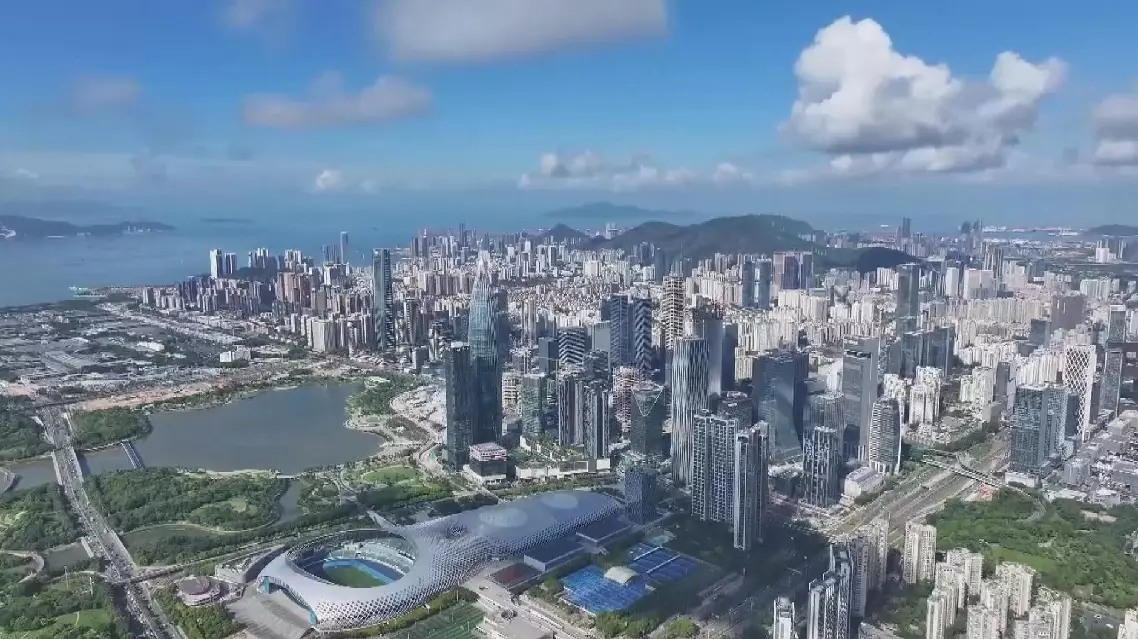
Coordination of regional development during China’s 14th Five-Year Plan a success story: NDRC