KERRVILLE, Texas (AP) — Over the last decade, an array of Texas state and local agencies missed opportunities to fund a flood warning system intended to avert a disaster like the one that killed dozens of young campers and scores of others in Kerr County on the Fourth of July.
The agencies repeatedly failed to secure roughly $1 million for a project to better protect the county’s 50,000 residents and thousands of youth campers and tourists who spend time along the Guadalupe River in an area known as “flash-flood alley.” The plan, which would have installed flood monitoring equipment near Camp Mystic, cost about as much as the county spends on courthouse security every two years, or 1.5% of its annual budget.
Click to Gallery
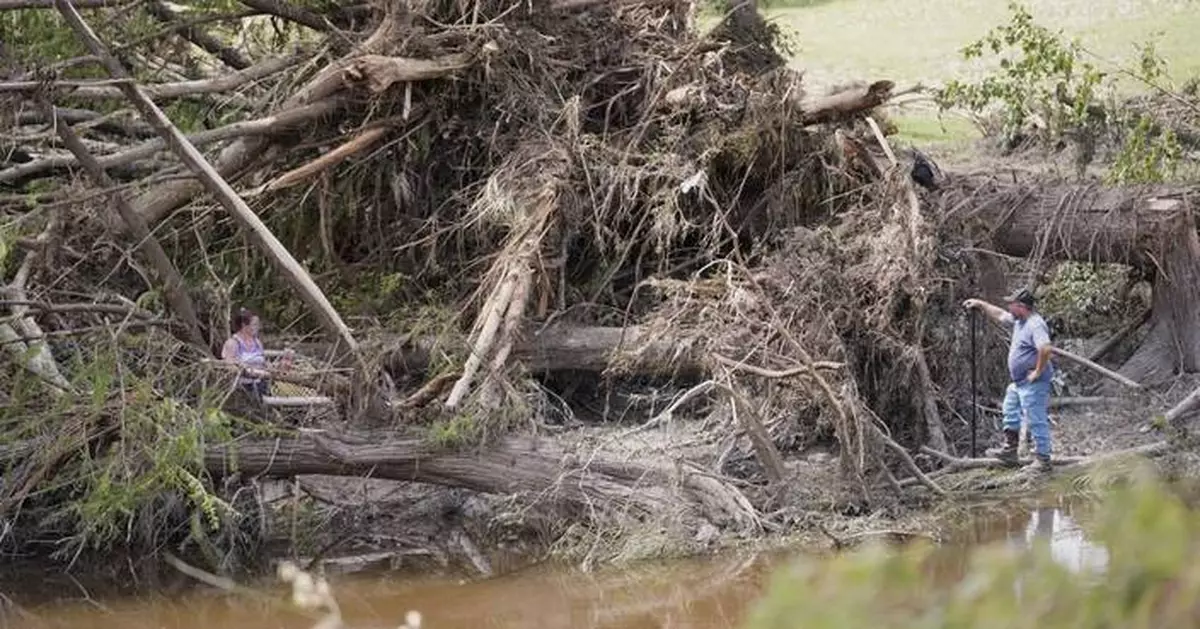
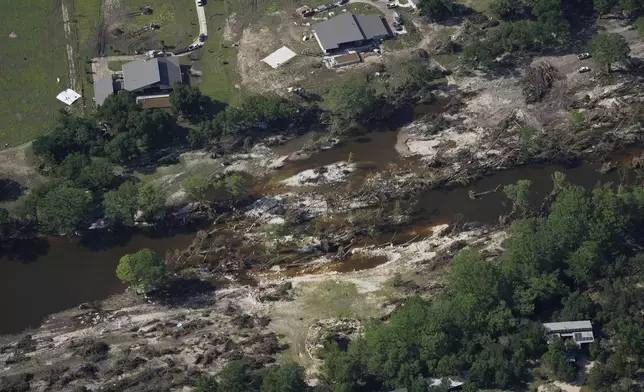
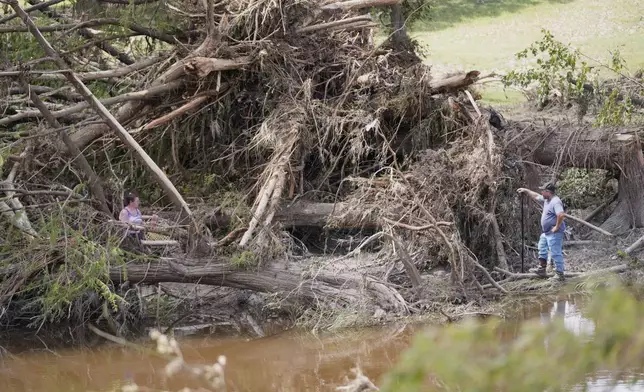
Damage is seen next to the Guadalupe River on Tuesday, July 8, 2025, after a flash flood swept through the area near Ingram, Texas. (AP Photo/Ashley Landis)
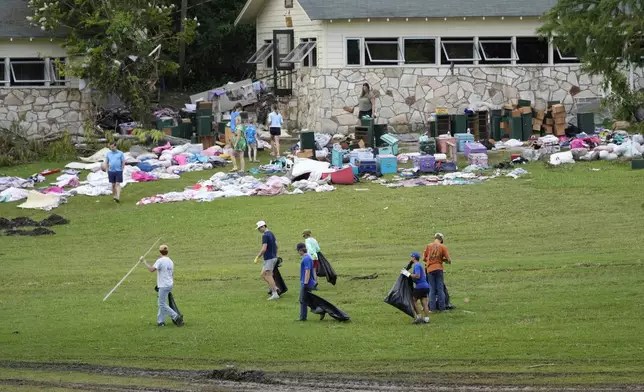
People come to pick up items as the others clean up the site after the flood at Camp Mystic in Hunt, Texas on Wednesday, July 9, 2025. (AP Photo/Ashley Landis)
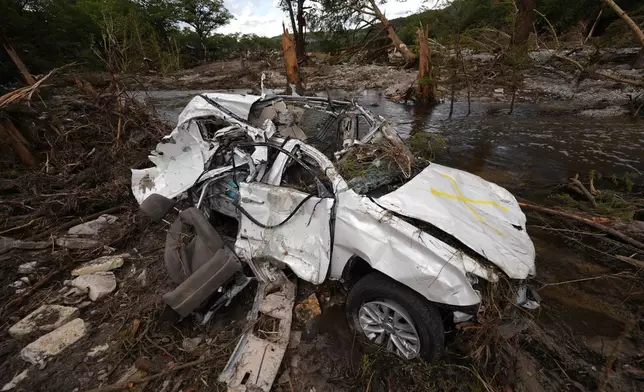
A destroyed vehicle sits next to the Guadalupe River on Wednesday, July 9, 2025, in Hunt, Texas, after a flash flood swept through the area. (AP Photo/Gerald Herbert)
People search along the Guadalupe River after flooding in Kerrville, Texas on Wednesday , July 9, 2025. (AP Photo/Gerald Herbert)
Meanwhile, other communities had moved ahead with sirens and warning systems of their own. In nearby Comfort, a long, flat-three minute warning sound signifying flood danger helped evacuate the town of 2,000 people as practiced.
A deadly 2015 Memorial Day flood in Kerr County rekindled debate over whether to install a flood monitoring system and sirens to alert the public to evacuate when the river rose to dangerous levels. Some officials, cognizant of a 1987 flood that killed eight people on a church camp bus, thought it was finally time.
But the idea soon ran into opposition. Some residents and elected officials opposed the installation of sirens, citing the cost and noise that they feared would result from repeated alarms.
County commissioners sought compromise. They moved forward with a plan for a warning system without sirens, which would improve flood monitoring with a series of sensors but leave it up to local authorities to alert the public. They didn't want to pay for it on their own but found little help elsewhere.
The county’s largest city, Kerrville, declined to participate in a joint grant application that would have required a $50,000 contribution. The state’s emergency management agency twice passed over the county’s request for hazard mitigation funding, citing a deficiency in the application and then backing communities ravaged by Hurricane Harvey in 2017.
The state's flood infrastructure fund later offered an interest-free loan for the project — but that plan was seen as too stingy and turned down by the agency in charge of managing the watershed.
Without the flood monitoring system, the county was left vulnerable when rains pounded the area in the early morning hours of July 4 and the river rapidly rose.
“There wasn't enough fight in them, and there needs to be more fight this time,” said Nicole Wilson, a San Antonio mother who pulled her daughters out of an area camp ahead of the flooding and who launched an online petition calling on Kerr County to install the sirens. “Whether it's a combination of city, state and federal funding, there simply can't be the answer of ‘no’ this time.”
Local authorities and Texas Gov. Greg Abbott have urged the public not to point fingers after the flooding, which killed at least 120 people and left scores more reported missing.
“I would be willing to talk about it but not yet. It's just too raw right now,” said Glenn Andrew, a former Kerrville city council member who voted in 2017 to pull the city out of the grant proposal for the project. “My preference is to look forward to the future.”
A spokesperson for Texas Lt. Gov. Dan Patrick said Wednesday that lawmakers, who begin a special session later this month, would approve funding to cover such projects in the future.
“The state will provide emergency warning sirens where needed,” Patrick spokesperson Steven Aranyi wrote in an email.
But some anger is starting to boil over. Raymond Howard, a city council member in Ingram, Texas, in Kerr County, said Wednesday it’s “unfathomable” that county officials never took action despite repeatedly talking about it.
“That’s just mind-boggling,” he said. “It’s unfathomable that they never worked on it. If it comes down to funding, they’re constantly raising taxes on us for other stuff. This is more important. This is lives. This is families. This is heartbreaking.”
Howard, who lives in a home along the Guadalupe River, said any action now would come too late for those who have died.
Kerr County requested a flood warning system grant in 2016 through the Texas Division of Emergency Management’s hazard mitigation program, which is supported by Federal Emergency Management Agency funding to help communities reduce their risk.
But that application was rejected because it did not meet federal specifications, including one that required the county have a current hazard mitigation plan on file, Texas emergency management spokesperson Wes Rapaport said.
The county hired a consultant and an engineering firm to help prepare another application for the project for the next funding cycle in 2017. The system outlined in the county’s preliminary plan would provide “mass notifications to citizens about high water levels and flooding conditions throughout Kerr County.”
At targeted low water crossings within Kerr County, sensors connected to monitoring stations would transmit a signal that would notify local officials and emergency management agencies of the rising water levels. Officials envisioned using that information to alert the public and call their contacts at youth camps and RV parks during emergencies.
But after Hurricane Harvey caused record flooding in Houston and other areas of Texas in August 2017, “funding was distributed to counties that fell under the disaster declaration, which Kerr County was not included on,” Rapaport said.
The City of Kerrville's council voted 4-0 to decline to participate in the grant proposal, balking at its planned $50,000 contribution, minutes show.
Texas voters created a new funding source for such projects in 2019, backing a constitutional amendment to create a state flood infrastructure fund with an initial $800 million investment.
The Upper Guadalupe River Authority, which manages the watershed in Kerr County, revived the project last year with a $1 million initial request for funding. The Texas Water Development Board, which oversees the fund, offered a $50,000 grant and a $950,000 interest-free loan for the rest of the project.
The river authority declined to pursue the funding, saying the terms were not favorable.
Foley reported from Iowa City, Iowa; Keller from Albuquerque, New Mexico; and Mustian from Miami. Associated Press reporter Claudia Lauer contributed to this report from Philadelphia.
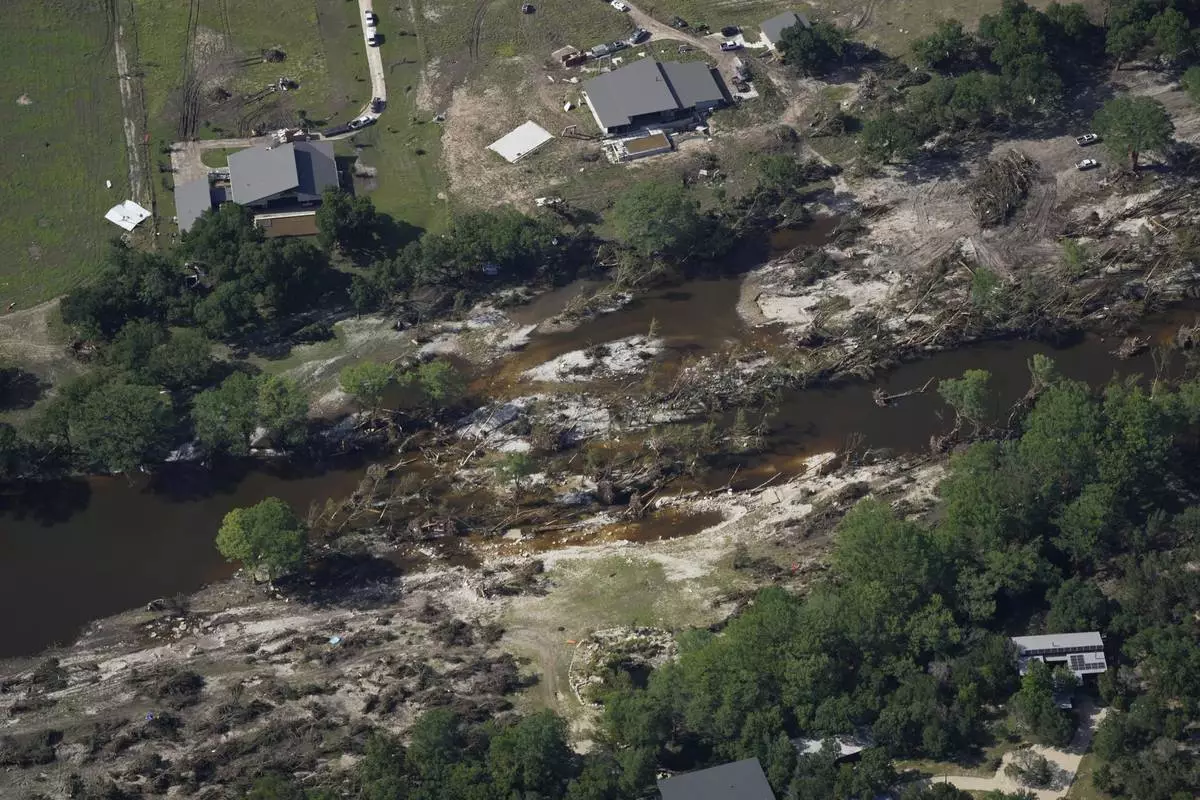
Damage is seen next to the Guadalupe River on Tuesday, July 8, 2025, after a flash flood swept through the area near Ingram, Texas. (AP Photo/Ashley Landis)
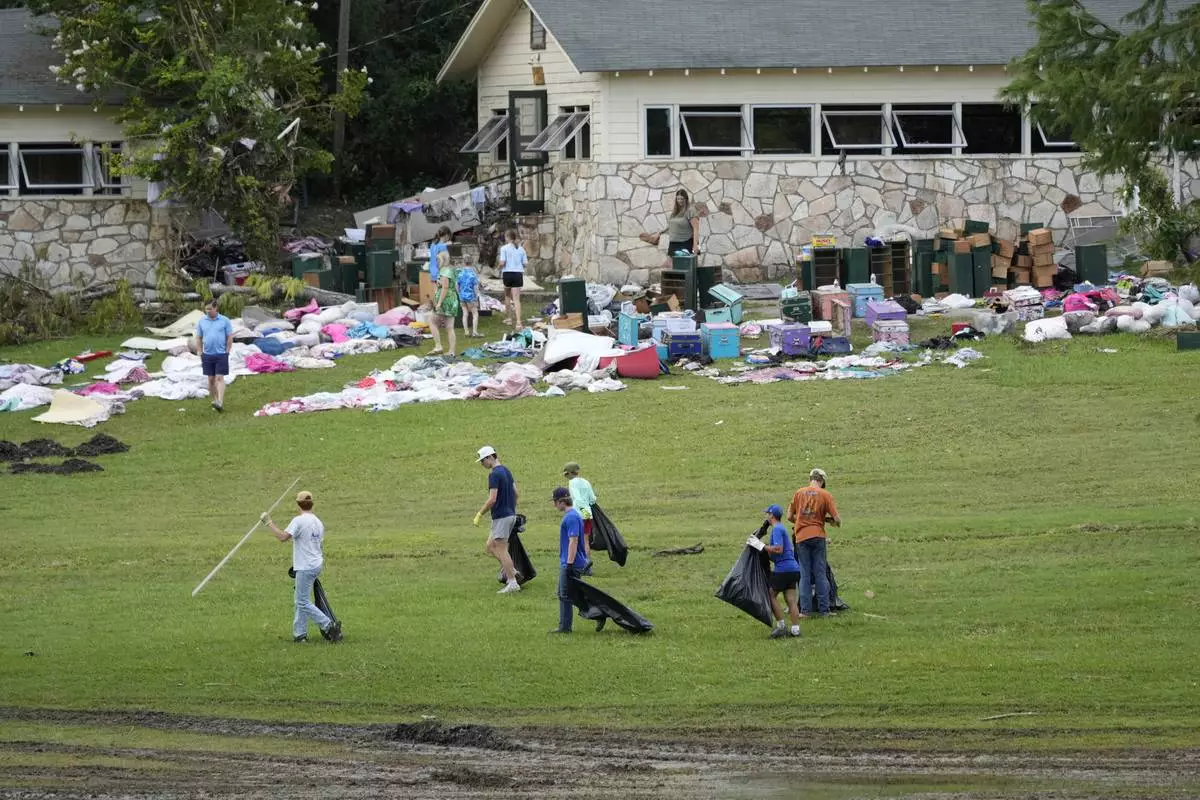
People come to pick up items as the others clean up the site after the flood at Camp Mystic in Hunt, Texas on Wednesday, July 9, 2025. (AP Photo/Ashley Landis)
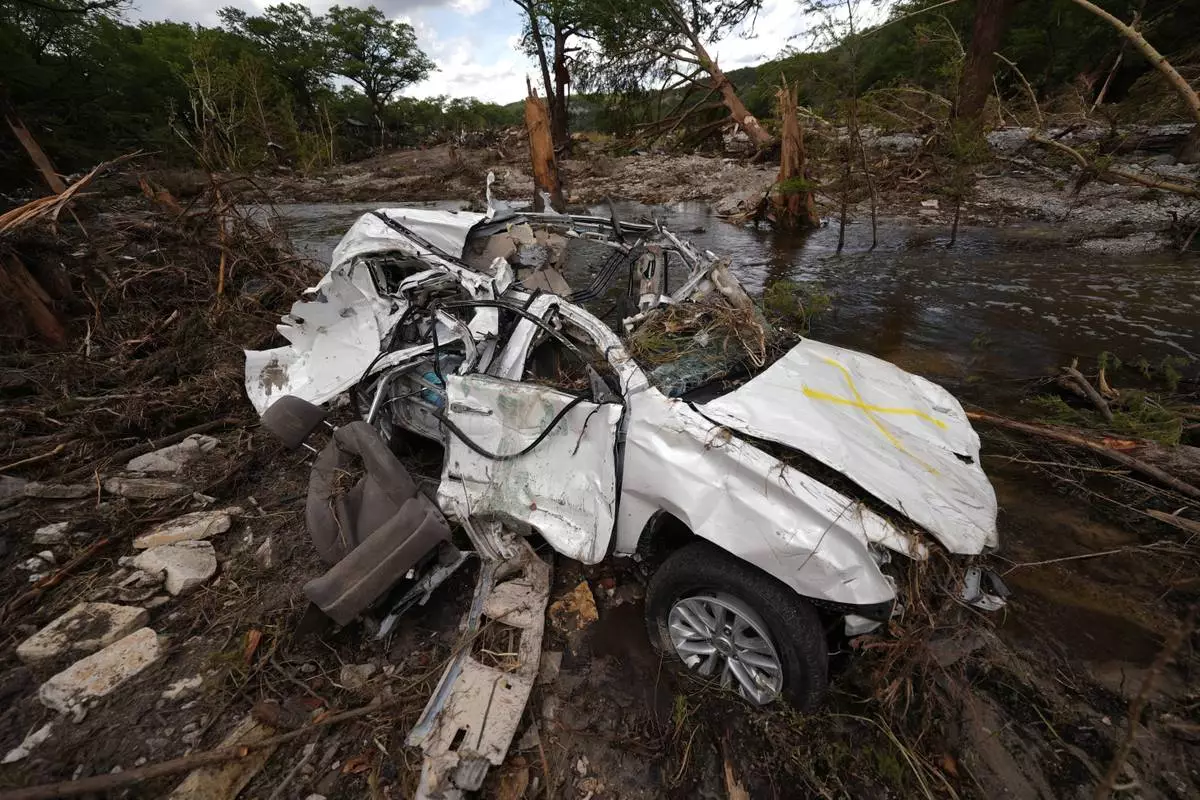
A destroyed vehicle sits next to the Guadalupe River on Wednesday, July 9, 2025, in Hunt, Texas, after a flash flood swept through the area. (AP Photo/Gerald Herbert)
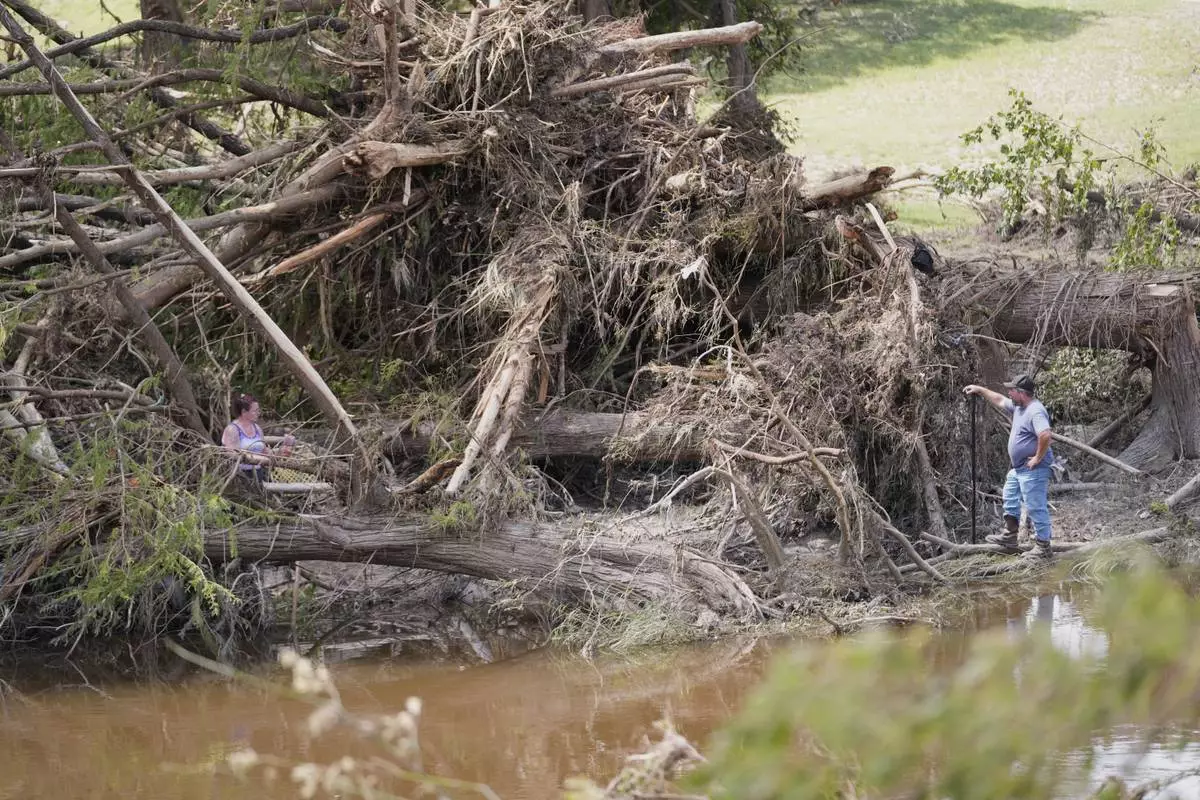
People search along the Guadalupe River after flooding in Kerrville, Texas on Wednesday , July 9, 2025. (AP Photo/Gerald Herbert)
MINNEAPOLIS (AP) — An Immigration and Customs Enforcement officer shot and killed a Minneapolis driver on Wednesday during the Trump administration's latest immigration crackdown on a major American city — a shooting that federal officials said was an act of self-defense but that the mayor described as reckless and unnecessary.
The 37-year-old woman was shot in front of a family member during a traffic stop in a snowy residential neighborhood south of downtown Minneapolis, just a few blocks from some of the oldest immigrant markets and about a mile (1.6 kilometers) from where George Floyd was killed by police in 2020. Her killing quickly drew a crowd of hundreds of angry protesters.
Homeland Security Secretary Kristi Noem, while visiting Texas, described the incident as an “act of domestic terrorism” carried out against ICE officers by a woman who “attempted to run them over and rammed them with her vehicle. An officer of ours acted quickly and defensively, shot, to protect himself and the people around him.”
But Minneapolis Mayor Jacob Frey blasted that characterization as “garbage” and criticized the federal deployment of more than 2,000 officers to the Twin Cities of Minneapolis and St. Paul as part of the immigration crackdown.
“What they are doing is not to provide safety in America. What they are doing is causing chaos and distrust,” Frey said, calling on the immigration agents to leave. “They’re ripping families apart. They’re sowing chaos on our streets, and in this case, quite literally killing people.”
“They are already trying to spin this as an action of self-defense. Having seen the video myself, I wanna tell everybody directly, that is bullshit,” the mayor said.
Frey said he had a message for ICE: "Get the f--- out of Minneapolis.”
Videos taken by bystanders with different vantage points and posted to social media show an officer approaching an SUV stopped across the middle of the road, demanding the driver open the door and grabbing the handle. The Honda Pilot begins to pull forward and a different ICE officer standing in front of the vehicle pulls his weapon and immediately fires at least two shots into the vehicle at close range, jumping back as the vehicle moves toward him.
It was not clear from the videos if the vehicle made contact with the officer. The SUV then sped into two cars parked on a curb nearby before crashing to a stop. Witnesses screamed obscenities, expressing shock at what they’d seen.
After the shooting, emergency medical technicians tried to administer aid to the woman.
“She was driving away and they killed her,” said resident Lynette Reini-Grandell, who was outdoors recording video on her phone.
The shooting marked a dramatic escalation of the latest in a series of immigration enforcement operations in major cities under the Trump administration. The death of the Minneapolis driver, whose name wasn't immediately released, was at least the fifth linked to immigration crackdowns.
The Twin Cities have been on edge since DHS announced Tuesday that it had launched the operation, which is at least partly tied to allegations of fraud involving Somali residents. Noem confirmed Wednesday that DHS had deployed more than 2,000 officers to the area and said they had already made “hundreds and hundreds” of arrests.
A large throng of protesters gathered at the scene after the shooting, where they vented their anger at the local and federal officers who were there, including Gregory Bovino, a senior U.S. Customs and Border Patrol official who has been the face of crackdowns in Los Angeles, Chicago and elsewhere.
In a scene that hearkened back to the Los Angeles and Chicago crackdowns, bystanders heckled the officers, chanting “Shame! Shame! Shame!” and “ICE out of Minnesota,” and blew whistles that have become ubiquitous during the operations.
Minnesota Gov. Tim Walz said he's prepared to deploy the National Guard if necessary. He said a family member of the driver was there to witness the killing, which he described as “predictable” and “avoidable." He also said like many, he was outraged by the shooting, but he called on people to keep protests peaceful.
“They want a show. We can’t give it to them. We cannot,” the governor said during a news conference. “If you protest and express your First Amendment rights, please do so peacefully, as you always do. We can’t give them what they want.”
Minneapolis Police Chief Brian O'Hara briefly described the shooting to reporters but, unlike federal officials, gave no indication that the driver was trying to harm anyone. He said she had been shot in the head.
“This woman was in her vehicle and was blocking the roadway on Portland Avenue. ... At some point a federal law enforcement officer approached her on foot and the vehicle began to drive off," the chief said. "At least two shots were fired. The vehicle then crashed on the side of the roadway.”
There were calls on social media to prosecute the officer who shot the driver. Commissioner Bob Jacobson of the Minnesota Department of Public Safety said state authorities would investigate the shooting with federal authorities.
“Keep in mind that this is an investigation that is also in its infancy. So any speculation about what has happened would be just that,” Jacobson told reporters.
The shooting happened in the district of Democratic Rep. Ilhan Omar, who called it “state violence,” not law enforcement.
For nearly a year, migrant rights advocates and neighborhood activists across the Twin Cities have been preparing to mobilize in the event of an immigration enforcement surge. From houses of worship to mobile home parks, they have set up very active online networks, scanned license plates for possible federal vehicles and bought whistles and other noisemaking devices to alert neighborhoods of any enforcement presence.
Dell'Orto reported from St. Paul, Minnesota. Associated Press reporters Steve Karnowski in Minneapolis, Ed White in Detroit, Valerie Gonzalez in Brownsville, Texas, and Mark Vancleave in Las Vegas contributed.
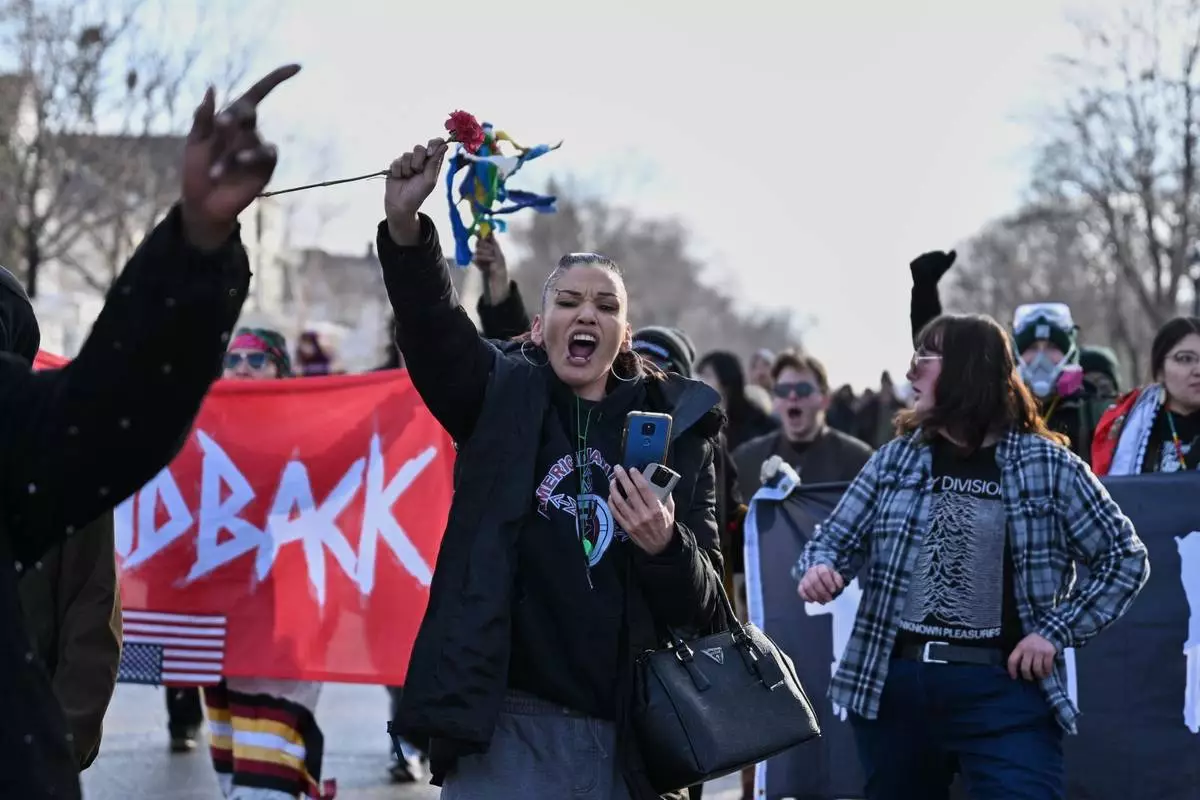
People protest as law enforcement officers attend to the scene of the shooting involving federal law enforcement agents, Wednesday, Jan. 7, 2026, in Minneapolis. (AP Photo/Tom Baker)
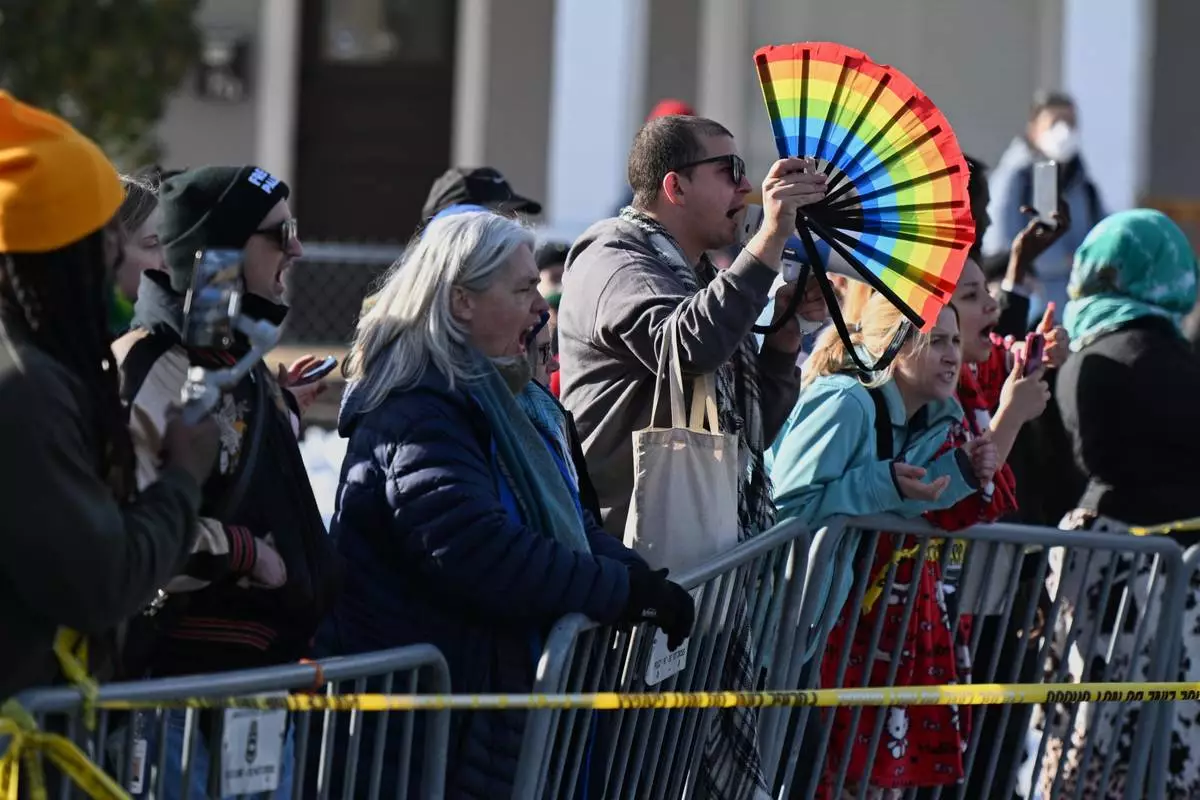
People protest as law enforcement officers attend to the scene of the shooting involving federal law enforcement agents, Wednesday, Jan. 7, 2026, in Minneapolis. (AP Photo/Tom Baker)
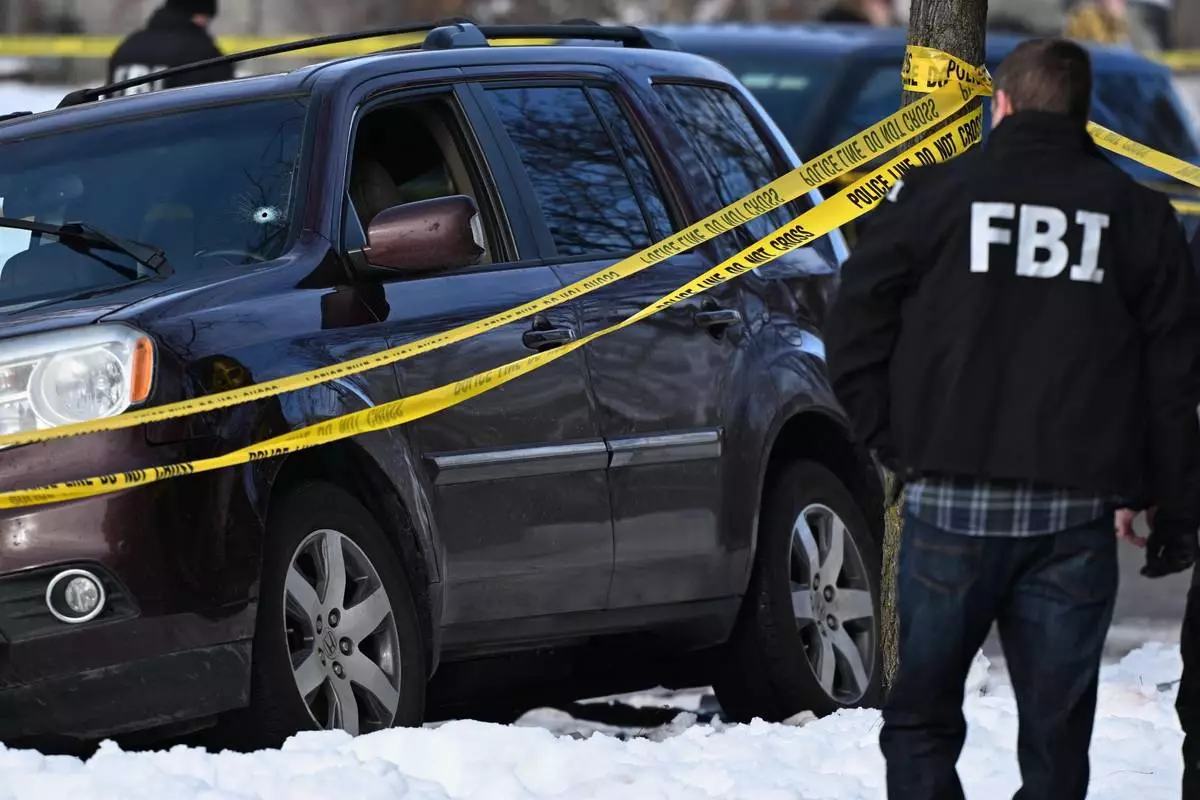
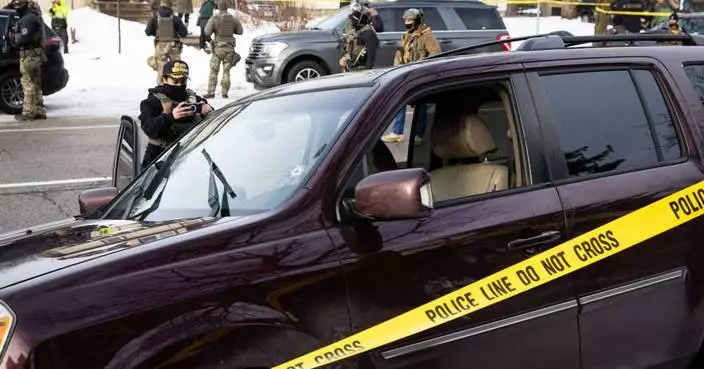
A bullet hole is seen in the windshield as law enforcement officers work the scene of a shooting involving federal law enforcement agents, Wednesday, Jan. 7, 2026, in Minneapolis. (AP Photo/Tom Baker)
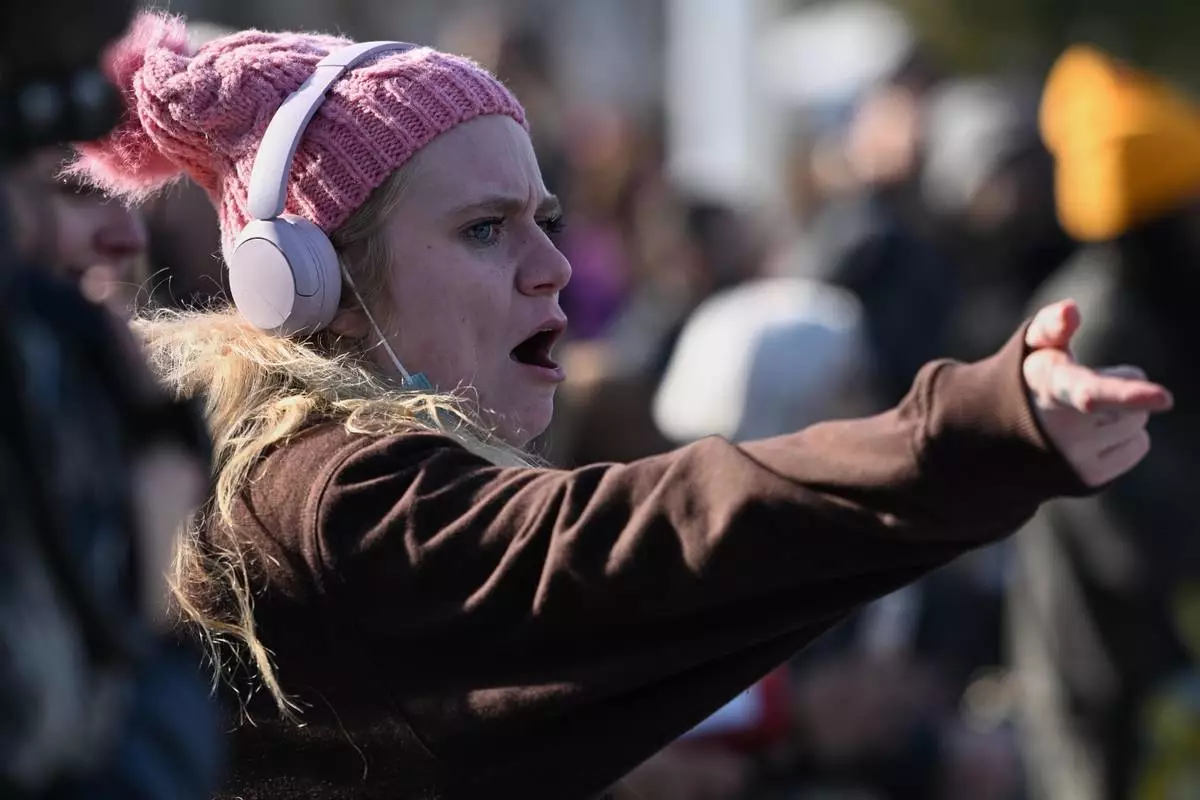
People protest as law enforcement officers attend to the scene of the shooting involving federal law enforcement agents, Wednesday, Jan. 7, 2026, in Minneapolis. (AP Photo/Tom Baker)
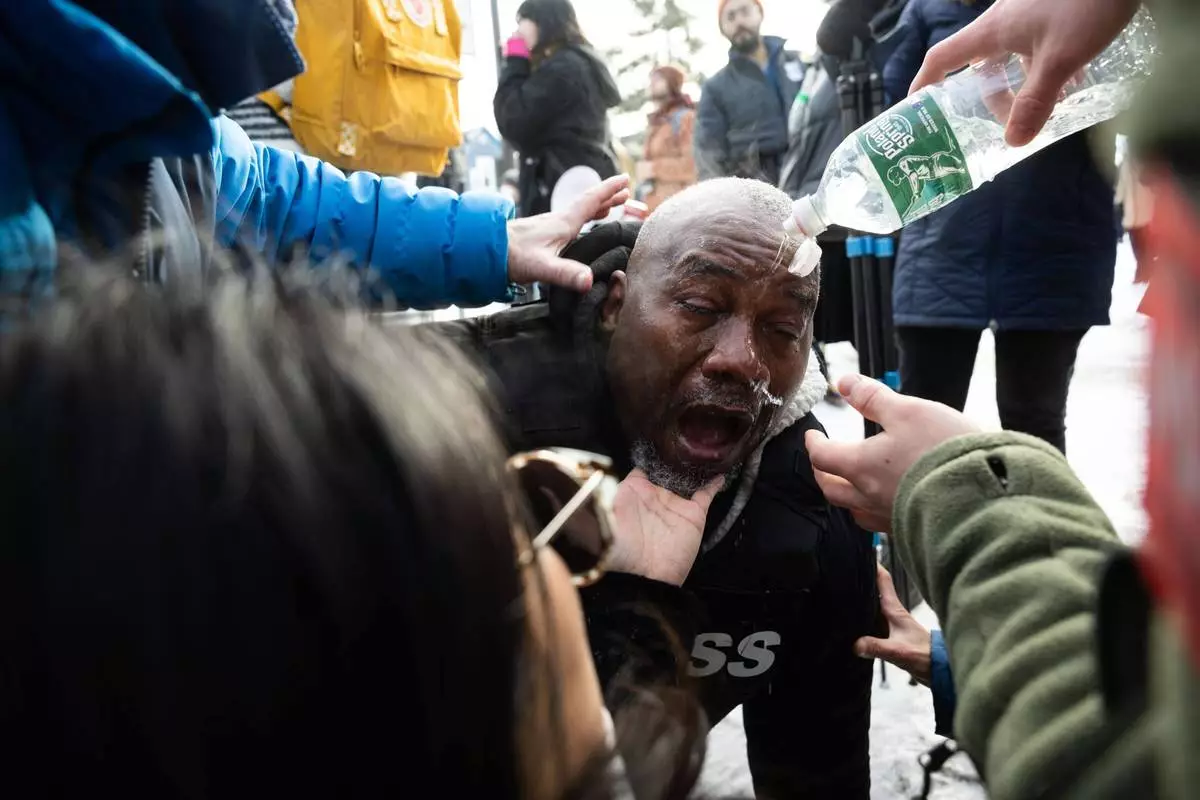
Photographer King Demetrius Pendleton has his eyes flushed after being hit with chemical irritants in Minneapolis on Wednesday, Jan. 7, 2026. (Ben Hovland /Minnesota Public Radio via AP)
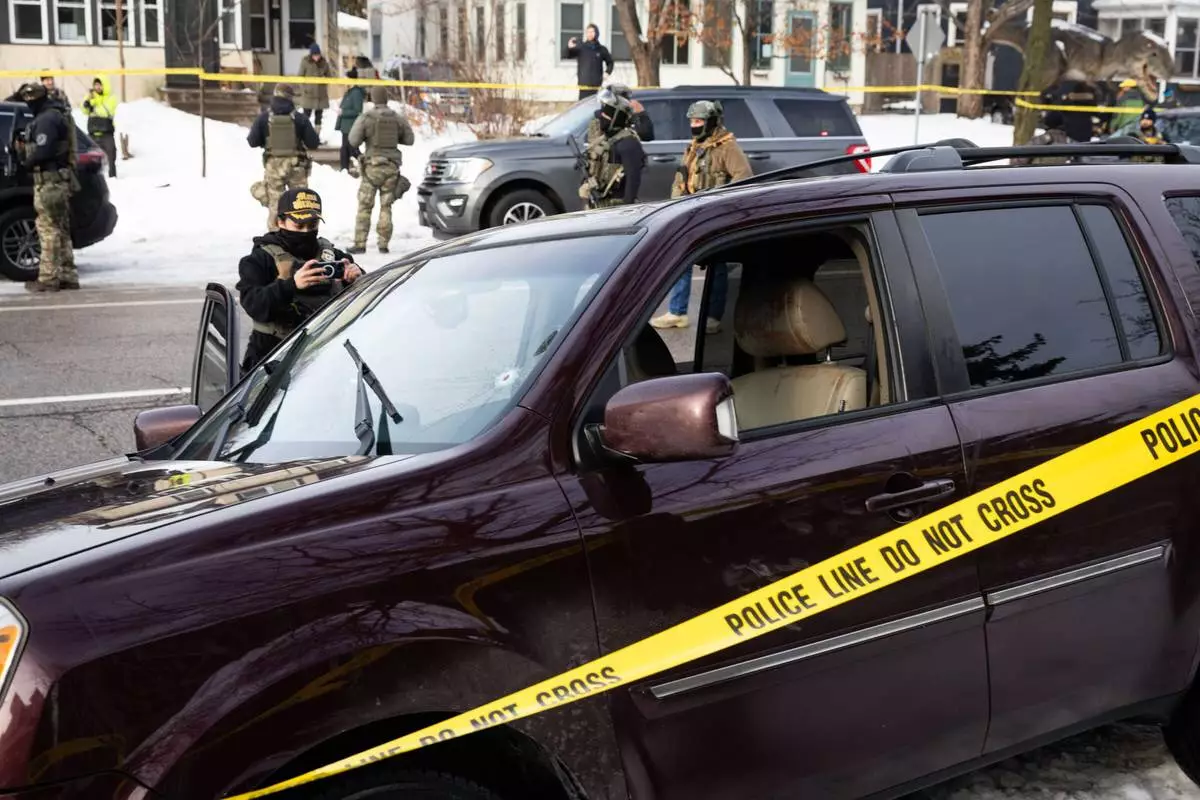
A bullet hole and blood stains are seen in a crashed vehicle on at the scene of a shooting in Minneapolis on Wednesday, Jan. 7, 2026. (Ben Hovland/Minnesota Public Radio via AP)
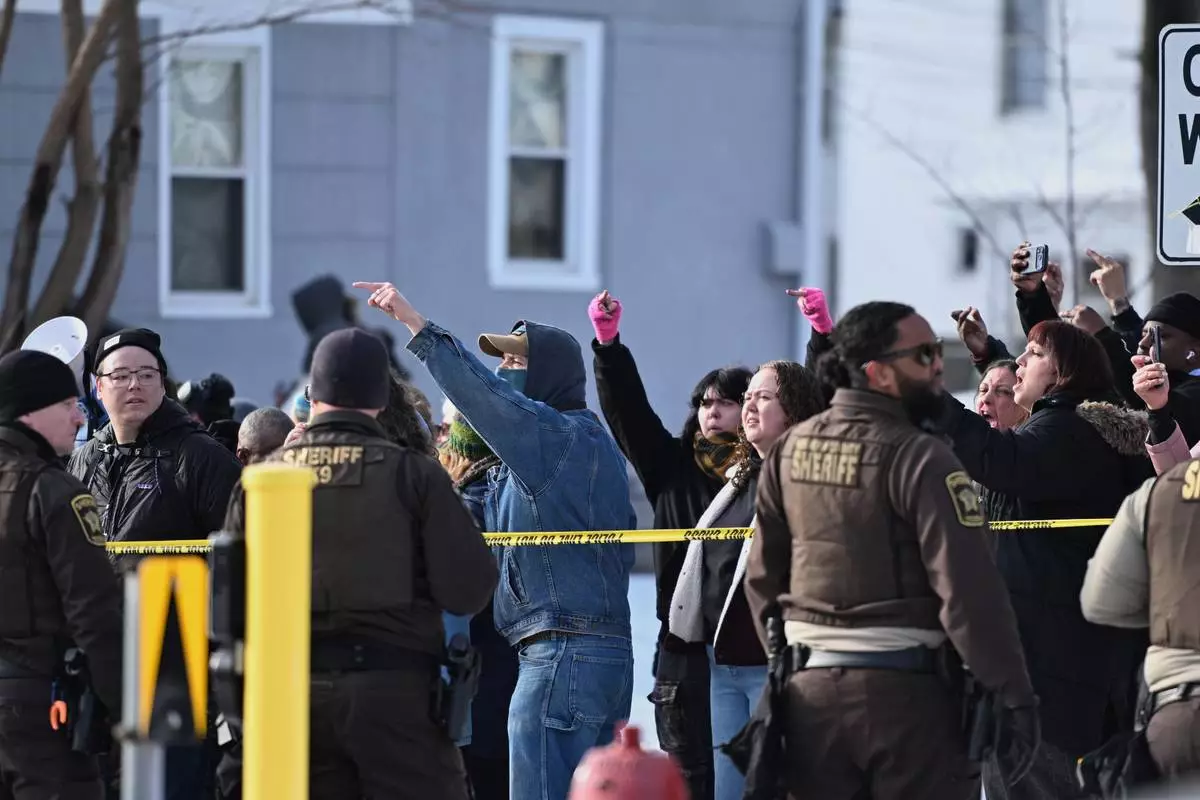
EDS NOTE: OBSCENITY - People protest as law enforcement officers attend to the scene of the shooting involving federal law enforcement agents, Wednesday, Jan. 7, 2026, in Minneapolis. (AP Photo/Tom Baker)
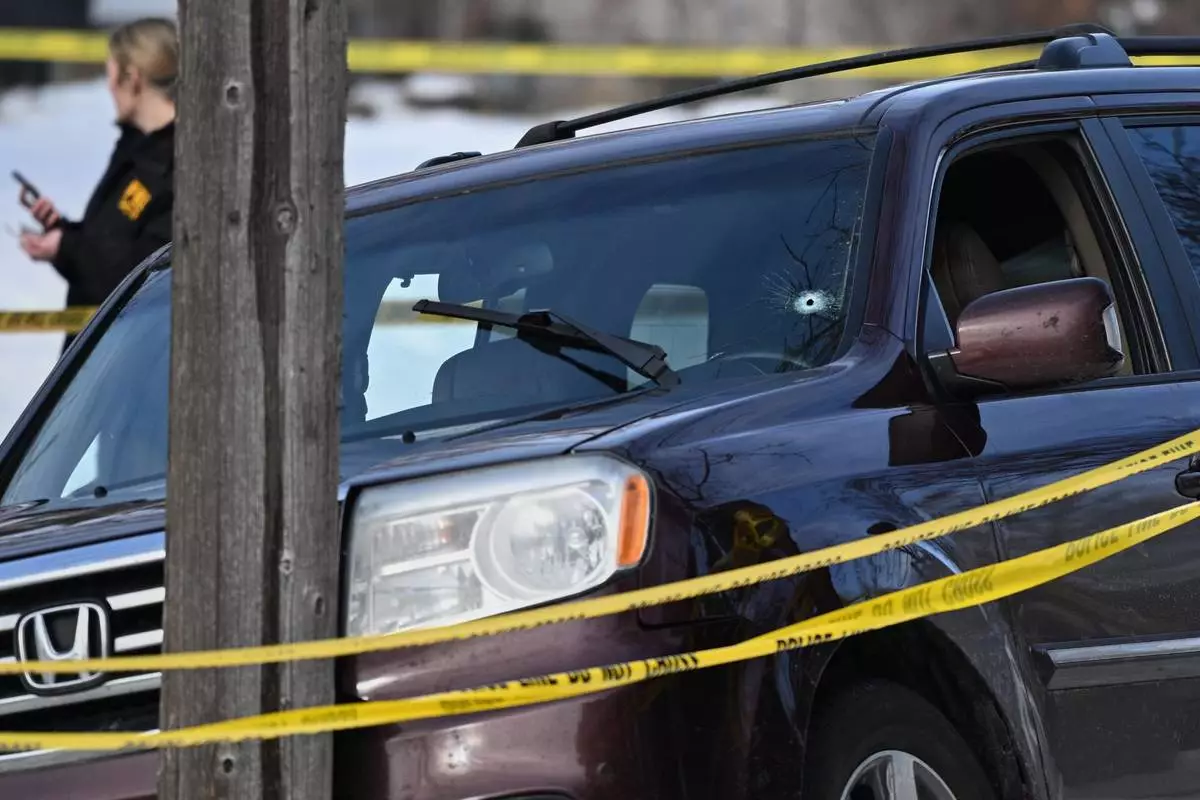
A bullet hole is seen in the windshield as law enforcement officers work at the scene of a shooting involving federal law enforcement agents, Wednesday, Jan. 7, 2026, in Minneapolis. (AP Photo/Tom Baker)
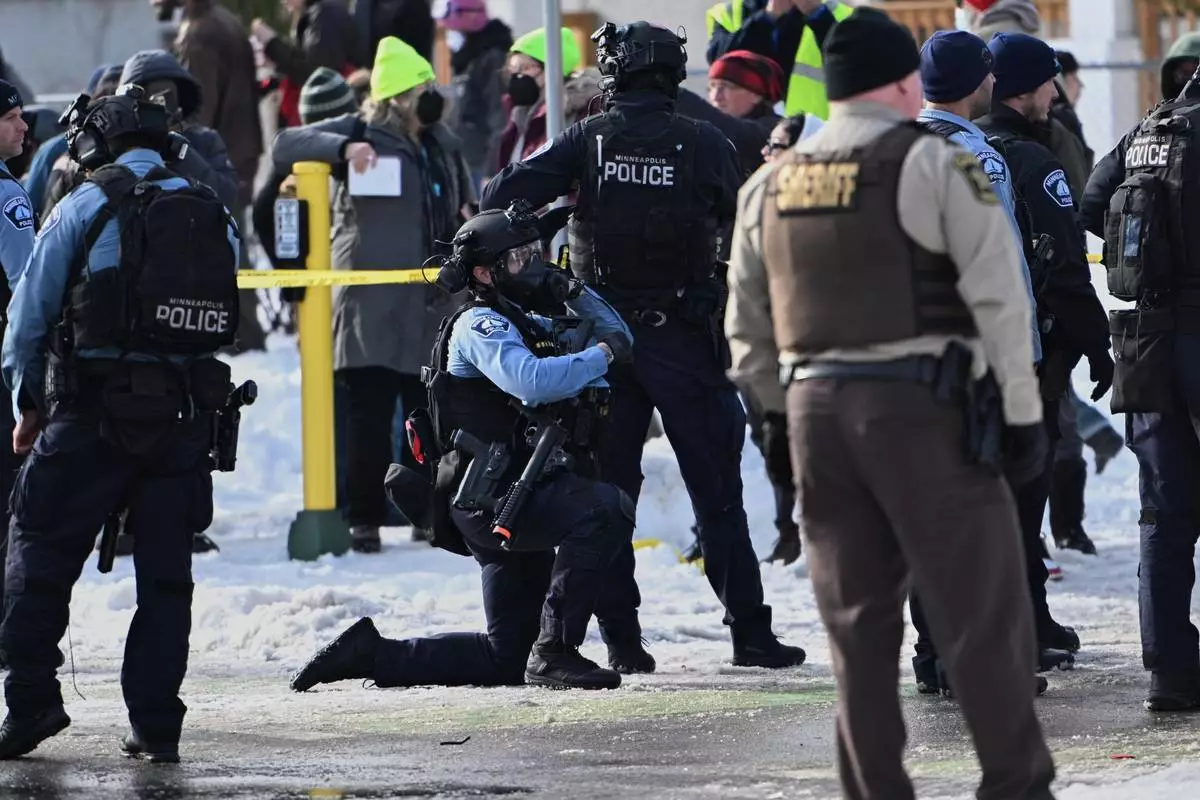
Law enforcement officers attend to the scene of the shooting involving federal law enforcement agents, Wednesday, Jan. 7, 2026, in Minneapolis. (AP Photo/Tom Baker)
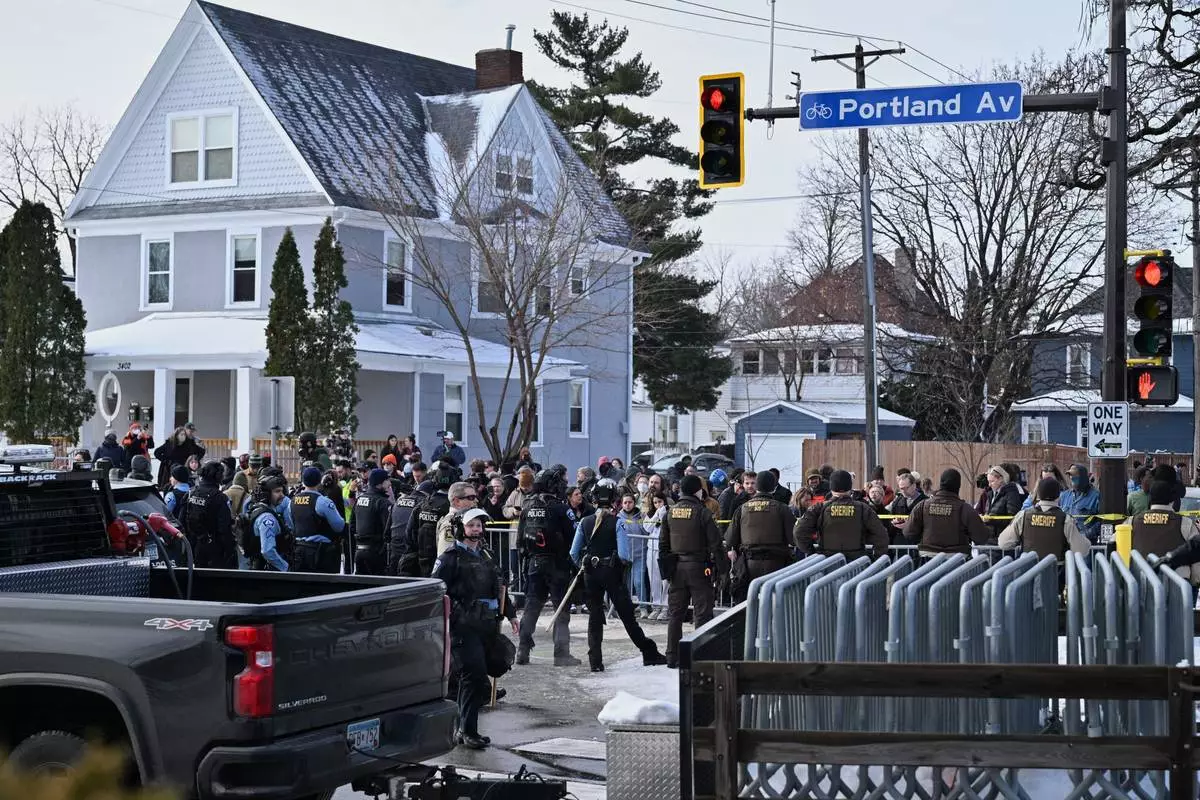
People protest as law enforcement officers attend to the scene of the shooting involving federal law enforcement agents, Wednesday, Jan. 7, 2026, in Minneapolis. (AP Photo/Tom Baker)
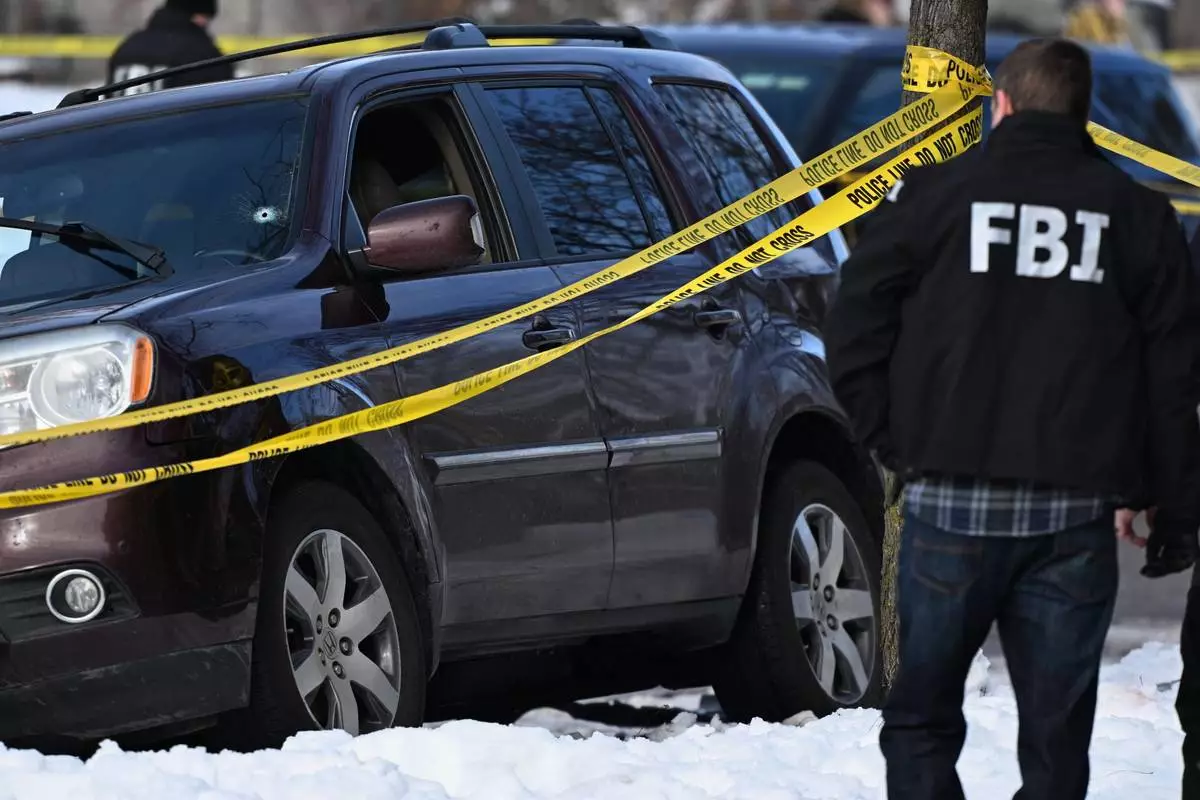
A bullet hole is seen in the windshield as law enforcement officers attend to the scene of the shooting involving federal law enforcement agents, Wednesday, Jan. 7, 2026, in Minneapolis. (AP Photo/Tom Baker)
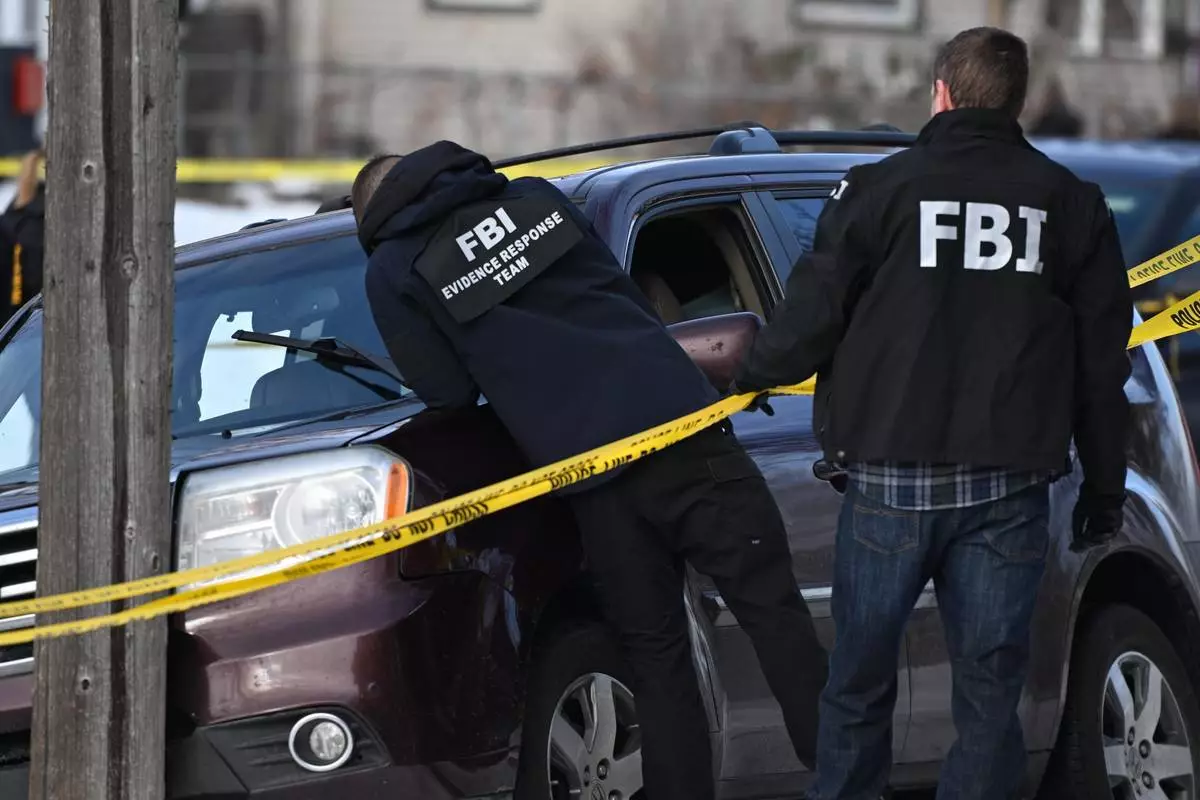
Law enforcement officers attend to the scene of the shooting involving federal law enforcement agents, Wednesday, Jan. 7, 2026, in Minneapolis. (AP Photo/Tom Baker)
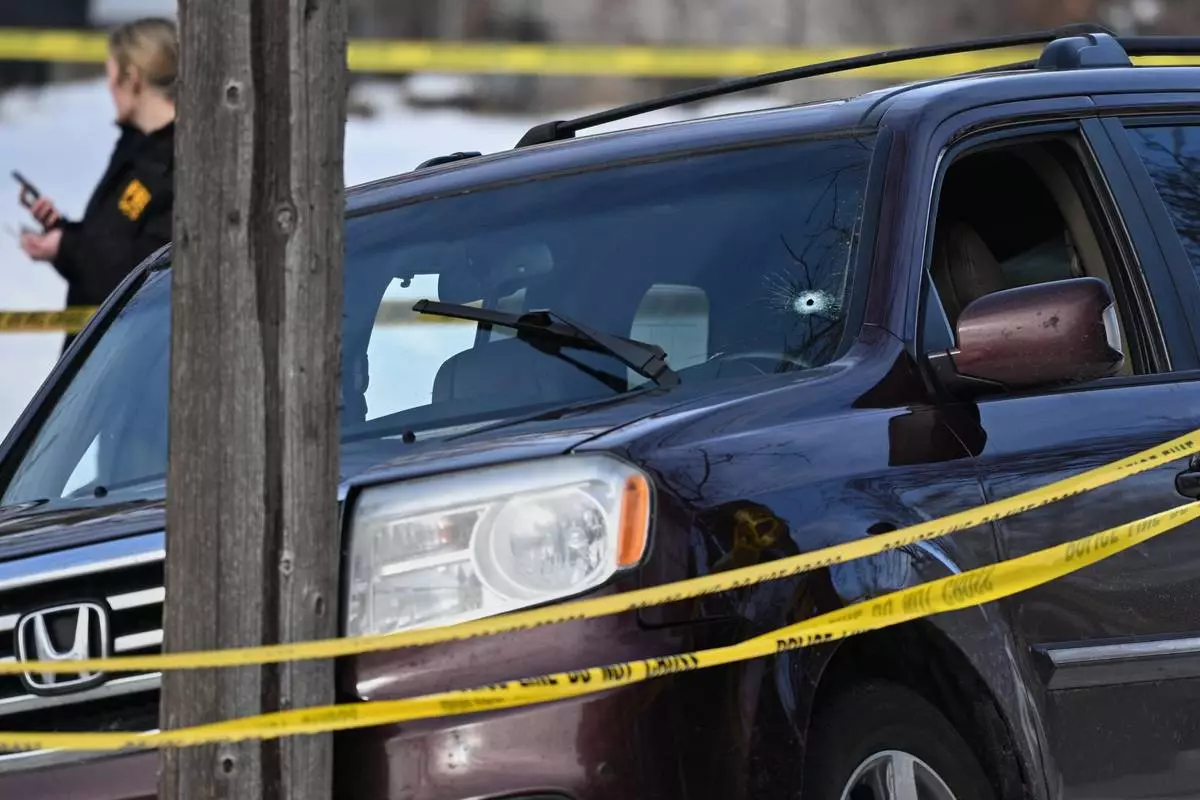
A bullet hole is seen in the windshield as law enforcement officers attend to the scene of the shooting involving federal law enforcement agents, Wednesday, Jan. 7, 2026, in Minneapolis. (AP Photo/Tom Baker)
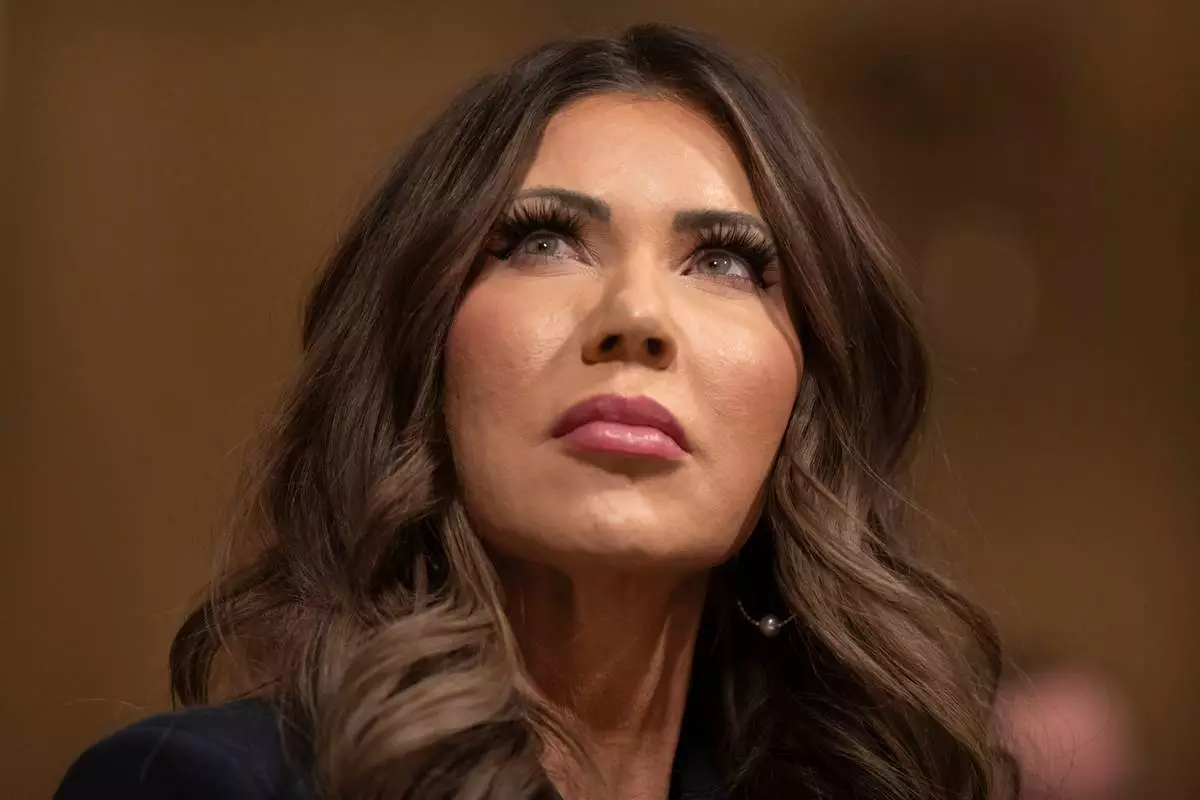
FILE - Homeland Security Secretary Kristi Noem appears before the House Committee on Homeland Security on Capitol Hill in Washington, Thursday, Dec. 11, 2025. (AP Photo/Mark Schiefelbein, File)
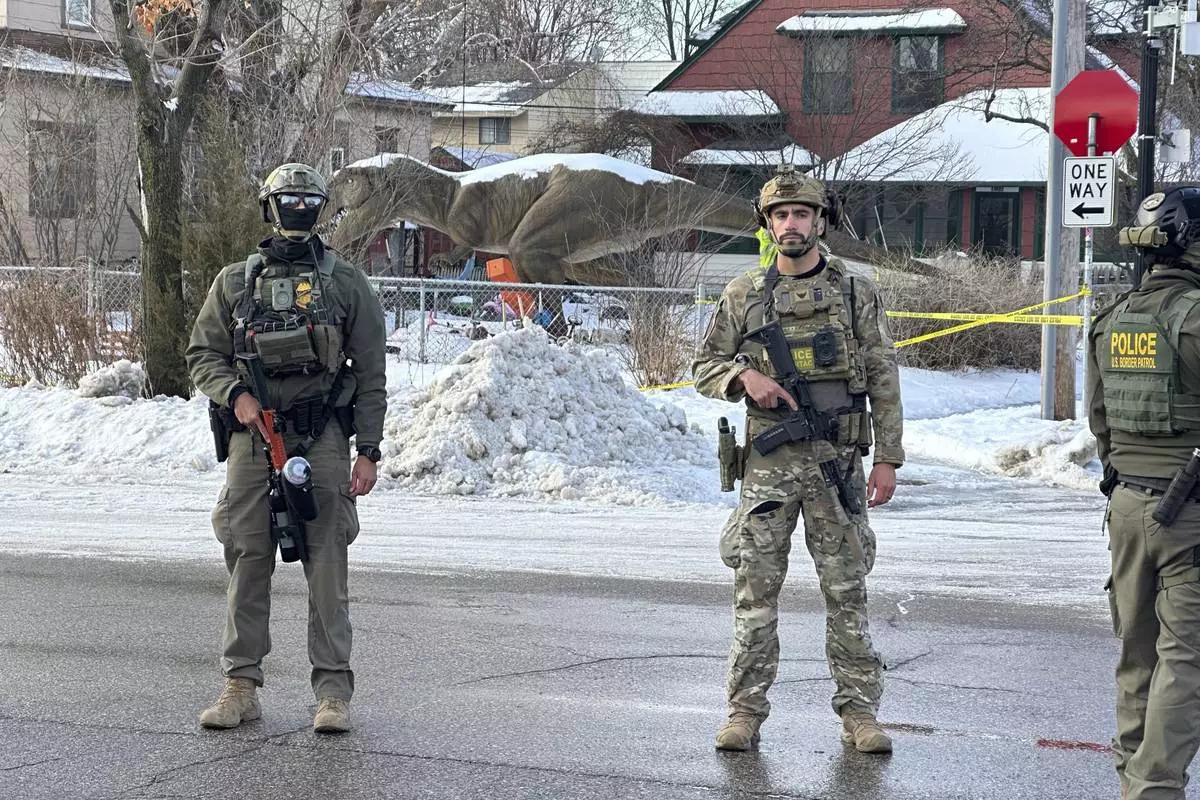
Federal law enforcement officers stand near a roadblock at Portland Avenue and East 32nd Street, Wednesday, Jan. 7, 2026, after reports of a shooting involving federal agents in Minneapolis, where immigration enforcement has been conducting a major crackdown. (AP Photo/Tim Sullivan)
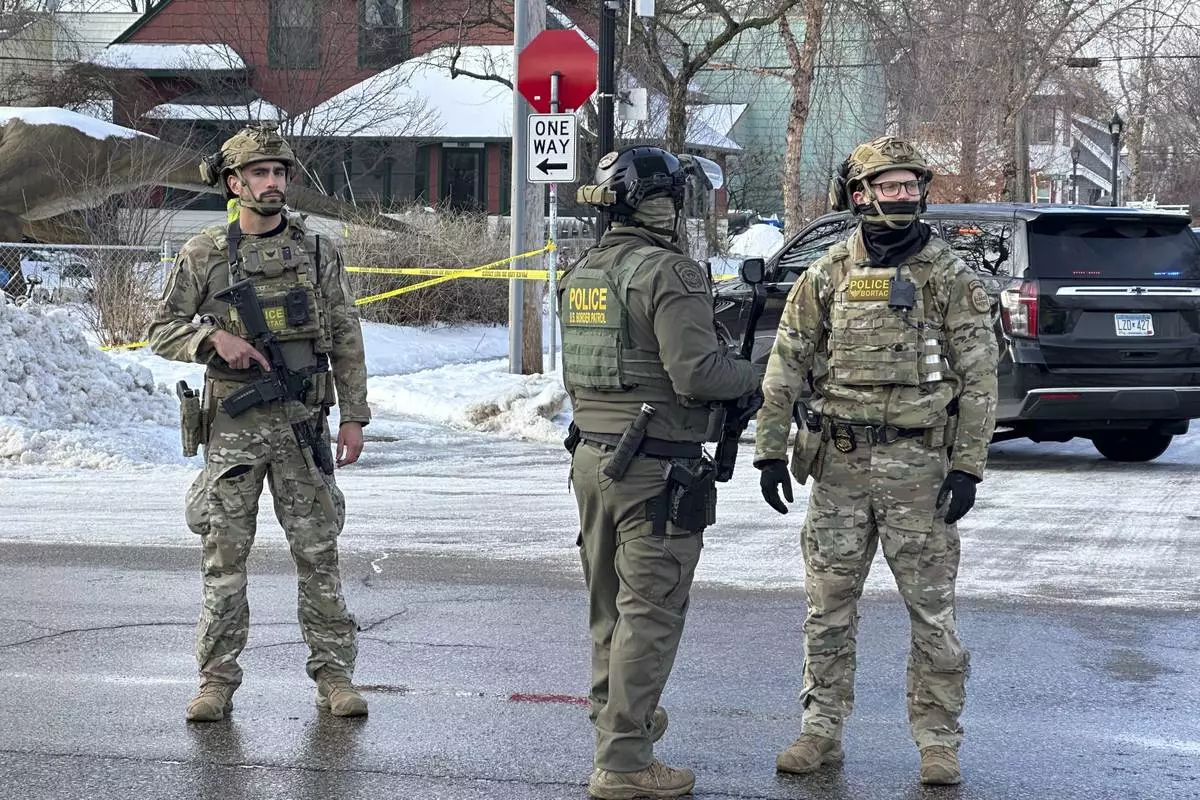
Federal law enforcement officers stand near a roadblock at Portland Avenue and East 32nd Street, Wednesday, Jan. 7, 2026, after reports of a shooting involving federal agents in Minneapolis, where immigration enforcement has been conducting a major crackdown. (AP Photo/Tim Sullivan)