The U.S. tariff policy is a negative-sum game that will possibly push other countries to explore alternative markets and seek trade opportunities outside the United States, a Serbian expert on economics said on Wednesday.
U.S. President Donald Trump sent the first batch of tariff letters to 14 countries on Monday including Serbia, with tariffs ranging from 25 percent to 40 percent. Goods imported from Serbia to the United States will face a 35 percent tariff.
Trump warned in his letters that if these countries raise their tariffs in response, the United States will increase its tariffs by the same amount.
He said that there will be no tariff if these countries or their companies decide to build or manufacture products within the United States.
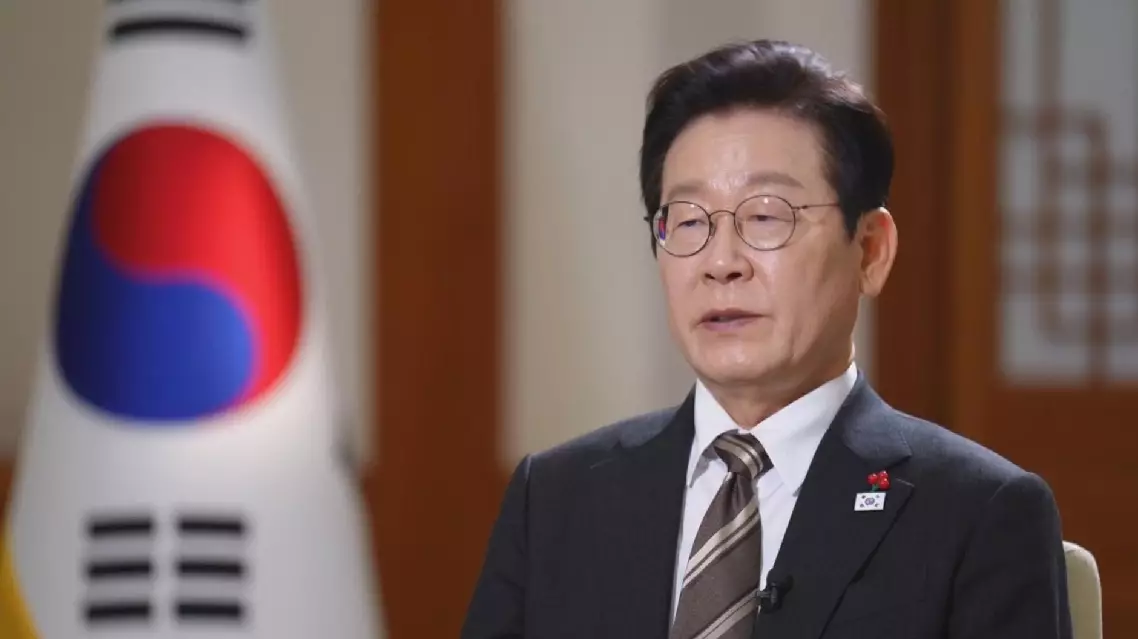
Commenting on Trump's move, Veljko Mijuskovic, professor with the Faculty of Economics at the University of Belgrade, said that auto parts, food and other industries in Serbia will suffer a huge blow. But even so, relocating production to the United States remains entirely impractical for Serbian companies, he said.
"I believe that it is not a real solution. So if these tariffs persist, probably we will see less export to the United States, or we will try to find alternative markets to rearrange the export activities," said the professor.
Noting that sound economic development relies on predictable and stable environment, Mijuskovic said the United States' failure to abide by established and widely accepted international trade rules has created significant instability, disrupting global trade.
"The general impact of this kind of tariffs is of course negative. In the general way trade is down globally up to now, meaning that there will be a lower level of trade between countries, there will be a need to rearrange global supply chains. And furthermore, there will be needs to find alternative partners if the United States of America seems to be placing such high tariffs, which might be prohibitive for some countries to further continue cooperation with the United States," he said.
In the long run, the U.S. moves will end up hurting its own interests, the professor said, noting that the United States will have to adjust its policy once it realizes the consequences.
"My general opinion is that this is a game with a negative sum, meaning that in the long run every and each competitor on every side will lose. And once the American administration grasps the consequences on every side, I believe that they will deteriorate and that they would introduce a more sound and more acceptable solution for every party," Mijuskovic said.
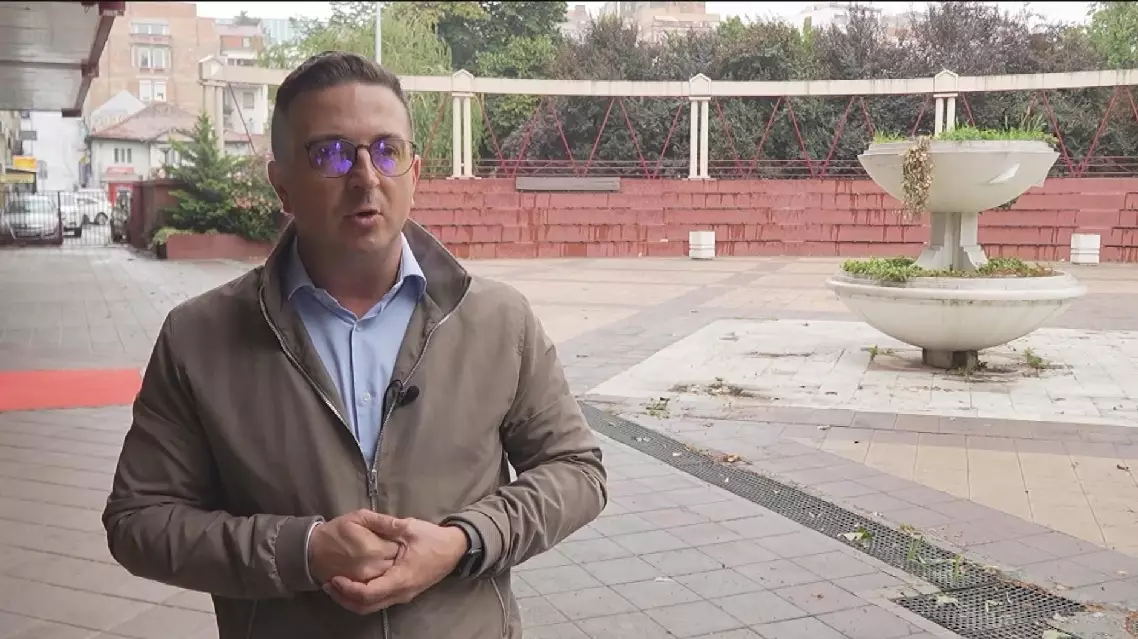
U.S. tariff policy expected to push other countries to explore alternative markets: Serbian expert