Artificial intervention has significantly assisted growth in the population of Qinghai Lake naked carps -- a rare species unique to the Qinghai Lake in northwest China's Qinghai Province.
The breeding season of the Qinghai Lake naked carp mainly runs from the end of May to August, with the peak period of migratory spawning usually occurring from the end of May to early July. Therefore, people living around the Qinghai Lake -- the biggest saltwater lake in China -- would form teams to escort the naked carps as they migrate upstream for annual reproduction.
Every year from June to August, as their mating season arrives, adult carps would swim from the saltwater of the lake up against the strong currents to spawn in freshwater, venturing into the lake's major inflowing rivers, such as the Buha River, Shaliu River and Quanji River.
During the journey, which can be dozens of kilometers or even over 100 kilometers long, the fish would face multiple challenges, including harsh weather conditions, water level rises, and predation by birds.
In efforts to protect the endangered species, which is also under Grade Two national protection in China, local ecological rangers and herdsmen have formed special teams so far this year to patrol around the Qinghai Lake to prevent possible poaching and to rescue stranded fish.
The government-operated Qinghai Lake naked carp rescue center has established monitoring stations along the migration routes to closely observe their movement.
It's also conducting artificial insemination to help increase the reproduction rate of the naked carp.
"Based on the results of our survey, the natural fish fry survival rate of naked carp is only 0.2 percent, while our artificial breeding can achieve a survival rate of 95 percent. The artificially-bred naked carps released by us contribute 26 percent to the species' population increase," said Jiang Huamin, an engineer of the rescue center.
The Qinghai Lake naked carp was once on the verge of extinction due to overfishing and habitat loss. It was listed on the China Species Red List in 2004.
In 2003, China started a ban on the fishing of naked carps in the Qinghai Lake to boost population growth of the rare species. Thanks to the country's conservation efforts, the number of Qinghai Lake naked carps has since bounced back.
As of the end of 2024, the reserves of naked carp resources in the Qinghai Lake had recovered to 127,500 tons, which is 7,200 tons or 5.98 percent higher than that in 2023 and 49 times that of 2003.
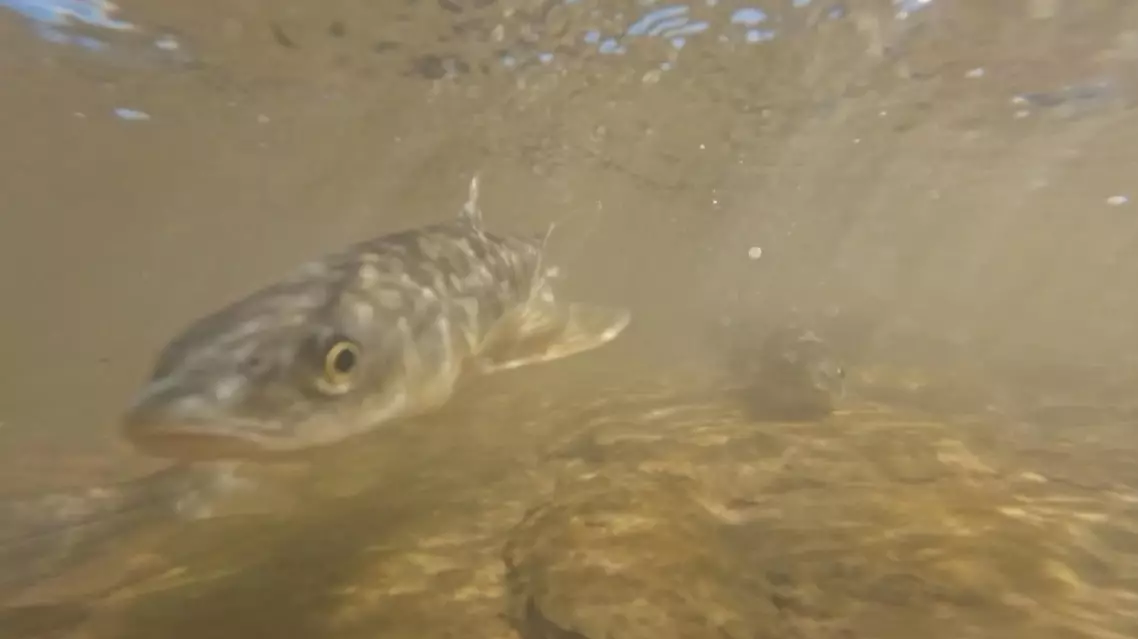
Artificial intervention helps growth of naked carp population