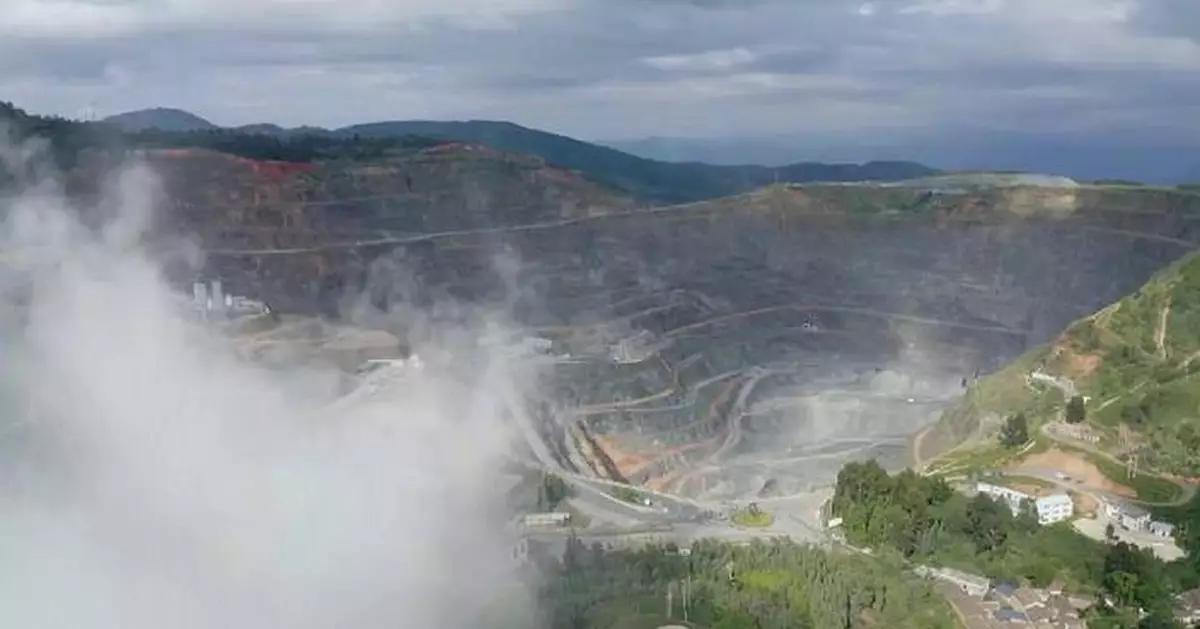
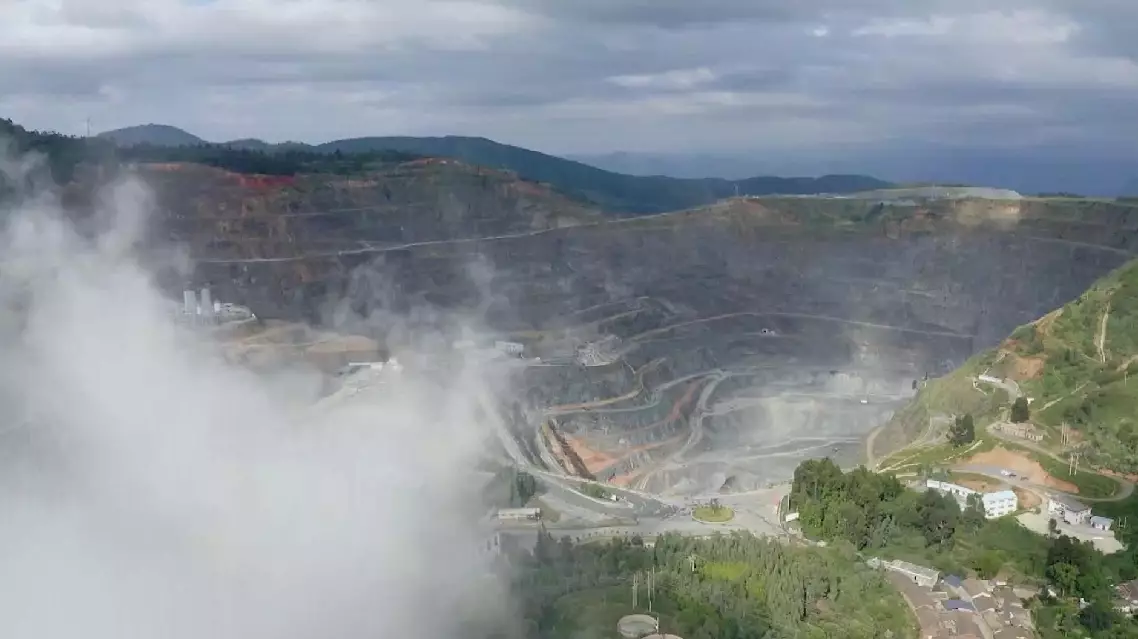
China has achieved significant progress in mineral exploration during the first half of 2025, with 38 new mineral deposits discovered and continued growth in non-oil and gas mineral exploration investment, the Ministry of Natural Resources announced on Thursday.
In the first six months of this year, China identified 38 mineral deposits, marking a 31 percent year-on-year increase, including 25 large and medium-sized sites. Major discoveries included 3.37 million tons of rubidium deposit in Xinglong County, north China's Hebei Province, and 81 tons of newly verified gold reserves in Tekes County, northwest China's Xinjiang Uygur Autonomous Region. Most of the mineral exploration targets set in the 14th Five-Year Plan (2021-2025) have already been achieved ahead of schedule, according to the ministry.
In the first half of 2025, China's non-oil and gas mineral exploration investment reached 6.693 billion yuan (943.71 million U.S. dollars), up 23.9 percent year on year. During the period, exploration investment in tin, bauxite, tungsten, copper, and phosphate surged by over 50 percent year on year, while investment in coal, lead-zinc, molybdenum, gold, and graphite also saw varying degrees of growth.
"In terms of the structure of mineral exploration investment in the first half of the year, private capital reached 3.359 billion yuan (about 473.62 million U.S. dollars), a 28.2 percent year-on-year increase, representing 48 percent of total sector investment. This demonstrates growing corporate interest in mineral exploration. With the implementation of the revised Mineral Resources Law, we will enhance fundamental geological work, and intensify efforts to launch a new round of strategic mineral exploration programs to further enhance the national energy and resource security capabilities," said Niu Li, Deputy Director of the ministry's geological exploration department.
China advances in mineral explorations in H1, discovering 38 new mineral deposits