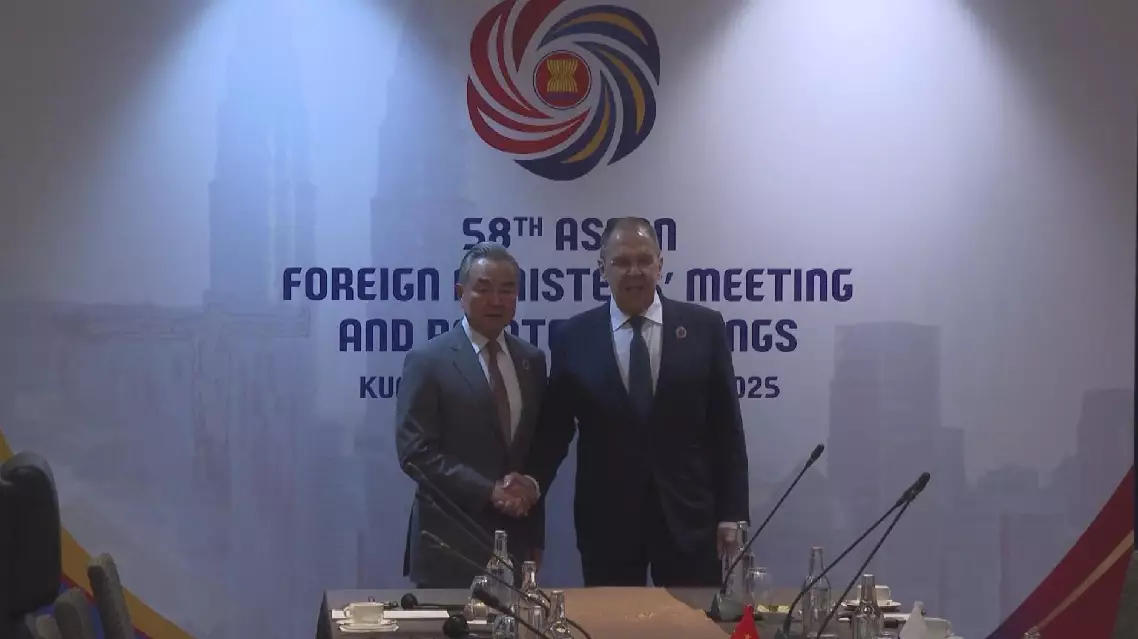
China is ready to work with Russia to continuously promote strategic coordination and safeguard the security and development interests of both countries, Chinese Foreign Minister Wang Yi said in Kuala Lumpur, Malaysia on Thursday.
Wang, also a member of the Political Bureau of the Communist Party of China Central Committee, made the remarks when meeting with Russian Foreign Minister Sergey Lavrov.
Wang said that the heads of two states have maintained strategic communication, providing steady and long-term guidance for China-Russia relations amidst the profound global changes unseen in a century.
Last month, the heads of two states held a phone conversation and jointly voiced strong positions of China and Russia on regional and international hotspot issues, Wang said.
Noting that China and Russia are important dialogue partners of the Association of Southeast Asian Nations (ASEAN), Wang said the two countries should strengthen strategic coordination on East Asian cooperation platforms, support an ASEAN-centered, open and inclusive regional cooperation architecture, uphold the right direction of the East Asia Summit and the ASEAN Regional Forum, and help further build development consensus for East Asia cooperation mechanism, making it a major engine and positive force for global development.
For his part, Lavrov said that under the strategic guidance of the two heads of state, Russia and China have maintained close coordination and cooperation, which demonstrates the global and strategic significance of the bilateral relationship, especially under current circumstances.
Both countries support ASEAN's central role in regional cooperation and are committed to safeguarding peace and stability in the Asia-Pacific, said Lavrov, adding that they should remain vigilant against attempts by certain major powers to sow division and provoke confrontation in the region.
Russia fully supports China in assuming the rotating presidency of the Shanghai Cooperation Organization and is ready to jointly prepare for high-level exchanges and cooperation in various fields, as well as to strengthen communication and coordination under frameworks such as BRICS, he said.
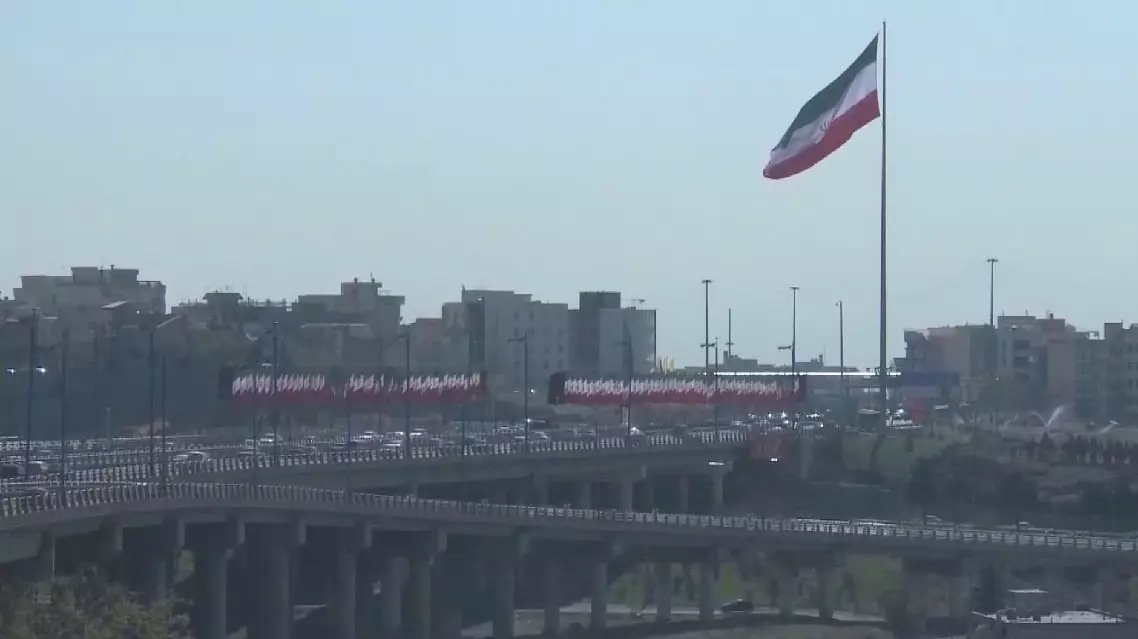
The two sides also exchanged views on the Iranian nuclear issue. Lavrov elaborated on Russia's positions.
Wang stressed that force cannot bring peace, pressure does not solve problems, and dialogue and negotiation are the fundamental path forward. China values Iran's commitment not to seek nuclear weapons and respects its legitimate right, as a party to the Treaty on the Non-Proliferation of Nuclear Weapons, to the peaceful use of nuclear energy.
As permanent members of the UN Security Council and key participants in the Joint Comprehensive Plan of Action, China and Russia should continue to strengthen strategic coordination, advance the political and diplomatic resolution process, jointly uphold the international non-proliferation regime, and promote the early realization of peace and stability in the Middle East, Wang added.
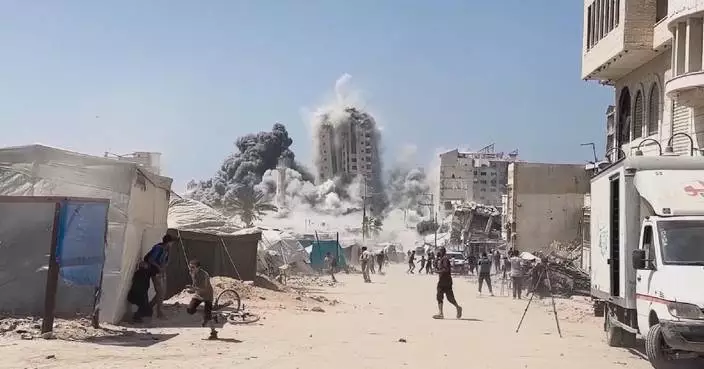
The two sides also exchanged views on the Palestinian-Israeli conflict and other international and regional issues of mutual concern.

China willing to promote strategic coordination with Russia: FM
China willing to promote strategic coordination with Russia: FM