Rising temperatures in Western Europe are directly connected to human-caused climate change, serving as an urgent reminder of the need for early warning systems for extreme weather, said World Meteorological Organization (WMO) media officer Clare Nullis.
Her remarks came after the EU-funded Copernicus Climate Change Service (C3S) released a report on Wednesday, finding that the world has just experienced the third hottest June on record, while Western Europe endured its hottest June ever recorded.
In an exclusive interview in Geneva with China Media Group (CMG) on Thursday, Nullis highlighted the extraordinary intensity of recent heatwaves in Western Europe. One struck in mid-June, followed by another at the month's end -- both unusually early and severe.
"Why is this happening? Lots of reasons, but one of the reasons certainly in Western Europe is that we have very, very high record sea surface temperatures in the Mediterranean. So if you think of we people on land, what we feel like when we have a heat wave, the same thing is happening in the Mediterranean. So the Mediterranean is having its own -- we call it a marine heat wave. The average temperature of the water was 27 degrees Celcius, which is very, very high. And that then has an impact on land," Nullis said.
According to WMO data, both the duration and intensity of heatwaves are increasing globally, with the scientific consensus pointing to human-generated greenhouse gases as the major cause.
"The science is very, very clear on that, that it is greenhouse gases from human emissions which are at the root cause of this problem. The way they work is they trap heat in the atmosphere. So carbon dioxide traps heat in the atmosphere, and this is why we are seeing rising temperatures. So the Intergovernmental Panel on Climate Change, which is the body of experts on this, they are quite clear that temperatures are rising and that human-induced greenhouse gas emissions are to blame," said the WMO media officer.
Nullis continued to point out that the impact of climate change goes far beyond rising temperatures. According to climate scientists, additional heat in the atmosphere and oceans also triggers a chain reaction as warmer air holds more moisture, making extreme rainfall events more intense. Warming oceans lead to increased evaporation, fueling more violent storms.
In light of this, Nullis reiterated the WMO's call for better preparedness as global warming intensifies, in part by establishing early warning infrastructure.
"Climate change is happening. It's a reality. We're seeing more extreme weather, so what we have to do is to adapt to that more extreme weather. And one of the best ways of doing this is through early warnings. And this is why the World Meteorological Organization, one of our top priorities at the moment is the Early Warnings for All (EW4All) initiative and that's to make sure that if bad weather is on its way, that people know about it, that they're warned ahead of time and that they can take early action. And here again, China really is one of the global leaders in making sure that the early warnings are issued and that they get people and people can act on them. And that saves lives," she said.
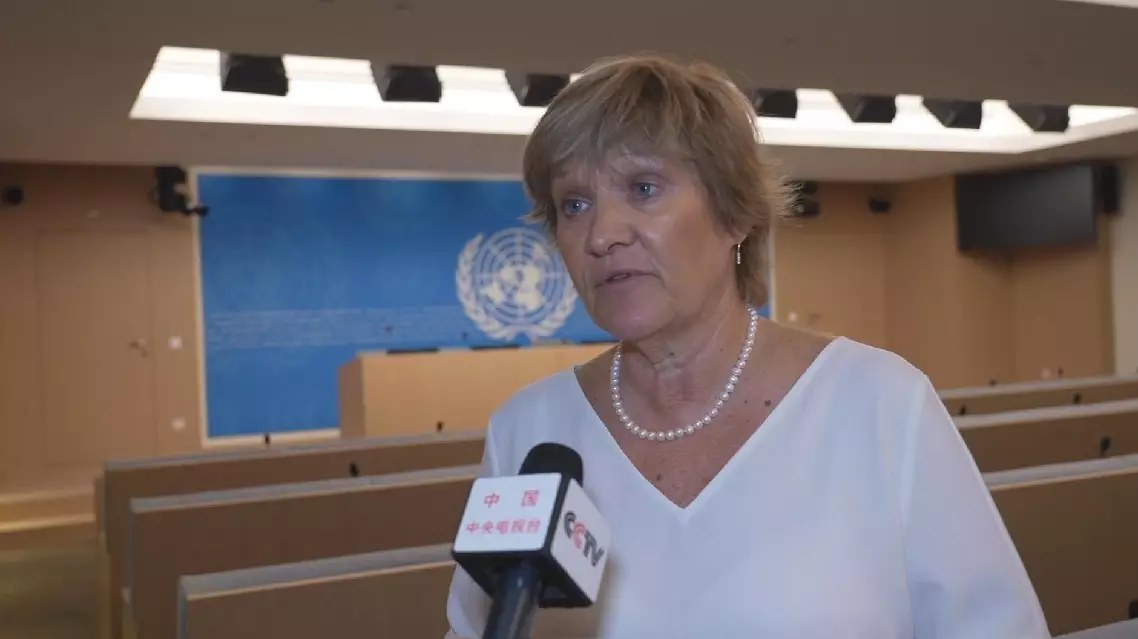
Human activities fuel Europe's heatwaves: WMO spokesperson