Gabriel Fischer, European Affairs Advisor to the Chairman of Voice-Social Democracy of Slovak and Slovak National Council representative to the European Union, has praised China's Global Civilization Initiative, highlighting its foundation of key pillars – especially shared human values.
He emphasized that values such as freedom, peace, democracy, justice, fairness and mutual understanding are essential to driving intercultural dialogue. "The majority of the conflicts going on in the world are stemming from the misunderstanding among the civilizations," Fischer said. "If we don't understand our partners – their goals or interests – it's very difficult to build on dialogue."
When asked about the role of cultural dialogue in civilizations and mutual learning in promoting peace and development during an interview with China Global Television Network (CGTN) at the Global Civilizations Dialogue Ministerial Meeting in Beijing, Fischer called dialogue among civilizations "the key peacemaking factor we can form." He added, "This platform provides us with the opportunity to understand each other and to learn about our positions."
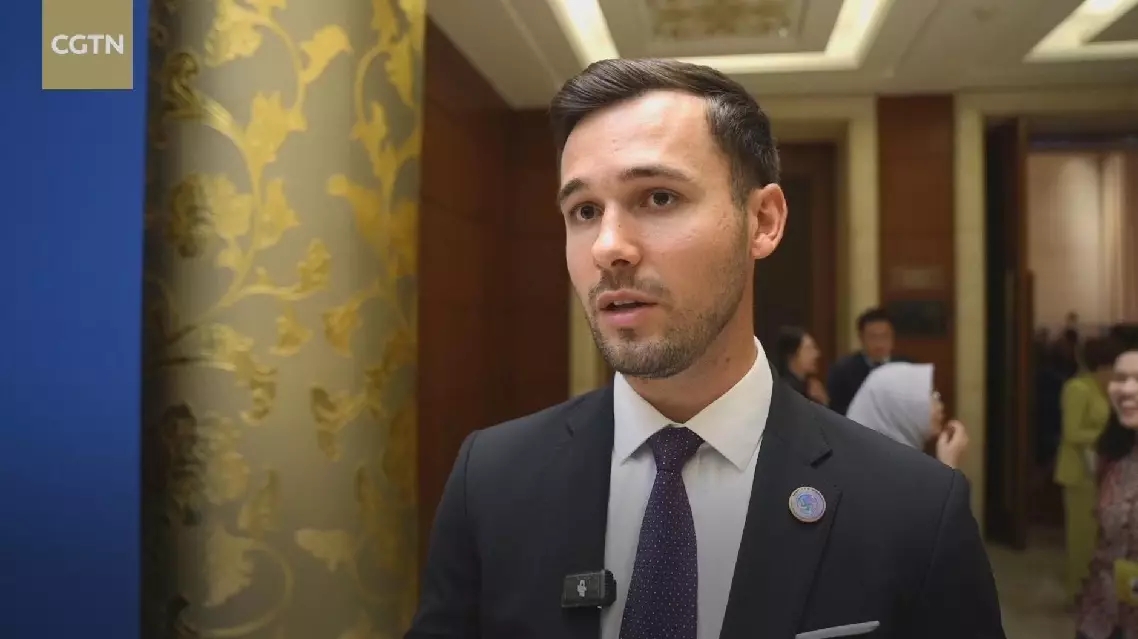
Dialogue among civilizations vital for peacebuilding: Slovak official
Iranian Parliament Speaker Mohammad Baqer Qalibaf warned on Sunday that Tehran would view the United States and Israel's military bases and facilities in the Middle East as "legitimate targets" should Washington take military action against Iran.
At a parliamentary session convened to review an emergency proposal on assembly regulations, Qalibaf emphasized that, at this highly sensitive juncture, Iran must accurately and thoroughly identify the schemes of its adversaries.
Qalibaf said that Iran is currently confronting Israel and the United States simultaneously on four fronts: economic, cognitive, military, and counterterrorism. Of them, the economic warfare and the cognitive and psychological warfare began many years ago and have persisted to this day, growing increasingly complex and intense in recent years.
The remarks came as U.S. President Donald Trump is reportedly "seriously considering authorizing a strike" against Iran, taking advantage of its nationwide unrest.
Protests have erupted in several Iranian cities since late December over the sharp fall of the rial and long-standing economic hardship. Iranian authorities have acknowledged the demonstrations and voiced willingness to address economic grievances, while warning against violence and vandalism.
Amid the ongoing protests, deadly clashes have been reported lately between police and what the government described as "rioters." However, no official death toll has been released.
Also on Sunday, Iran's semi-official Tasnim news agency reported that Iranian President Masoud Pezeshkian will address the country's economic situation and political environment in a televised interview later that day.
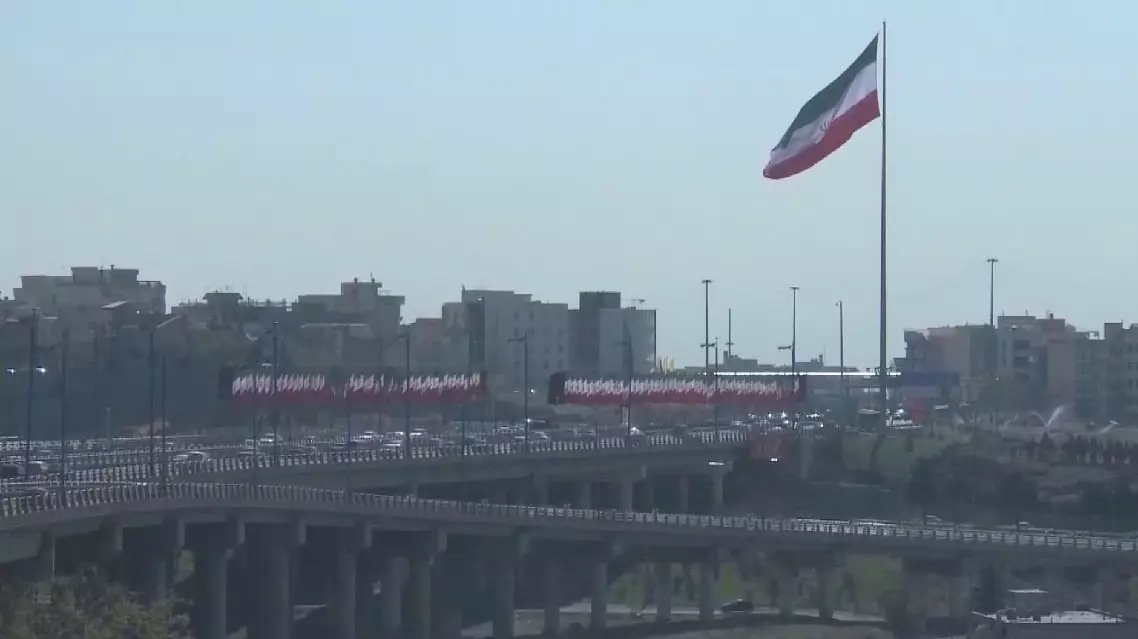
Iran swears to counterattack if attacked