Chinese analysts have denounced the "gray zone" strategy by the United States and the Philippines in the South China Sea.
According to Hu Bo, director of the South China Sea Strategic Situation Probing Initiative, the term "gray zone" refers to the coordinated use of military, diplomatic, legal, and narrative tools to compete without triggering open conflict. While the concept itself is not new, he noted that it has been increasingly weaponized by the West in recent years to target China.
Civilian vessels have become a key part of the strategy. They've been used to resupply the Philippine warship illegally grounded at Ren'ai Jiao, and more recently, to intensify fishing near China's Huangyan Dao, which analysts warn could spark unintended clashes.
"What are your fishermen really doing there? They're not there to fish; they're there to create conflicts. But what should China Coast Guard vessels do when they encounter these fishermen engaging in military-like activities? That's why this could significantly raise the risk of unintended maritime incidents," said Chen Xiangmiao, director of the World Navy Research Center under the National Institute for South China Sea Studies.
"The current challenge the Philippines poses to China is primarily centered on 'gray zone' activities. The Philippines cannot challenge China through sheer force. So they rely more on the so-called 'transparency initiative', claiming to expose China's activities," Hu said.
Analysts argue that this initiative, launched under President Ferdinand Marcos Jr., combines staged confrontations with media amplification and misinformation to support Manila's claims.
Meanwhile, U.S. support, ranging from reconnaissance flights to maritime training and planning, adds another layer to what Chinese experts call a coordinated "gray zone" strategy.
"U.S. and Western defense experts turn a blind eye to the grave 'gray zone' confrontations that China faces, but constantly use the concept to accuse China. This is a highly unbalanced and hypocritical narrative," Chen said.
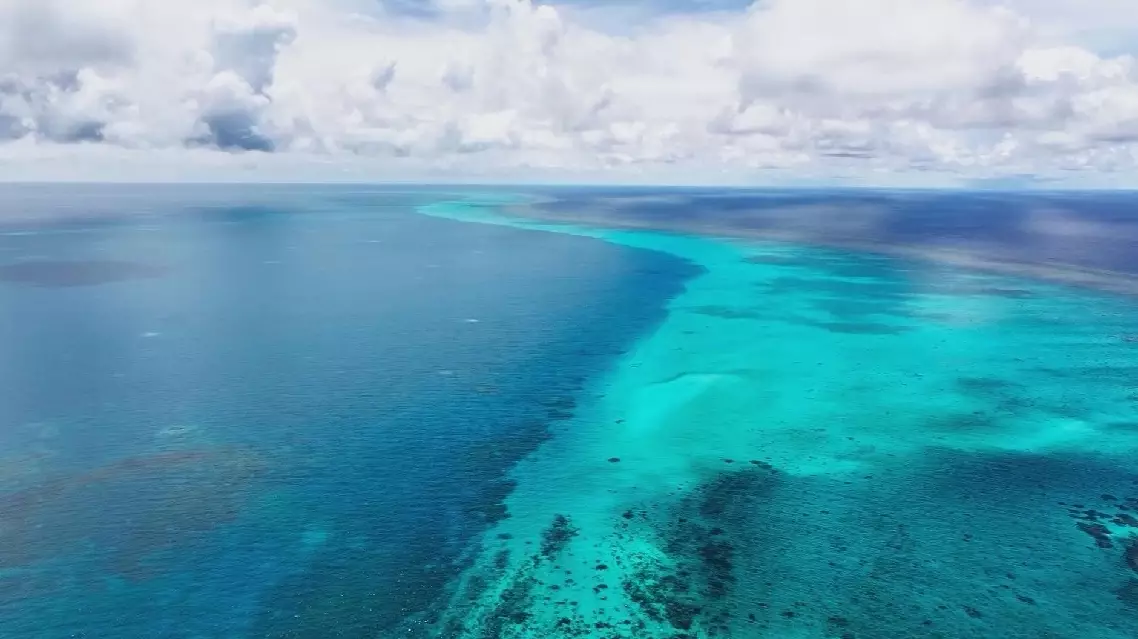
Chinese analysts denounce US-Philippines "gray zone" strategy in South China Sea