As Serbia endures one of its harshest heatwaves on record, farmers are battling with drought, dying crops, and dwindling water sources in what many fear could be one of the worst years ever for the country's agriculture sector.
Serbia is currently sweltering under a relentless heatwave, with temperatures soaring into the 40 degrees Celsius and almost no rain for more than a month. Across the country, farmers are watching their crops fail and livestock suffer, as the agricultural sector faces devastating losses due to the prolonged drought.
In the rolling hills around Arandelovac in central Serbia, the impact of the dry conditions is painfully clear. At one local vineyard, farmers have resorted to hauling water manually from wells in a desperate effort to save young vines planted just months ago. But even underground reserves are dwindling.
"The last year was difficult regarding water, and it seems to me that this year the situation is even worse. Here in our region, for almost 40 days we have had almost no rain. The few drops that fell were like a light dew, not even a liter per square meter," said Dejan Radovic, a farmer from Arandelovac.
Wheat fields are also taking a hit. Farmers report harvests have been halved compared to normal years. Yields that typically reach up to eight tonnes per hectare are now just around four.
Farmers said that just a few decades ago they considered it a hot summer day when the temperature was just above 30 degrees Celsius, but these days, at the same time of year, the temperatures hover around the 40s.
From the air, fields in northeastern Serbia may appear lush, but closer inspection reveals severe damage. Corn plants are stunted, standing only about a meter tall when they should be twice that height.
In Lokve, farmer Dorel Stancu is struggling to protect what's left of his crop and livestock. Inside the cowshed, massive fans run constantly to keep the animals cool. But out in the fields, the signs of drought are unmistakable.
"I can say that it is very bad. No rain for almost a month and a half, the corn was almost completely burnt by the heat. It is definitely one of the worst years in my lifetime for agriculture," said Stancu.
While some crops like barley and sunflower have held up slightly better, many farmers warn that repeated heatwaves are pushing Serbia's agriculture to the brink of bankruptcy.
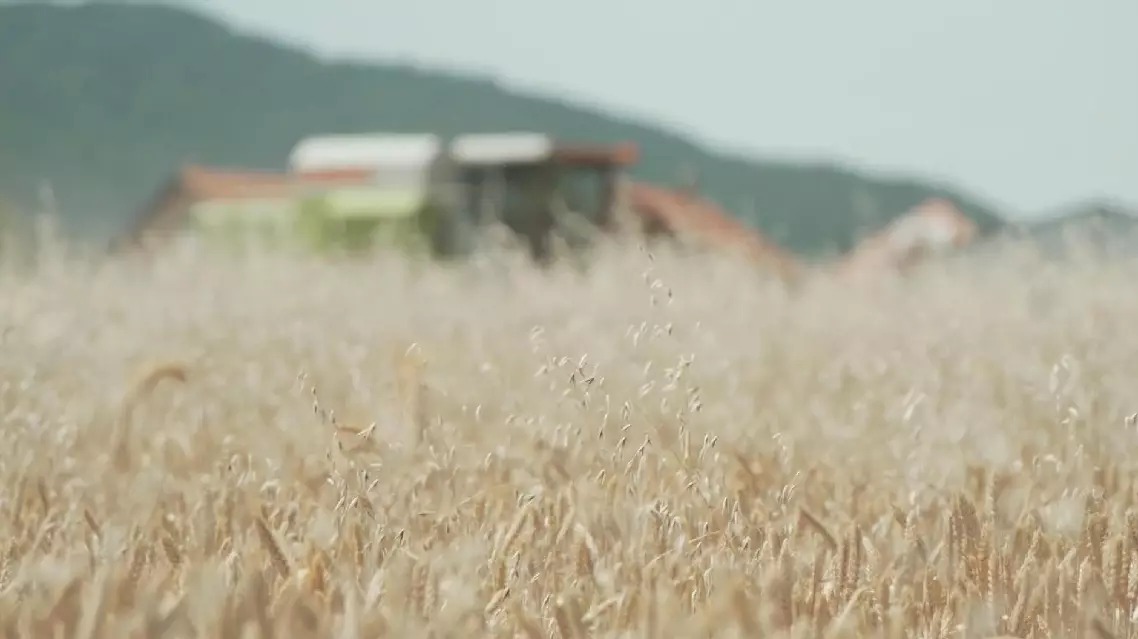
Serbian farmers struggle amid drought brought by relentless heatwave
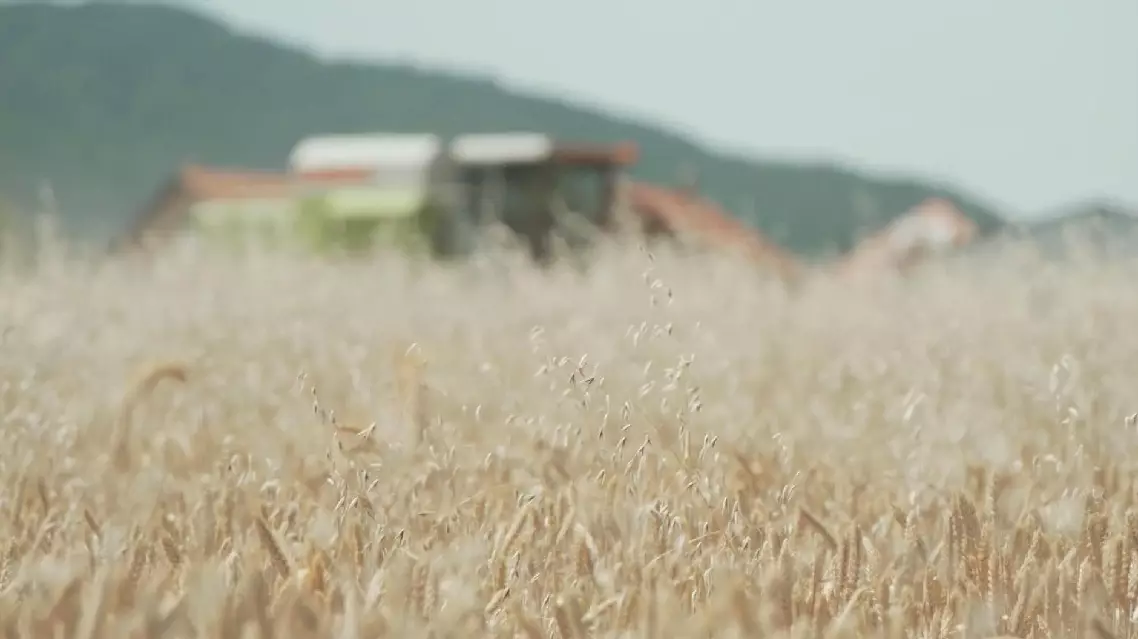
Serbian farmers struggle amid drought brought by relentless heatwave
A former television host from Taiwan, Zhai Xuan, has made a pivotal decision to leave mainstream broadcasting in order to create content that provides a better understanding of the Chinese mainland and cross-strait relations.
Zhai, a seasoned television host with over a decade of experience in Taiwan's media landscape, recently addressed an audience at an event in Beijing, where she revealed her complete transition into independent online media.
In her remarks, she articulated her aspiration to bridge what she perceives as a significant information gap between audiences on both sides of the Strait, highlighting her commitment to fostering a deeper understanding and connection through her new endeavors.
"I was really surprised by all the fake news. There were stories saying people on the mainland can't afford tea eggs or that they live in mud houses and in Taiwan, this was the main information many people received," said Zhai.
Zhai said she initially began producing online videos to challenge such perceptions while continuing her work as a television host.
In April 2025, she travelled to the mainland with her father to fulfill her late grandfather's wish to return to his hometown. The trip, which reunited family members separated since 1949, was recorded in a video series titled "Journey to Find Our Roots", drawing attention from viewers in both Taiwan and the mainland.
"Many people in Taiwan told me that after watching, they wanted to apply for a mainland travel permit immediately and go looking for their relatives. Some had long forgotten these things, but after seeing my story, they began thinking about their hometowns and family members they had never met and decided to search for their roots," Zhai shared her story at the event.
By mid-2025, Zhai said she began to feel increasing pressure amid rising political tensions and a tightening atmosphere around cross-Strait exchanges in Taiwan.
After more than 12 years in the industry, Zhai resigned from her position, believing it was the right thing to do.
"At that moment, I felt this was a major issue,not just for me, but for Chinese people on both sides of the Strait. If I backed down then, I wouldn’t be standing on the right side," said Zhai.
Since leaving television, Zhai has broadened her online programming to encompass a range of daily-life topics, including practical guidance on applying for a mainland travel permit and using commonly employed mobile applications, in addition to content that delves into historical memory and cultural connections across the Strait.
As the debate over cross-Strait relations continues in Taiwan, Zhai said she remains committed to her current path.

Former Taiwan TV host bridges cross-Strait divide via online media