U.S. President Donald Trump's announcement on Saturday of sweeping 30 percent tariffs on European Union (EU) exports has provoked a fierce backlash across the bloc, with national leaders and officials demanding an immediate response and warning that the escalation of tariffs will lead to a lose-lose situation.
Following the announcement, European Commission President Ursula von der Leyen said on Sunday that the EU will delay the implementation of its trade countermeasures against the United States until early August to allow more time for negotiations.
This decision has sparked doubts within the EU.
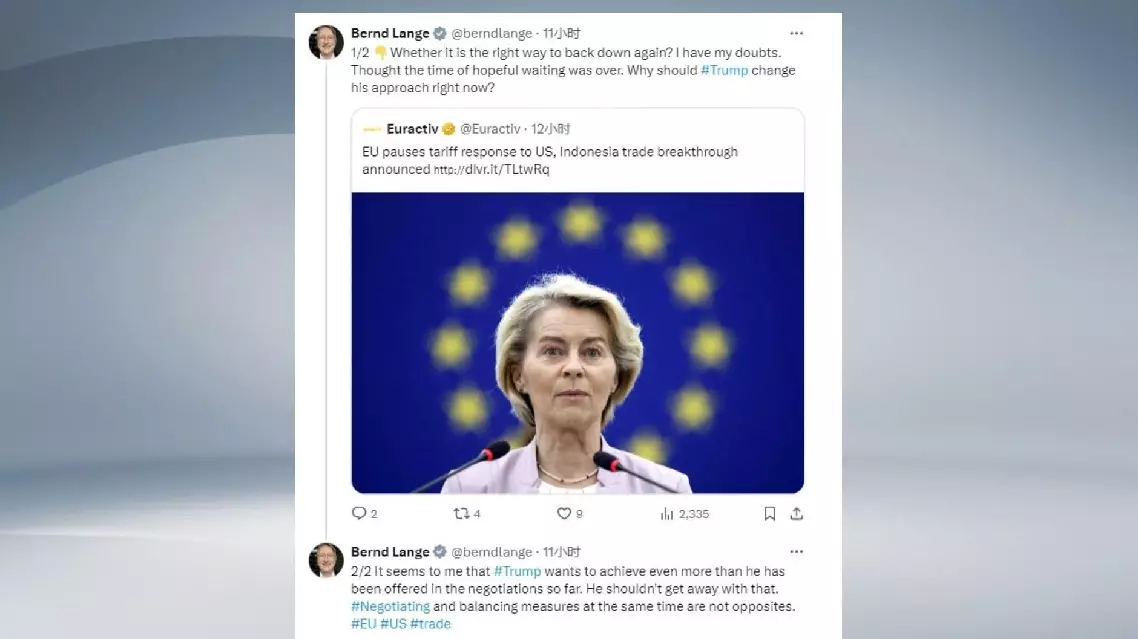
In a social media post on Sunday, Bernd Lange, chair of the European Parliament's Committee on International Trade, described the U.S. announcement as "both impertinent and a slap in the face" after weeks of negotiations.
He added that Trump wants to achieve even more than he has been offered in the negotiations so far.
He urged the EU to begin retaliatory measures on Monday as scheduled, stating that "the period of waiting is over."
On the same day, German Chancellor Friedrich Merz said the 30 percent tariffs would "hit the German export industry to the core". Merz also expressed commitment to finding a solution before August 1.
In a statement on Sunday, Italian Prime Minister Giorgia Meloni warned that a trade war within the West would make them all weaker in the face of the global challenges they are addressing together.
Meanwhile, Belgian Deputy Prime Minister and Minister of Foreign Affairs Maxime Prevot posted on social media that the tariff escalation would lead to a lose-lose outcome, emphasizing that the U.S. trade aggression against its European allies is unjustified.
Trump's tariffs threat on EU exports triggers fierce backlash
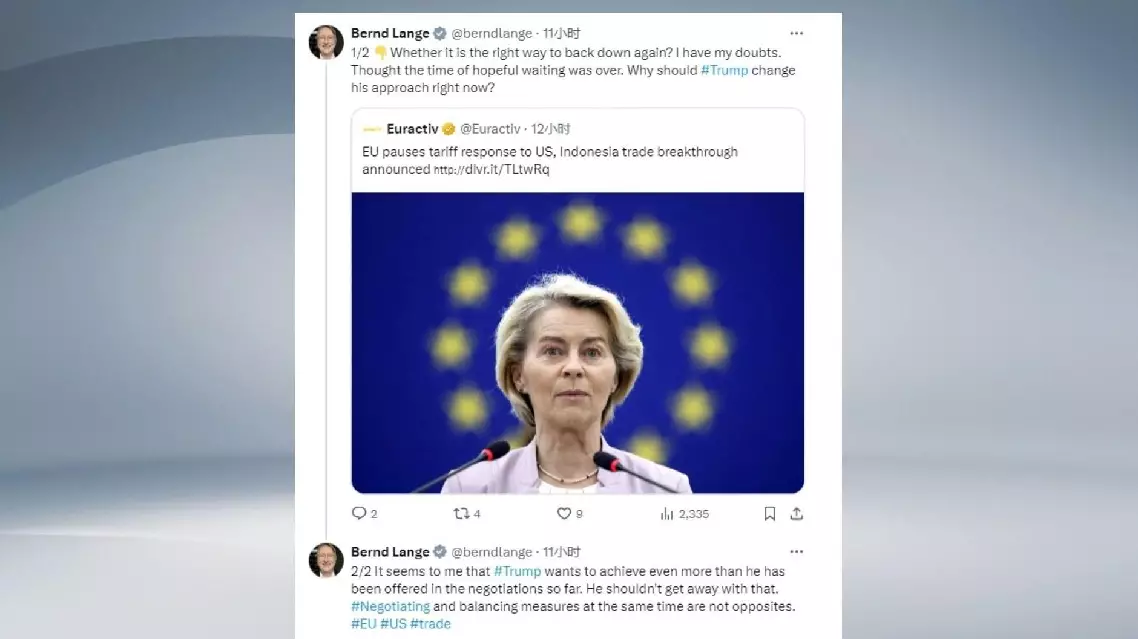
Trump's tariffs threat on EU exports triggers fierce backlash
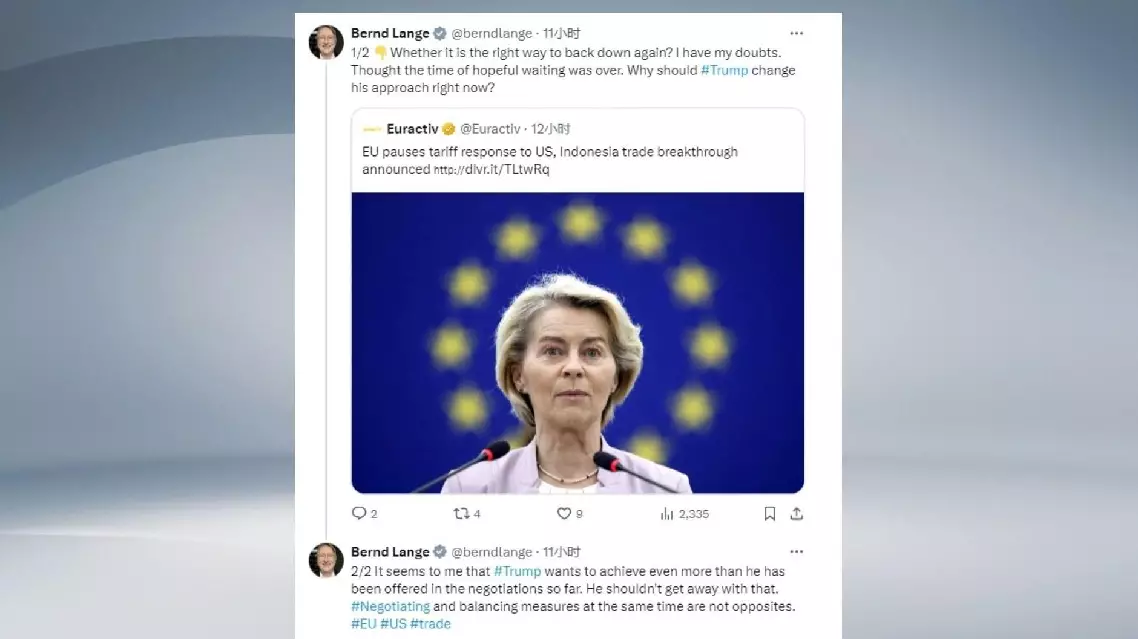
Trump's tariffs threat on EU exports triggers fierce backlash
Nicaragua's co-foreign minister Valdrack Jaentschke has warned that militarism must never be allowed to rise again, as Japan's recent moves to lift its arms export ban and revise the pacifist Constitution continue to draw international concern.
This year marks the 80th anniversary of the opening of the Tokyo Trials, where Japan's Class-A war criminals from World War II were brought to justice.
In an interview with China Global Television Network (CGTN), Valdrack Jaentschke voiced his concern that today's world order is being undermined by interventionism and other challenges.
"It is necessary for us to remember that after the end of World War II, countries worked hard to build a new international order based on international law. However, regrettably, more than 80 years later, we are seeing that this once explored and attempted order is being challenged by interventionism, a confrontational mindset, and tendencies like 'might makes right.' These are precisely the conditions that gave rise to fascism and militarism in the past, which ultimately led to the tragedy of World War II," he said.
He said the international community has a responsibility to pursue a new international order -- one fundamentally grounded in peace.
"Looking back at the history more than eight decades ago and comparing it with today's reality, it is our responsibility to recognize that the world should, and must, build a new international order that is more just, fairer, rooted in international law, based on a logic of mutual benefit and shared success, and fundamentally grounded in peace," said the minister.
"Today, as we revisit the Tokyo Trials, it is meant to remind the world that such a tragedy must never be repeated -- and that we must do everything in our power to prevent it from happening again. We must stop that dark world -- born from militarism, interventionism, and fascism -- from ever returning," he said.
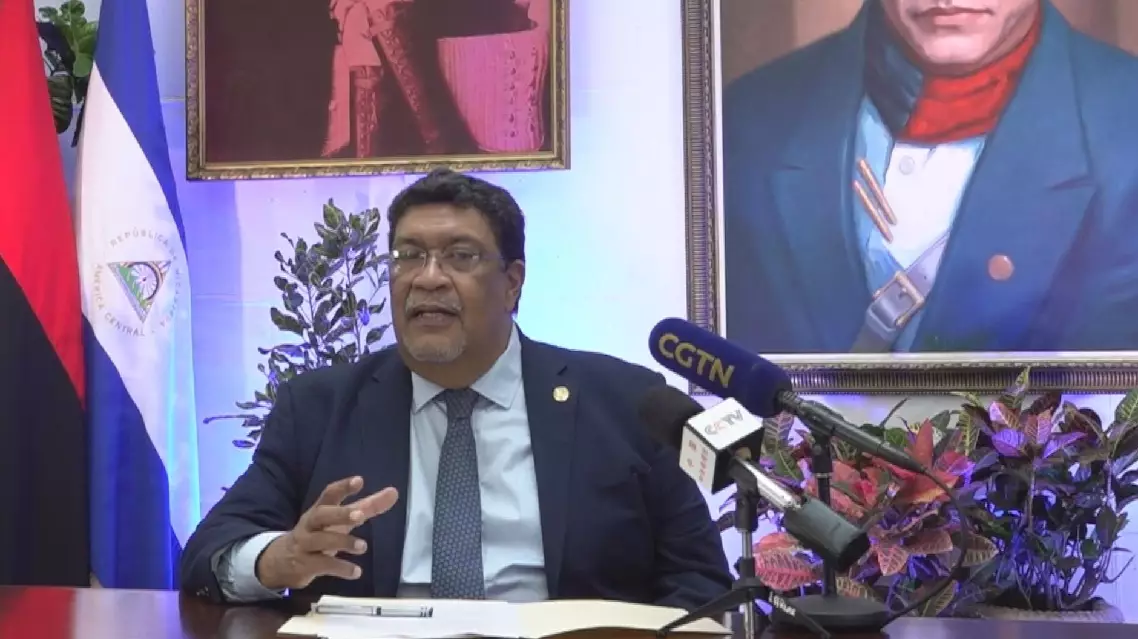
Nicaraguan FM warns of militarism revival