CHICAGO (AP) — Illinois has one of the nation’s worst problems with child sex abuse at juvenile detention centers, attorneys representing more than 900 survivors who have filed lawsuits said Wednesday.
Dozens of complaints, including several filed this week in Chicago, allege decades of systemic abuse of children by the employees of detention facilities. Similar lawsuits have popped up in states including Pennsylvania, New Jersey, Maryland, but Illinois stands out for the volume of cases that began piling up last year and the lackluster response from state leaders, according to attorneys.
Click to Gallery
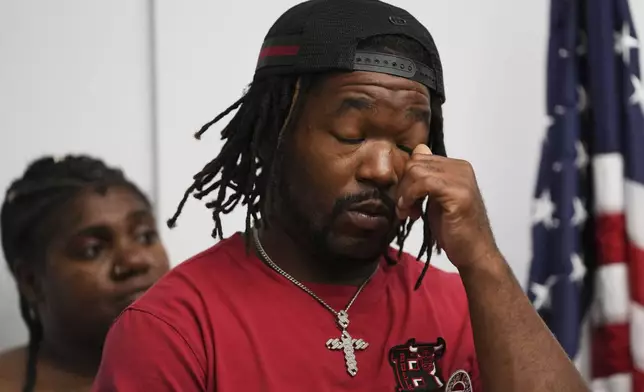
One of sexual assault survivor Michael Moss wipes his eyes as he listens to Jerome Block, partner, Levy & Konigsberg LLP, during a news conference in Chicago, Wednesday, July 16, 2025. (AP Photo/Nam Y. Huh)
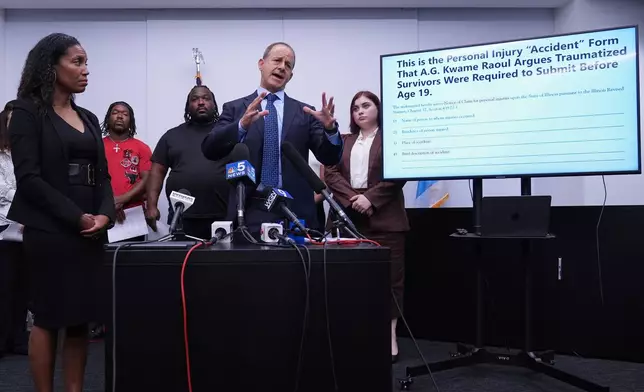
Jerome Block, partner, Levy & Konigsberg LLP, right, talks to media as attorney Kristen Feden, 1st left, listens to him during a news conference in Chicago, Wednesday, July 16, 2025. (AP Photo/Nam Y. Huh)
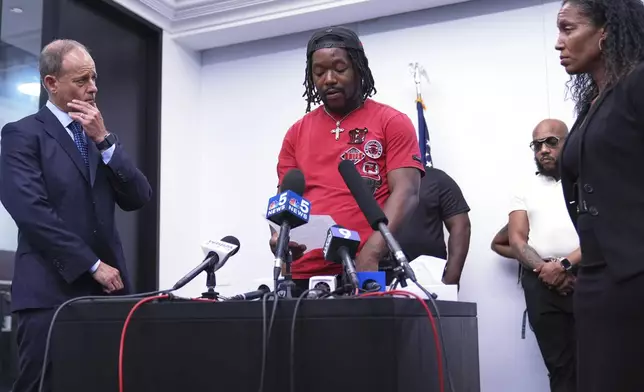
One sexual assault survivor Michael Moss, center, talks to media as Jerome Block, partner, Levy & Konigsberg LLP, left, and attorney Kristen Feden listen to him during a news conference in Chicago, Wednesday, July 16, 2025. (AP Photo/Nam Y. Huh)
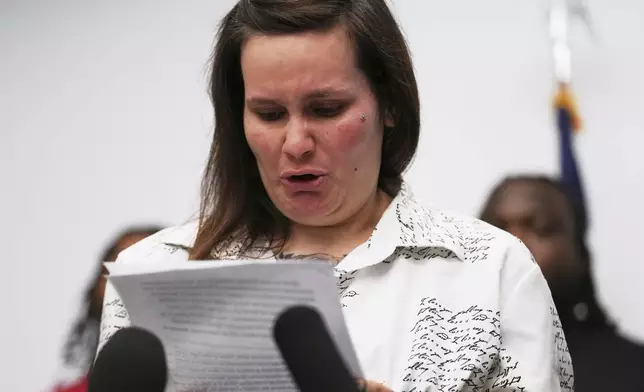
One of sexual assault survivor Kate-Lynn (first name only), cries as she talks to media during a news conference in Chicago, Wednesday, July 16, 2025. (AP Photo/Nam Y. Huh)
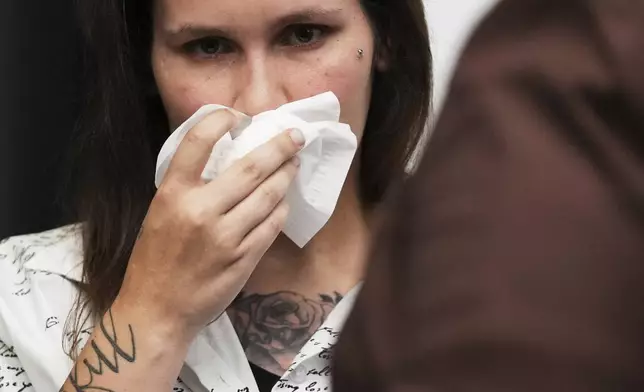
One of sexual assault survivor Kate-Lynn (first name only), wipes his face after talking to media during a news conference in Chicago, Wednesday, July 16, 2025. (AP Photo/Nam Y. Huh)
“The scale and the magnitude and the severity of these cases are some of the worst we’ve seen all over the United States,” Jerome Block, an attorney who has filed lawsuits nationwide, said at a news conference.
The latest Illinois complaints, filed Tuesday, represent 107 people who experienced abuse as children at 10 centers statewide. Some have since closed. The lawsuits allege abuse from the mid-1990s to 2018, including rape, forced masturbation and beatings by chaplains, counselors, officers and kitchen supervisors.
The Associated Press does not typically name people who say they were sexually assaulted unless they consent to being identified or decide to tell their stories publicly, as some who have filed lawsuits have done. Most plaintiffs are identified by initials in the lawsuits.
Survivor Kate-Lynn, who appeared at a Chicago news conference, said she only felt comfortable speaking publicly using her first name. The Illinois woman, now 26, said she was held in solitary confinement at a suburban Chicago facility for a year when she was 14. She said she was sexually and physically abused by at least five staff members who came into her cell and stripped her naked.
As she spoke, a fellow survivor who also planned to speak became overcome with emotion and left the room. He didn't return.
Kate-Lynn said she has been diagnosed with post-traumatic stress disorder and anxiety.
“Going to public places is very hard for me,” she said, wiping tears at times. “I feel like I 'm going to be attacked when dealing with authority figures."
The lawsuits, first filed in May 2024, and they are slowly making their way through the courts.
Two lawsuits against the state — representing 83 people — were filed in the Illinois Court of Claims and seek damages of roughly $2 million per plaintiff, the most allowed under law. Separate lawsuits representing 24 people held as children at a Chicago center, were filed in Cook County and seek more than $100,000 per plaintiff.
Illinois Attorney General Kwame Raoul, who represents the state, has tried to dismiss the cases in court.
Raoul, whose office has investigated church sex abuse cases, declined to comment Wednesday as did officials with the Department of Juvenile Justice and Cook County. The lawsuits also name the state of Illinois and the Department of Corrections. Officials for the governor's office and Corrections did not return messages Wednesday.
While the number of lawsuits grows, few cases have gone to trial or resulted in settlements. Arrests are infrequent.
Many alleged offenders are not named in the lawsuits, represented by initials or physical descriptions as the plaintiffs remembered them. There are several alleged repeat offenders, including a corrections officer who currently serves as a small-town Illinois mayor and was accused separately by 15 people. He has denied the allegations.
Attorneys have called for legislative hearings, outside monitors, victim input and criminal charges by local authorities. Block has also harshly criticized Illinois leaders, including Raoul, saying there is a double standard for the abuse victims juvenile detention centers versus church abuse victims.
“When it's the state who perpetrated the abuse, when it's state employees who perpetrated the abuse rather than Catholic priests, the attorney general doesn't want to support the survivors,” he said.
Horrific accounts are detailed in the hundreds of pages of complaints. Many plaintiffs said their abusers threatened them with violence, solitary confinement and longer sentences if they reported the abuse. Others were given fast food, candy, cigarettes or the chance to play videos games if they kept quiet.
Another survivor, a 40-year-old Texas man identified in the lawsuit by the initials J.B. 2, said he was abused when he was 14 years old and staying a facility in St. Charles, which is outside Chicago. He issued a statement through attorneys.
“I want to let my fellow survivors know that we are not alone in this,” he wrote. “Speaking your truth, no matter how gruesome it is, it can help to set you free from yourself and all the hurt that's been bottled up.”
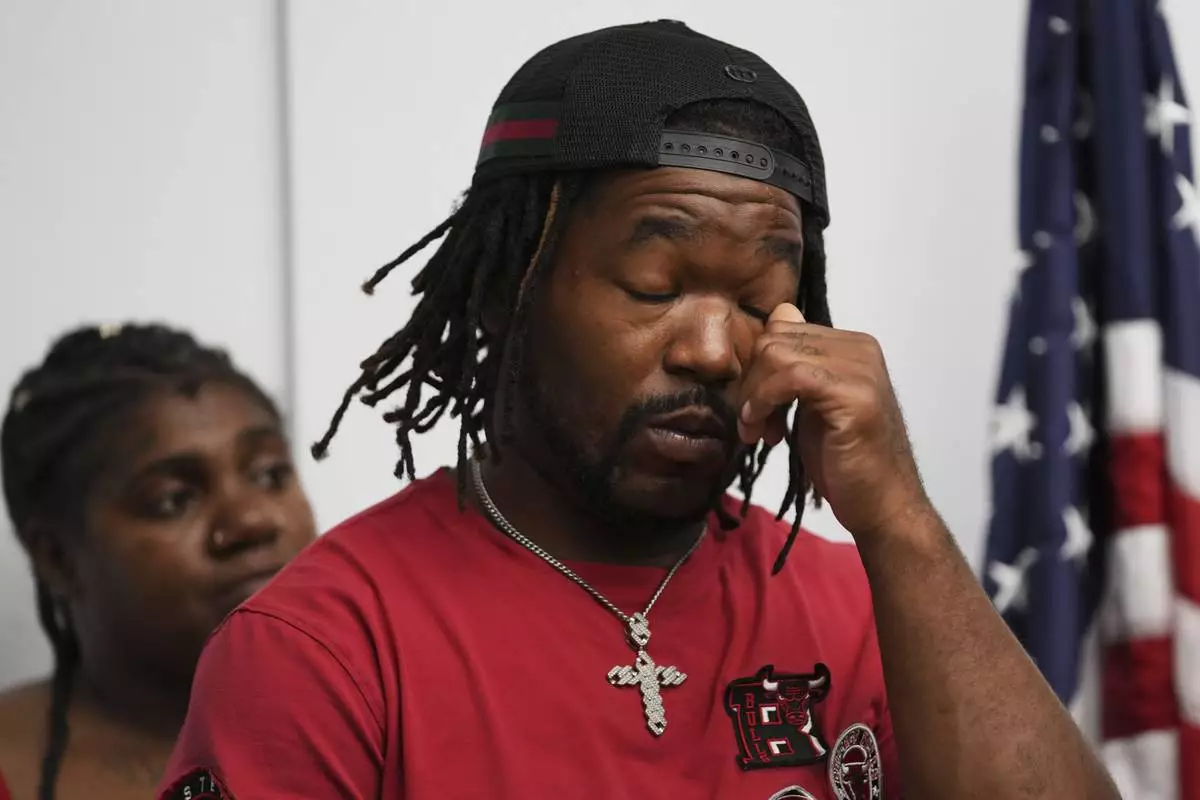
One of sexual assault survivor Michael Moss wipes his eyes as he listens to Jerome Block, partner, Levy & Konigsberg LLP, during a news conference in Chicago, Wednesday, July 16, 2025. (AP Photo/Nam Y. Huh)
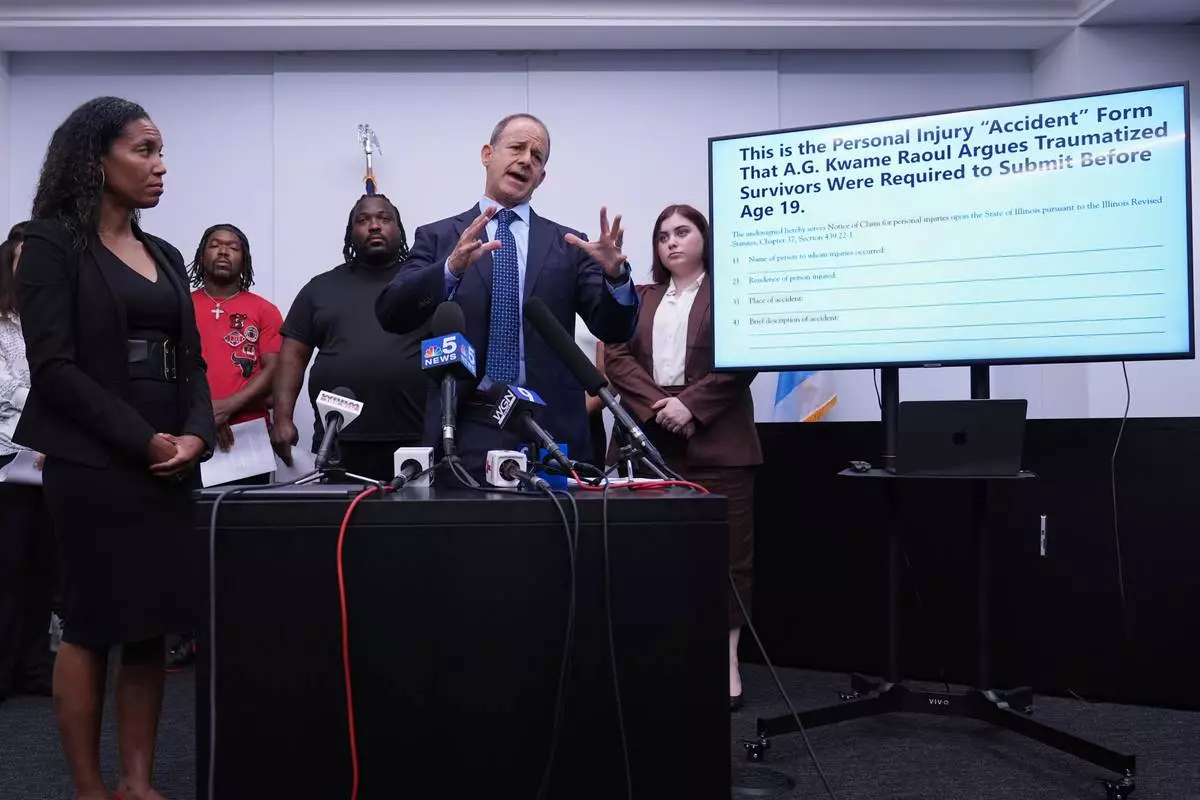
Jerome Block, partner, Levy & Konigsberg LLP, right, talks to media as attorney Kristen Feden, 1st left, listens to him during a news conference in Chicago, Wednesday, July 16, 2025. (AP Photo/Nam Y. Huh)
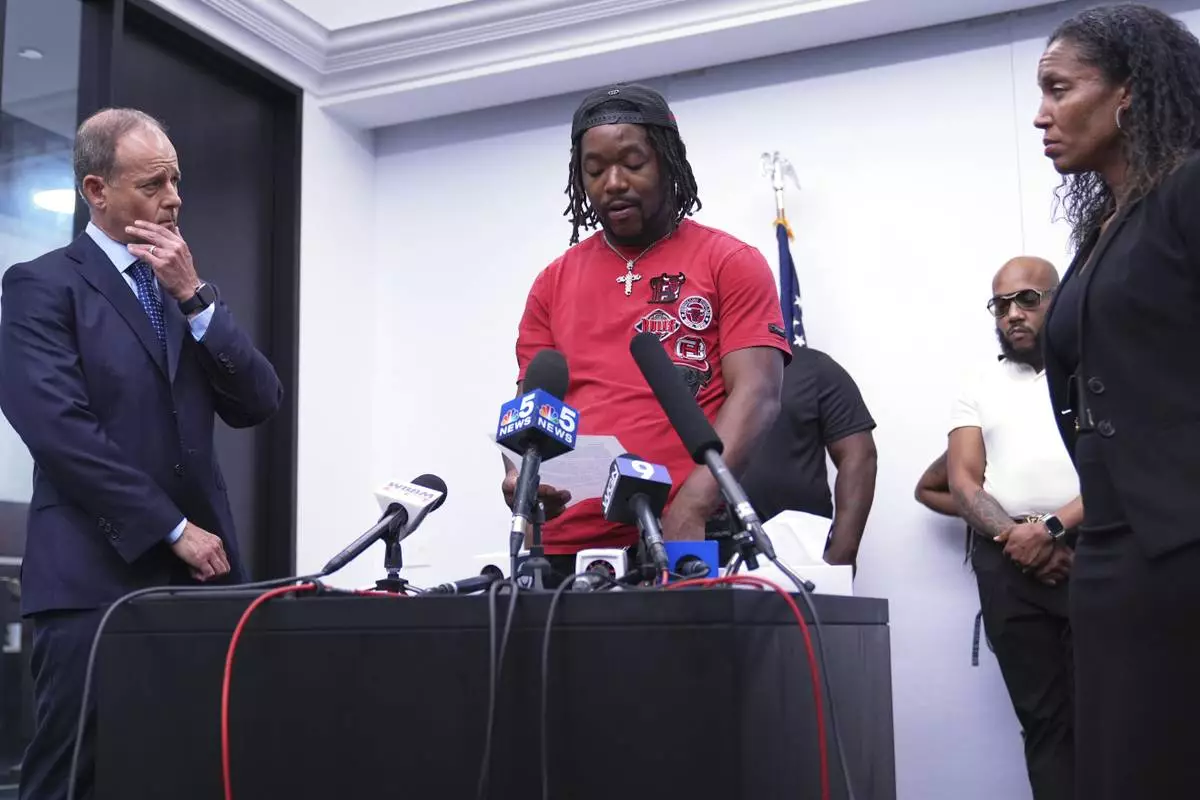
One sexual assault survivor Michael Moss, center, talks to media as Jerome Block, partner, Levy & Konigsberg LLP, left, and attorney Kristen Feden listen to him during a news conference in Chicago, Wednesday, July 16, 2025. (AP Photo/Nam Y. Huh)
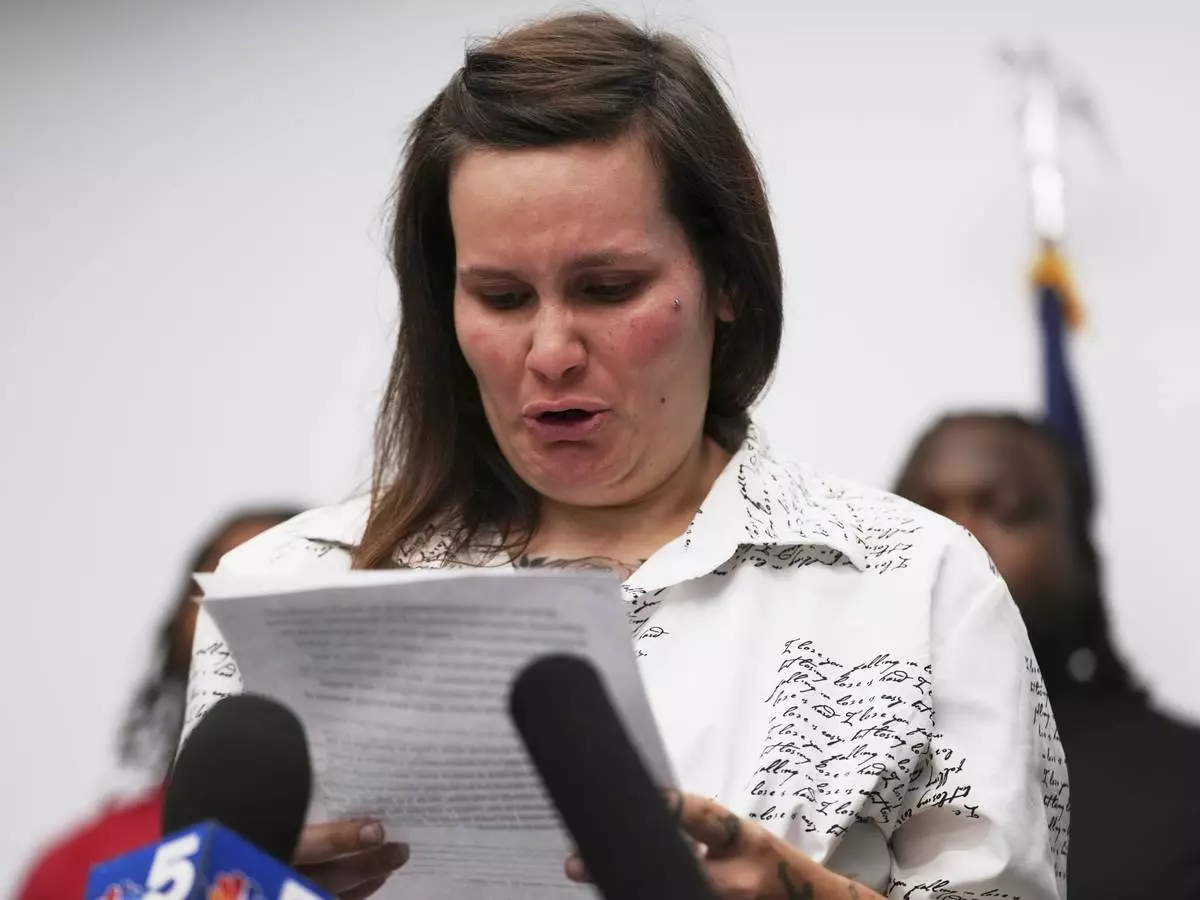
One of sexual assault survivor Kate-Lynn (first name only), cries as she talks to media during a news conference in Chicago, Wednesday, July 16, 2025. (AP Photo/Nam Y. Huh)
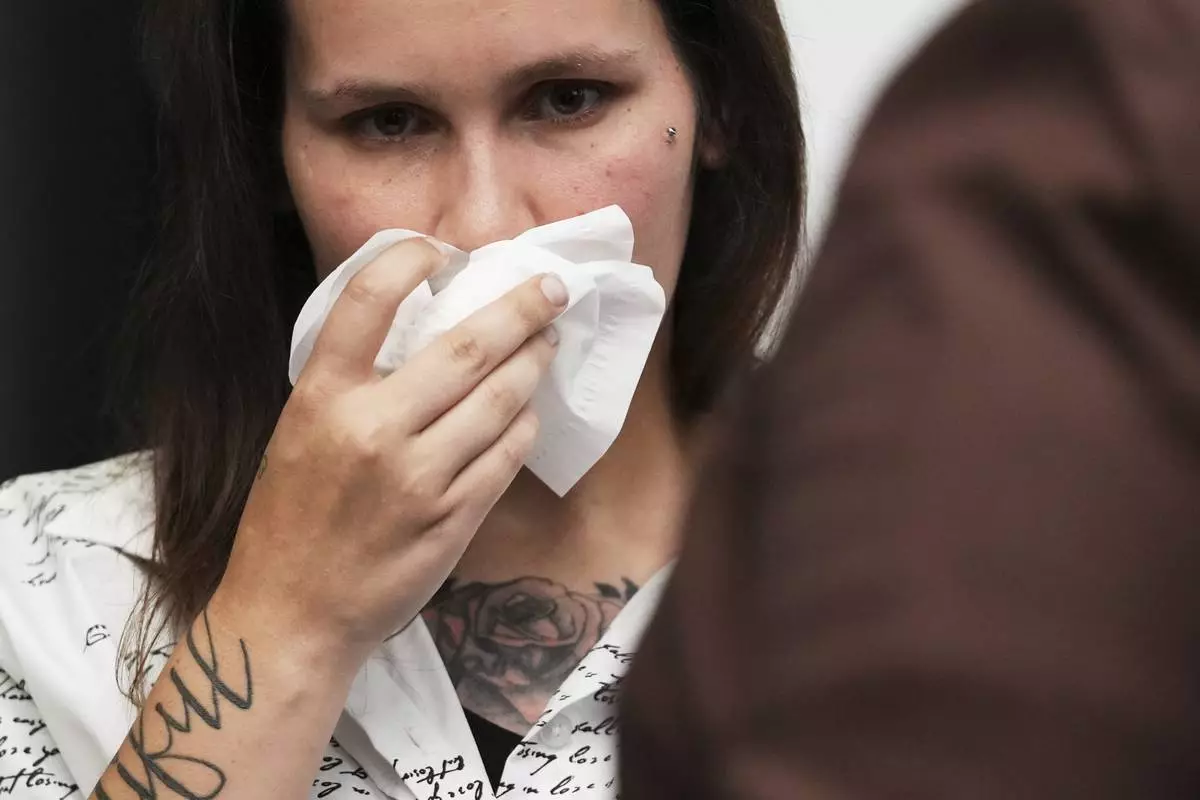
One of sexual assault survivor Kate-Lynn (first name only), wipes his face after talking to media during a news conference in Chicago, Wednesday, July 16, 2025. (AP Photo/Nam Y. Huh)