The European Commission on Wednesday proposed a two-trillion-euro (2.33 trillion U.S. dollars) budget for 2028-2034 for the European Union (EU).
The budget proposal would raise EU spending to an average of 1.26 percent of the bloc's gross national income, up from around 1.1 percent during the current 2021-2027 cycle.
European Commission President Ursula von der Leyen described the budget as "larger, smarter and sharper," saying it reflects Europe's ambition, addresses its challenges and strengthens its independence.
The plan includes a new 451-billion-euro European Competitiveness Fund intended to reinforce the EU's defence sector, accelerate industrial innovation and support the transition to clean energy across member states.
Within the fund, 131 billion euros would be allocated to defense and space, five times more than in the current multiannual financial framework, according to the Commission.
Defense development, economic competitiveness, and agricultural subsidy reform are three priorities of the budget proposal, said EU Budget Commissioner Piotr Serafin at a press conference on Wednesday.
While most funding will still come from EU member states, the Commission is proposing new revenue streams, including a tax on companies with annual net turnover above 100 million euros in any EU country.
Approval of the budget requires unanimous agreement from all 27 EU member states and the endorsement of the European Parliament.
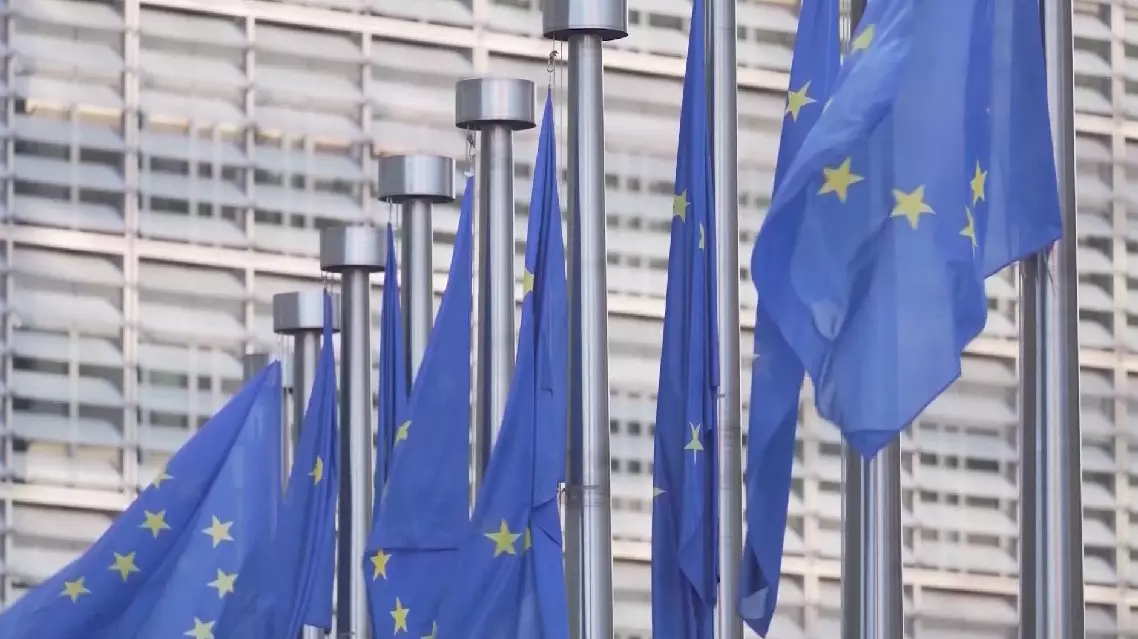
European Commission proposes 2-trln-euro long-term budget
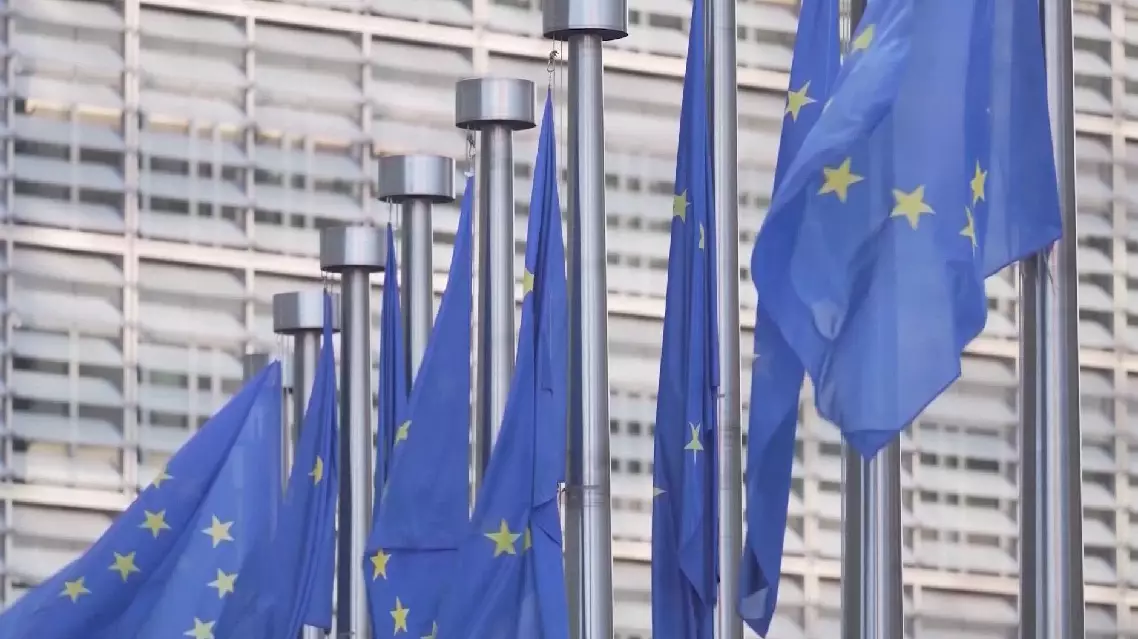
European Commission proposes 2-trln-euro long-term budget
European Commission proposes 2-trln-euro long-term budget
Iranian Parliament Speaker Mohammad Baqer Qalibaf warned on Sunday that Tehran would view the United States and Israel's military bases and facilities in the Middle East as "legitimate targets" should Washington take military action against Iran.
At a parliamentary session convened to review an emergency proposal on assembly regulations, Qalibaf emphasized that, at this highly sensitive juncture, Iran must accurately and thoroughly identify the schemes of its adversaries.
Qalibaf said that Iran is currently confronting Israel and the United States simultaneously on four fronts: economic, cognitive, military, and counterterrorism. Of them, the economic warfare and the cognitive and psychological warfare began many years ago and have persisted to this day, growing increasingly complex and intense in recent years.
The remarks came as U.S. President Donald Trump is reportedly "seriously considering authorizing a strike" against Iran, taking advantage of its nationwide unrest.
Protests have erupted in several Iranian cities since late December over the sharp fall of the rial and long-standing economic hardship. Iranian authorities have acknowledged the demonstrations and voiced willingness to address economic grievances, while warning against violence and vandalism.
Amid the ongoing protests, deadly clashes have been reported lately between police and what the government described as "rioters." However, no official death toll has been released.
Also on Sunday, Iran's semi-official Tasnim news agency reported that Iranian President Masoud Pezeshkian will address the country's economic situation and political environment in a televised interview later that day.

Iran swears to counterattack if attacked