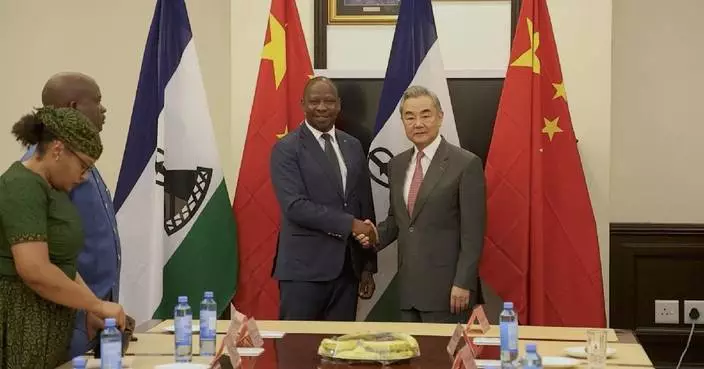
China's mutual visa-exemption agreement with Malaysia officially took effect on Thursday, further expanding the country's visa-free travel policy.
Under the policy, Chinese and Malaysian citizens holding valid ordinary passports can enter, exit or transit through the other country for travel without a visa. Each stay should not exceed 30 days, with a cumulative limit of 90 days within any 180-day period.
The policy comes into effect three months after China and Malaysia signed a mutual visa-free agreement, marking another step forward in China's efforts to ease travel and boost international exchanges.
As of May, China had signed mutual visa-exemption agreements with 157 countries, covering different types of passports. In November 2024, it extended the visa-free entry stay period to 30 days.
An increased number of foreign visitors arrived at China's borders in the first half of 2025, fueled in part by relaxed visa rules -- particularly the expansion of the country's visa-free travel programs.
Foreign nationals made a total of 38.05 million trips to or from China in the first six months of the year, which was an increase of 30.2 percent year on year, the National Immigration Administration (NIA) said on Wednesday.
Of these trips, 13.64 million were visa-free entries, an increase of 53.9 percent from the same period last year, the NIA said.
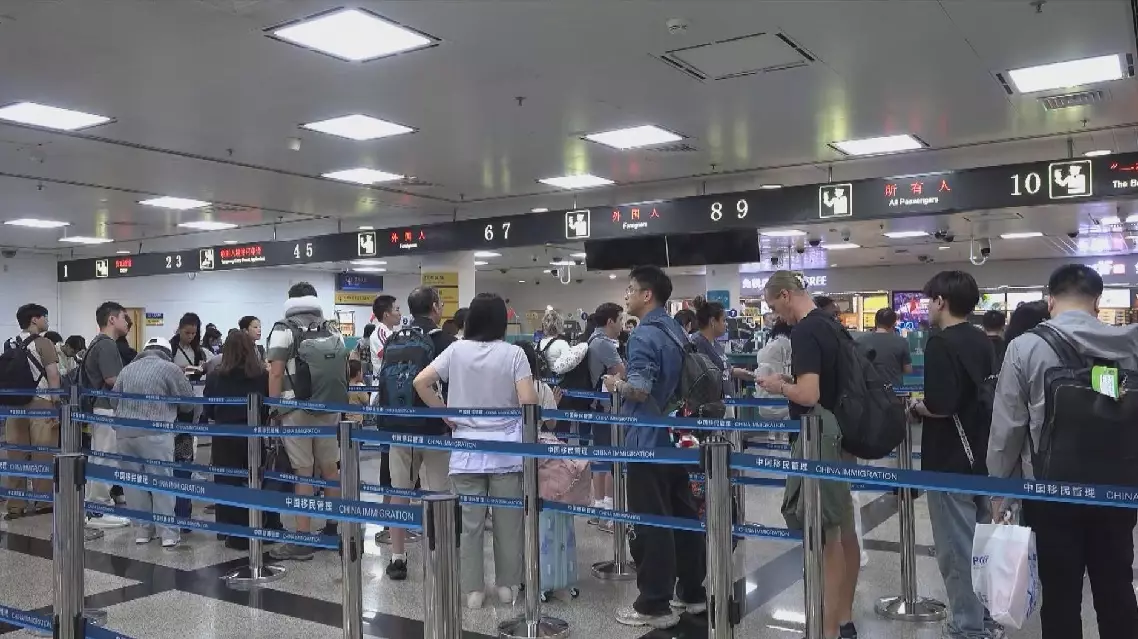
China-Malaysia mutual visa-free agreement comes into force
Iranian Parliament Speaker Mohammad Baqer Qalibaf warned on Sunday that Tehran would view the United States and Israel's military bases and facilities in the Middle East as "legitimate targets" should Washington take military action against Iran.
At a parliamentary session convened to review an emergency proposal on assembly regulations, Qalibaf emphasized that, at this highly sensitive juncture, Iran must accurately and thoroughly identify the schemes of its adversaries.
Qalibaf said that Iran is currently confronting Israel and the United States simultaneously on four fronts: economic, cognitive, military, and counterterrorism. Of them, the economic warfare and the cognitive and psychological warfare began many years ago and have persisted to this day, growing increasingly complex and intense in recent years.
The remarks came as U.S. President Donald Trump is reportedly "seriously considering authorizing a strike" against Iran, taking advantage of its nationwide unrest.
Protests have erupted in several Iranian cities since late December over the sharp fall of the rial and long-standing economic hardship. Iranian authorities have acknowledged the demonstrations and voiced willingness to address economic grievances, while warning against violence and vandalism.
Amid the ongoing protests, deadly clashes have been reported lately between police and what the government described as "rioters." However, no official death toll has been released.
Also on Sunday, Iran's semi-official Tasnim news agency reported that Iranian President Masoud Pezeshkian will address the country's economic situation and political environment in a televised interview later that day.
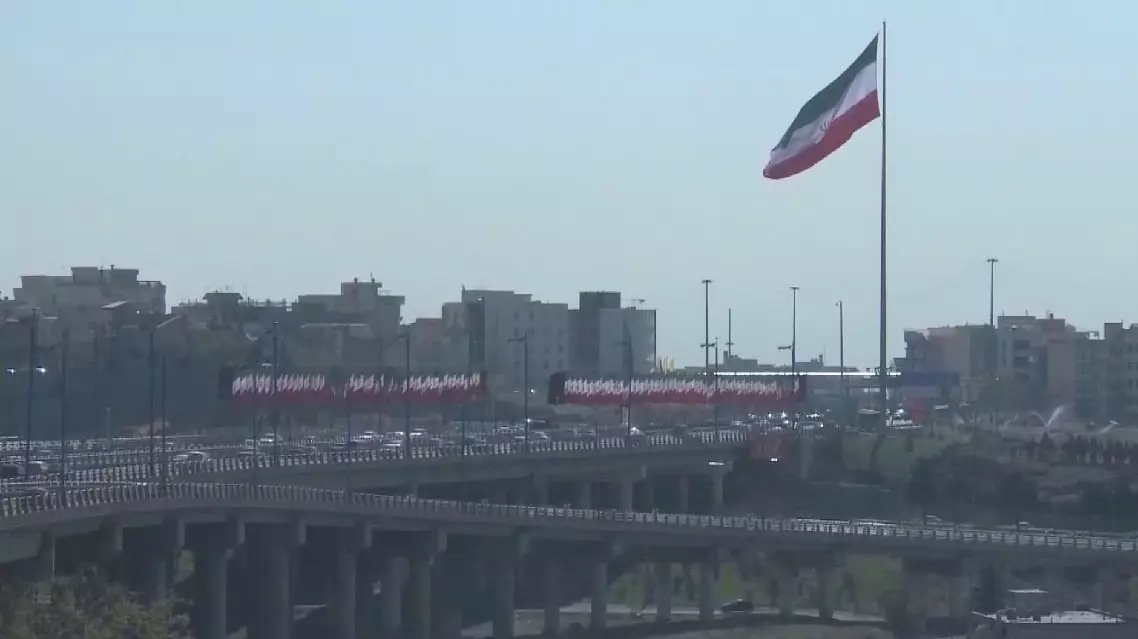
Iran swears to counterattack if attacked