The ongoing China International Supply Chain Expo (CISCE) has strengthened trade relations between Thailand, the guest country of honor, and Shandong, one of the guest provinces in eastern China, through multiple international cooperation promotion and matchmaking events.
The third CISCE opened in Beijing on Wednesday with a record number of overseas participants, signaling strong global interest and confidence in the Chinese market. The five-day event has attracted 651 companies and institutions from 75 countries and regions.
Shandong sent 78 companies to the expo, occupying an exhibition area of 2,600 square meters and featuring more than 1,000 exhibits.
The cooperation promotion and matchmaking events attracted guests from many countries and regions, including Thailand, Serbia, Mexico, the United Kingdom, the United States, and South Korea.
Participants from both sides hailed these events, highlighting the promising prospect of further cooperation.
"Thailand is an agricultural country. Most of our dried cassava is exported to Shandong. The same goes for rubber. Shandong is our biggest market," said Narongsak Putthapornmongkol, President of the Thai-Chinese Chamber of Commerce.
"We are a cross-junction of the Belt and Road Initiative, so we have the port of Qingdao -- for example -- connected to almost every individual port of the world. You can just get a strong feeling of the growth of the economy, not only the Chinese economy, but the connection," said Li Fengli, General Manager of Shandong Port Group.
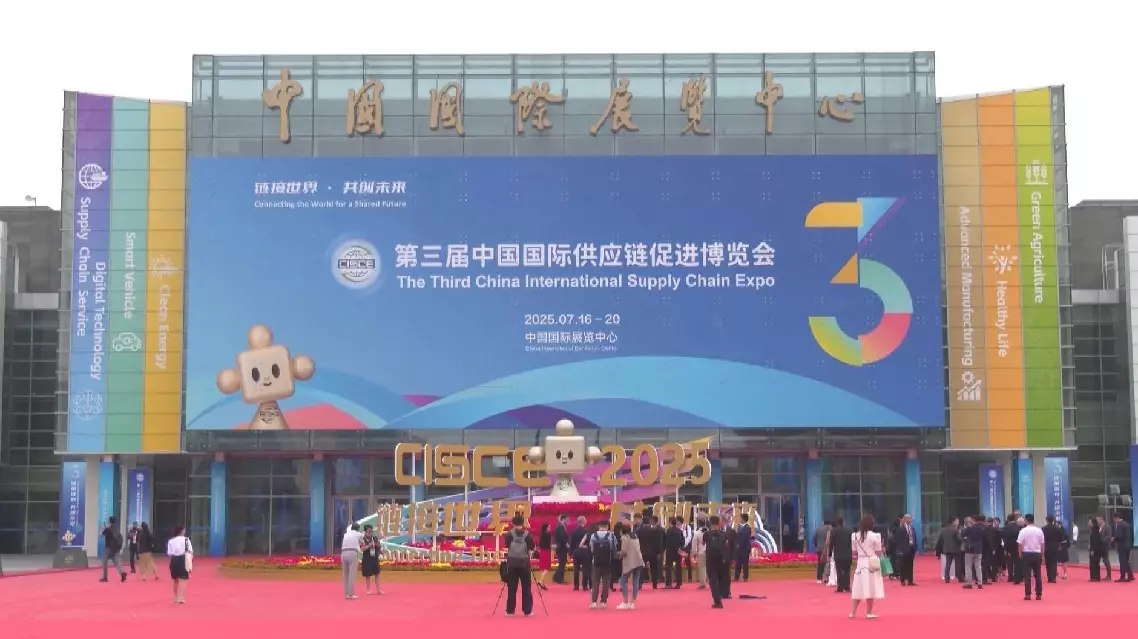
China's Shandong deepens trade ties with Thailand at supply chain expo
Iranian Parliament Speaker Mohammad Baqer Qalibaf warned on Sunday that Tehran would view the United States and Israel's military bases and facilities in the Middle East as "legitimate targets" should Washington take military action against Iran.
At a parliamentary session convened to review an emergency proposal on assembly regulations, Qalibaf emphasized that, at this highly sensitive juncture, Iran must accurately and thoroughly identify the schemes of its adversaries.
Qalibaf said that Iran is currently confronting Israel and the United States simultaneously on four fronts: economic, cognitive, military, and counterterrorism. Of them, the economic warfare and the cognitive and psychological warfare began many years ago and have persisted to this day, growing increasingly complex and intense in recent years.
The remarks came as U.S. President Donald Trump is reportedly "seriously considering authorizing a strike" against Iran, taking advantage of its nationwide unrest.
Protests have erupted in several Iranian cities since late December over the sharp fall of the rial and long-standing economic hardship. Iranian authorities have acknowledged the demonstrations and voiced willingness to address economic grievances, while warning against violence and vandalism.
Amid the ongoing protests, deadly clashes have been reported lately between police and what the government described as "rioters." However, no official death toll has been released.
Also on Sunday, Iran's semi-official Tasnim news agency reported that Iranian President Masoud Pezeshkian will address the country's economic situation and political environment in a televised interview later that day.
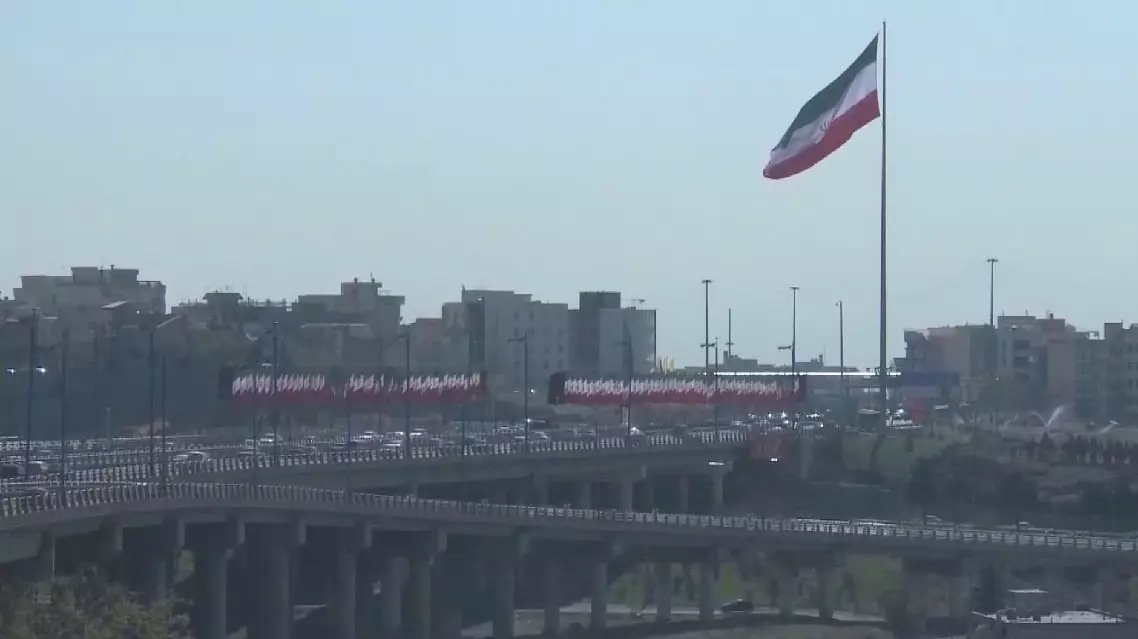
Iran swears to counterattack if attacked