The Group of Twenty (G20) finance ministers and central bank chiefs wrapped up a key meeting in South Africa on Friday with a breakthrough communique pledging stronger international policy coordination, just weeks before new U.S. tariffs go into effect on August 1.
Amid rising geopolitical tensions and looming trade barriers, finance leaders from the G20 nations concluded the third meeting of the G20 Finance Ministers and Central Bank Governors (FMCBG) in Durban by issuing a joint communique focused on multilateral cooperation, global debt relief, and climate finance.
At the two-day meeting, the attending G20 finance ministers and central bank chiefs navigated a landscape marked by high debt levels, supply chain disruptions, regional conflicts, and increasingly frequent natural disasters, all of which are threatening global economic stability. Despite significant global divisions and South Africa's presidency being tested by geopolitical headwinds, officials found rare consensus on key priorities.
Following intense deliberations, delegates agreed on the urgent need to reinforce multilateralism, preserve global trade systems, and promote sustainable development goals, particularly in regions like Africa where rising debt and economic stagnation impede growth.
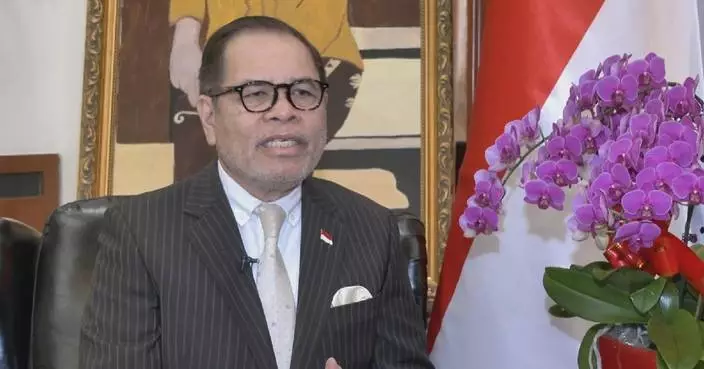
"I think for me, this G20 movement, which also produced a communique, is an important indication that the world requires all of us to come together and solve the problems," said David Masondo, South Africa's deputy finance minister.
The timing of the communique was critical, coming just weeks before a new round of U.S. tariffs is set to take effect, raising fears of a further breakdown in trade relations and economic fragmentation. G20 members pledged to work collectively to mitigate the impact of such barriers, and to defend open, rules-based trade systems essential to global supply chains and emerging economies.
As part of the broader consensus, the G20 also committed to tackling debt vulnerabilities, promoting equitable access to capital, and advancing climate financing -- all key priorities for the African continent. These commitments offer renewed hope for developing nations facing financial strain and the mounting effects of climate change.
According to the official communique, discussions also touched on the importance of inclusive economic governance and the role of global institutions in ensuring fair representation from the Global South.
Yet while the resolutions on paper were welcomed by policymakers, the disconnect between high-level economic dialogue and the lived experiences of ordinary citizens remained apparent.
"It would be great if it was happening where the people are or we have delegates that are coming directly from the people they are talking about. I still feel that it's too high. The level where they are talking is too high. But if we had representation from the informal settlements like the one that I'm in now or the people that are happening with inequality still in the community, and poverty still in the community," said Patrick Phembela, a resident of Durban.
The Durban meeting ended with strong commitments to global cooperation on debt, climate, and trade, but as focus now turns to the G20 Leaders' Summit in November, pressure is mounting for these promises to be translated into action.
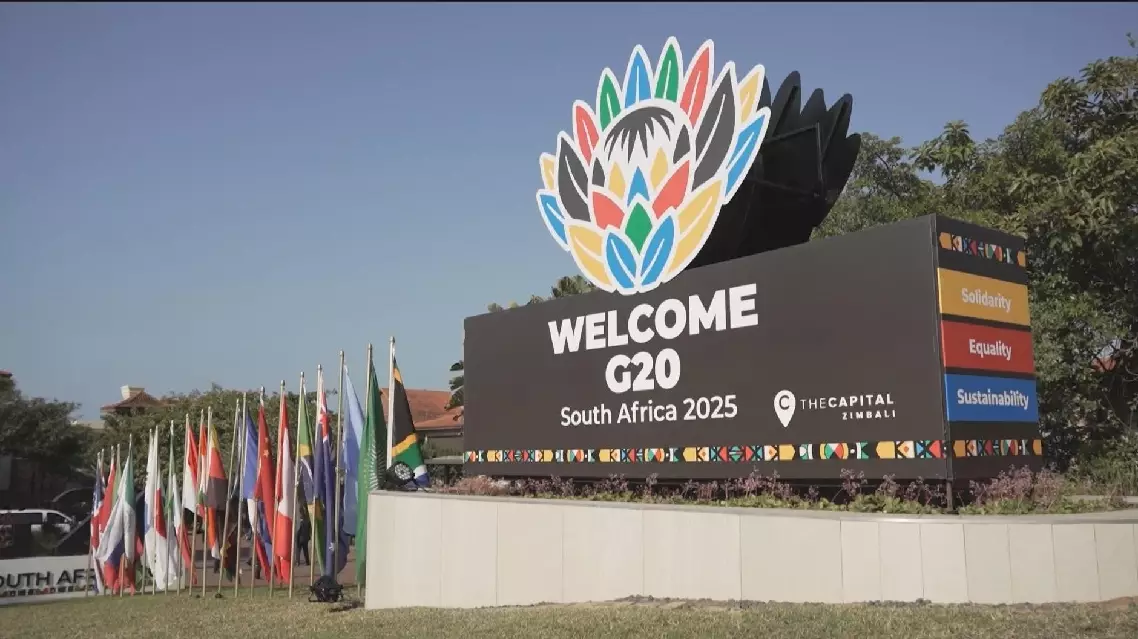
G20 finance chiefs unite ahead of rising U.S. tariffs
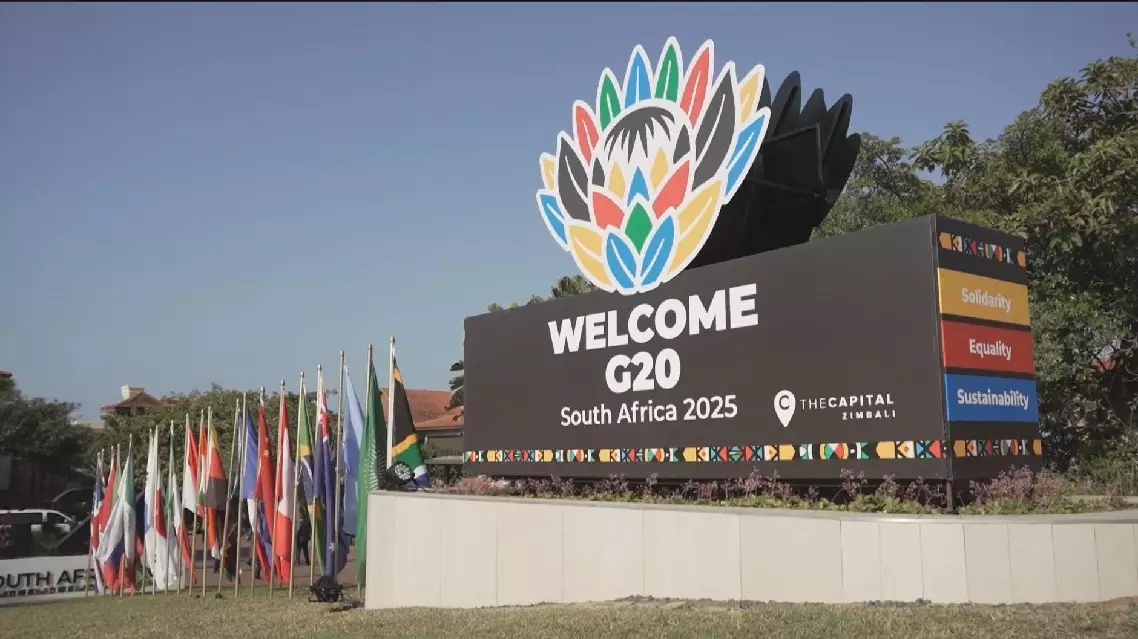
G20 finance chiefs unite ahead of rising U.S. tariffs
G20 finance chiefs unite ahead of rising U.S. tariffs