China's sports chief on Monday outlined the nation's key strategies for sports development over the next five years, with a focus on making sports more accessible to the public, reforming the country's competitive sports system, and fostering a more vibrant sports culture and industry.
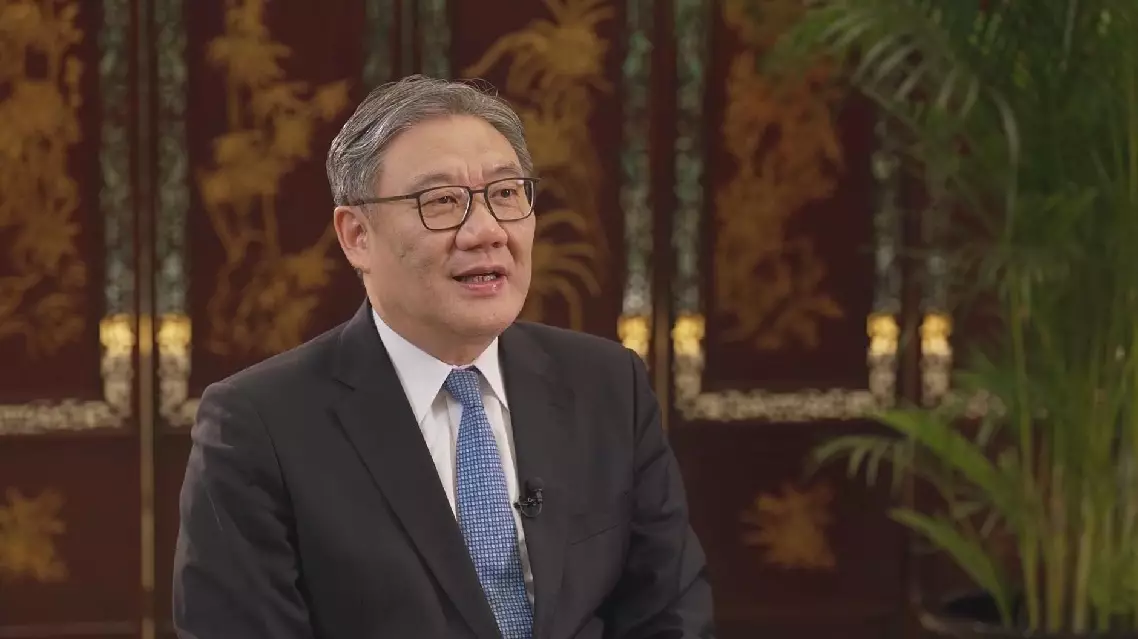
Gao Zhidan, director of the General Administration of Sport of China (GAS), detailed new measures and highlights for China's sports sector during a ministerial interview during the fourth session of the 14th National People's Congress, China's top legislature, in Beijing.
Gao said the sports administration will follow a people-centered philosophy with a focus on enhancing supply, integrating resources, and balancing regional development, while ensuring people across China have access to fitness facilities within a 15-minute walk from their residences.
He also said China will look to build on the success of the popular grassroots-level events like the "Village BA" basketball competitions in rural areas and the provincial "Super League" football tournaments which have emerged in recent years, enabling this sporting passion to flourish more widely across the country.
"In terms of deepening reform in competitive sports, we will fully leverage the institutional advantages of mobilizing resources nationwide, and carefully summarize the successful experience and shortcomings of the 2024 Paris Summer Olympics and 2026 Milan-Cortina Winter Olympics to further reform the management, operation, training and competition mechanisms. We will establish a new, diversified talent cultivation model, improve the incentive and elimination system, increase technological innovation, and strive to enhance our international competitiveness," said Gao.
The sports management agency will work to consolidate China's traditional strength across six sporting fields: table tennis, badminton, diving, gymnastics, weightlifting, and shooting -- and will focus on developing three fundamental sports: track and field, swimming, and water sports. It also strive to revitalize the three major ball sports of football, basketball, and volleyball, all while cementing the country's strategic position as an Olympic powerhouse, Gao said.
"When it comes to promoting a thriving sports culture, we will vigorously promote the Chinese sports spirit and the Beijing Winter Olympics spirit to strengthen the educational function and value of sports and enhance the reach, influence and appeal of sports culture. We will earnestly implement a year-long campaign to deepen governance in the sports field, and crack down on the disruption caused by extreme fan culture in sports. We will enhance sports integrity and on-field civility, tighten competition disciplines, and make the sports industry well-regulated," said the official.
Gao said the national sports body will also further tap into the wider potential of the sports industry, optimize its structure, improve the industrial chain, and cultivate industrial talent, so that a booming sports industry can lead to thriving sports consumption across the country.
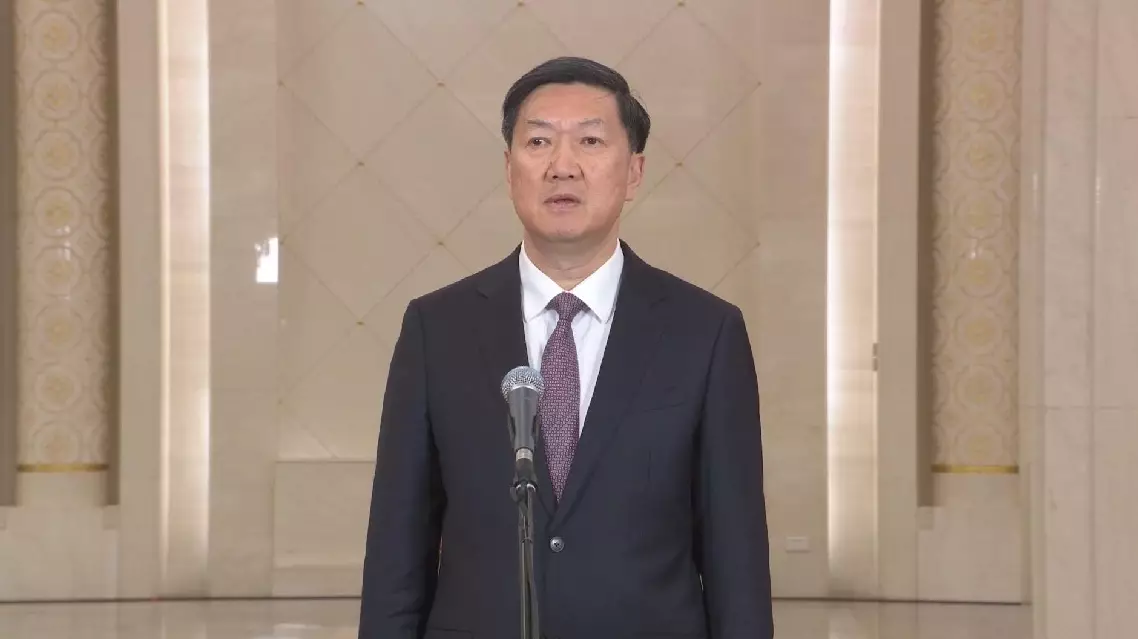
China's sports chief outlines vision for national sports development in coming years