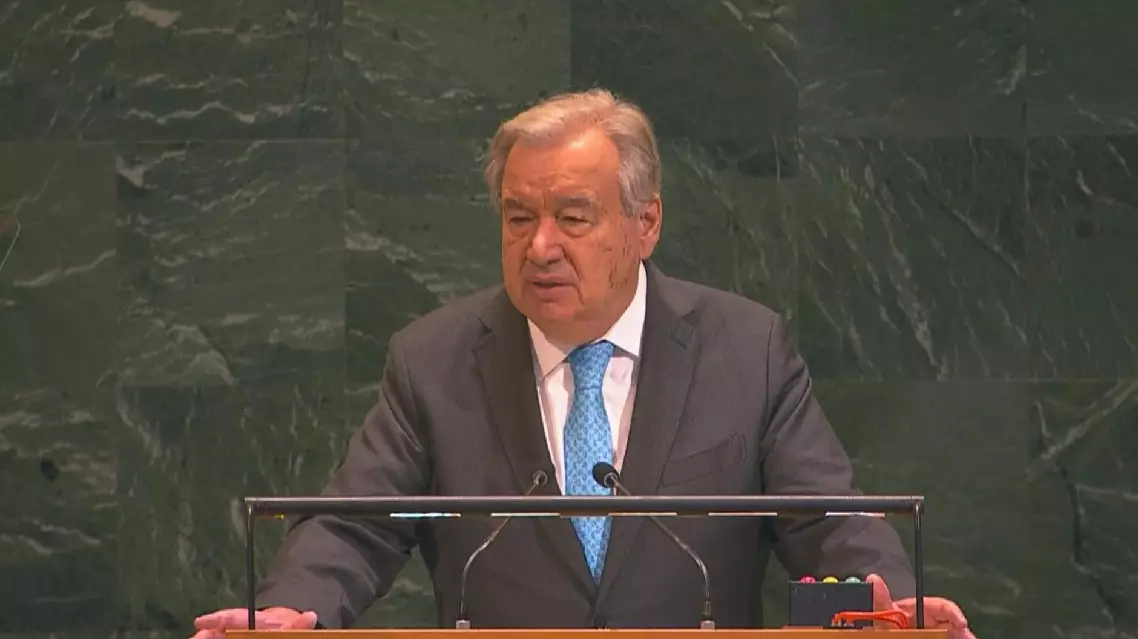
United Nations Secretary-General Antonio Guterres on Monday urged world leaders to take immediate and ambitious action to get the Sustainable Development Goals (SDGs) back on track, warning that only 35 percent of the targets are currently being met.
Speaking at the opening of the ministerial segment of the 2025 High-Level Political Forum on Sustainable Development, the UN chief highlighted negative phenomena worldwide like slowing economic growth, declining development aid, and rising military spending that threaten progress toward the 2030 Agenda.
But with sufficient urgency and determination, the SDGs could still be achieved, said Guterres, citing recent agreements on pandemic preparedness and ocean protection as proof that multilateralism remained capable of producing concrete outcomes.
Guterres stressed the necessity of reforming the global financial system to give developing countries greater voice and representation and also called for strengthened partnerships and the application of technological and digital innovations to drive progress.
General Assembly President Philemon Yang emphasized the importance of implementing the Sevilla Commitment and last year's Pact for the Future to reform global financial systems and scale up climate financing.
The week-long forum, which runs through July 23, focuses on critical areas including health, gender equality, and life below water, with 36 countries set to present their voluntary national reviews of SDG implementation progress.
UN chief urges action to revive lagging sustainable development goals
UN chief urges action to revive lagging sustainable development goals
UN chief urges action to revive lagging sustainable development goals
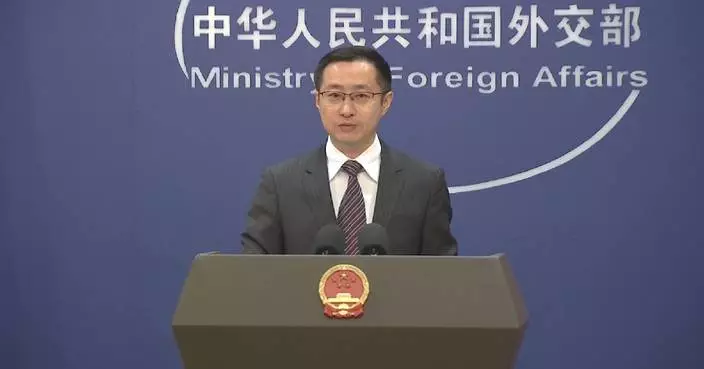
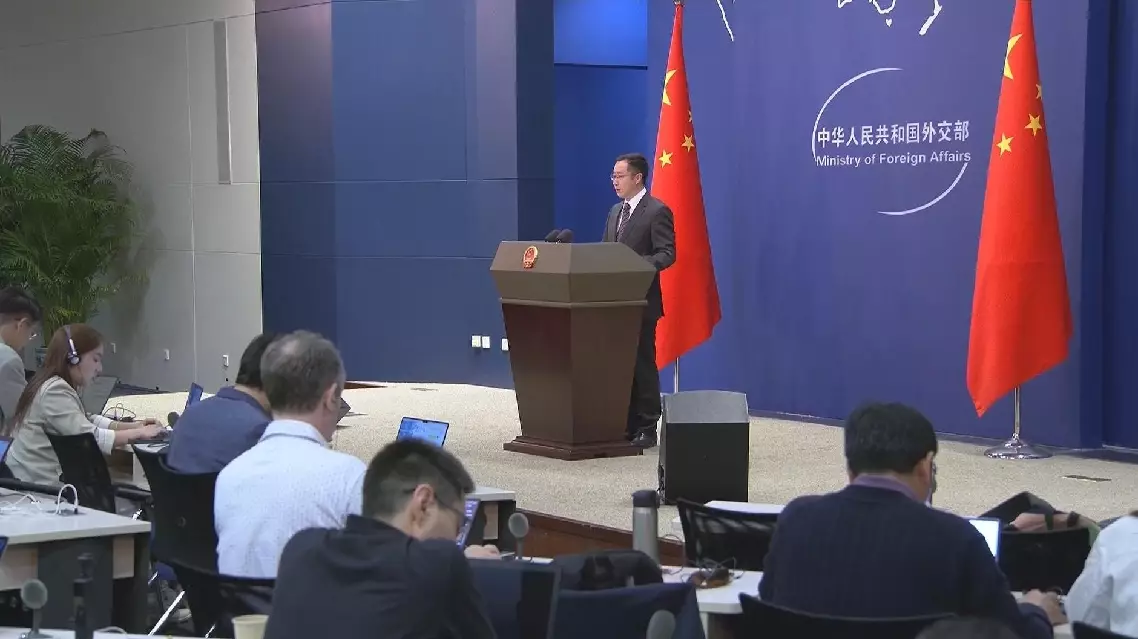
China's development has never been a "threat" to anyone but the source of growth advancing common development of all countries, Foreign Ministry spokesman Lin Jian said at a regular press conference in Beijing on Friday.
Some Western media and think tanks are peddling so-called "China Shock 2.0," saying that "China is achieving fast development in high-tech sectors such as renewable energy and AI and relies on foreign markets to absorb its overcapacity, thus reducing the market share of developed countries and sending more serious shock waves to the global economy compared with the era of traditional manufacture industry," while there are foreign commentators saying that the "China Shock 2.0" argument ignores the genuine innovation occurring within the Chinese industrial ecosystem and that Chinese export is the exact booster of the global economy that is needed in the turbulent period and more indispensable than ever.
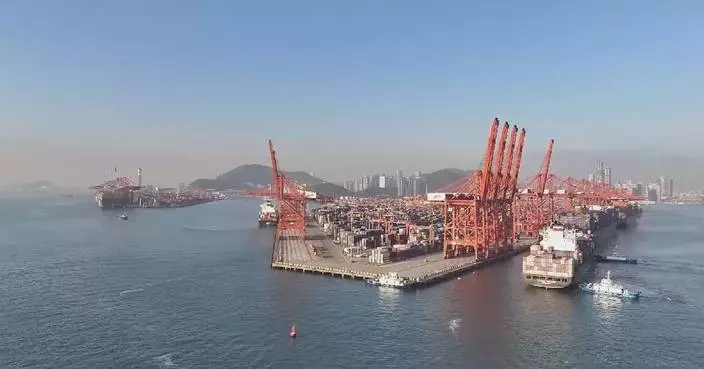
Commenting on that, Lin said: "From the world's factory to the world's market and innovation powerhouse, China's development is achieved through strong performance driven by innovation and brings tangible cooperation opportunities and space to the world. High-quality Chinese products represented by the 'old three' of textiles, furniture and home appliances have stabilized the global industrial and supply chain, lowered the living cost of global consumers and eased the inflationary pressure worldwide. China's green production capacity represented by the 'new three' of electric vehicles, batteries and solar panels has bridged the gap between supply and demand in global green development and bolstered the global energy transition and low-carbon development. Moreover, China's high-tech products represented by the 'new new three' of robots, AI and innovative drugs have broken high-tech barriers and monopoly and enabled people in more countries to access affordable new technologies," said the spokesman.
"Openness and cooperation bring about progress and win-win result. China's development has never been a 'threat' to anyone but the source of growth advancing common development of all countries. What really creates 'shocks' to the world has never been the innovation of Chinese companies and efficiency of Chinese industrial capacity, but protectionist moves of setting up barriers, decoupling and severing industrial and supply chains. China will stay committed to high-standard opening up, defend the multilateral trading system and provide more certainty and new impetus to the world economy with its own steady development," said Lin.
China's development never a threat: FM spokesman