The defeat of Japan's ruling coalition in the House of Councilors election on Monday weakens Prime Minister Shigeru Ishiba's administration, potentially marking a turning point in Japan's political landscape, said a Japanese expert in an interview with CCTV on Monday.
The ruling coalition only secured 47 seats, three short of the 50 seats needed to maintain control of the 248-seat upper house chamber.
The defeat is seen as a reflection of voters' frustration with the Ishiba administration's handling of the rising cost-of-living, and undesirable wage levels and trade negotiations with the United States.
"In general, there are two likely outcomes: either the Ishiba administration takes responsibility for the defeats and resigns, or - if the opposition parties jointly submit and pass a no-confidence motion when the Diet convenes - the government would be forced to choose between dissolving the House of Representatives for a general election or stepping down voluntarily," said Noriyuki Kawamura, emeritus professor from Nagoya University of Foreign Studies.
Kawamura emphasized that Japan's ability to negotiate with foreign countries will now face serious constraints, as the government's flexibility and policy execution capacity take a hit.
"The results of the House of Councilors election have reduced the ruling party to a minority, meaning the Ishiba administration's core governance capabilities will be inevitably weakened. Under these circumstances, even in foreign affairs, Japan's stance is likely to become more passive. For instance, when dealing with the U.S. under Trump's leadership, it is foreseeable that the U.S., upon recognizing the vulnerabilities of Japan's minority government, would naturally adopt a more hardline approach," he noted.
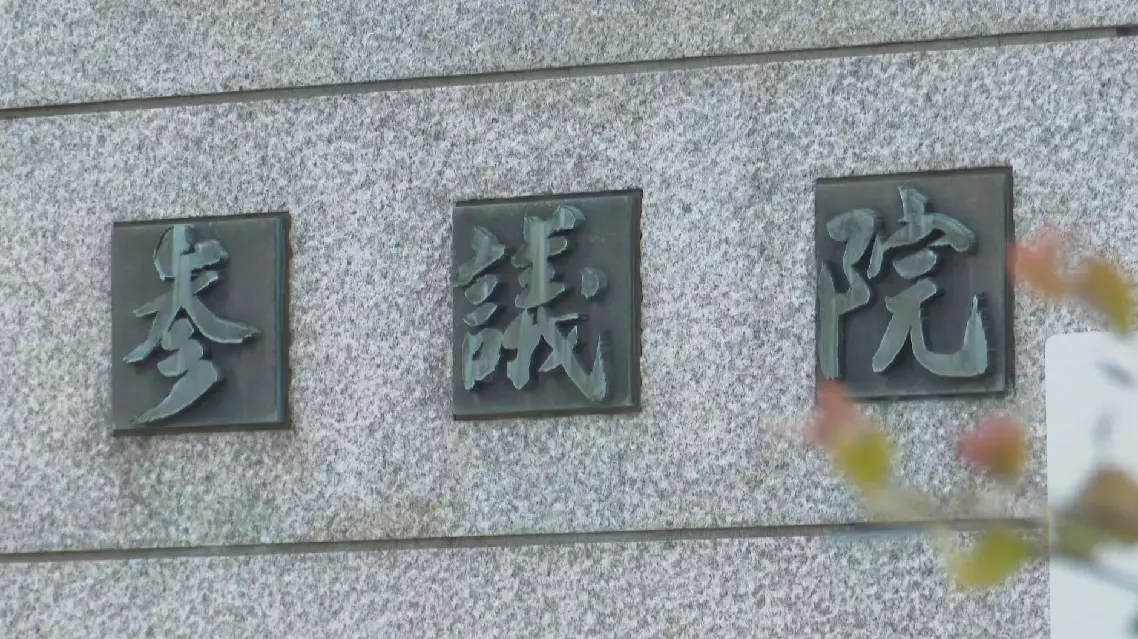
Election defeats weakens Ishiba's administration: expert
Election defeats weakens Ishiba's administration: expert
Election defeats weakens Ishiba's administration: expert