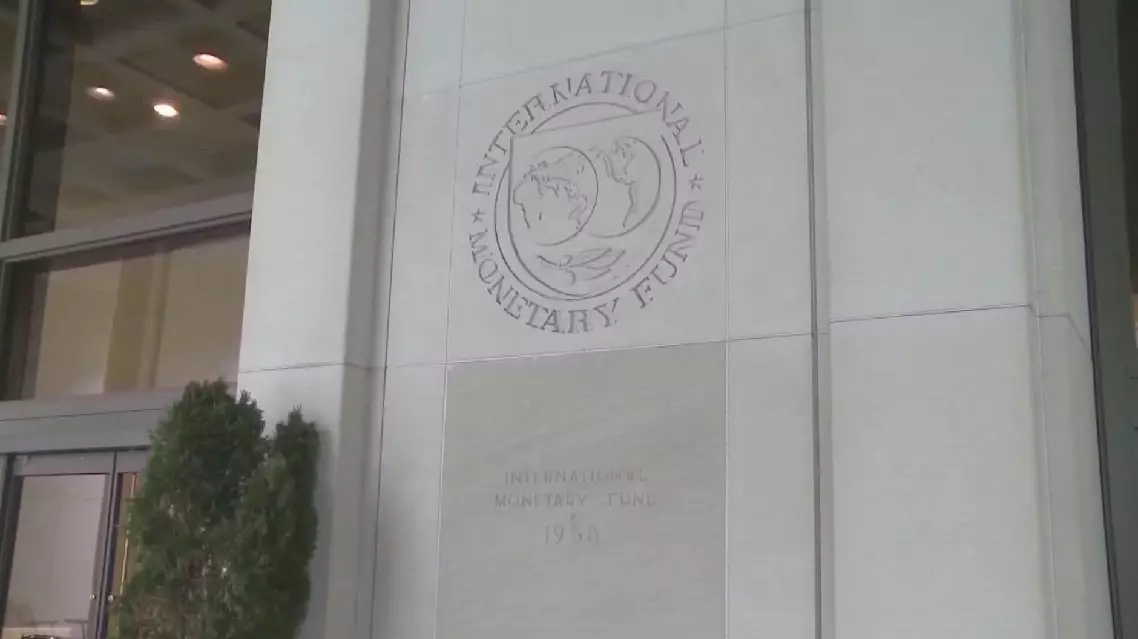
The International Monetary Fund (IMF) on Tuesday warned that U.S. trade tariffs will have negative impacts on global macroeconomy with limited effects on solving rising imbalances.
The IMF said in its annual External Sector Report that a further escalation of trade tensions, including with tariffs, would have significant negative macroeconomic effects, with limited efficacy in correcting global imbalances.
Click to Gallery
IMF warns of significant US tariff impact on global macroeconomy
IMF warns of significant US tariff impact on global macroeconomy
IMF warns of significant US tariff impact on global macroeconomy
IMF warns of significant US tariff impact on global macroeconomy
IMF warns of significant US tariff impact on global macroeconomy
IMF warns of significant US tariff impact on global macroeconomy
The report noted that in the short term, tariffs would reduce global demand, lead to a negative supply shock (especially for the imposing countries), and add to inflationary pressures through rising import prices.
In addition, unpredictability about tariffs poses risks to global investment and growth, separate from the level of tariffs. It can diminish domestic demand by undermining consumer and business confidence, increase financial market volatility, and lead to persistent appreciations of the U.S. dollar, with negative spillovers to economic activity in emerging markets, the report said.
In an accompanying blog, IMF chief economist Pierre-Olivier Gourinchas said a major risk for the global economy is that countries will instead respond to rising imbalances by further raising trade barriers, leading to increased geoeconomic fragmentation.
While the impact on global imbalances will remain limited, the harm to the global economy will be long-lasting, the IMF chief economist noted.

IMF warns of significant US tariff impact on global macroeconomy
IMF warns of significant US tariff impact on global macroeconomy
IMF warns of significant US tariff impact on global macroeconomy
IMF warns of significant US tariff impact on global macroeconomy
IMF warns of significant US tariff impact on global macroeconomy
IMF warns of significant US tariff impact on global macroeconomy
China will strengthen fiscal and financial coordination to amplify policy effectiveness, experts said as the draft central and local budgets for 2026 were unveiled on Friday at the ongoing fourth session of the 14th National People's Congress.
According to the draft central and local budgets for 2026, 1.3 trillion yuan (190 billion U.S. dollars) of ultra-long special treasury bonds will be issued to provide continued support for the implementation of major national strategies and security capacity-building in key areas and for large-scale equipment upgrades and consumer goods trade-in programs.
Ultra-long special treasury bonds totaling 800 billion yuan will be allocated to support the implementation of major national strategies and security capacity-building in key areas, and 250 billion yuan in ultra-long special treasury bonds will be earmarked for consumer goods trade-in programs.
The country will refine these programs in terms of their scope and subsidy standards, and continue to support the scrapping and replacement of automobiles, home appliance trade-in schemes, and purchases of new digital and smart products.
China will also set up a 100-billion-yuan fiscal-financial coordination fund to boost domestic demand. The fund will support consumption and private investment through loan interest subsidies, financing guarantee, and risk compensation.
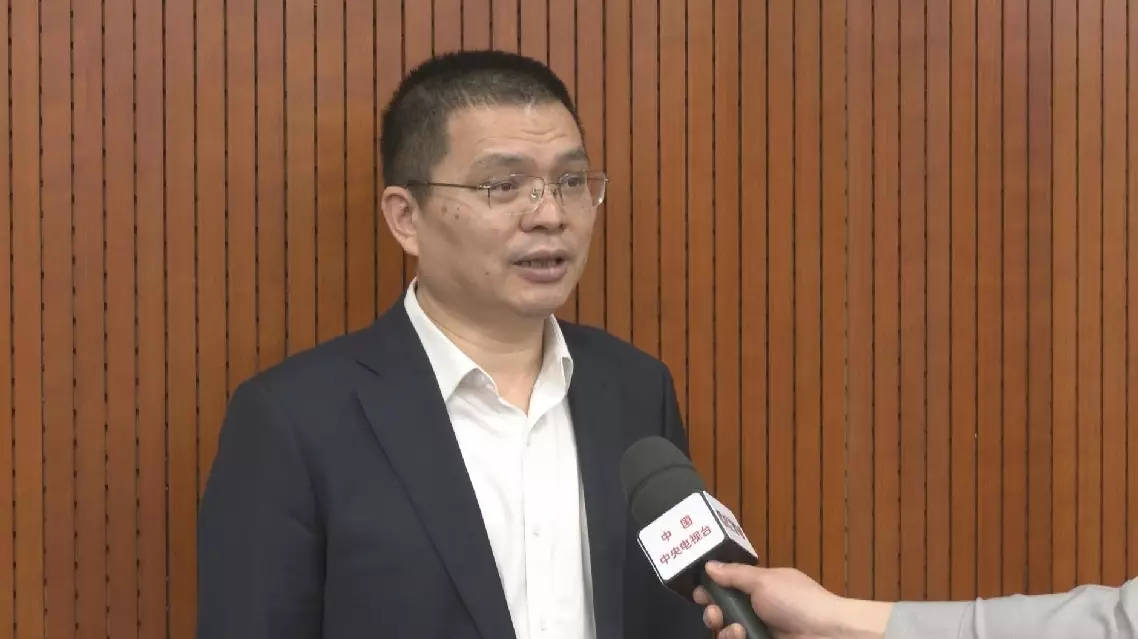
"Fiscal and monetary policies are the two major macroeconomic tools for macro-control, and their coordination is crucial. For instance, fiscal funds primarily serve as a guiding role, while financial institutions provide the capital. When fiscal guidance and financial resources are combined, the synergistic effect creates a result greater than the sum of its parts," said Yang Zhiyong, director of the Chinese Academy of Fiscal Sciences.
"By leveraging interest subsidies, we can mobilize substantial credit from financial institutions, thereby naturally stimulating consumption. The Ministry of Finance, in collaboration with the People's Bank of China, has introduced highly innovative measures, such as providing guarantees for the issuance of corporate bonds by small and medium-sized enterprises (SMEs), and compensating investors for losses. I believe the leveraging effect, making minimal efforts for maximum results, will become even more potent," said Yao Dongmin, director of the Center for China Fiscal Development under the Central University of Finance and Economics.
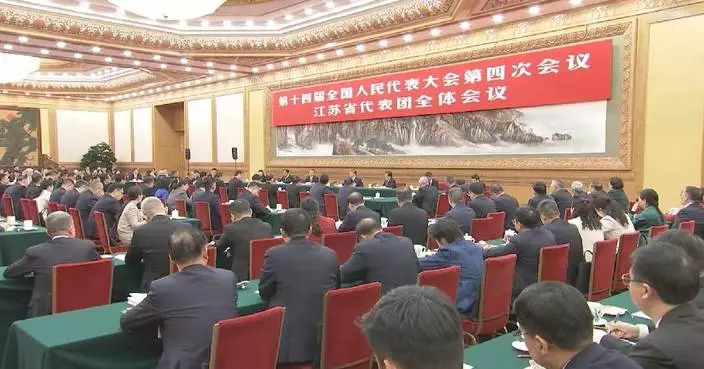
China's top legislature opened its annual session on Thursday morning at the Great Hall of the People in Beijing, with Chinese President Xi Jinping and other Party and state leaders attending the opening meeting alongside more than 2,700 NPC deputies. This year's NPC session is scheduled to run till March 12.
China to strengthen fiscal, financial coordination to amplify policy effectiveness: experts