More than 50 years after the Safe Drinking Water Act was passed to assure Americans of safe water, millions of people living in mobile home parks can't always count on those basic protections.
The Associated Press examined an Environmental Protection Agency database on violations by water systems across the country, ranging from the tiniest up to major metropolitan areas. AP also surveyed states for their oversight of water systems.
Click to Gallery
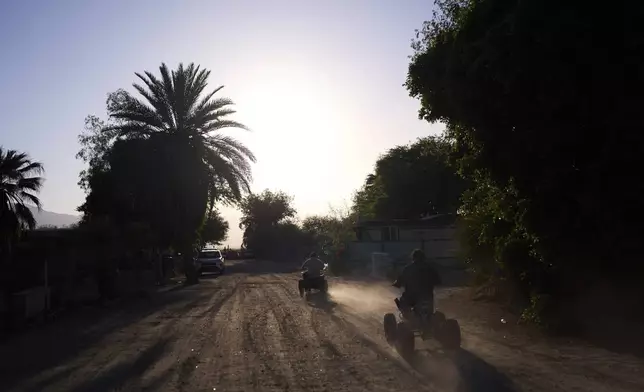
Dust rises as two residents ride ATVs through Oasis Mobile Home Park in Thermal, Calif., Tuesday, April 15, 2025. (AP Photo/Jae C. Hong)
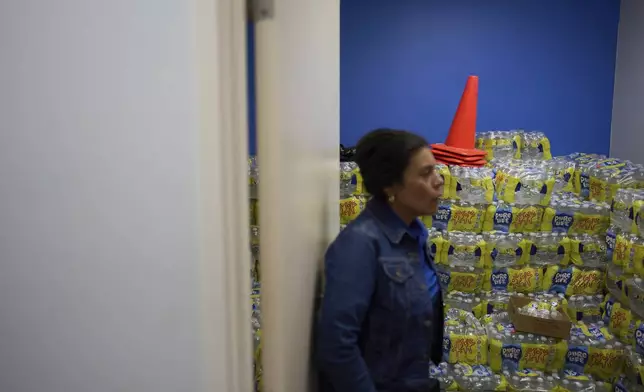
Luz Gallegos, executive director of the immigrant and farmworker justice group TODEC, leans on the door of an office filled with bottled water donated for mobile home residents in Coachella, Calif., Monday, April 14, 2025. (AP Photo/Jae C. Hong)
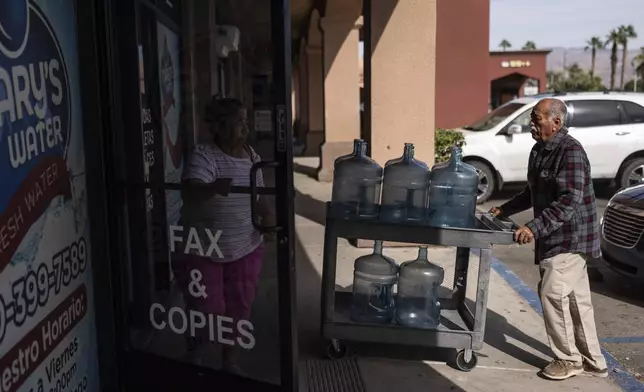
Agustin Toledo, a mobile home resident in Southern California's eastern Coachella Valley, pushes a cart carrying empty water jugs into a water store to refill the jugs in Coachella, Calif., Wednesday, Oct. 30, 2024. (AP Photo/Jae C. Hong)
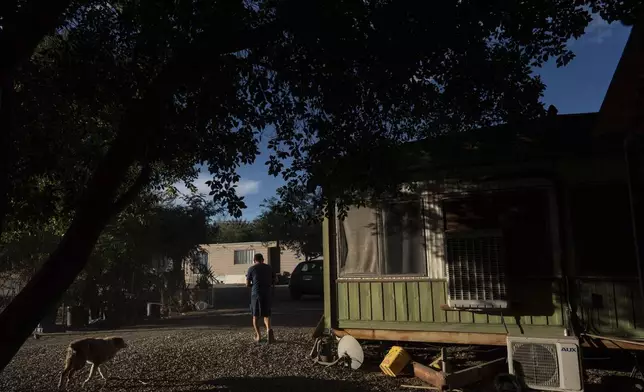
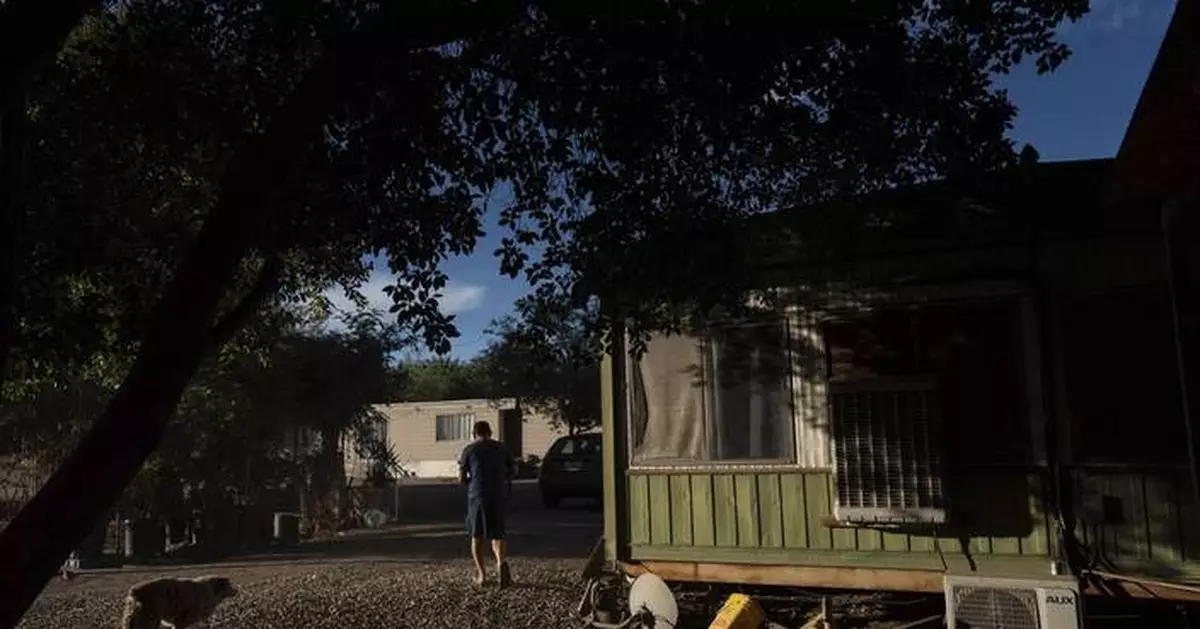
Virgilio Galarza Rodriguez works outside his mobile home in Oasis, Calif., Wednesday, Oct. 30, 2024. (AP Photo/Jae C. Hong)
Here's a look at key findings from the AP report:
Nearly 70% of mobile home parks that run their own water systems violated safe drinking water rules over the past five years. That's well above the rate for cities (48%) and larger towns (57%), according to EPA data.
The U.S. has some 50,000 water utilities, most serving small towns and rural areas. Many struggle to find expert staff and funding, and they violate clean water rules more often than the handful of large utilities that serve cities. But even among the hard-pressed small utilities, mobile home parks stand out.
The AP analysis found that more than half these parks failed to perform a required test for at least one contaminant or failed to properly report the results, in the past five years. And they are far more likely to be repeat offenders of safe drinking water rules overall.
The problems may go beyond what the figures show. Some parks don’t appear in EPA’s database at all and may go completely unregulated.
For example, EPA officials were investigating high levels of cancer-causing arsenic in tap water at a Southern California mobile home park in 2021 when they realized there were several others in the area that weren’t in their records, said Amy Miller, a former EPA head of enforcement in the region.
Some were found to have high levels of arsenic that residents had been drinking for years.
It’s impossible to know how many under-the-radar parks there are. Most states aren’t actively looking for them and say they don’t find very many.
There's another way that problems with mobile home park water can escape attention. Some mobile home parks get their water from an outside source — a nearby town, for example. That water can be safe when it reaches the park boundary but become contaminated if the park has substandard or poorly installed piping. The EPA doesn't generally track water once it's on private property, so those problems can go unseen.
Bad water isn't always unsafe. Residents of mobile home parks in Michigan, Iowa and elsewhere reported taps that frequently ran dry or problems with discolored water that looked like coffee or tea, stained their laundry and made them fearful to open their mouths in the shower, for example.
If residents are unhappy with management's response to such problems, it can be difficult to leave. That's because “mobile” homes aren't all that mobile. Residents often own the home but rent the land they sit on, and it's difficult and expensive to move them.
Esther Sullivan, a professor of sociology at the University of Colorado, calls residents “halfway homeowners” because of this dynamic. She said they often put up with problems because of the difficulty in moving.
Almost 17 million people in the U.S. live in mobile homes.
Utah is the rare state that enforces safe drinking water standards even within parks that get their water from another provider, according to AP’s survey of states.
And Colorado passed a law in 2023 that requires testing the water in every mobile home park. It gives health officials the ability to go beyond federal law to address taste, color and smell that can make people afraid to drink their water, even when it's not a health risk.
The Associated Press receives support from the Walton Family Foundation for coverage of water and environmental policy. The AP is solely responsible for all content. For all of AP’s environmental coverage, visit https://apnews.com/hub/climate-and-environment
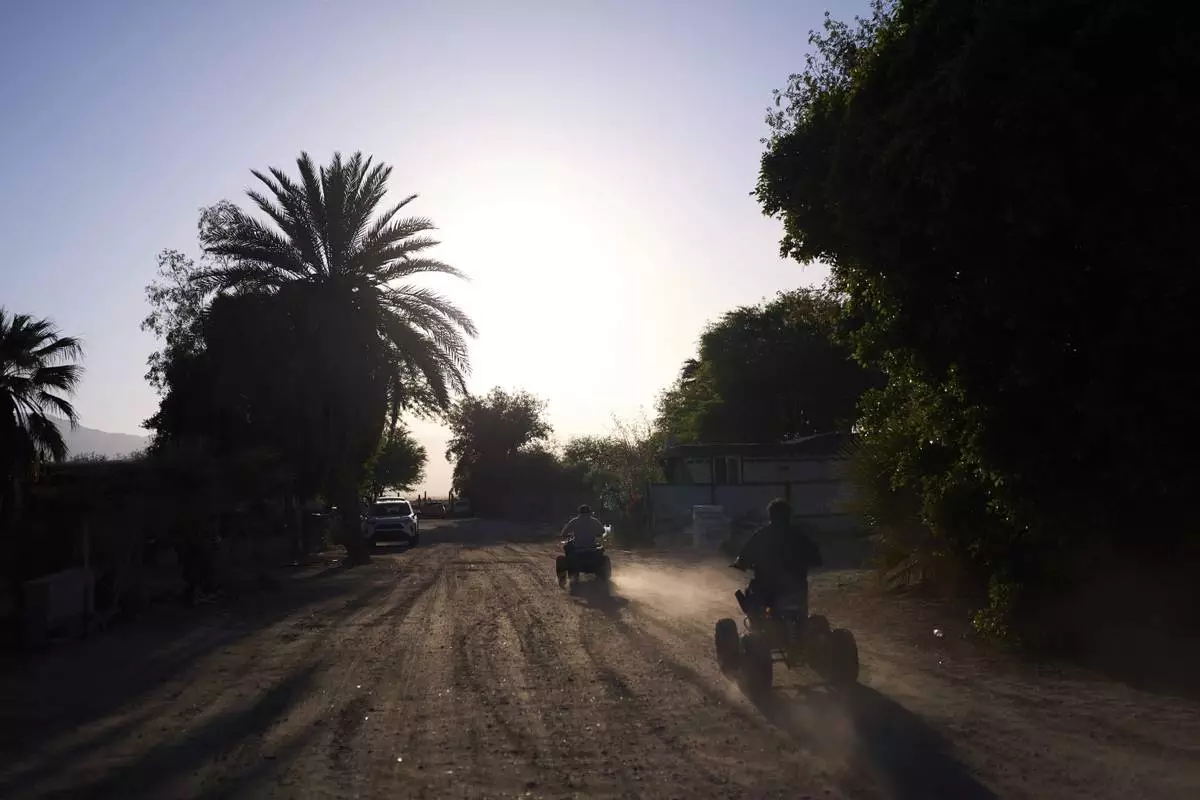
Dust rises as two residents ride ATVs through Oasis Mobile Home Park in Thermal, Calif., Tuesday, April 15, 2025. (AP Photo/Jae C. Hong)
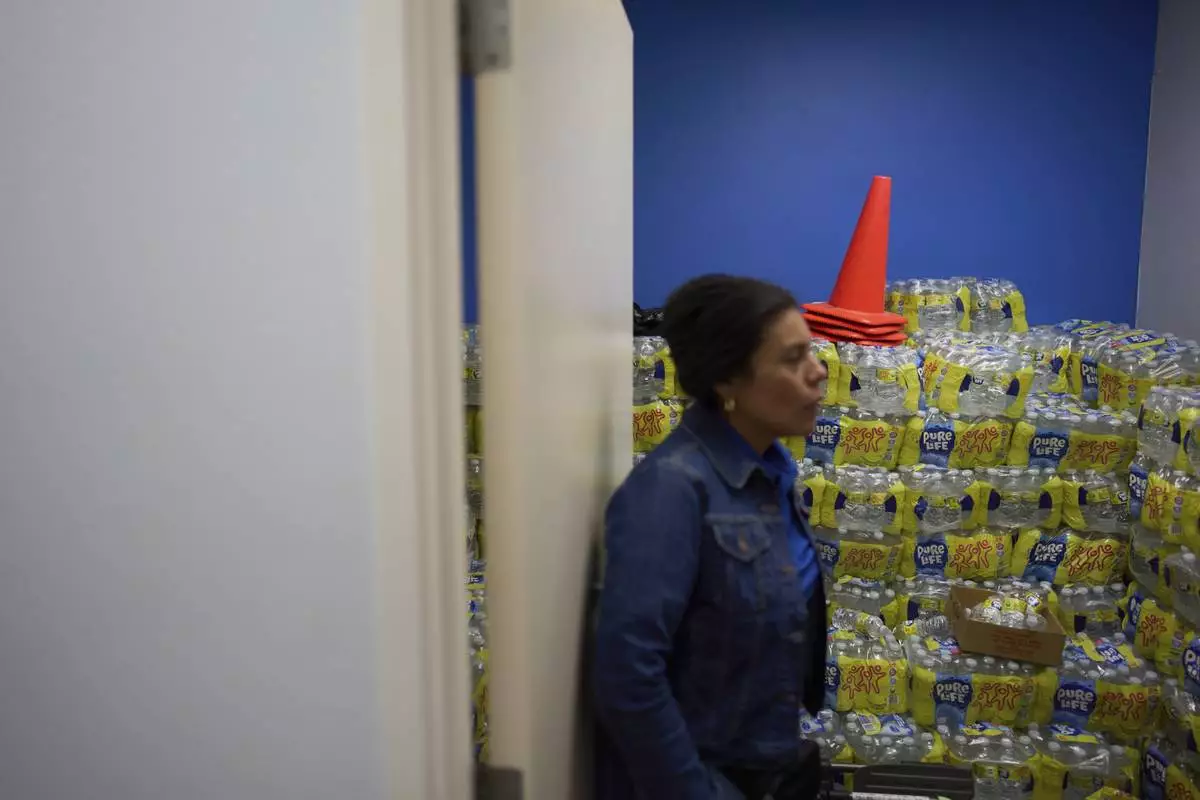
Luz Gallegos, executive director of the immigrant and farmworker justice group TODEC, leans on the door of an office filled with bottled water donated for mobile home residents in Coachella, Calif., Monday, April 14, 2025. (AP Photo/Jae C. Hong)
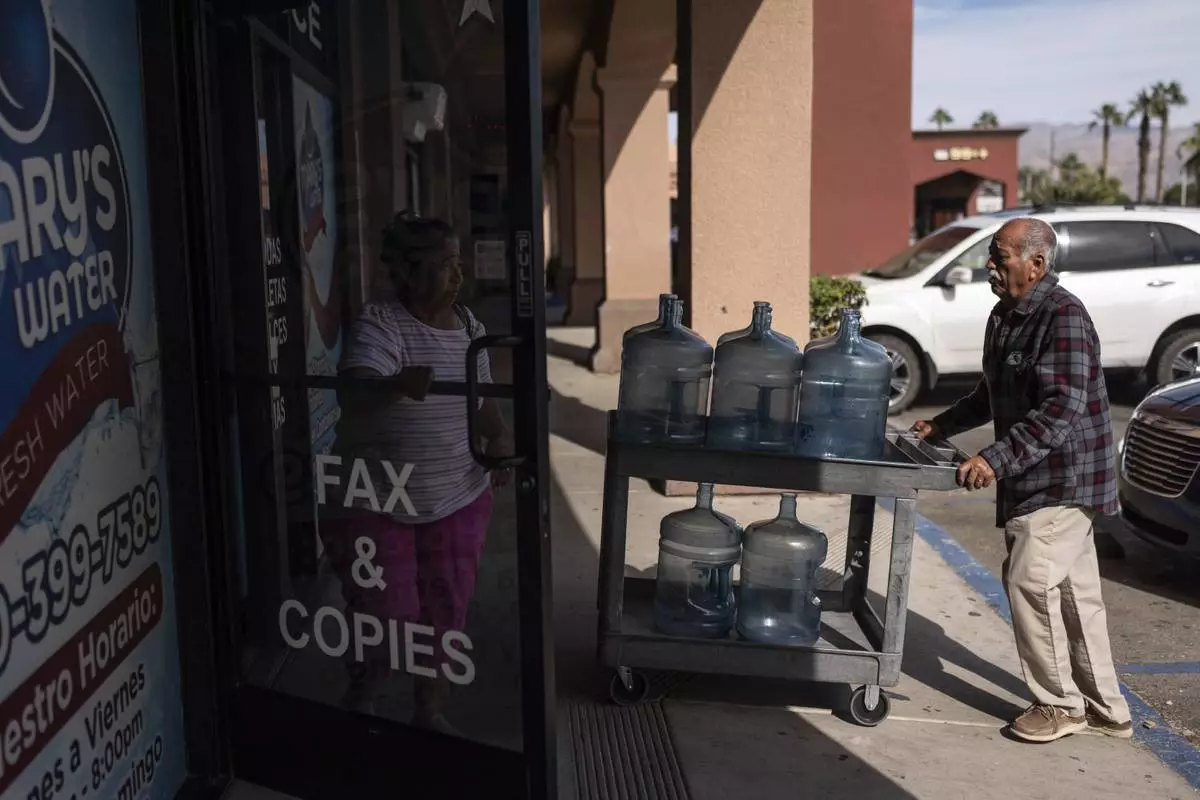
Agustin Toledo, a mobile home resident in Southern California's eastern Coachella Valley, pushes a cart carrying empty water jugs into a water store to refill the jugs in Coachella, Calif., Wednesday, Oct. 30, 2024. (AP Photo/Jae C. Hong)
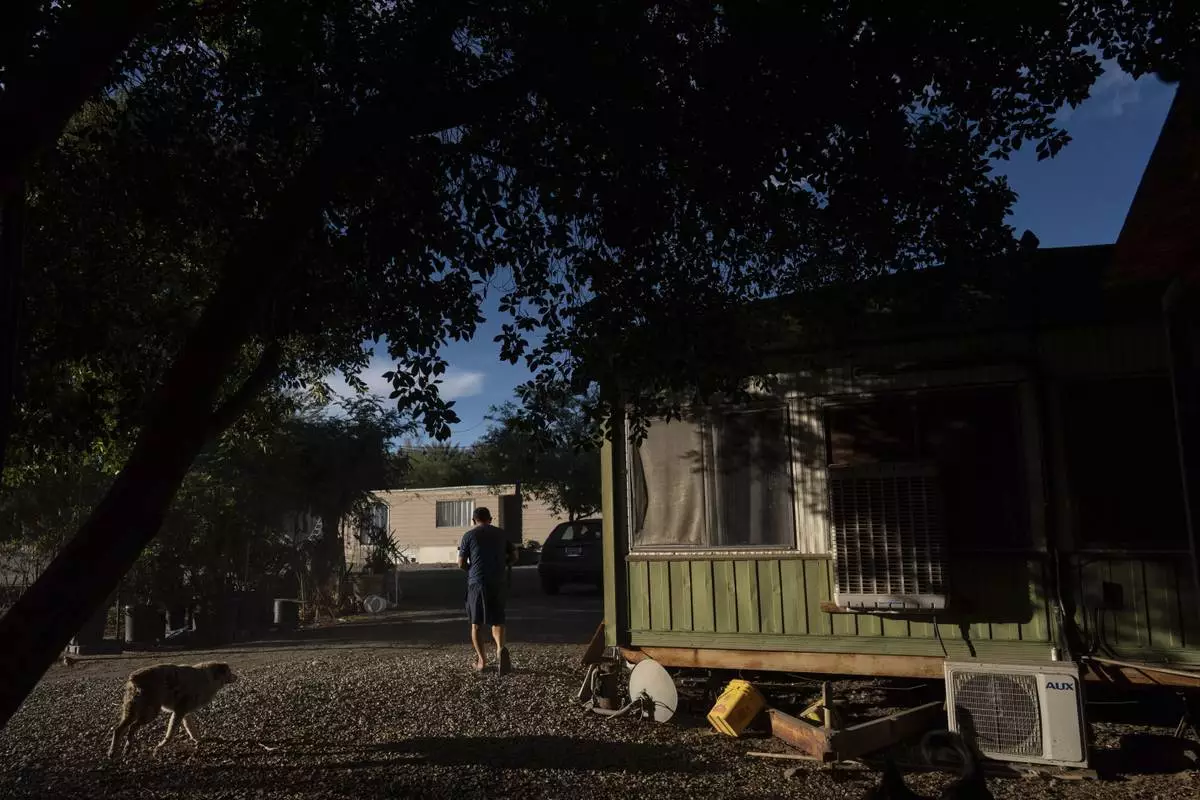
Virgilio Galarza Rodriguez works outside his mobile home in Oasis, Calif., Wednesday, Oct. 30, 2024. (AP Photo/Jae C. Hong)