Skip to Content Facebook Feature Image

Tea-loving Nepal is warming up to coffee

ENT

Tea-loving Nepal is warming up to coffee
ENT

ENT

Tea-loving Nepal is warming up to coffee

2025-07-25 12:34 Last Updated At:13:00

KATHMANDU, Nepal (AP) — Coffee hasn't always been an easy sell in Nepal.

The Himalayan country is a major tea producer, as well as a major consumer. When people greet each other in the morning, they don't ask “how are you.” They say “have you had your tea?”

More Images
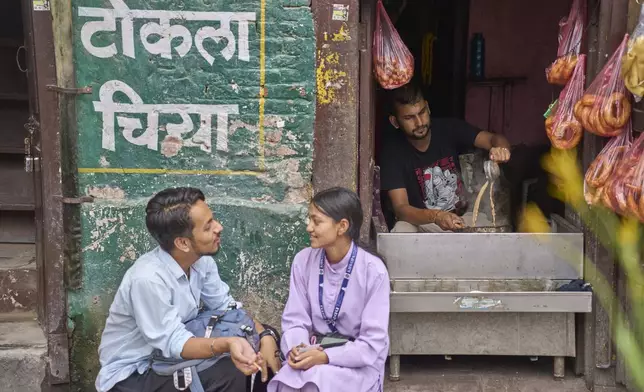
A couple talks sitting outside a tea shop at Basantapur Durbar square in Kathmandu, Nepal, Wednesday, July 23, 2025. (AP Photo/Niranjan Shrestha)
A couple talks sitting outside a tea shop at Basantapur Durbar square in Kathmandu, Nepal, Wednesday, July 23, 2025. (AP Photo/Niranjan Shrestha)

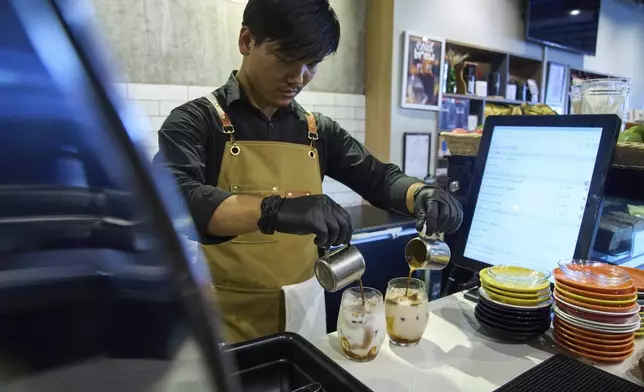
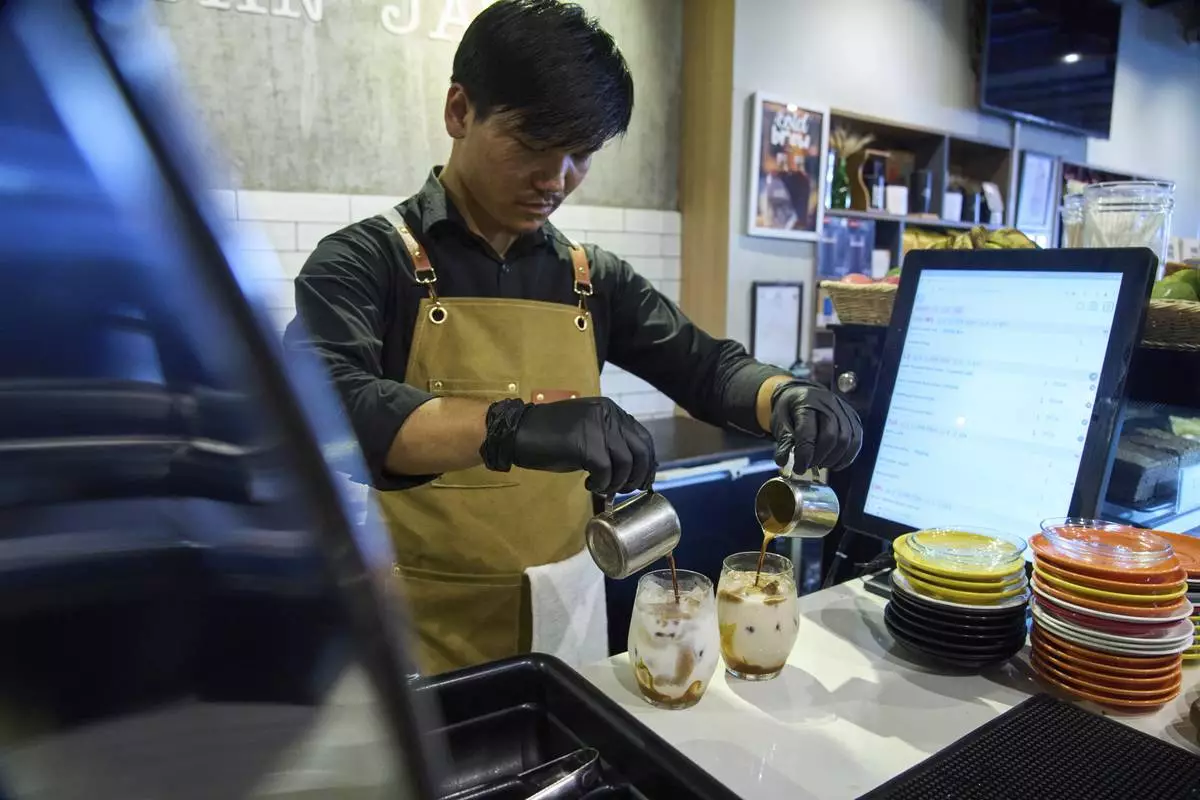
An employee prepares a coffee for a customer at Himalayan Java cafe at Boudhanath Stupa in Kathmandu, Nepal, Tuesday, June 10, 2025. (AP Photo/Niranjan Shrestha)
An employee prepares a coffee for a customer at Himalayan Java cafe at Boudhanath Stupa in Kathmandu, Nepal, Tuesday, June 10, 2025. (AP Photo/Niranjan Shrestha)

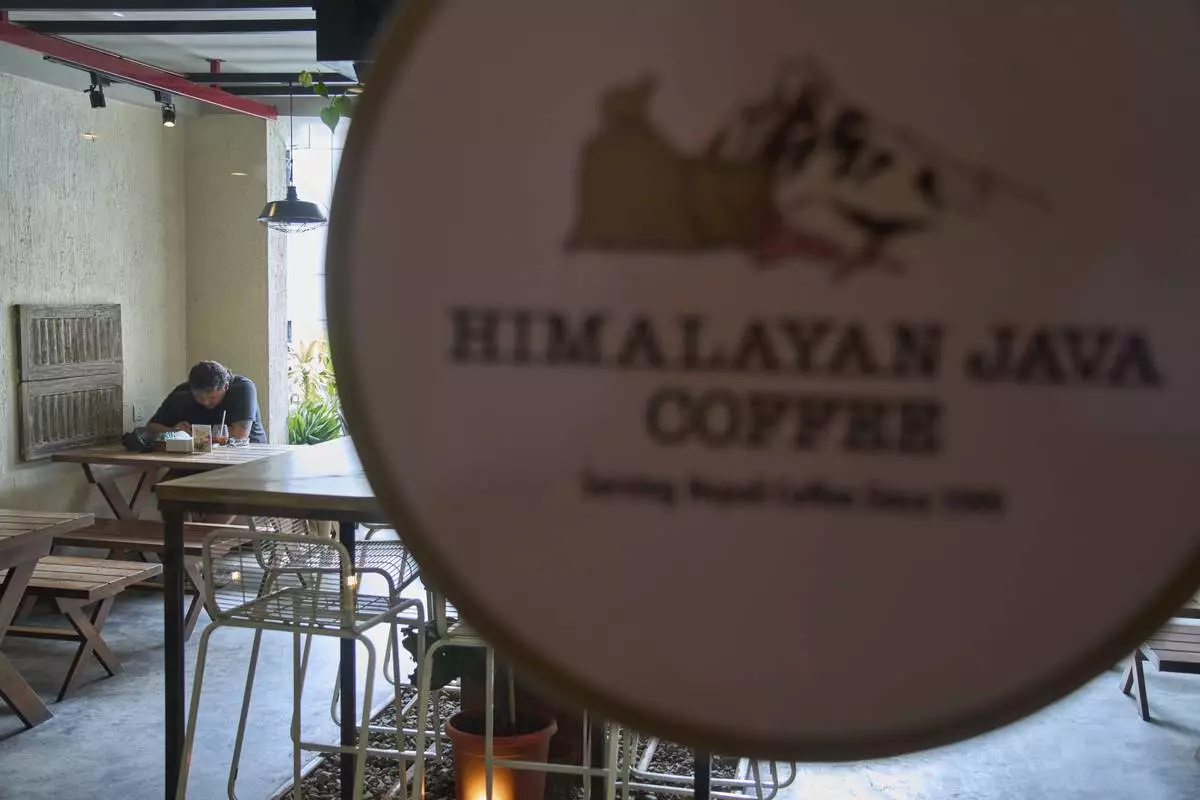
A person checks his mobile phone while drinking coffee at a cafe in Kathmandu, Nepal, Tuesday, June 10, 2025. (AP Photo/Niranjan Shrestha)
A person checks his mobile phone while drinking coffee at a cafe in Kathmandu, Nepal, Tuesday, June 10, 2025. (AP Photo/Niranjan Shrestha)

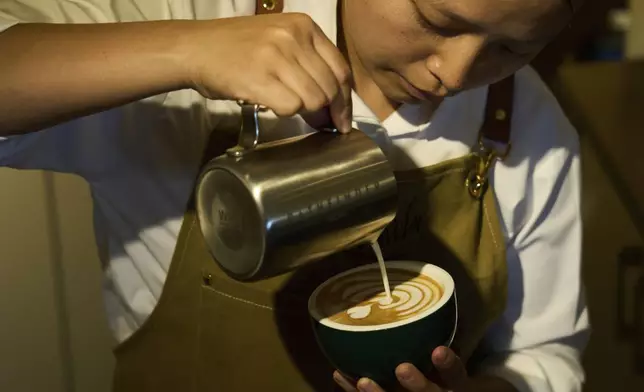
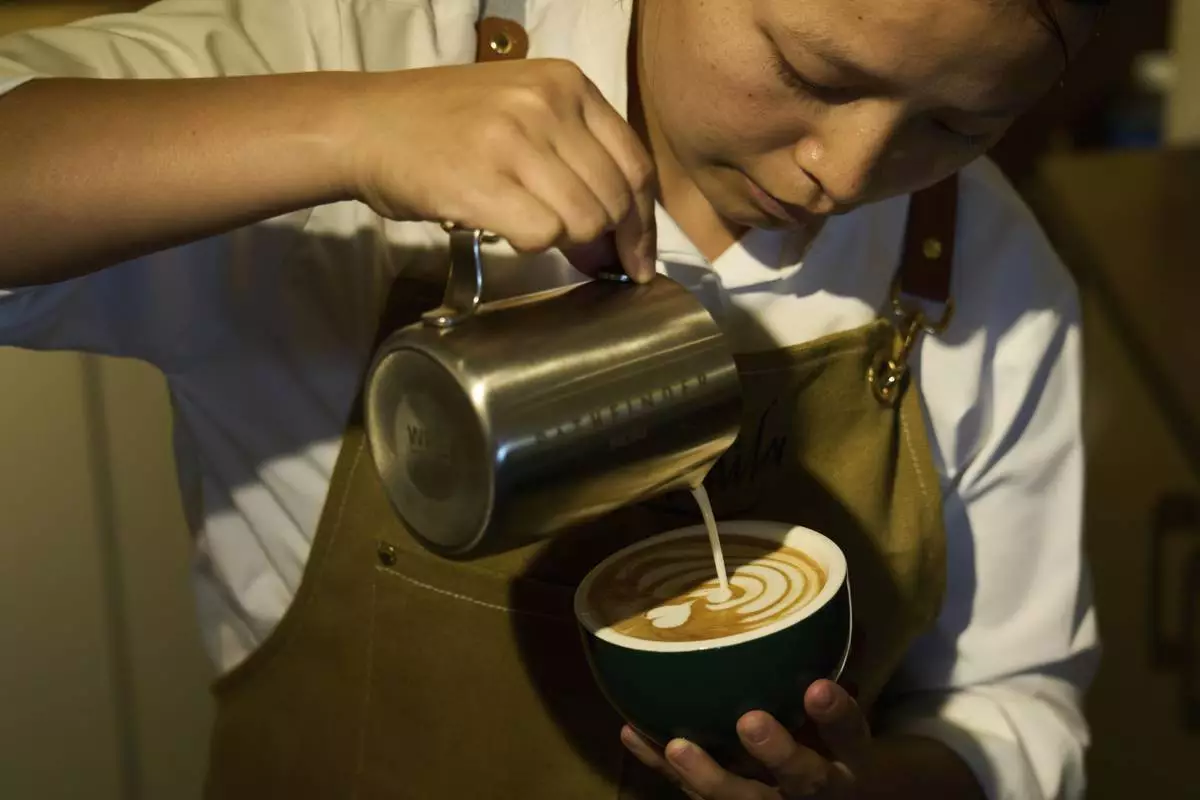
An employees pours coffee for a customer at Himalayan Java cafe at Boudhanath Stupa in Kathmandu, Nepal, Tuesday, June 10, 2025. (AP Photo/Niranjan Shrestha)
An employees pours coffee for a customer at Himalayan Java cafe at Boudhanath Stupa in Kathmandu, Nepal, Tuesday, June 10, 2025. (AP Photo/Niranjan Shrestha)

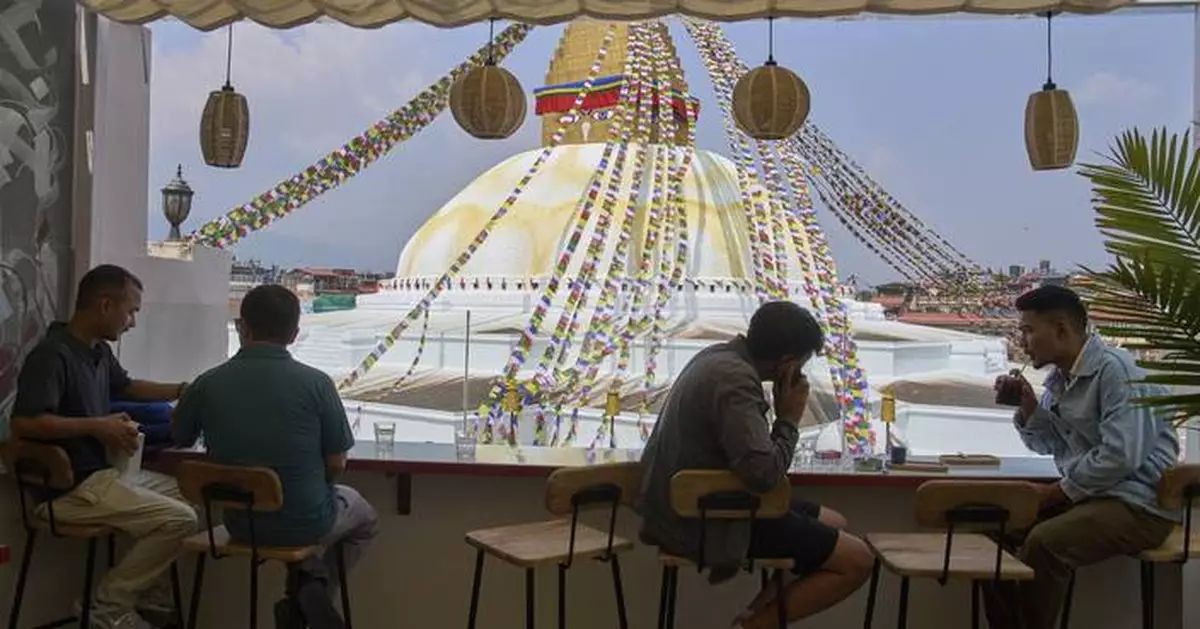
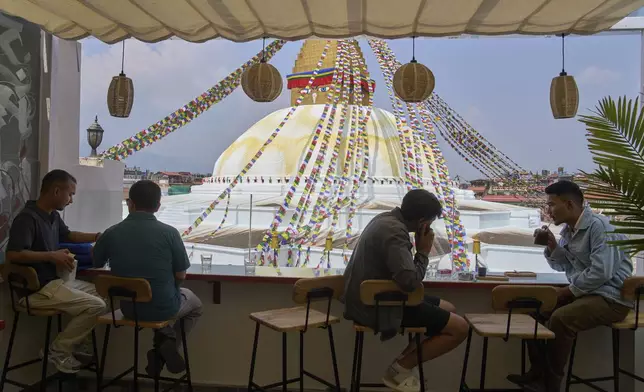
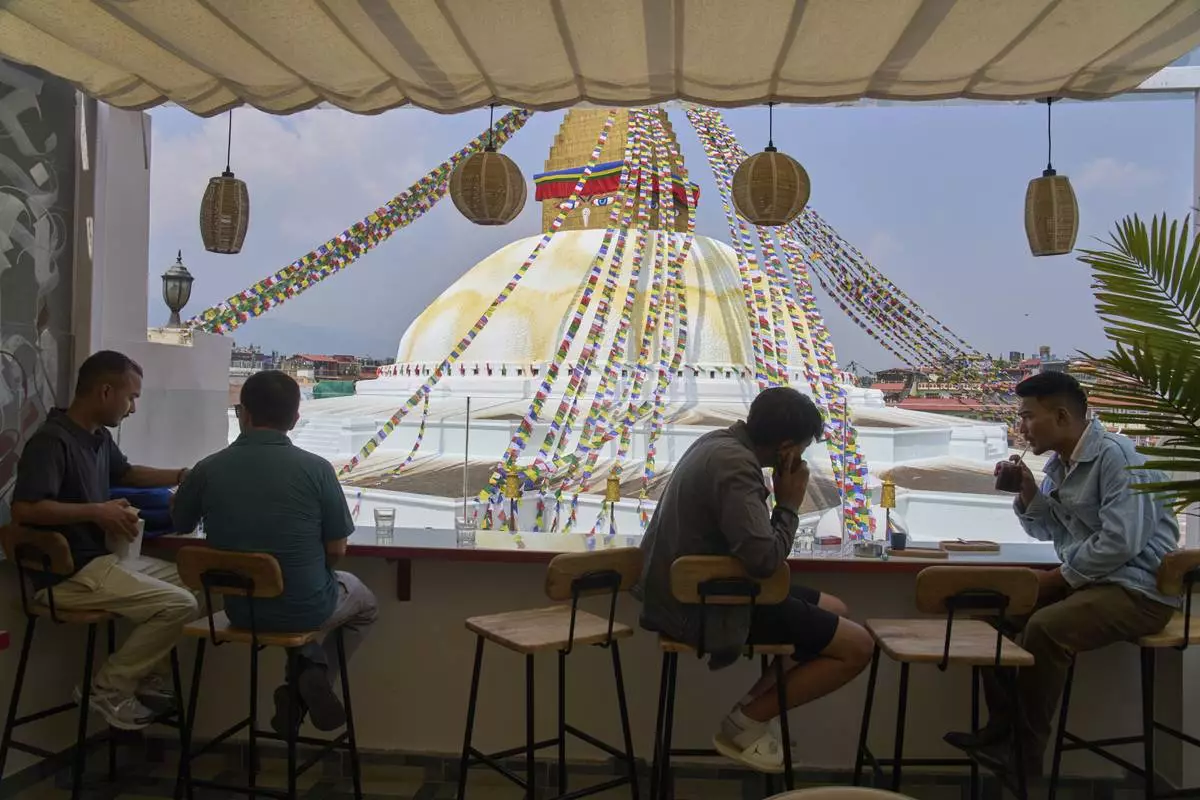
People drink coffee overlooking Boudhanath Stupa at Himalayan Java cafe in Kathmandu, Nepal, Tuesday, June 10, 2025. (AP Photo/Niranjan Shrestha)

People drink coffee overlooking Boudhanath Stupa at Himalayan Java cafe in Kathmandu, Nepal, Tuesday, June 10, 2025. (AP Photo/Niranjan Shrestha)

Tea — usually served with as a sweet, milky beverage in a piping hot glass tumbler — is as much a part of Nepal's culture as rice, a constant presence at homes, meetings and social gatherings.

But a growing number of Nepalis are warming up to coffee, as trendy cafes spring up street corners in cities and towns across the country.

One cafe in the capital, Kathmandu, is widely seen as the pioneer.

Gagan Pradhan began Himalayan Java as a single cafe in an alley, and it's grown to a chain with 84 locations the country. Pradhan estimates there around 7,000 cafes across the country, although so far international brands like Starbucks aren't in Nepal.

“There are lot of tea shops throughout the nation, but the kind of set up they have is still kind of old fashioned,” Pradhan said. “I think with investors and people like us, when it comes to coffee shop we are more serious not only with machines, we are serious with everything like the lighting, the set up, the furnishings, the location.”

Pradhan said tea shops usually offer just black tea or tea with milk, whereas a typical coffee menu has 10-15 hot beverages and about 10-15 cold beverages, he said.

Pradhan said it’s an appealing business because the initial investment to open a cafe is very low, they’re clean and simple enough for a single to family to run, and customers are willing to pay more for coffee.

Several of eastern Nepal’s tea plantations in the mountains of east Nepal, famous for the tea, are joined by coffee plantations now.

Nepal is part of a regional trend. Coffee consumption has soared across traditionally tea-drinking countries in Asia as members of growing middle classes seek out novel flavors and adopt international trends.

Coffee is a premium drink in Nepal: it costs about $2 at Himalayan Java, which is enough to buy a meal at a local cafe in Kathmandu, or five cups of tea. Still, cafes bustle with officers workers on breaks and students looking for places to study.

“I think the idea of drinking coffee (in Nepal) was first triggered with people thinking it would elevate their standard of living, but then once they tasted coffee many people just liked it and continued to drink it,” said Deep Singh Bandari, a social worker who is a regular visitor to the coffee cafes.

Most of the coffee drunk in Nepal is imported, but in the country's famous eastern tea-growing regions coffee plantations are springing up.

According to Nepal’s National Tea and Coffee Development Board, about 400 tons of coffee was produced in fiscal year 2021-22, the most recent for which data is available. That's a drop in the percolator compared to the 26,000 tons of tea produced the same year, but the board predicts rapid growth.

“Both young and old people in Nepal just love coffee, and the number of coffee drinkers is growing every day. This trend is just going to grow,” said Pradhan.
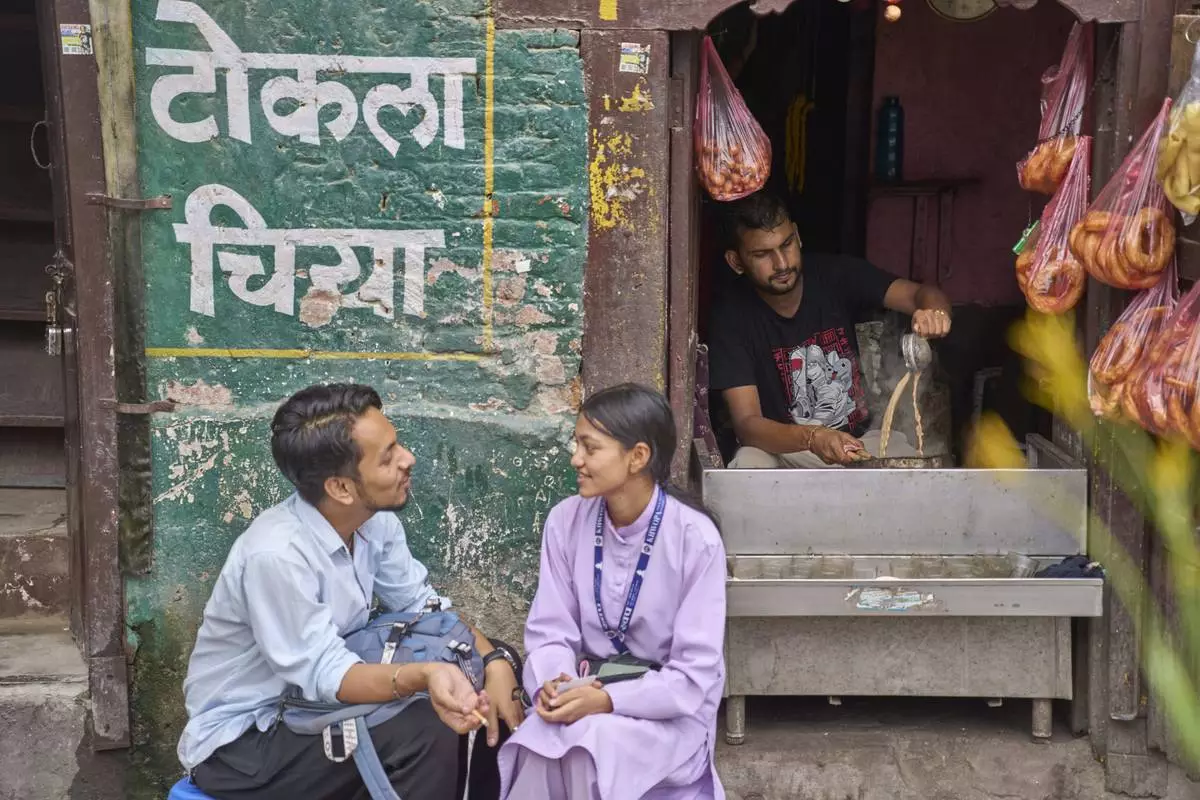
A couple talks sitting outside a tea shop at Basantapur Durbar square in Kathmandu, Nepal, Wednesday, July 23, 2025. (AP Photo/Niranjan Shrestha)
A couple talks sitting outside a tea shop at Basantapur Durbar square in Kathmandu, Nepal, Wednesday, July 23, 2025. (AP Photo/Niranjan Shrestha)

An employee prepares a coffee for a customer at Himalayan Java cafe at Boudhanath Stupa in Kathmandu, Nepal, Tuesday, June 10, 2025. (AP Photo/Niranjan Shrestha)
An employee prepares a coffee for a customer at Himalayan Java cafe at Boudhanath Stupa in Kathmandu, Nepal, Tuesday, June 10, 2025. (AP Photo/Niranjan Shrestha)

A person checks his mobile phone while drinking coffee at a cafe in Kathmandu, Nepal, Tuesday, June 10, 2025. (AP Photo/Niranjan Shrestha)
A person checks his mobile phone while drinking coffee at a cafe in Kathmandu, Nepal, Tuesday, June 10, 2025. (AP Photo/Niranjan Shrestha)

An employees pours coffee for a customer at Himalayan Java cafe at Boudhanath Stupa in Kathmandu, Nepal, Tuesday, June 10, 2025. (AP Photo/Niranjan Shrestha)
An employees pours coffee for a customer at Himalayan Java cafe at Boudhanath Stupa in Kathmandu, Nepal, Tuesday, June 10, 2025. (AP Photo/Niranjan Shrestha)

People drink coffee overlooking Boudhanath Stupa at Himalayan Java cafe in Kathmandu, Nepal, Tuesday, June 10, 2025. (AP Photo/Niranjan Shrestha)
People drink coffee overlooking Boudhanath Stupa at Himalayan Java cafe in Kathmandu, Nepal, Tuesday, June 10, 2025. (AP Photo/Niranjan Shrestha)

NEW DELHI (AP) — India raised fuel prices by 3 rupees ($0.03) per liter Friday as the government moved to offset losses due to higher global oil prices.

In New Delhi, gasoline prices rose to 97.77 rupees ($1.17) a liter, while diesel climbed to 90.67 rupees ($1.09) a liter.

India imports about 90% of its oil and has been hit hard by rising energy prices and supply disruptions linked to the Iran war and the closure of the Strait of Hormuz. It had until now avoided raising retail fuel prices despite sharp increases in energy costs, making it one of the last major economies to pass higher crude prices on to consumers.

The price increases came days after Prime Minister Narendra Modi urged Indians to adopt voluntary austerity measures.

Modi on Sunday called on people to work from home where possible, limit foreign travel and reduce purchases of gold. He described fuel conservation and saving foreign exchange as an act of “patriotism,” and encouraged greater use of public transportation, carpooling and lower fertilizer consumption.

Opposition leaders said Modi’s appeal came only after a key round of state elections had concluded, noting that fuel prices were kept unchanged during the campaign.

Manoj Kumar, a 48-year-old taxi driver in New Delhi, said the rise in fuel prices was adding to the strain on working-class people.

“For common people like us, even one rupee has great value. People work so hard from morning till evening just to make ends meet. The government is not seeing this," he said.

Earlier this week, India also raised import duties on gold and silver to 15% in an effort to curb demand for imports that drain foreign exchange reserves.

The Indian rupee has fallen to record lows in recent weeks as higher oil prices increased pressure on imports and foreign exchange reserves.

Meanwhile, India’s capital has become the first state to roll out austerity measures.

Authorities in New Delhi on Thursday announced fuel-saving measures, including mandatory work-from-home days for some government employees. Delhi Chief Minister Rekha Gupta said the 90-day campaign aims to reduce official fuel use and encourage people in the capital to rely more on public transportation instead of private vehicles.

Under the plan, employees whose work can be done remotely will work from home two days a week, while private companies are being encouraged to adopt similar measures voluntarily.

India has also accelerated ethanol blending in gasoline as part of its push to cut crude oil imports.

Most fuel stations across the country now sell gasoline blended with 20% ethanol, and the government has proposed expanding the use of fuels containing 85% — or even 100% — ethanol in compatible vehicles.

Energy experts said blending biofuel can help shield from global energy shocks but can lead to further stressing already depleting groundwater resources, encroach on land meant for food crops and impact older vehicles’ engines.

AP journalists Sibi Arasu in Bengaluru, India and Shonal Ganguly in New Delhi contributed to this report.

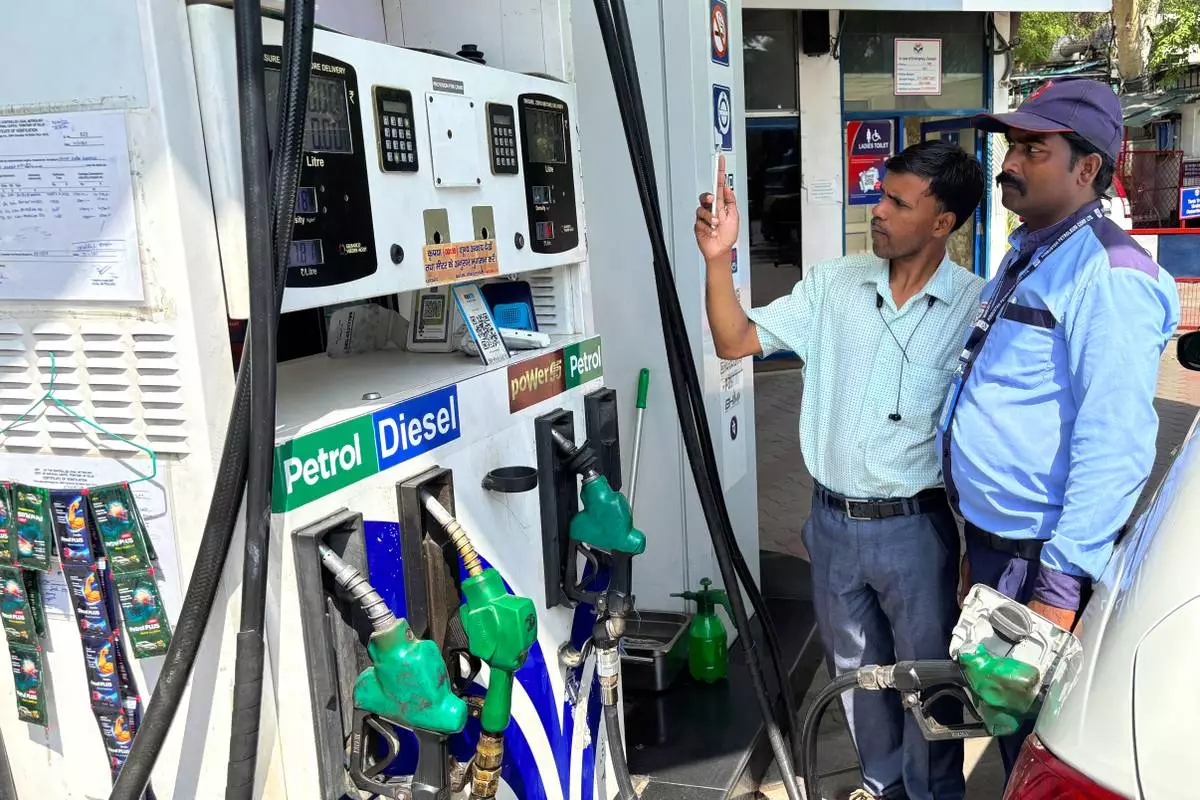
A commuter monitors the meter as an attendant refuels his vehicle at a filling station in New Delhi, India, Friday, May 15, 2026. (AP Photo/Shonal Ganguly)

A commuter monitors the meter as an attendant refuels his vehicle at a filling station in New Delhi, India, Friday, May 15, 2026. (AP Photo/Shonal Ganguly)

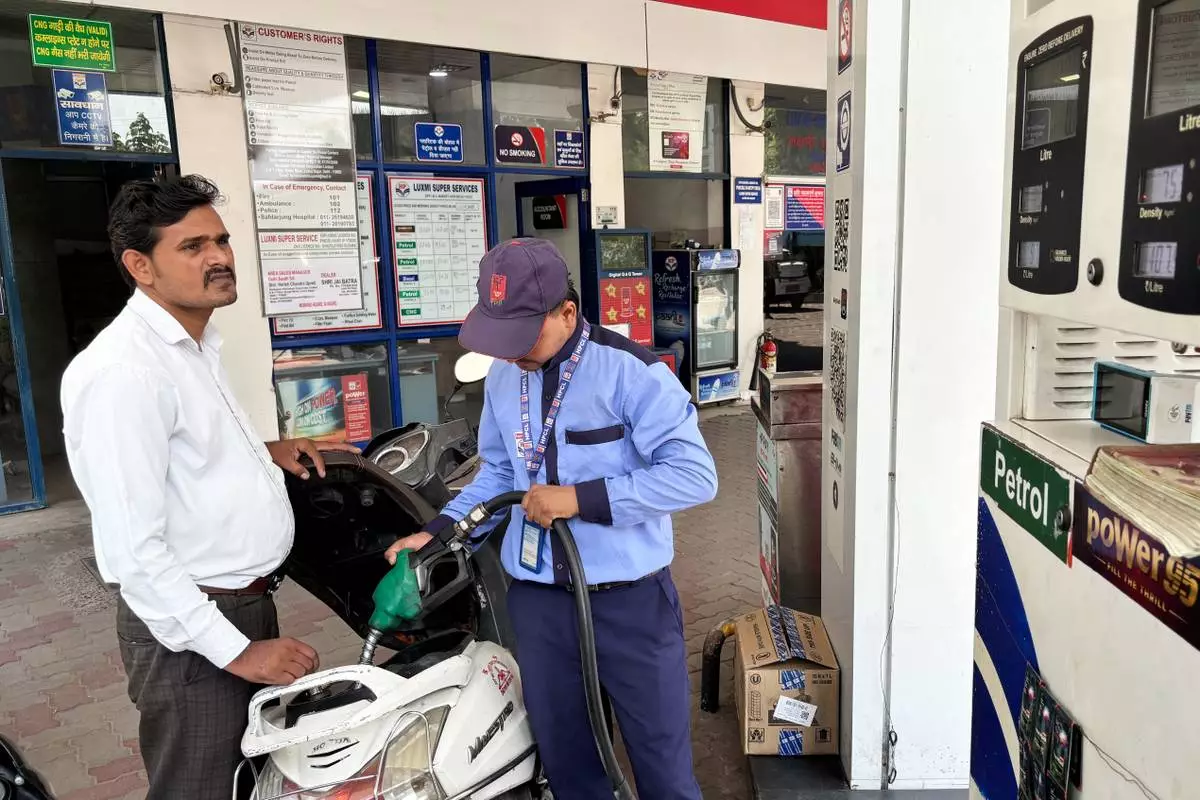
A commuter monitors the meter as an attendant refuels his scooter at a filling station in New Delhi, India, Friday, May 15, 2026. (AP Photo/Shonal Ganguly)

A commuter monitors the meter as an attendant refuels his scooter at a filling station in New Delhi, India, Friday, May 15, 2026. (AP Photo/Shonal Ganguly)

Recommended Articles