WASHINGTON (AP) — It's almost time for summer's meteor shower duet.
The Southern Delta Aquariid and the Alpha Capricornid meteor showers peak at the same time — in the early morning of July 30.
Without too much interference from moonlight — the waxing moon will be only about a quarter full — the meteors should appear bright and clear in regions away from city lights.
With each shower expected to produce up to a dozen visible meteors per hour under dark skies, the doubleheader means the total number of meteors “do add up,” said Thaddeus LaCoursiere, planetarium program coordinator at the Bell Museum in St. Paul, Minnesota.
“Look for flashes of light in the night sky,” he said, adding that both are “very nice classic meteor showers.”
The Alpha Capricornids — produced by slower-moving meteors — may have tails that linger slightly longer in the sky, said Nick Moskovitz of the Lowell Observatory in Flagstaff, Arizona.
Viewing of each shower lasts through August 12.
As the Earth orbits the sun, several times a year it passes through debris left by passing comets and sometimes asteroids.
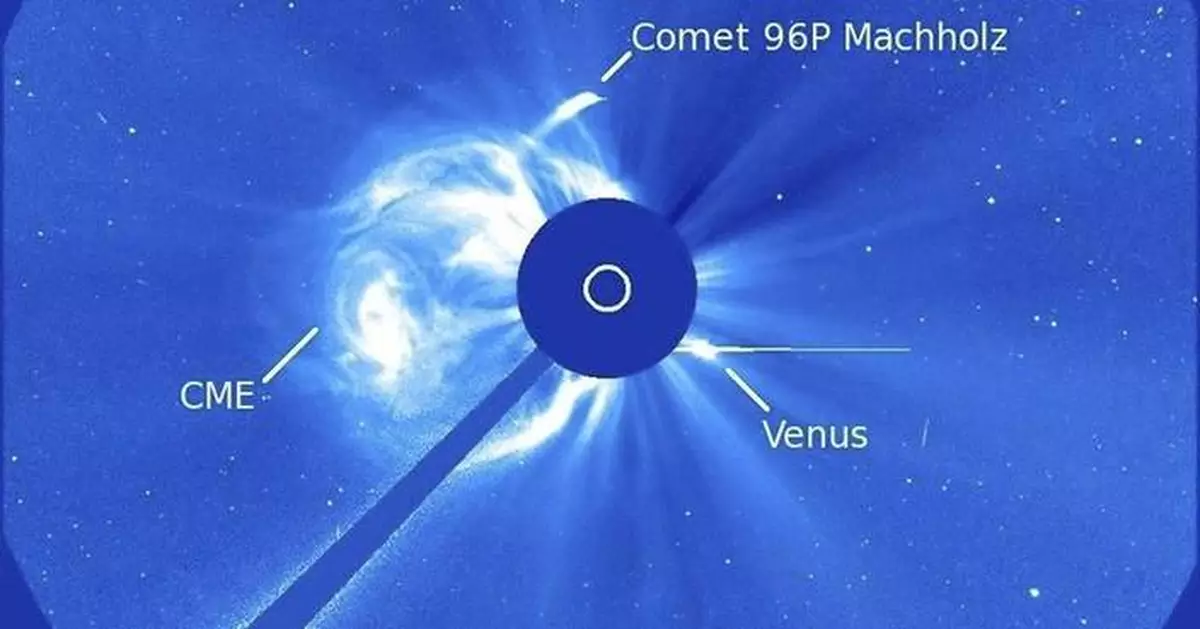
The source of the Delta Aquariids is debris from comet 96P/Machholz. The Alpha Capricornids stem from the comet 169P/NEAT.
When these fast-moving space rocks enter Earth’s atmosphere, the debris encounters new resistance from the air and becomes very hot, eventually burning up.
Sometimes the surrounding air glows briefly, leaving behind a fiery tail — the end of a “shooting star.”
You don’t need special equipment to see the various meteor showers that flash across annually, just a spot away from city lights.
The best time to watch a meteor shower is in the early predawn hours when the moon is low in the sky.
Competing sources of light — such as a bright moon or artificial glow — are the main obstacles to a clear view of meteors. Cloudless nights when the moon wanes smallest are optimal viewing opportunities.
And keep looking up, not down. Your eyes will be better adapted to spot shooting stars if you aren’t checking your phone.
The next major meteor shower, the Perseids, peaks in mid August.
The Associated Press Health and Science Department receives support from the Howard Hughes Medical Institute’s Science and Educational Media Group. The AP is solely responsible for all content.
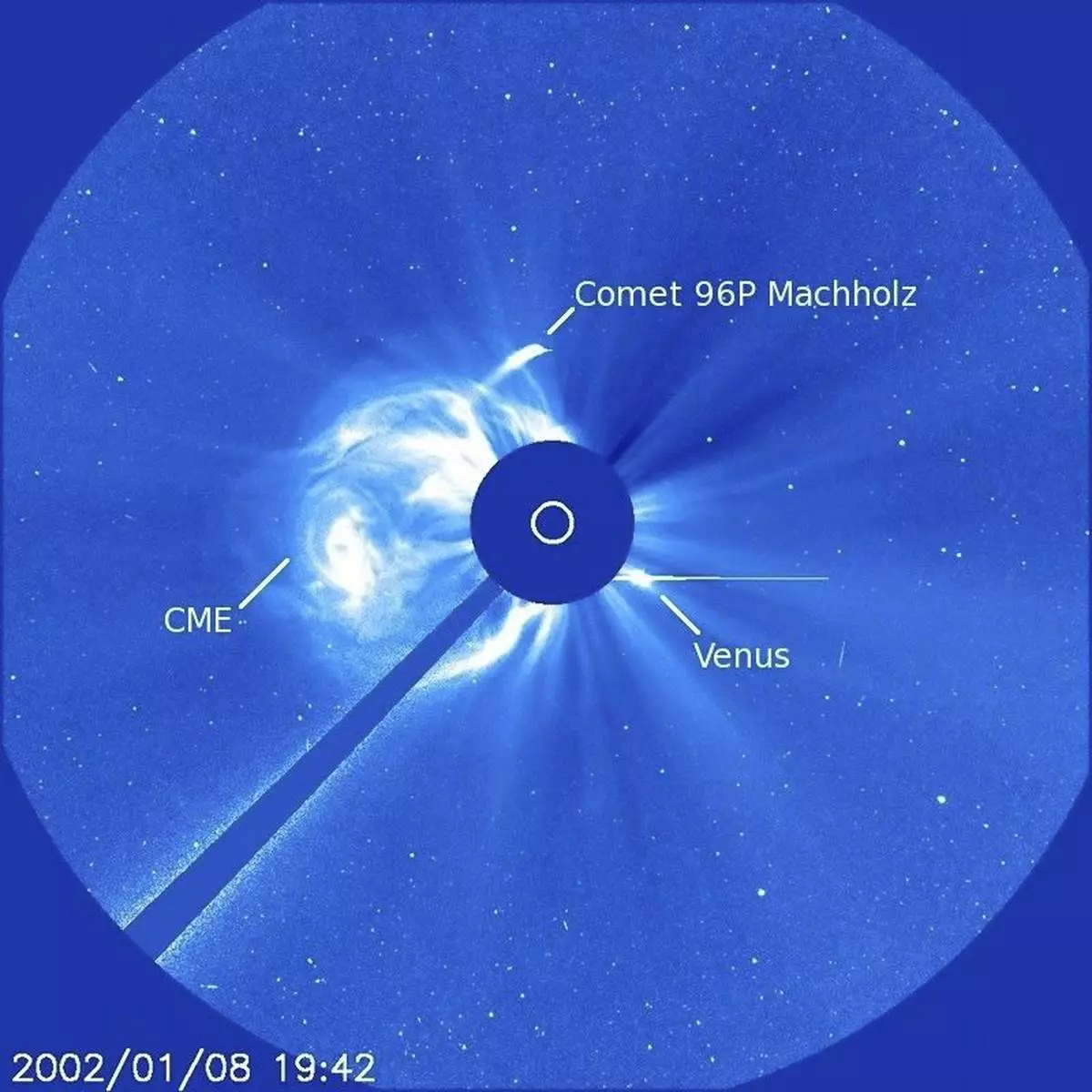
This image provided by NASA shows comet 96P Machholz which orbits the Sun about every 6 years, and is suspected to cause the Southern Delta Aquariids meteor showers. (NASA/ESA/SOHO via AP)
CAPE CANAVERAL, Fla. (AP) — An ailing astronaut returned to Earth with three others on Thursday, ending their space station mission more than a month early in NASA’s first medical evacuation.
SpaceX guided the capsule to a middle-of-the-night splashdown in the Pacific near San Diego, less than 11 hours after the astronauts exited the International Space Station.
“It’s so good to be home,” said NASA astronaut Zena Cardman, the capsule commander.
It was an unexpected finish to a mission that began in August and left the orbiting lab with only one American and two Russians on board. NASA and SpaceX said they would try to move up the launch of a fresh crew of four; liftoff is currently targeted for mid-February.
Cardman and NASA’s Mike Fincke were joined on the return by Japan’s Kimiya Yui and Russia’s Oleg Platonov. Officials have refused to identify the astronaut who had the health problem or explain what happened, citing medical privacy.
While the astronaut was stable in orbit, NASA wanted them back on Earth as soon as possible to receive proper care and diagnostic testing. The entry and splashdown required no special changes or accommodations, officials said, and the recovery ship had its usual allotment of medical experts on board. It was not immediately known when the astronauts would fly from California to their home base in Houston. Platonov’s return to Moscow was also unclear.
NASA stressed repeatedly over the past week that this was not an emergency. The astronaut fell sick or was injured on Jan. 7, prompting NASA to call off the next day’s spacewalk by Cardman and Fincke, and ultimately resulting in the early return. It was the first time NASA cut short a spaceflight for medical reasons. The Russians had done so decades ago.
The space station has gotten by with three astronauts before, sometimes even with just two. NASA said it will be unable to perform a spacewalk, even for an emergency, until the arrival of the next crew, which has two Americans, one French and one Russian astronaut.
The Associated Press Health and Science Department receives support from the Howard Hughes Medical Institute’s Department of Science Education and the Robert Wood Johnson Foundation. The AP is solely responsible for all content.
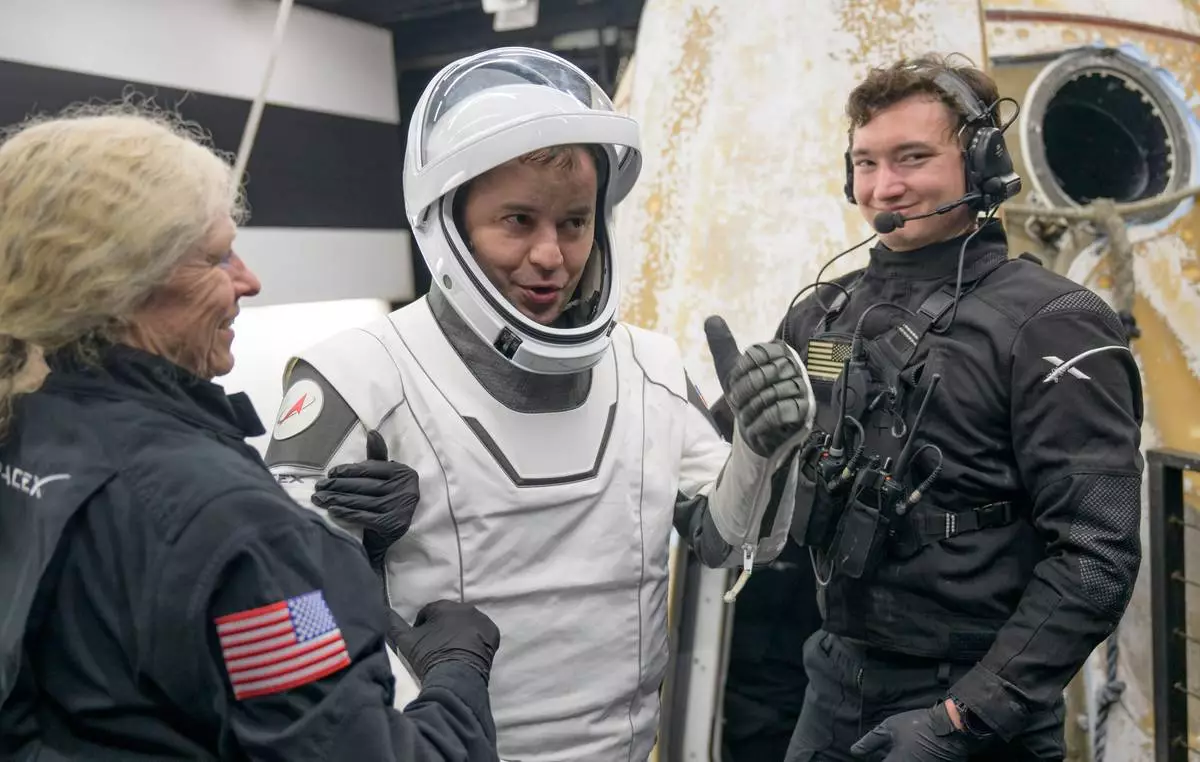
Roscosmos cosmonaut Oleg Platonov is helped out of the SpaceX Dragon Endeavour spacecraft onboard the SpaceX recovery ship SHANNON after they re-entered the earth in a middle-of-the-night splashdown near San Diego, Calif., Thursday, Jan. 15, 2026. (NASA via AP)
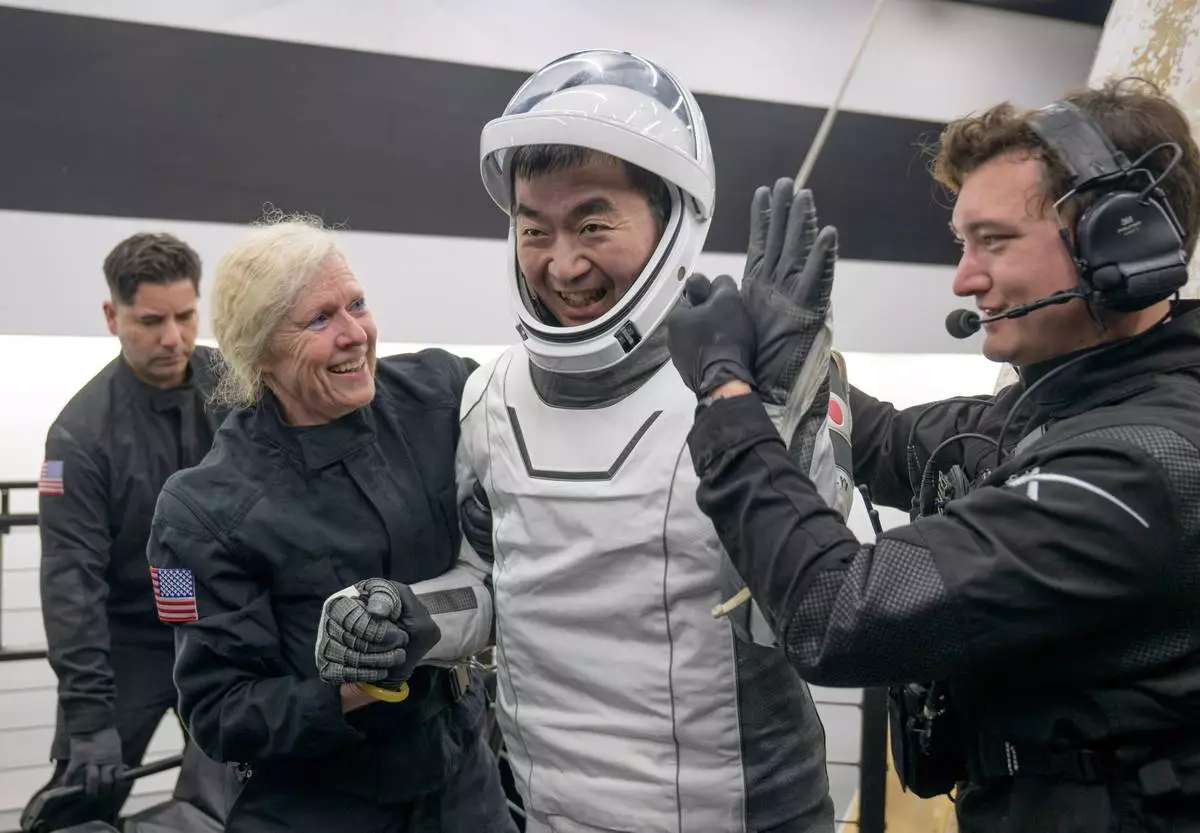
JAXA (Japan Aerospace Exploration Agency) astronaut Kimiya Yui is helped out of the SpaceX Crew-11 capsule after they re-entered the earth in a middle-of-the-night splashdown near San Diego, Calif., Thursday, Jan. 15, 2026. (NASA via AP)
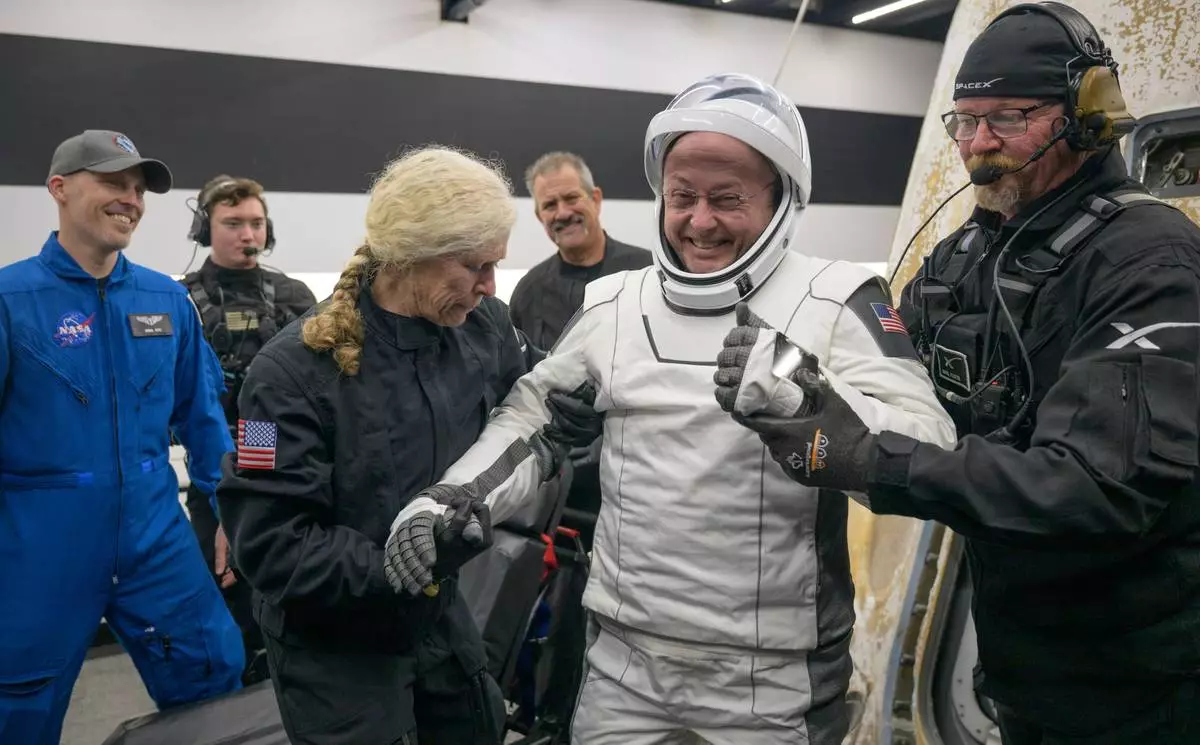
NASA astronaut Mike Fincke is helped out of the SpaceX Crew-11 capsule after they re-entered the earth in a middle-of-the-night splashdown near San Diego, Calif., Thursday, Jan. 15, 2026. (NASA via AP)

NASA astronaut Zena Cardman is helped out of the SpaceX Crew-11 capsule after they re-entered the earth in a middle-of-the-night splashdown near San Diego, Calif., Thursday, Jan. 15, 2026. (NASA via AP)
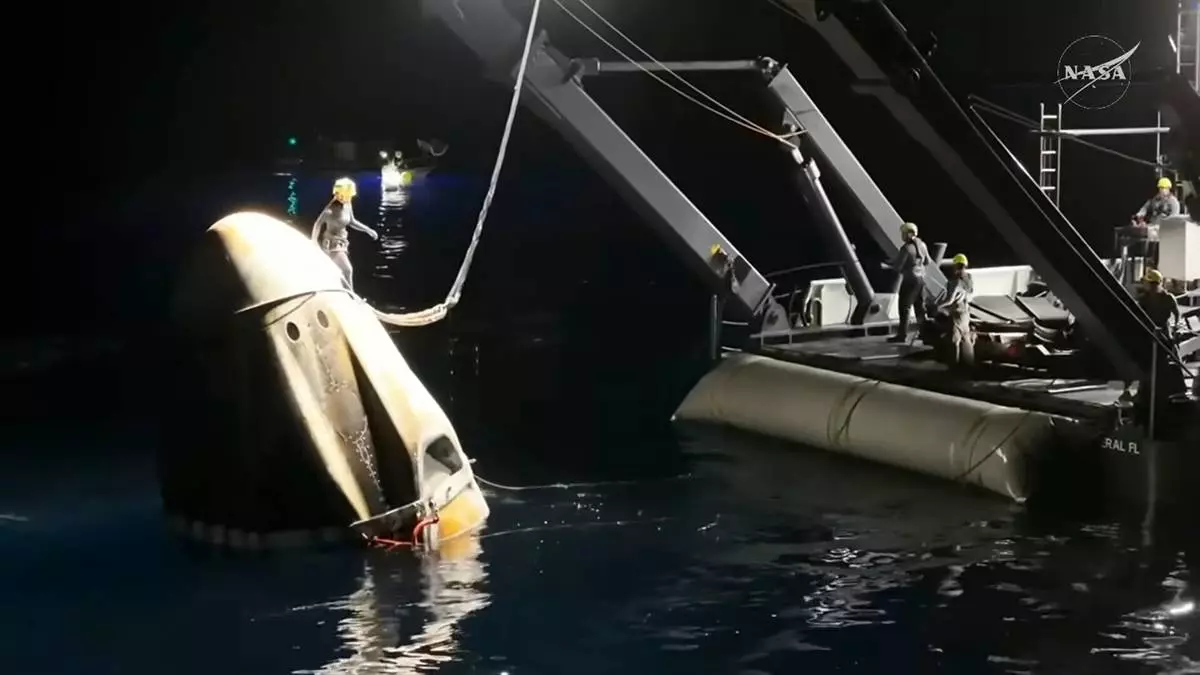
This screengrab from video provided by NASA shows the NASA's SpaceX Crew-11 capsule being taken into the recovery vessel after crew members re entered the earth in a middle-of-the-night splashdown near San Diego, Calif., Thursday, Jan. 15, 2026. (NASA via AP)
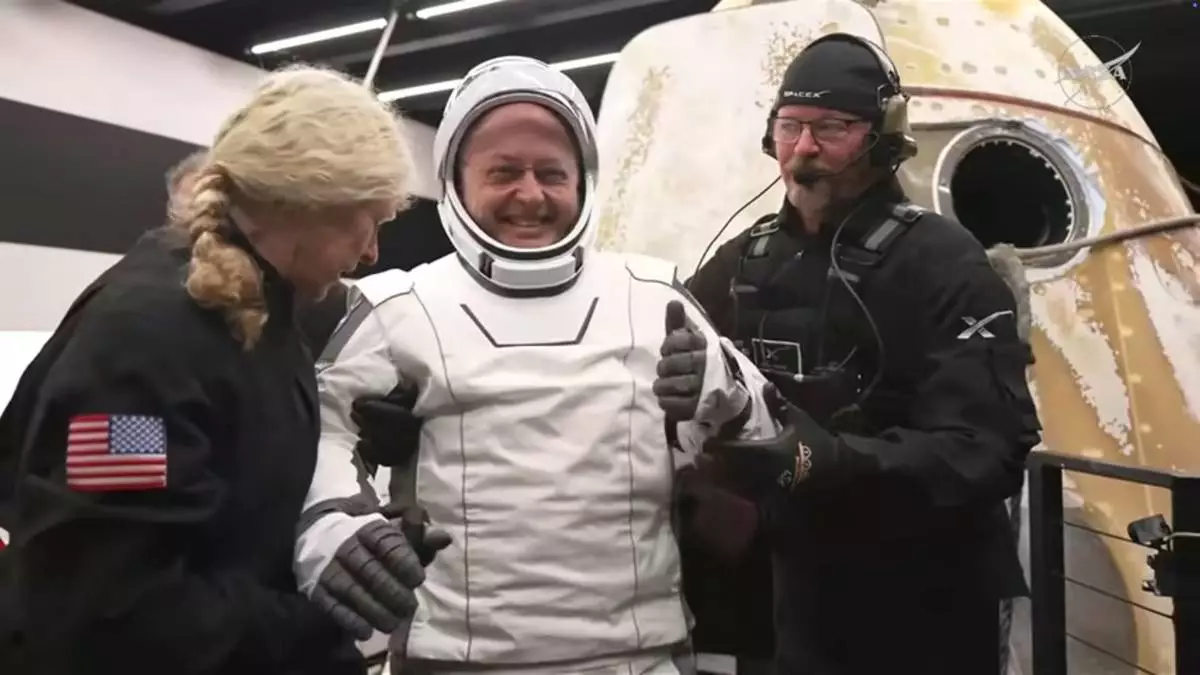
This screengrab from video provided by NASA shows NASA astronaut Mike Fincke getting helped out of the SpaceX Crew-11 capsule after they re-entered the earth in a middle-of-the-night splashdown near San Diego, Calif., Thursday, Jan. 15, 2026. (NASA via AP)

This screengrab from video provided by NASA shows NASA Japanese astronaut Kimiya Yui being helped out of the SpaceX Crew-11 capsule after they re-entered the earth in a middle-of-the-night splashdown near San Diego, Calif., Thursday, Jan. 15, 2026. (NASA via AP)

This screengrab from video provided by NASA shows Russian astronaut Oleg Platonov being helped out of the SpaceX Crew-11 capsule after they re-entered the earth in a middle-of-the-night splashdown near San Diego, Calif., Thursday, Jan. 15, 2026. (NASA via AP)

Roscosmos cosmonaut Oleg Platonov, left, NASA astronauts Mike Fincke, Zena Cardman, and JAXA (Japan Aerospace Exploration Agency) astronaut Kimiya Yui are seen inside the SpaceX Dragon Endeavour spacecraft onboard the SpaceX recovery ship SHANNON shortly after having landed in the Pacific Ocean off the coast of Long Beach, Calif., Thursday, Jan. 15, 2026. (NASA via AP)

This screengrab from video provided by NASA shows NASA astronaut Zena Cardman being helped out of the SpaceX Crew-11 capsule after they re-entered the earth in a middle-of-the-night splashdown near San Diego, Calif., Thursday, Jan. 15, 2026. (NASA via AP)
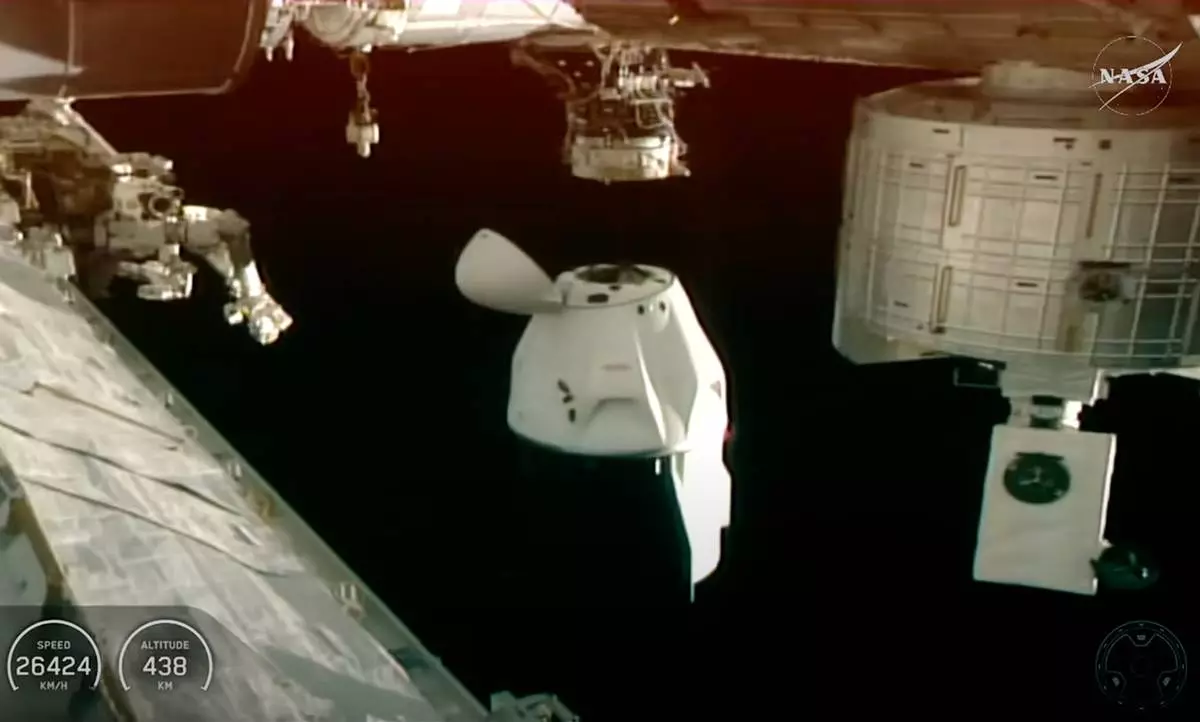
This screengrab from video provided by NASA TV shows the SpaceX Dragon departing from the International Space Station shortly after undocking with four NASA Crew-11 members inside on Wednesday, Jan. 14, 2026. (NASA via AP)
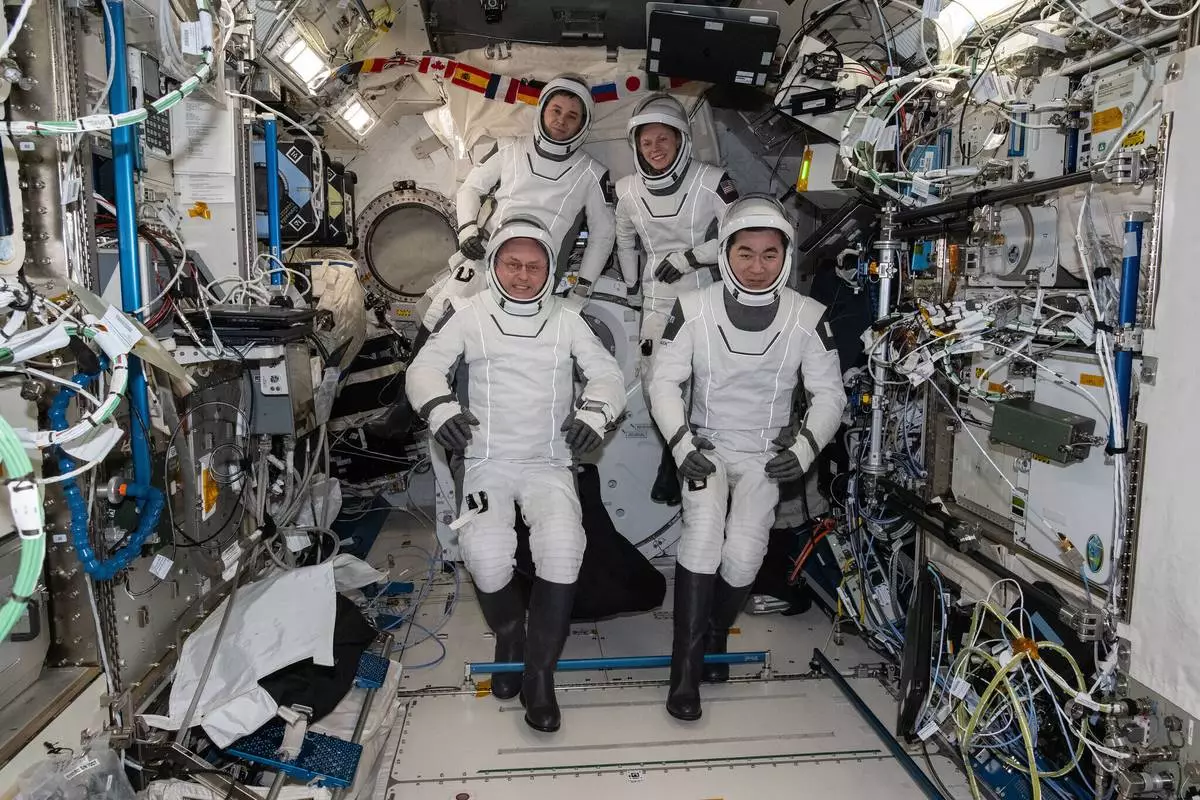
This photo provided by NASA shows clockwise from bottom left are, NASA astronaut Mike Fincke, Roscosmos cosmonaut Oleg Platonov, NASA astronaut Zena Cardman, and JAXA (Japan Aerospace Exploration Agency) astronaut Kimiya Yui gathering for a crew portrait wearing their Dragon pressure suits during a suit verification check inside the International Space Station’s Kibo laboratory module, Wednesday, Jan. 14, 2026. (NASA via AP)
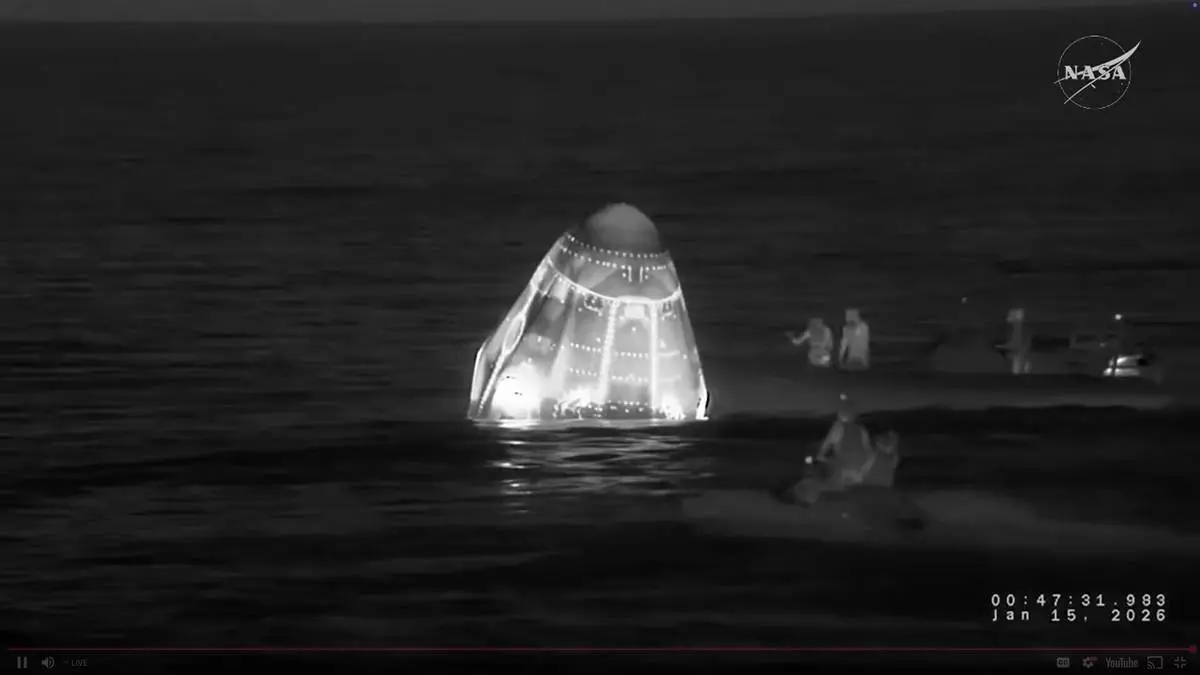
This screengrab from video provided by NASA shows recovery vessels approaching the NASA's SpaceX Crew-11 capsule to evacuate one of the crew members after they re-entered the earth in a middle-of-the-night splashdown near San Diego, Calif., Thursday, Jan. 15, 2026. (NASA via AP)
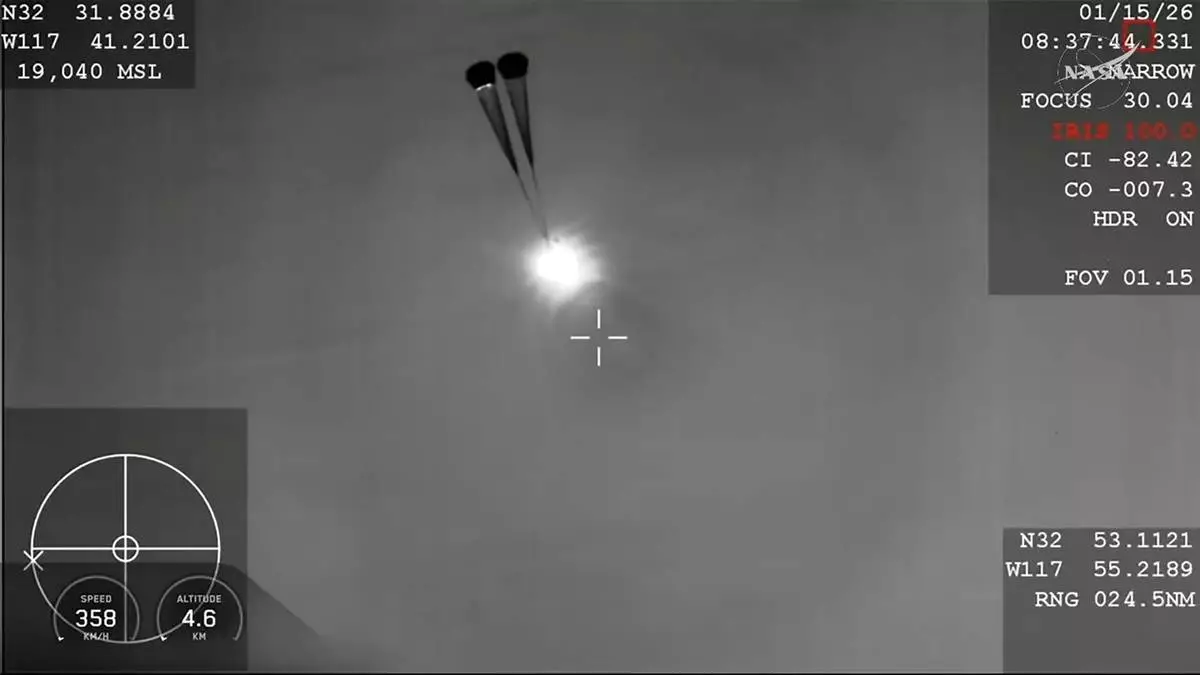
This screengrab from video provided by NASA shows the NASA's SpaceX Crew-11 members re entering the earth in a middle-of-the-night splashdown near San Diego, Calif., Thursday, Jan. 15, 2026. (NASA via AP)
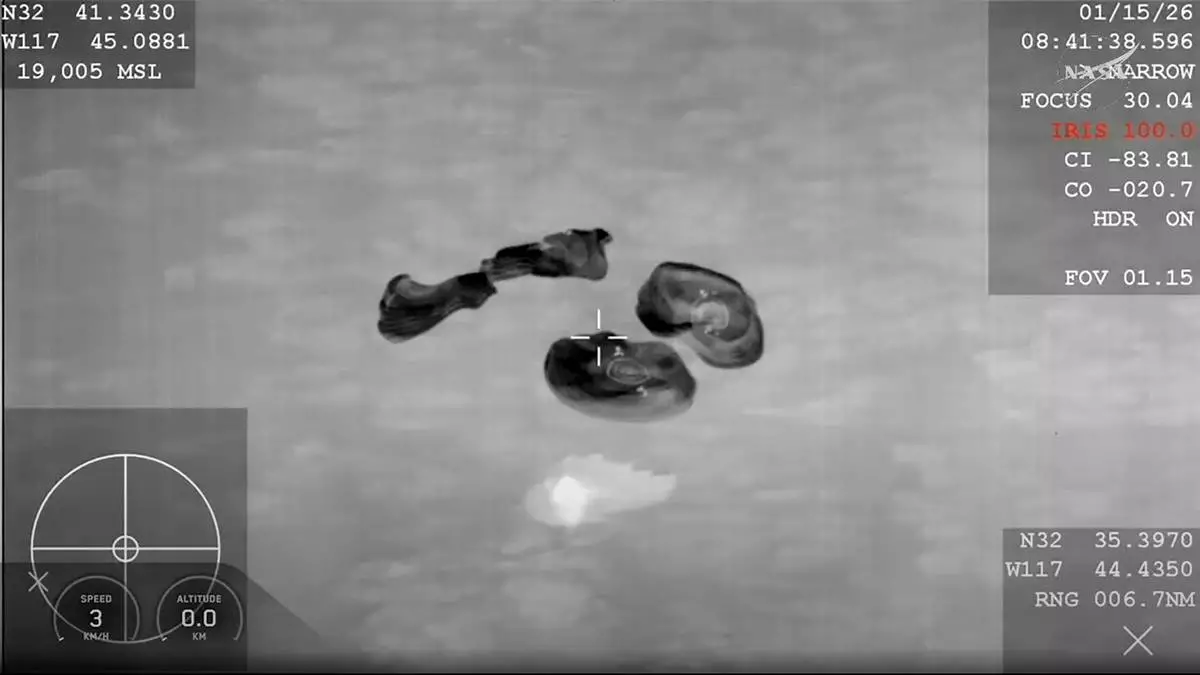
This screengrab from video provided by NASA shows the NASA's SpaceX Crew-11 members re entering the earth in a middle-of-the-night splashdown near San Diego, Calif., Thursday, Jan. 15, 2026. (NASA via AP)